Disclosure: As an Amazon Associate, Small Home Rhythm may earn from qualifying purchases. Price, stock, variant and seller may change.
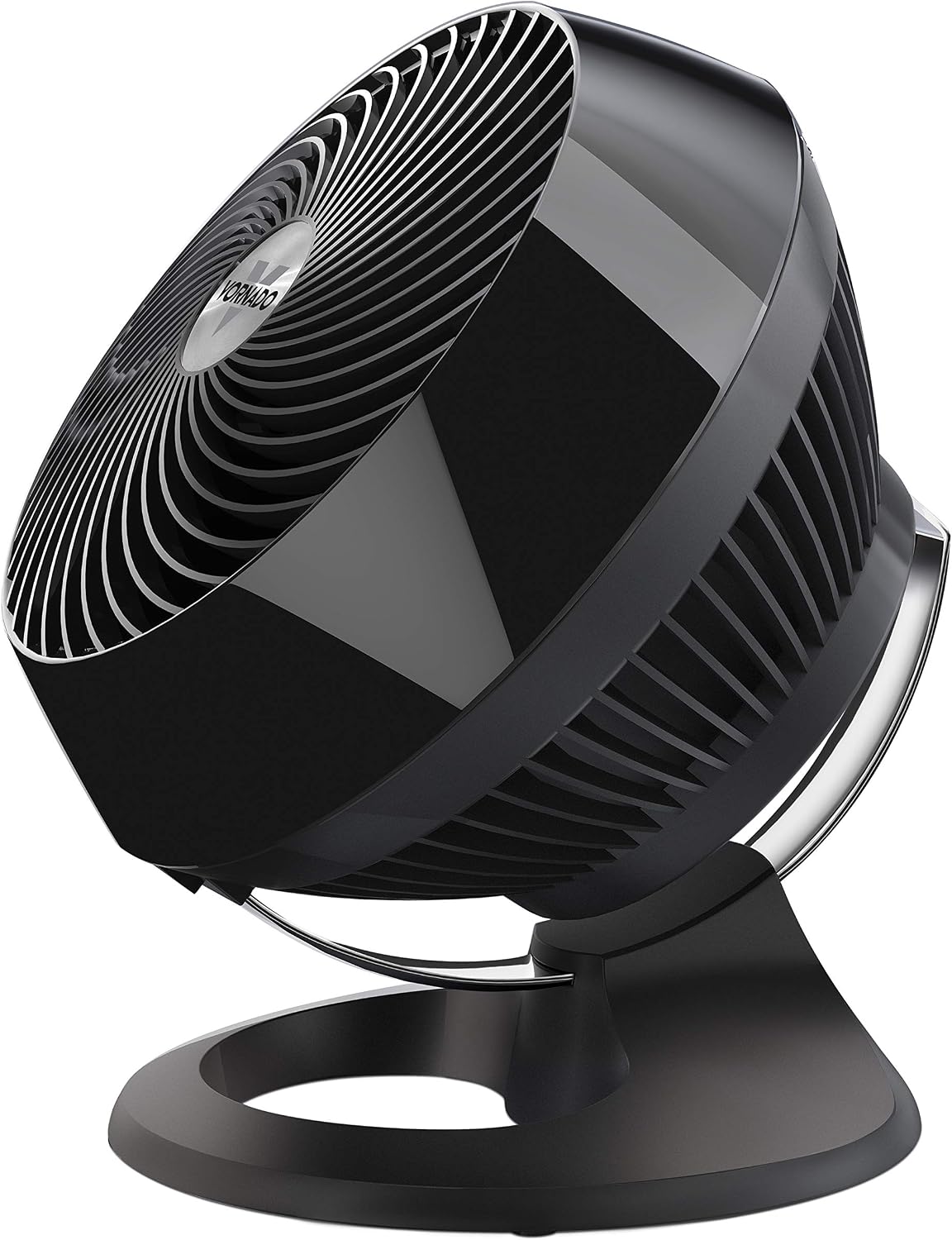
Vornado 660 Review: Can a Large Air Circulator Fit a Small Living Room? This research-based review looks at the exact 660 Large Air Circulator, black listing through the everyday constraints of a living room: clearance, access, upkeep and the alternative you already own. We have not physically tested this item. A product photograph identifies the listed product, while room photographs illustrate context rather than hands-on use. If you are working on the same space, JOYIN Mini Skeleton Review for Halloween 2026: Do Five Poseable Figures Fit a Small Living Room? covers the next decision in more detail.
Circulation is not refrigeration
The 660 moves air; it does not lower room temperature the way an air conditioner can. A breeze can improve how a person feels, and moving air can help distribute conditioned air, but the result depends on the room and placement. Do not claim a fixed temperature drop from an air-circulator listing. Decide whether your actual problem is stagnant air, uneven cooling or a hot room with insufficient cooling capacity. The product addresses those in different ways.
A large fan still occupies a surface
Measure the footprint on a stable floor or table, leaving clear space around the intake and outlet according to manufacturer guidance. In a small living room, a fan may compete with walking lanes, a child’s play area or a side table. Do not place it where a cord crosses the route to the sofa. The fact that a fan can sit on the floor does not mean every floor location is safe or useful.
Aim matters more than appearance
The 660’s adjustable tilt lets you direct airflow. Map where people sit, where a window or air conditioner is and where the air needs to travel. Try an existing fan from the proposed spot to see whether furniture blocks the path. Pointing a powerful fan at a wall may help circulation in some layouts, but do not copy a generic diagram without considering your room. The intended airflow route should be clear and the unit should remain stable.
Four speeds and noise trade-offs
The listing describes four speeds. More output can create more sound, so assess the setting you would use during television, conversation and sleep nearby. We have not measured sound pressure or compared decibels. A strong high setting that you always turn down may not justify a large unit. If quiet use is crucial, consult manufacturer specifications and independent measurements, then verify the experience during the return period.
A shared living room
A fan may serve one person well but blow directly on another seat, move papers or disturb a pet. Ask the household where the airflow is welcome. A placement that circulates across the room rather than at a face may be more acceptable. In a multipurpose room, note whether the fan must be moved for guests or children’s play. If it travels daily, its weight, handle and storage spot become part of the buying decision.
Cord management without traps
Choose an outlet that lets the cord reach without tension and without running under a rug or across a doorway. Follow electrical and product safety guidance; avoid unsafe extension setups. A cable clip can keep slack near the unit, but it does not make a blocked walkway safe. In homes with children or pets, place the fan and cord where they cannot be pulled. This practical constraint can rule out an otherwise attractive corner.
Cleaning the air path
Dust on grilles and blades can reduce appeal and may spread visible debris. Review the current instructions for accessing and cleaning the fan safely, and unplug it first. Consider whether you can clean it in a small sink or on a protected floor surface. A fan that is difficult to maintain may be put away when dusty. Schedule occasional cleaning along with other seasonal equipment, and store it dry if it is not used year-round.
Summer and winter roles
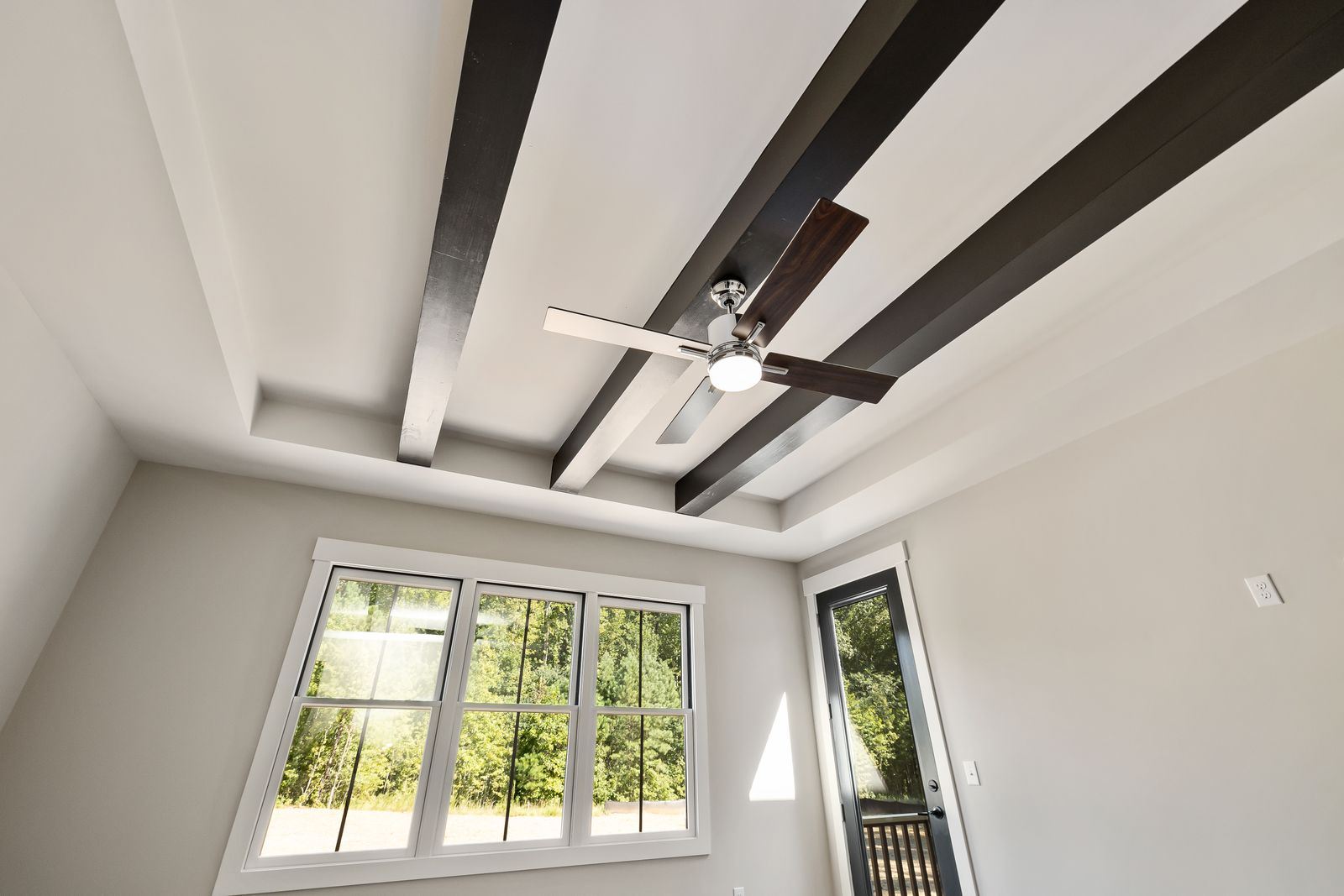
Some households use air movement during warm months and to distribute conditioned or heated air at other times. That does not make every placement effective. Try the simplest placement for your current problem and adjust it before assuming the equipment needs to run constantly. Keep it away from heat sources and follow the maker’s clearance guidance. If the room already has good ceiling-fan coverage, the incremental benefit may be small.
A one-evening layout test
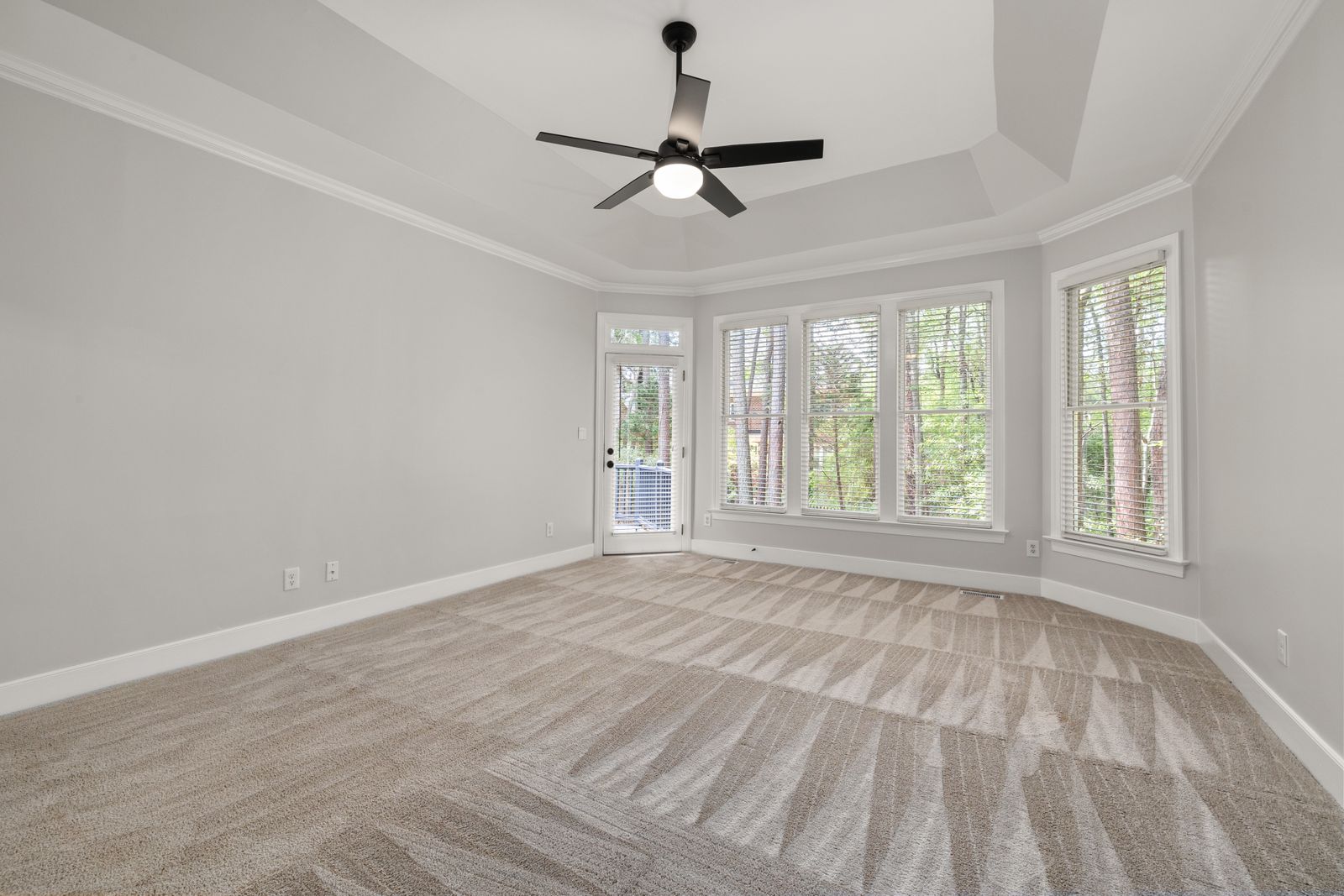
Tape the approximate base area on the floor, position a temporary object at the expected height and move through an ordinary evening. Can you carry a tray past it? Will a door hit it? Is the remote TV volume affected by a fan at that spot? Even before testing airflow, this exercise reveals whether the large unit has a sustainable home. A smaller fan may solve a local comfort issue with less rearrangement.
Compare to the actual alternative
If one sofa seat needs a breeze, a smaller directional fan may cost less and be easier to store. If the whole living room has pockets of stale air, a circulator may suit the task better. An air purifier has a different purpose and should not be conflated with a fan. The linked ASIN is the black 660 model; verify the size, controls and current listing details before ordering. This is a research-based room fit review, not a measured airflow test.
The airflow map
Draw a rough plan of the living room with the sofa, doors, windows, heat or cooling vents and outlets. Mark one or two stable positions where the 660 could run without putting its cord across a route. Identify whether you want a breeze on people or circulation through the room. Those are different placements. Try the room’s existing fan first if one is available, and notice blocked paths behind the sofa. A powerful circulator cannot correct an unsafe cord route or make an air conditioner unnecessary. Consider what happens at night, when a guest sits in a different chair, or when a child uses the floor to play. If every useful position needs the fan moved several times a day, a smaller portable option may fit the room more naturally. Buy for the position that works in ordinary use.
Who is this for?
A living room with a safe stable surface, an outlet and a need to move air across an existing occupied zone. The choice is strongest when the product addresses a recurring task and has a known place to live between uses. Put the existing tool or routine beside it in your comparison. If the proposed purchase merely moves clutter from one surface to another, the small-home advantage disappears. Check that everyone who shares the room can still use it comfortably.
When should you skip it?
A room with no safe cord route, a need for quiet directional airflow at arm’s length or expectations of air conditioning. A product can be well made and still be wrong for your layout. Decide whether the constraint is a missing tool, an overloaded storage area, or a routine that needs fewer steps. Do not let a staged product photo substitute for measurements and a walk through your actual room. Waiting until the need is clear is also a valid purchase decision.
What would I compare instead?
Use an existing ceiling fan or a smaller directional fan if the goal is a breeze at one seat. Compare total effort, not only the upfront price: storage, cleaning, setup, replacement parts and the minutes involved on a busy day. An alternative that is already in your home has no new footprint. If you would buy a second item to make this one usable, include both in the budget and space calculation. The most useful choice is the one you will actually maintain.
Questions to settle before ordering
Measure the intended spot, including doors, drawers, hands and walking clearance when 660 Large Air Circulator, black is in use. Read the live specifications and care instructions for ASIN B0025QKUE8. Confirm the selected variant, box contents, seller, return terms and warranty where applicable. A listing can change after this article is written. Check recent customer questions for recurring compatibility concerns, but distinguish one household’s experience from your own measurements.
Amazon product and current listing
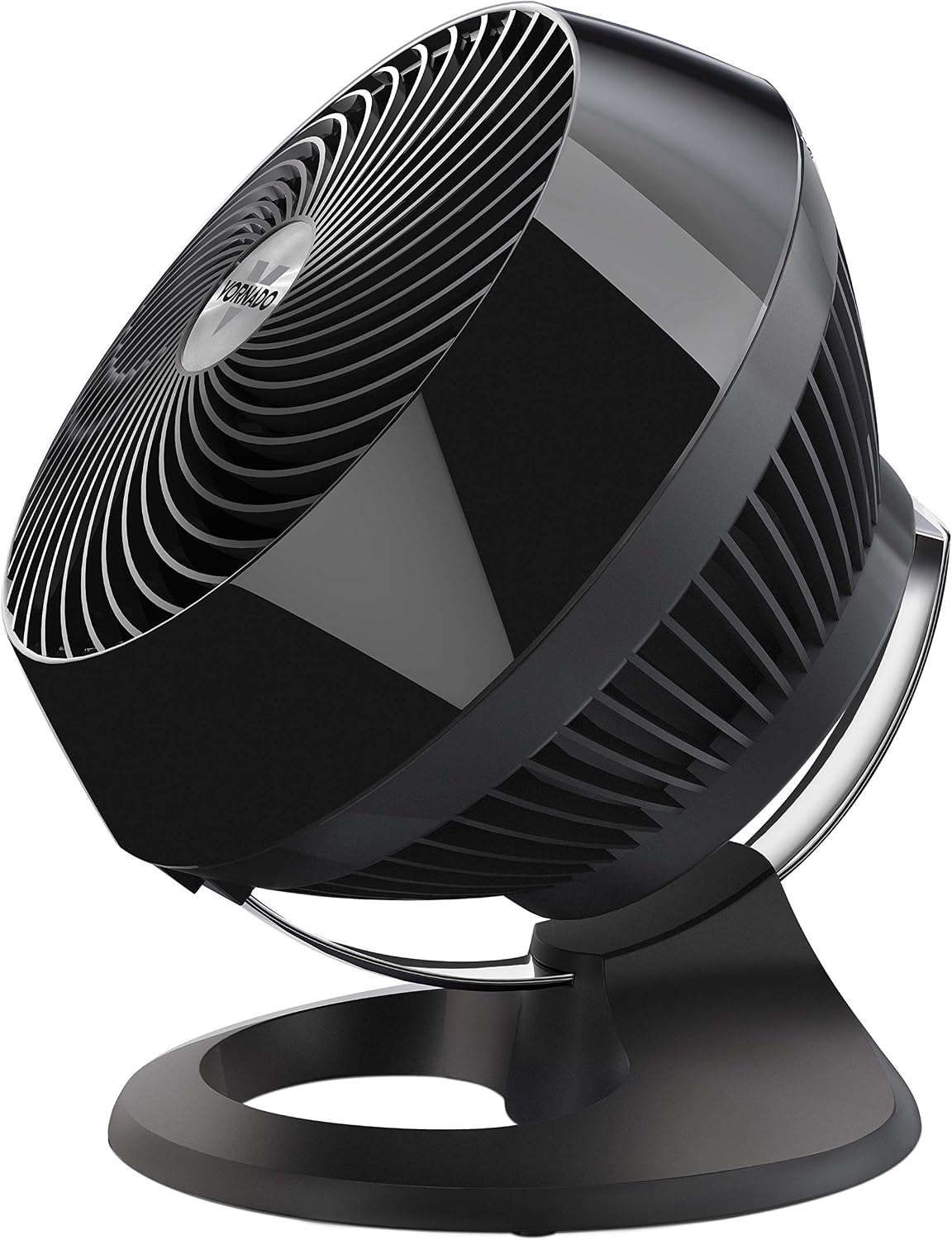
Check the current 660 Large Air Circulator, black listing on Amazon. The photograph is from the linked listing. It helps identify the product and is not evidence that we tested it, installed it or measured performance. Confirm the exact variant and current details on Amazon before purchase; we do not quote a fixed price or promise availability.
The small-home verdict
A living room with a safe stable surface, an outlet and a need to move air across an existing occupied zone. If that describes your household and the fit exercise works, this model is worth comparing with the existing solution. Use an existing ceiling fan or a smaller directional fan if the goal is a breeze at one seat. If the alternative solves the task with less storage or upkeep, keep it. The buying decision should remain tied to a real routine and a measured location rather than a general claim that every small home needs another product.
Explore our Buying Guides and the Living Room room guide for related ideas.
Sources
- Amazon product listing — ASIN B0025QKUE8
- Manufacturer or product information — Vornado product information
Sources
- Amazon product listing — https://www.amazon.com/dp/B0025QKUE8
- Manufacturer/product information — https://www.vornado.com/shop/circulators-fans/large/660-large-air-circulator