
Family Chores & Home Routines
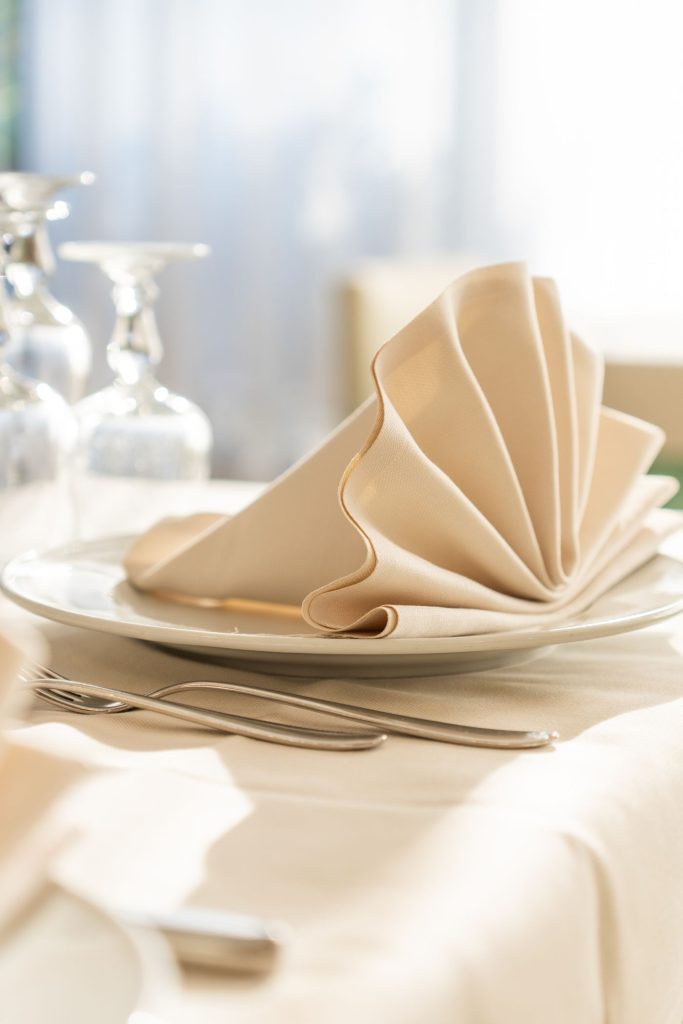
Hold a Family Napkin-Folding Rehearsal Before a Holiday Meal
Try a manageable cloth-napkin arrangement together, check it against the real place setting, and divide the finishing work before guests arrive.

Practical ideas for small family homes
Realistic family chore systems and home routines that reduce everyday friction.
Start here
Three practical starting points to help you make progress without overhauling the whole house at once.
Try a manageable cloth-napkin arrangement together, check it against the real place setting, and divide the finishing work before guests arrive.

Arrange one repeat on the table, choose a manageable design, and let each participant decide before threading begins.
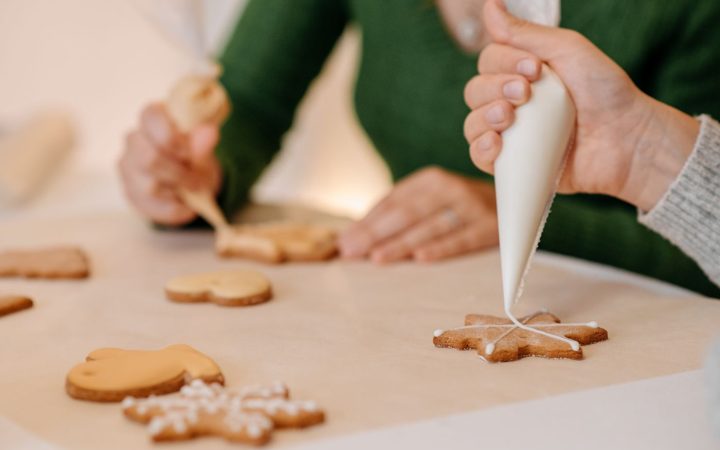
Separate the decorating session from baking, use appropriate edible supplies, and keep portions, tools, and finished cookies identifiable.
A simple rhythm
The best family systems are easy to see, easy to use, and simple enough for more than one person to maintain.
Notice the gear, task, or transition that causes the same mess or delay each day.
Use clear homes, simple labels, and fewer decisions for busy family moments.
Build a system that adults and kids can both understand and use consistently.
Use a short family reset before clutter and unfinished chores start to pile up.

Build a brief call-and-response rhythm session using comfortable sounds, optional suitable instruments, and clear turns.

Choose a few short poems or original lines, keep listening and reading optional, and make space for a relaxed shared reading around an ordinary table.

Make a short spoken greeting in a shared room using equipment you already own, with agreed contributions, a private playback, and a clear final-file decision.
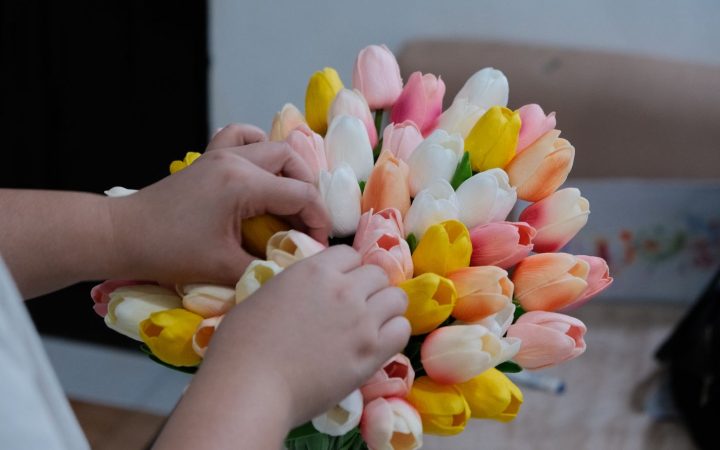
Choose suitable materials, divide observing and arranging roles, protect the shared surface, and leave one manageable vase with a care handoff.

Plan one issue, preserve each contributor’s voice, agree on sharing, and finish a readable copy without taking over a multipurpose room.
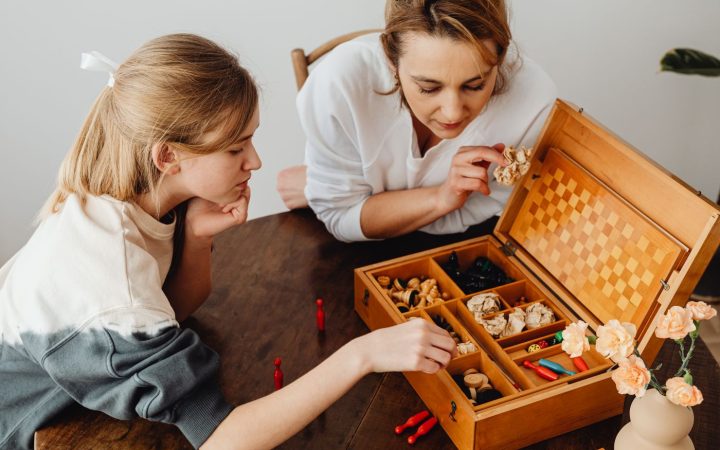
Choose an appropriate existing game, teach through a clearly marked practice round, agree on help and rule checks, and finish before learning becomes an endurance test.

Make room for individual messages, private addresses, and a simple send-or-keep decision so writing together does not create a stack of unfinished correspondence.

Agree on track choices, turn-taking, playback access, comfortable room use, and a clear finish so a small listening gathering remains easy to host.

Invite friends to tell the story of one manageable object, agree on privacy and handling, and keep the room and departure routine simple.
A useful note for your week
Simple tips, new articles, and inspiration delivered to your inbox each week.
Practical guidance
Shared chores are easier when everyone knows what a task includes and when it is finished. A routine might cover clearing dinner, managing laundry, or preparing for a school morning. These guides help break recurring work into visible actions suited to the household’s time and abilities.
Putting away laundry, for example, may include collecting, folding, and returning it to the correct place. Match responsibilities to age and capability, and make supplies or instructions easy to find. Keep a simpler plan for unusually busy days.