
Organizing Routines
Keep Spare Household Keys Identifiable and Separate From the Daily Keyring
Confirm what a spare key belongs to, record its permitted purpose, and keep uncertain keys out of the ready-to-use collection.

Practical ideas for small family homes
Simple daily and weekly organizing systems designed for busy family life.
Start here
Three practical starting points to help you make progress without overhauling the whole house at once.
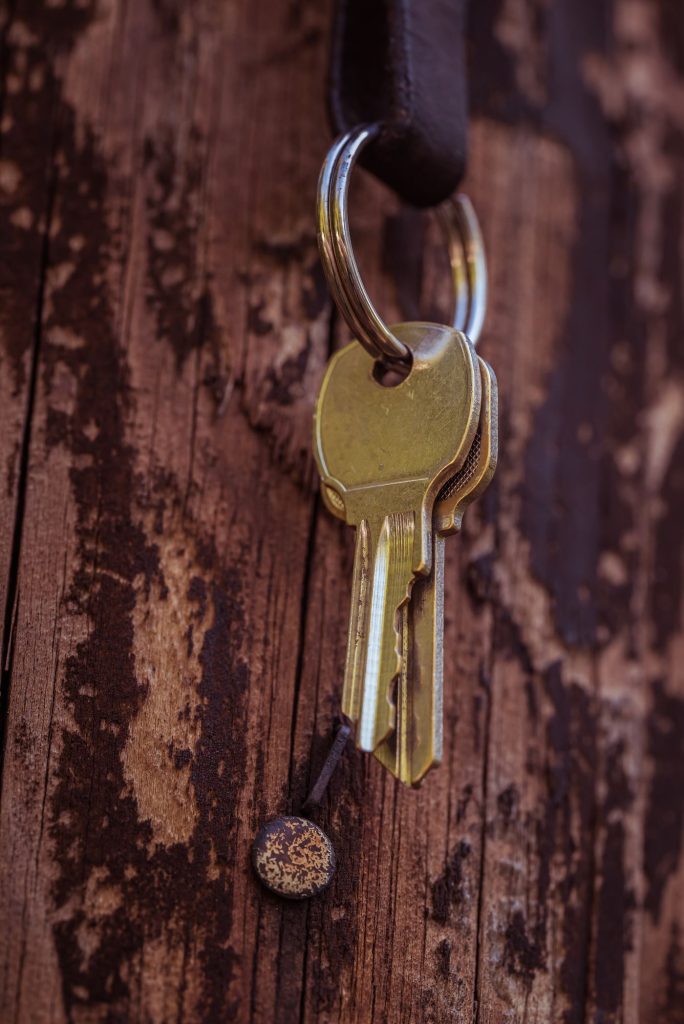
Confirm what a spare key belongs to, record its permitted purpose, and keep uncertain keys out of the ready-to-use collection.

Give each record a reliable return path so original sleeves, multi-disc sets, and similar album editions stay together.
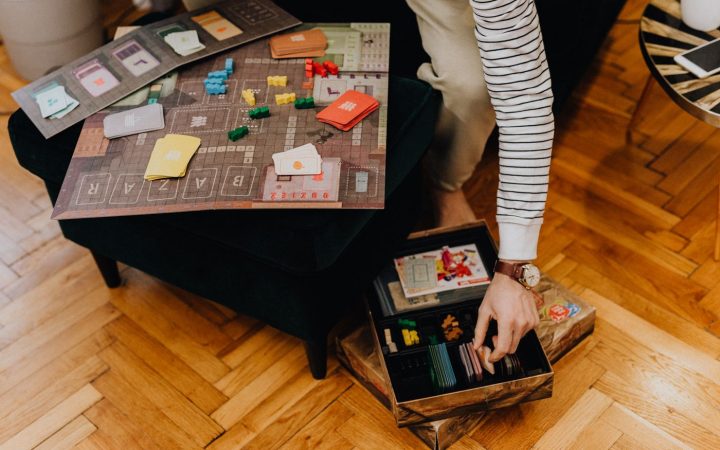
Separate required and optional modules, preserve compatibility information, and leave a clear route back to the base game.
A simple rhythm
Use short, repeatable passes. The goal is less friction and a setup that is easier to maintain.
Start with the spot, category, or routine that creates the most daily frustration.
Remove duplicates, expired items, and anything that no longer earns its space.
Keep what remains where it is easiest to use, return, and find again.
Use one small repeatable reset so the space stays useful after the first tidy-up.

Match ownership, size, condition, and removable liners before assigning ready gloves a small entryway destination.
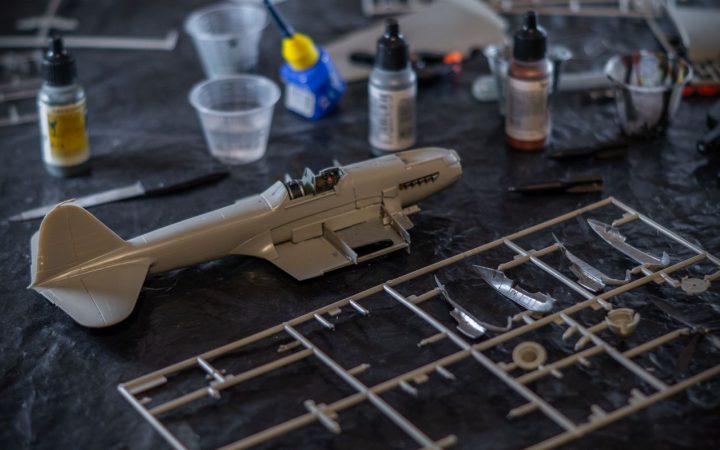
Keep each model kit’s instructions, part codes, frames, and paused work together without mixing projects.
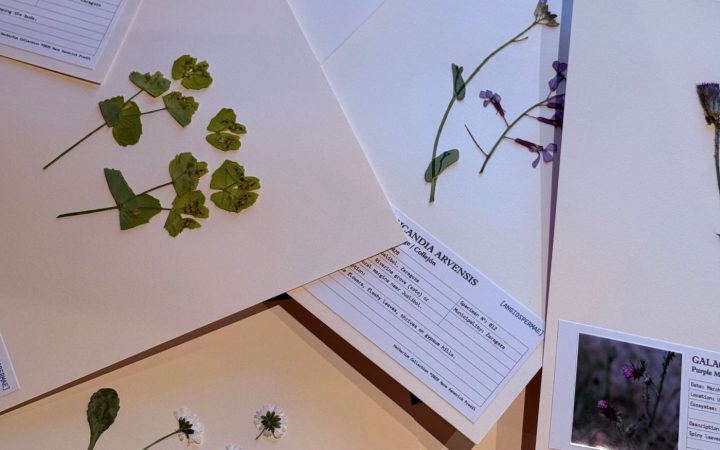
Keep already dried botanical pieces connected with their actual dates, locations, photographs, and intended uses in one modest home-office collection.
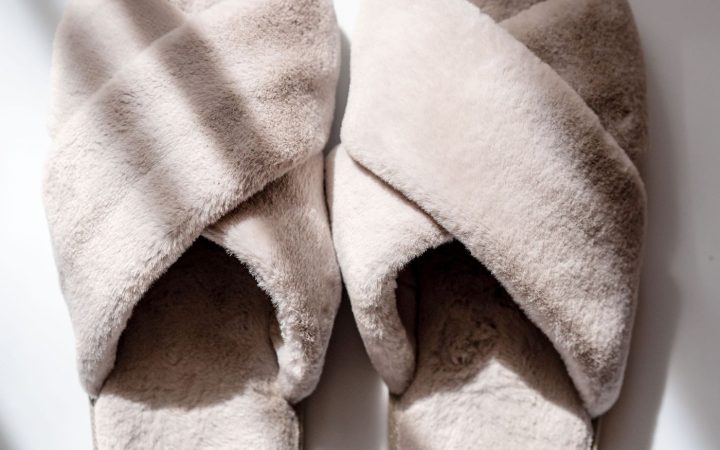
Keep optional guest slippers paired, identifiable by usable size, and separate from items awaiting care, using only the entryway space you can spare.

Keep stamp sets complete, pads correctly identified, and unfinished paper projects separate without mixing compatibility, color, and care decisions.
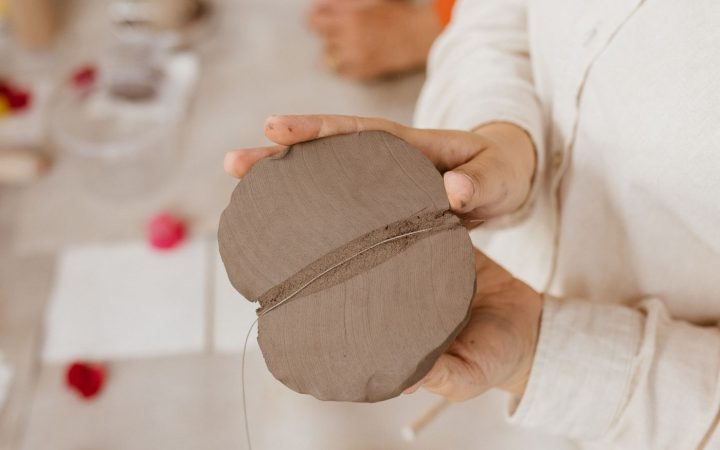
Keep unused clay, work in progress, drying pieces, and finished decorations identifiable without giving up the whole small room.

Distinguish editions and instrument parts, retain complete page sequences, and build an active practice selection without losing borrowed or licensed music.
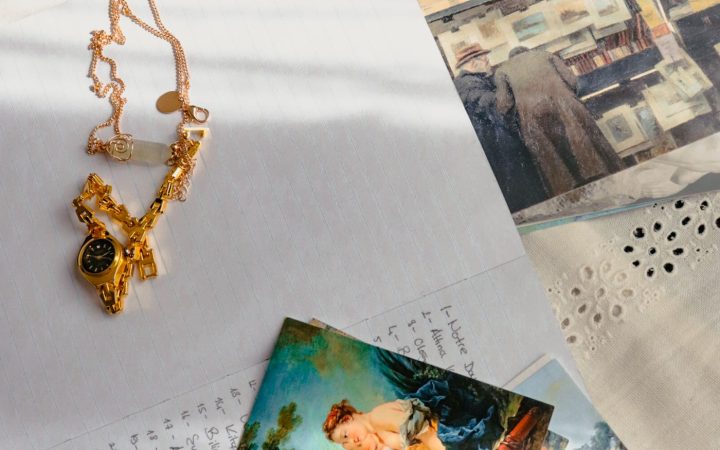
Separate sent cards from blank souvenirs, record useful context without writing on originals, and make a small collection easy to retrieve or rotate for display.
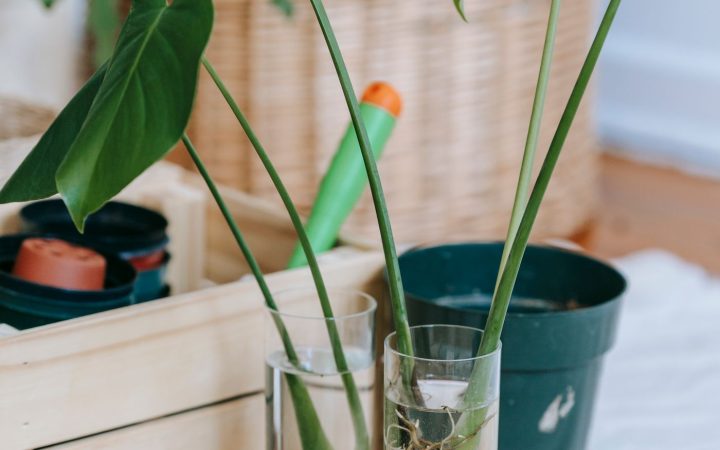
Keep each cutting linked to a known plant identity, start date, care reference, and plain observations so several small propagation projects remain understandable.
A useful note for your week
Simple tips, new articles, and inspiration delivered to your inbox each week.
Practical guidance
An organizing routine is a short sequence that restores a space after it has been used. It might handle incoming papers, put away clean laundry, or return shared supplies to a shelf. In a busy family home, a repeatable routine often matters more than a one-time tidy-up.
Choose a clear trigger, such as finishing dinner or preparing for tomorrow, and define what the reset includes. Keep it small enough for the available time. If one person must remember every item, simplify the setup or give other household members a visible role.