
Small Rooms
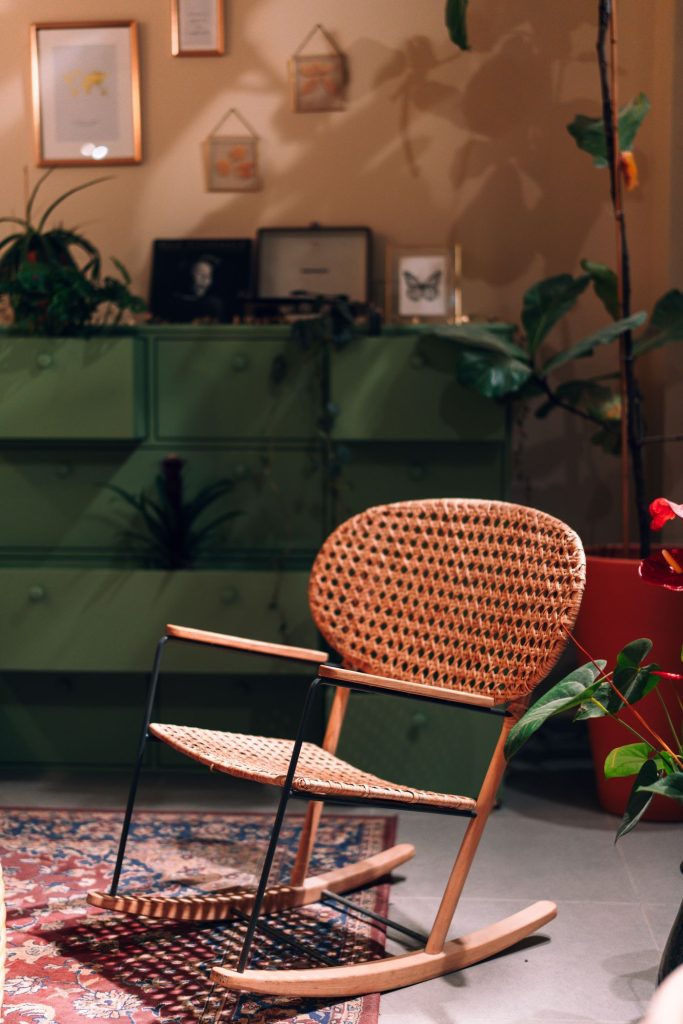
Fit a Rocking Chair Around Its Moving Runners in a Small Room
Assess the chair through its intended movement, approach, and exit before deciding that a stationary footprint fits the room.

Practical ideas for small family homes
Layout and storage guidance for compact bedrooms, living rooms, kitchens, and other small rooms.
Start here
Three practical starting points to help you make progress without overhauling the whole house at once.
Assess the chair through its intended movement, approach, and exit before deciding that a stationary footprint fits the room.
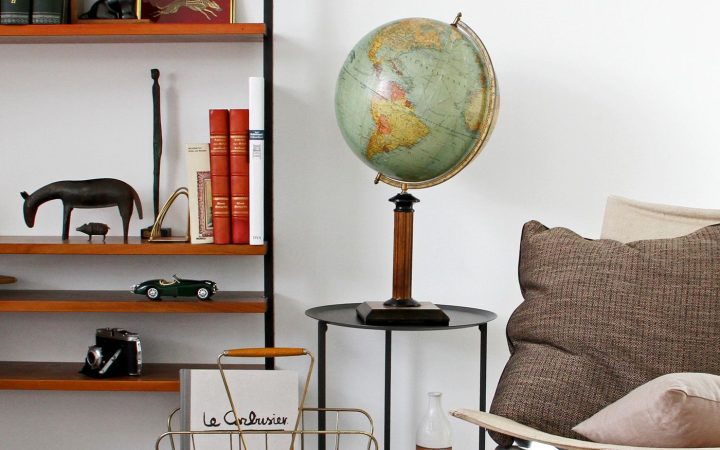
Check the globe’s complete moving outline and reading position before giving it space on a small-room surface.
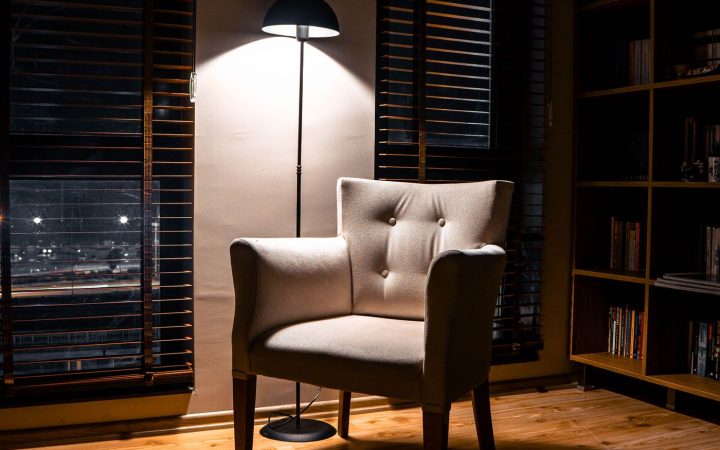
Assess the complete floor lamp and occupied chair together, including the approach route, base, shade, controls, and power access.
A simple rhythm
In a small home, every choice needs to earn its footprint. Prioritize flexibility and everyday ease.
Start with the width, depth, circulation path, or storage limit that actually matters.
Keep the most-used activities easy before adding more furniture or storage.
Favor vertical storage, movable pieces, and layouts that can do more than one job.
Keep only what supports the room so visual and physical clutter do not take over.
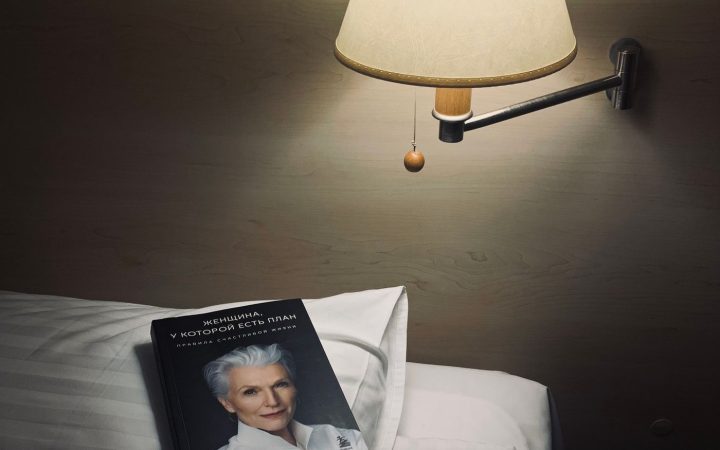
Evaluate the page, shade, controls, bed movement, and shared sleeping routine before choosing a fixture position.

Check the real board footprint, occupied chairs, and places for captured pieces before choosing a small chess table.

Check the fabric, complete pattern layout, supported surface, reach, and stopping point before committing a small room to a cutting session.
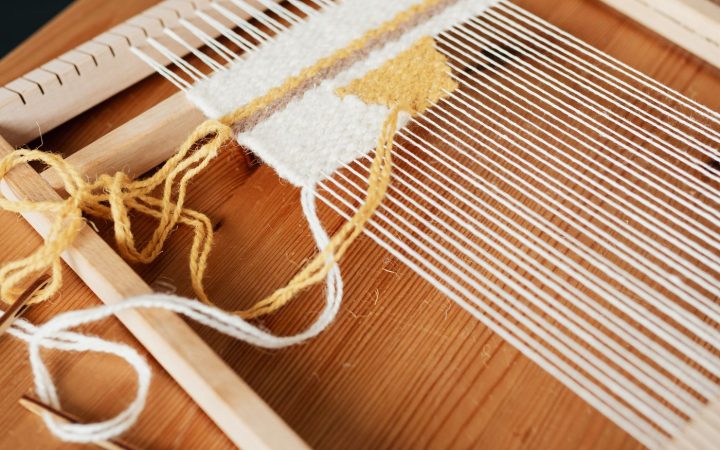
Match the actual loom, thread access, seating, pause condition, and storage route to the surface available in a small room.
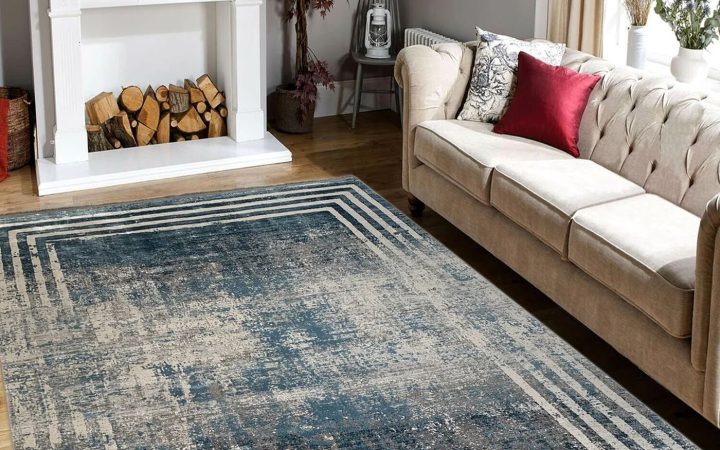
Compare scale, density, shared details, and quiet areas before adding another print to a small living room.
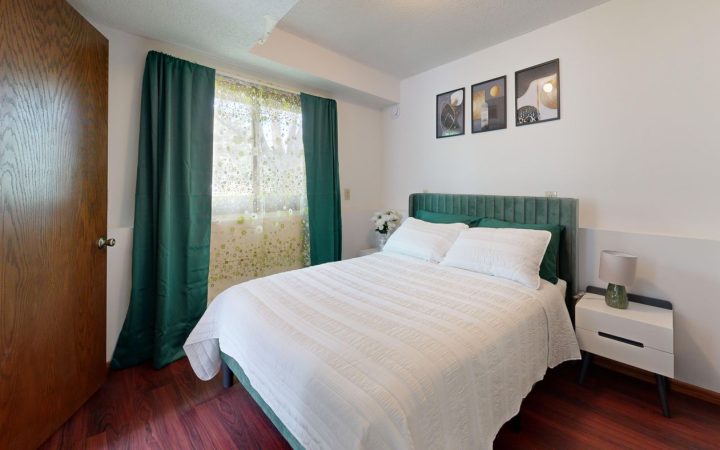
Read the room’s fixed finishes and existing textiles, test one movable accent under ordinary light, and judge the palette without replacing useful furniture.
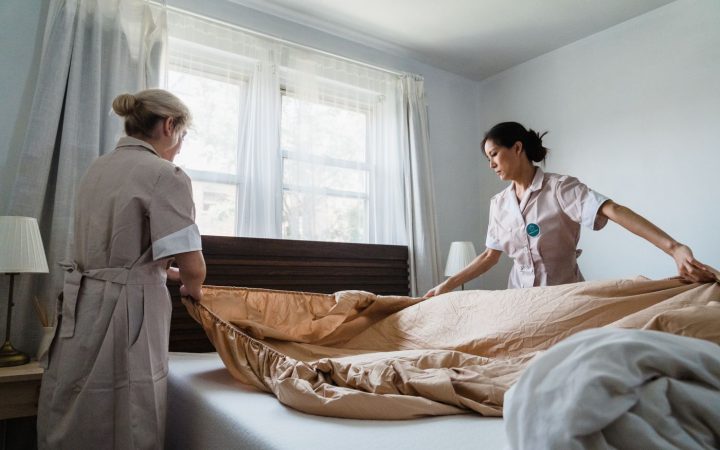
Use the mattress as the working surface, stage clean and used bedding separately, and manage the far corners of a duvet without requiring a large empty floor.
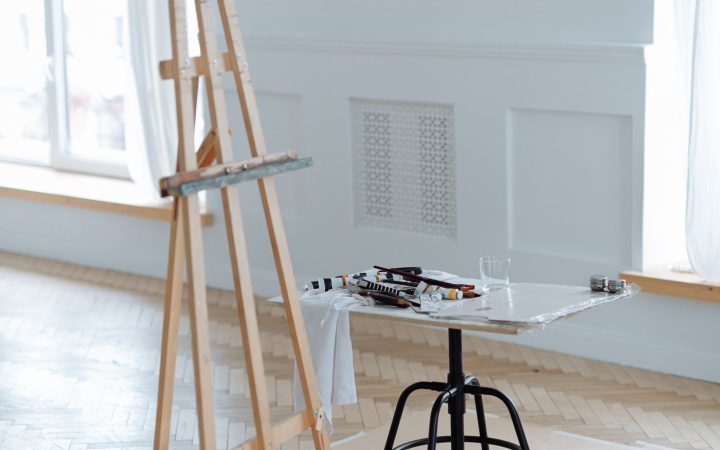
Plan the opened easel, painter, tools, wet artwork, and pack-away position as one temporary setup before giving a small room over to painting.
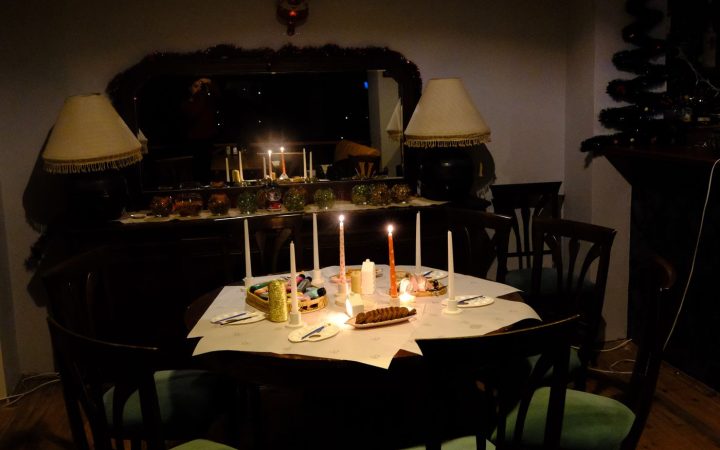
Bring an intimate restaurant atmosphere home through seating, lighting, personal tableware, and a separate serving plan that still works in a compact dining room.
A useful note for your week
Simple tips, new articles, and inspiration delivered to your inbox each week.
Practical guidance
A small room can feel crowded when furniture, stored belongings, and daily movement compete for the same area. The most useful improvement starts with the room’s purpose. These guides explore ways to protect usable space and choose arrangements that make compact rooms easier to live in.
List the furniture and equipment required for the room’s main use, then check clearances and access. Removing one poorly placed piece may improve function more than adding several organizers. Use wall and under-furniture space only where access, care, and mounting requirements make sense.