An intimate restaurant table often feels special because the seating, light, and meal have been considered together. You can borrow that approach for a small dining room without buying a bar cart, adding a large centerpiece, or giving every guest several decorative layers to work around.
Houzz’s fall 2026 report emphasizes personal, layered rooms. The supper-club approach here is our editorial application of that direction, rather than a separate quantified October search trend. The task is to create a comfortable, deliberate meal in a compact room. Its success depends on guests being able to sit, eat, talk, and leave the table easily.
Design the actual meal before the table photograph
Choose how food will be served: individually plated, passed around, or collected from another surface. That decision determines how much of the center must remain open. A family-style meal needs room for shared dishes; individually plated courses may allow a small decoration to remain. Decide the service before choosing the centerpiece.
Start with the dishes, glasses, and utensils the meal actually requires. Extra glasses and chargers can create a formal appearance while reducing useful space. Remove anything with no intended role. The table will still feel considered when the remaining pieces are clean, arranged clearly, and chosen with the meal in mind.
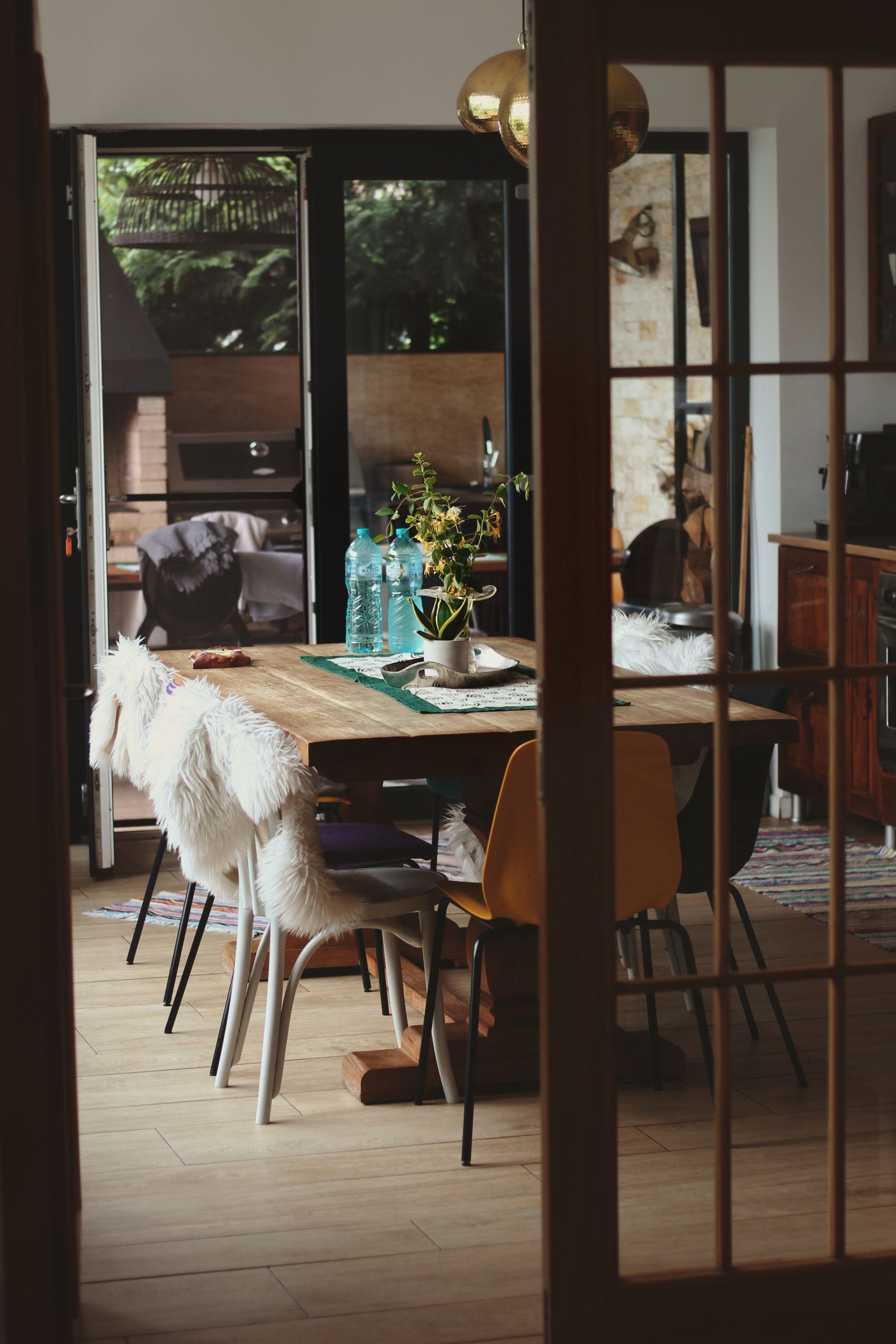
If the table also serves as a desk or homework station, plan the clearing point before guests arrive. Put work material in its existing home instead of pushing it into an unnamed pile nearby. Our small dining-area guide covers the everyday uses; the hosting arrangement should be able to return to those uses without a new storage problem.
Test every seat with the table set
Put the chairs in place and try sitting down, getting up, and reaching the usual dishes. A chair that fits when tucked in may still be awkward once somebody occupies it. Likewise, a display that looks modest on an empty table can occupy the space a guest needs for their hands or glass.
Avoid placing the guest with the least room behind a difficult chair simply because the table looks symmetrical. Consider who needs easier access and whether somebody will frequently stand to serve. If the room cannot comfortably accommodate the planned number, change the gathering format or guest count rather than disguising the constraint with attractive tableware.
Our dining-area measurement guide provides the underlying room-fit task. For this meal, use the actual furniture rather than assuming a generic clearance measurement guarantees comfort. Test the arrangement with the door, cupboard, and serving route that will be used that evening.
Use a serving position outside the center
An existing counter, sideboard, or stable nearby surface may hold the dishes waiting for the next course. The purpose is to keep the dining table useful, not to create another elaborate decorated station. Reserve a clear place for the food and a separate safe route for carrying it.
Choose food that suits the available serving arrangement. A meal requiring several large shared bowls may be less convenient than one served in smaller stages. The preparation plan and the room plan should support each other. This is a household hosting decision, not a claim that one service style is inherently more sophisticated.
Do not balance hot dishes on decorative stands or improvised supports that are not intended for the job. Use suitable stable serving equipment and follow its directions. A table mood should not depend on obscuring the distinction between a decoration and something that supports food or heat.
Set the light for conversation and visibility
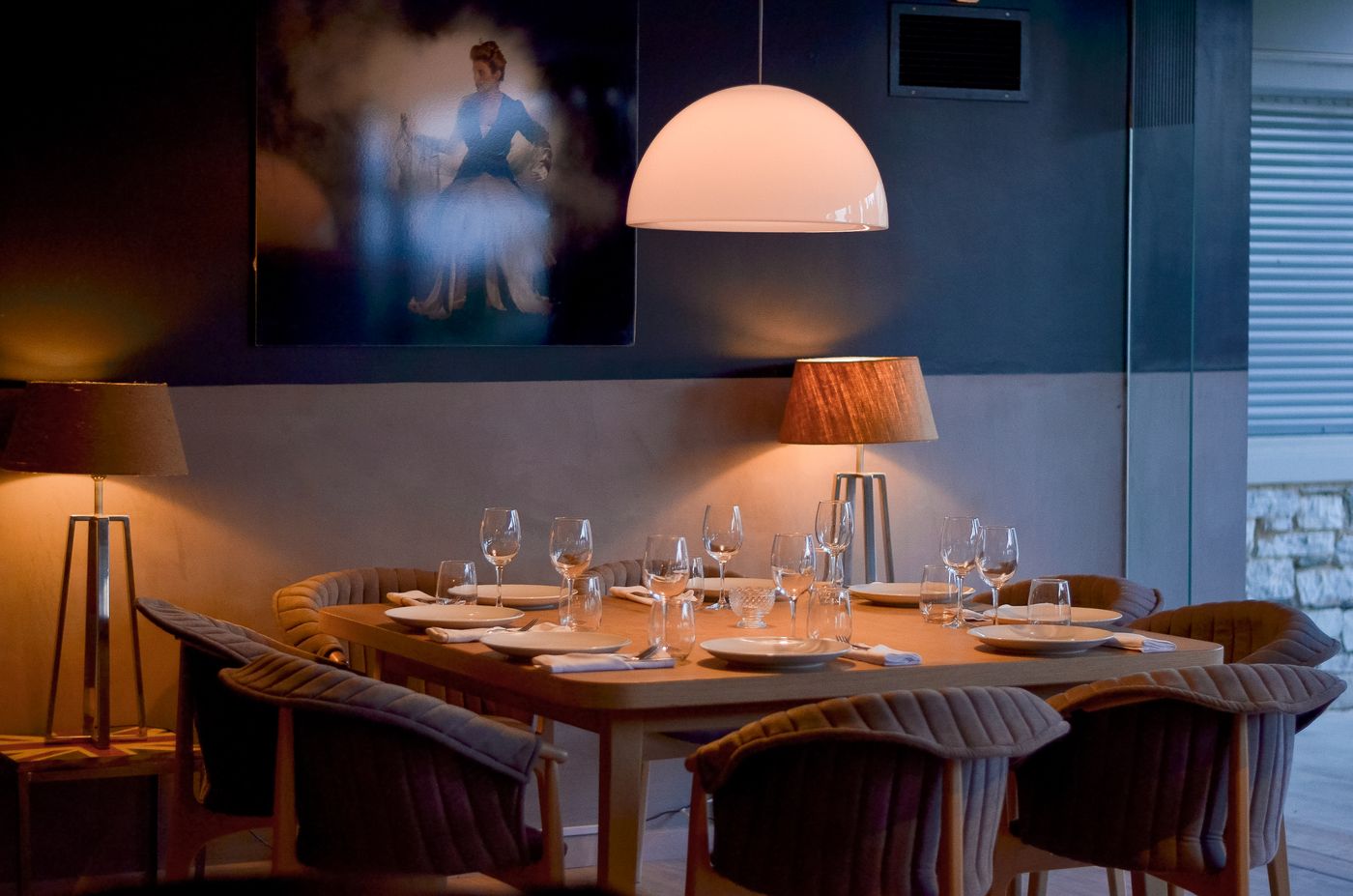
Try the usual lighting after dark before the gathering. Guests need to see the food, identify glasses, and move through the room. A lower-lit mood can be pleasant if it remains usable; a room that is difficult to navigate is simply inconvenient, regardless of how atmospheric its photograph looks.
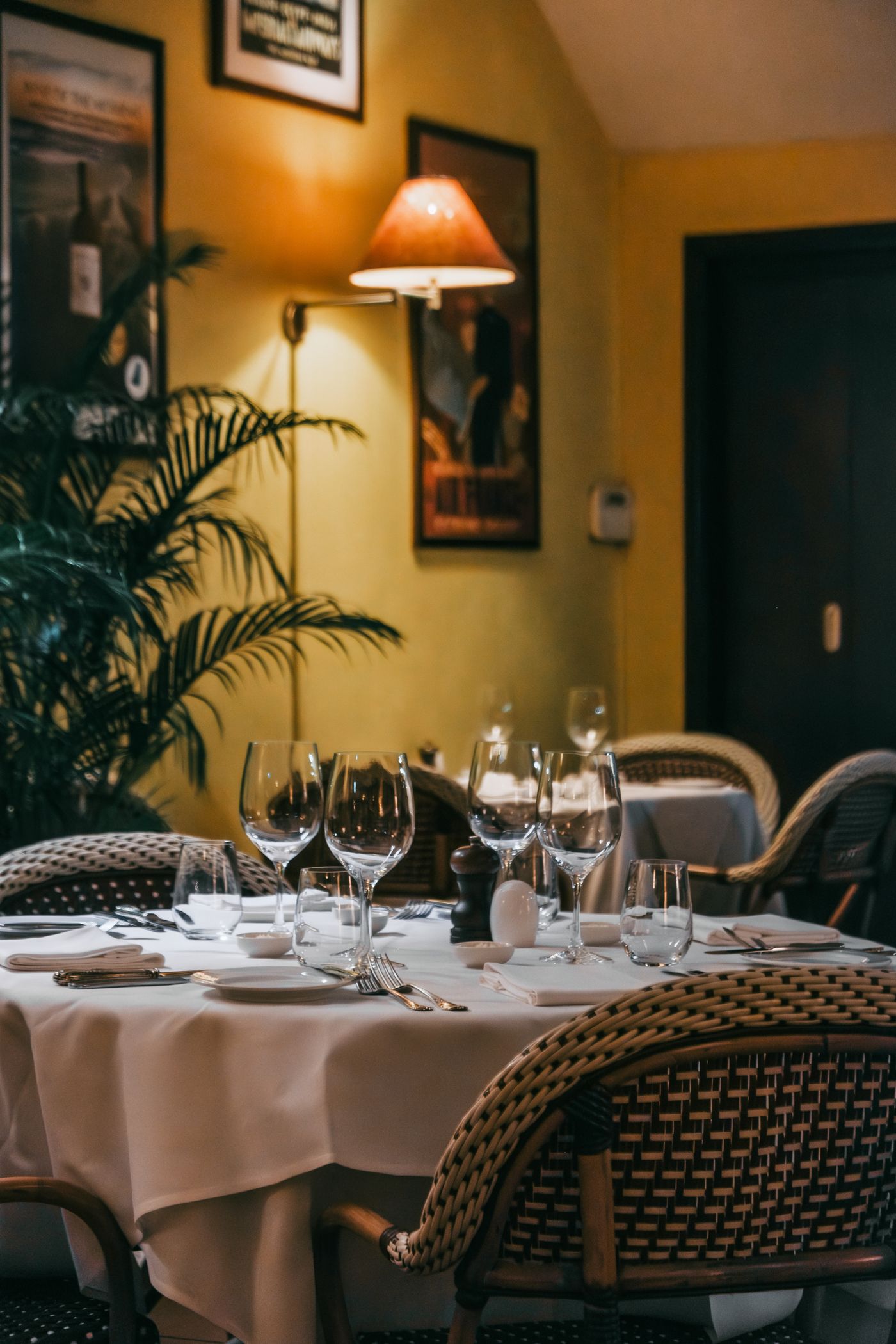
Work with existing overhead and table lighting where possible. If a lamp has to move, check its placement, control access, and power route. Keep it clear of food and serving movement. Avoid laying a cord across the route between kitchen and table or hiding a switch where adjusting the light requires reaching through the setting.
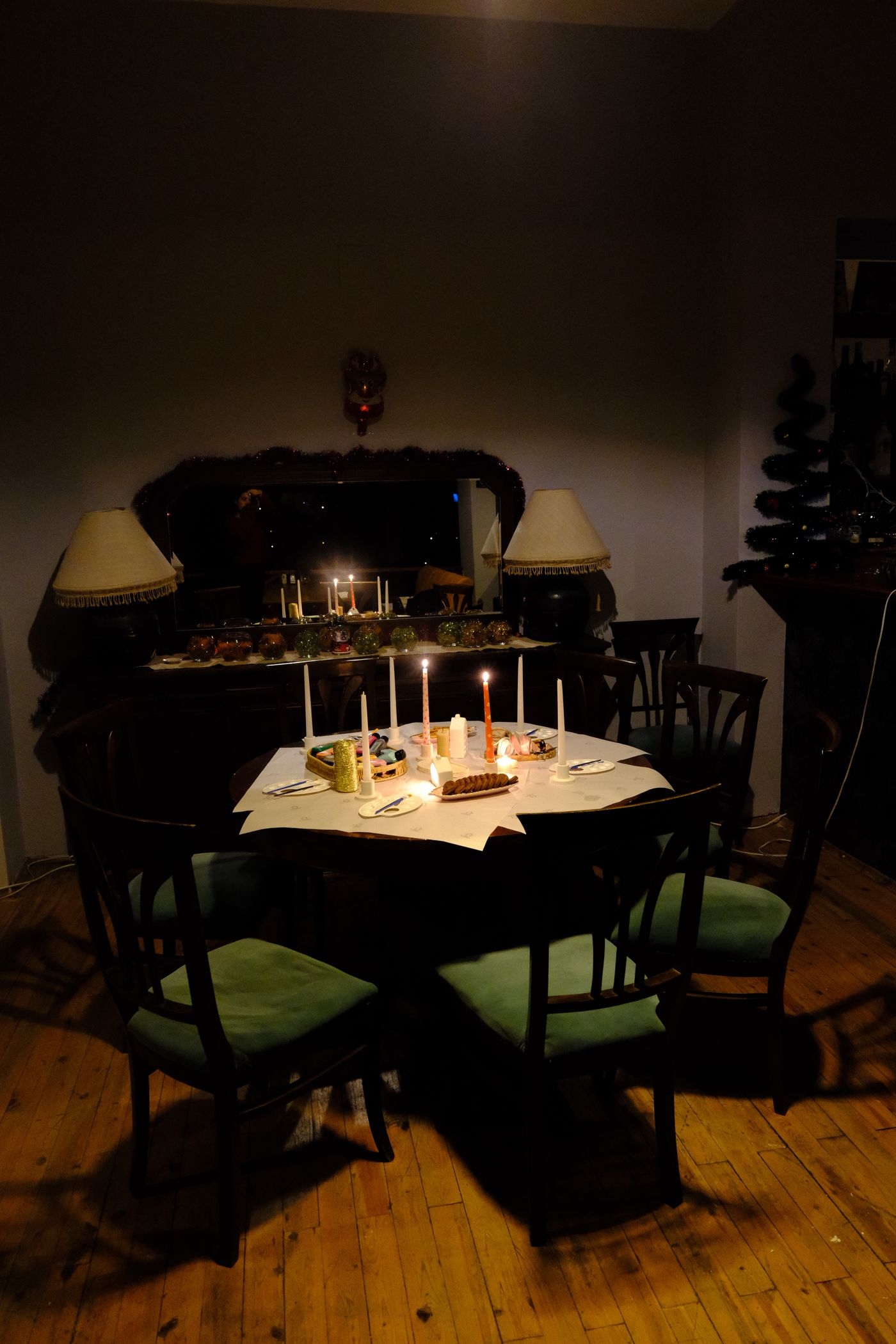
An appropriately used flameless accent can provide a small glow without an open flame at a crowded table. It still needs a stable position and usable controls. If you use real candles, follow their safety and clearance directions and keep combustible decorations away. This guide does not treat a restaurant-style candle scene as evidence that the same arrangement is suitable in every home.
Make mismatched tableware look intentional
Personal tableware can bring a collected feeling to the meal. Begin with pieces you already own and look for one relationship: a repeated color, similar scale, or a shared material. You do not need matching everything, but each guest should still have a practical plate, glass, and utensils suited to the food.
Keep meaningful or delicate pieces in roles they can reasonably handle. An inherited object with uncertain food-use suitability can be displayed nearby rather than used for serving. The fact that something has a story does not establish that it is safe for food or comfortable to wash afterward.
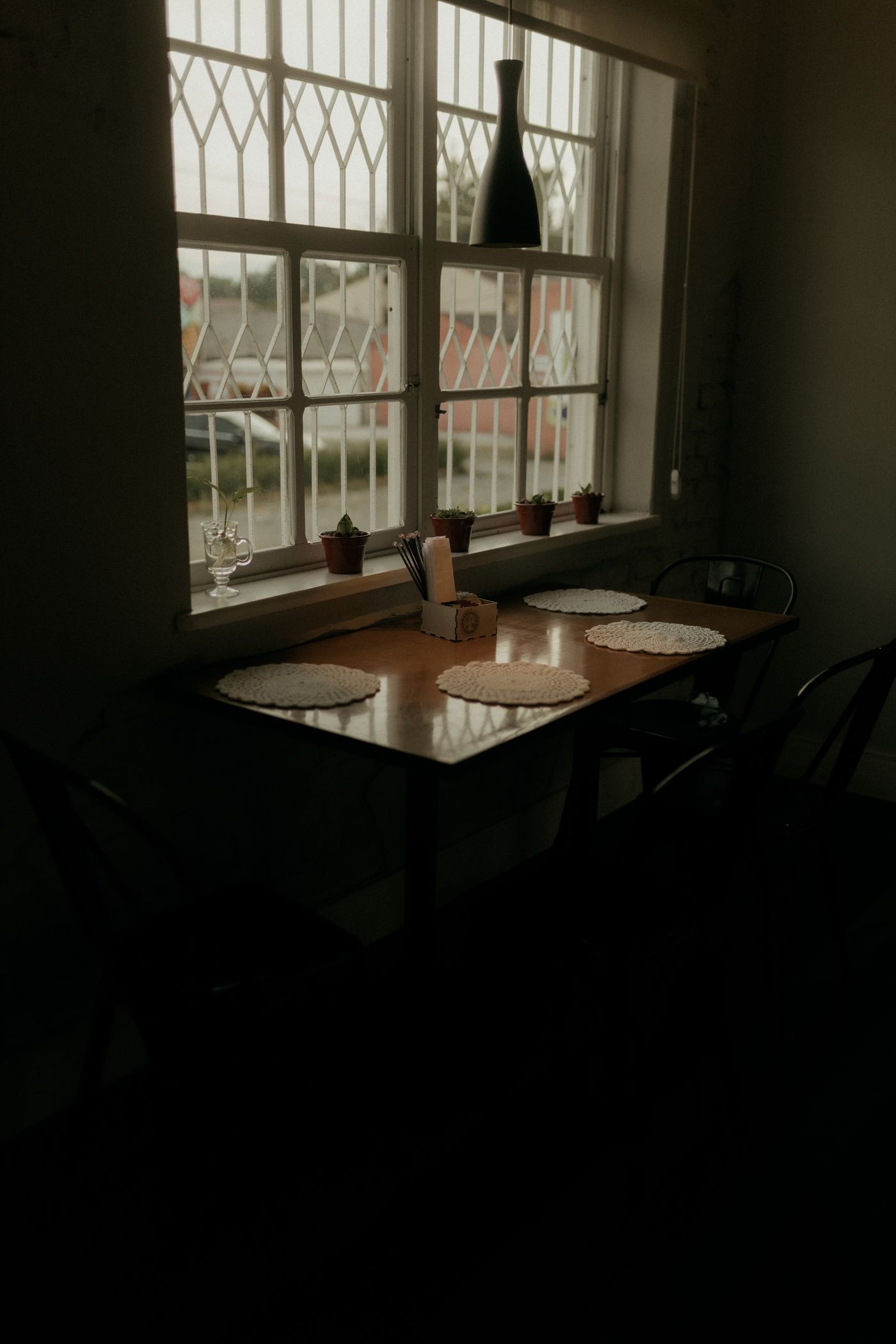
A simple cloth or napkin can connect the settings without a new stack of accessories. Check its care and how it lies at the table. A long loose edge may catch when someone rises, while a thick decorative layer may make a glass less stable. Try the real setting instead of judging the textile only while it is folded.
Keep the centerpiece easy to remove
Choose a low, bounded accent if the service plan leaves room for one. Test sight lines from seated positions. If people have to lean around the arrangement to speak, make it smaller or move it elsewhere. You are creating a conversation setting, so visibility between guests is part of the design.
Place the accent so you can lift it out as a single manageable group when the meal needs more space. Do not scatter numerous small objects among the plates simply because the center is narrow. Their individual footprints may be small, but clearing each one can complicate every course change.
If there is no suitable remaining position, let the tableware and lighting carry the mood. An open center is a deliberate choice when it supports the meal. The room does not need a focal object on every surface to feel special.
Give arrival and cleanup their own places
Provide a clear location for guests’ bags and coats that does not occupy an eating chair. Use a position the household already considers suitable. A beautiful table with no spare place for personal items can force guests to hold bags while they eat or set them in the serving route.
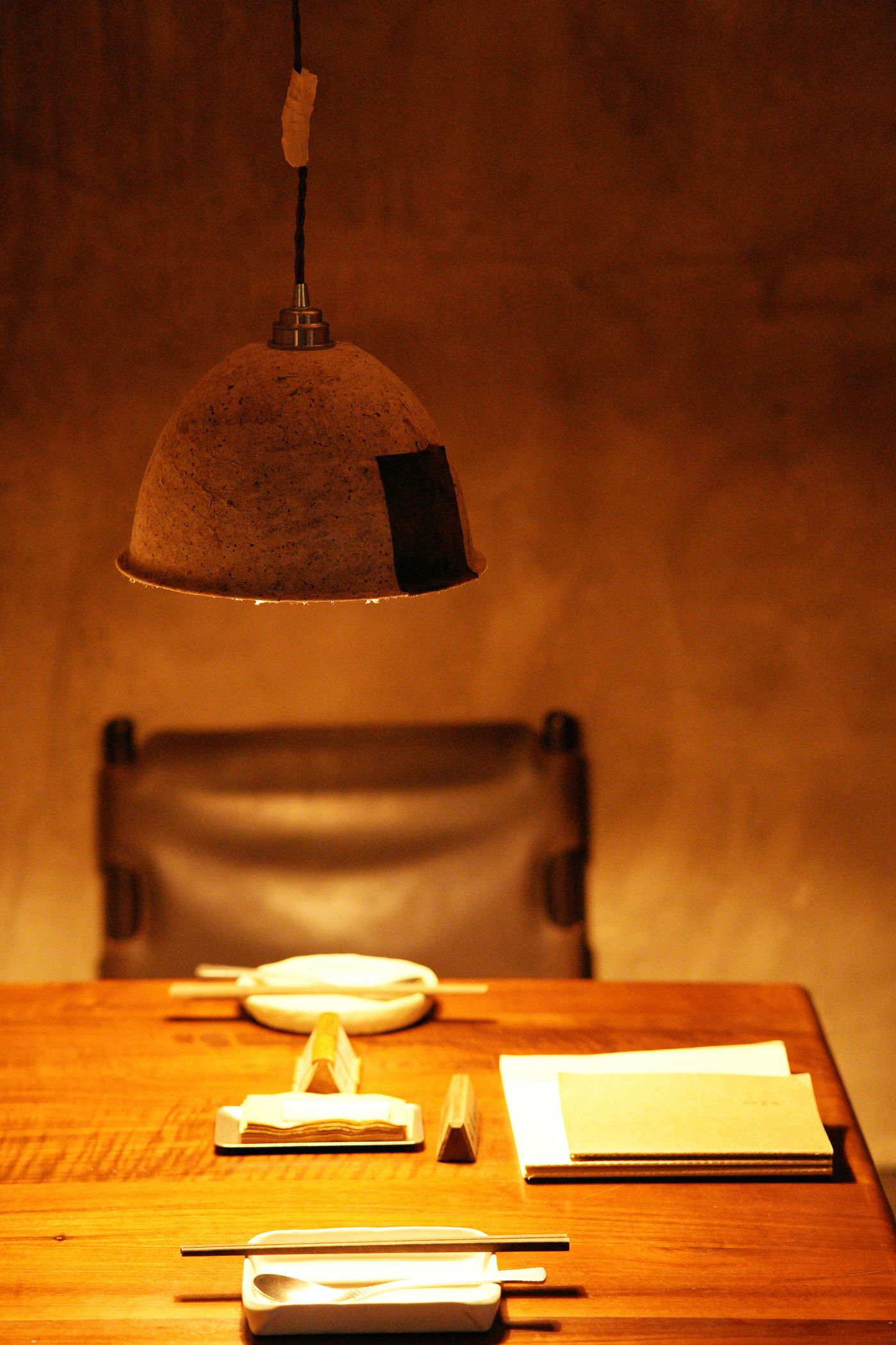
Plan where used dishes will go between courses. A temporary collection position in the kitchen may prevent stacks forming beside the table, but it needs enough space for the actual dishes. Keep dirty and ready-to-serve items distinct. The dining room remains calmer when the handoff is planned rather than negotiated in the middle of conversation.
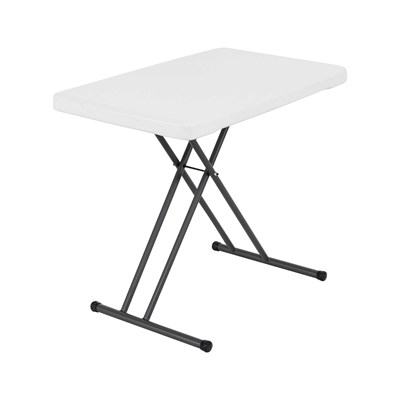
Our folding-table and extra-chair storage guide can help if additional seating is already part of your household equipment. Do not buy extra furniture merely for this mood. If existing seating works, use it and reserve the post-meal return location before bringing it into the room.
Keep the part that makes hosting repeatable
After the meal, note one useful adjustment: perhaps the light worked well, the shared bowl needed another location, or one chair was awkward. Retain that observation for the next gathering. A repeatable arrangement is more valuable than a one-time table setup that requires a shopping list and an afternoon of reconstruction.
The supper-club feeling comes from a meal given attention at the right scale. Comfortable seats, a clear serving route, meaningful tableware, and usable light can make a small dining room feel inviting. Let those elements lead, and keep the decorative additions small enough that the guests remain the center of the evening.
Explore related household decisions in our Small-Space Living hub.
Sources and editorial scope
Editorial research checked October 14, 2026. Trend-report dates and limitations are stated in the article; these are editorial applications of published signals, not verified October keyword rankings. Practical household guidance; illustrations do not document a tested household or authenticate a pictured material.