Kids’ Clothes & Gear
Check Children’s Clothes Before Shopping Without Emptying Every Drawer
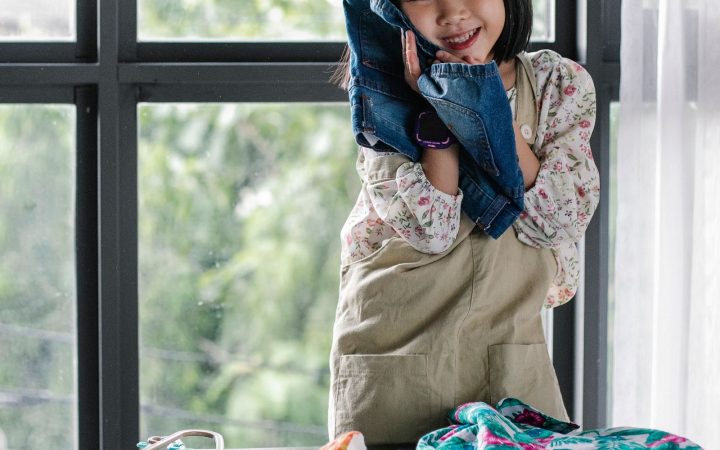
Check one clothing category for an upcoming use, listen to the wearer, separate fit and care questions, and write a precise shopping brief.

Practical ideas for small family homes
Simple systems for children’s clothing, seasonal gear, and frequently used family items.
Start here
Three practical starting points to help you make progress without overhauling the whole house at once.
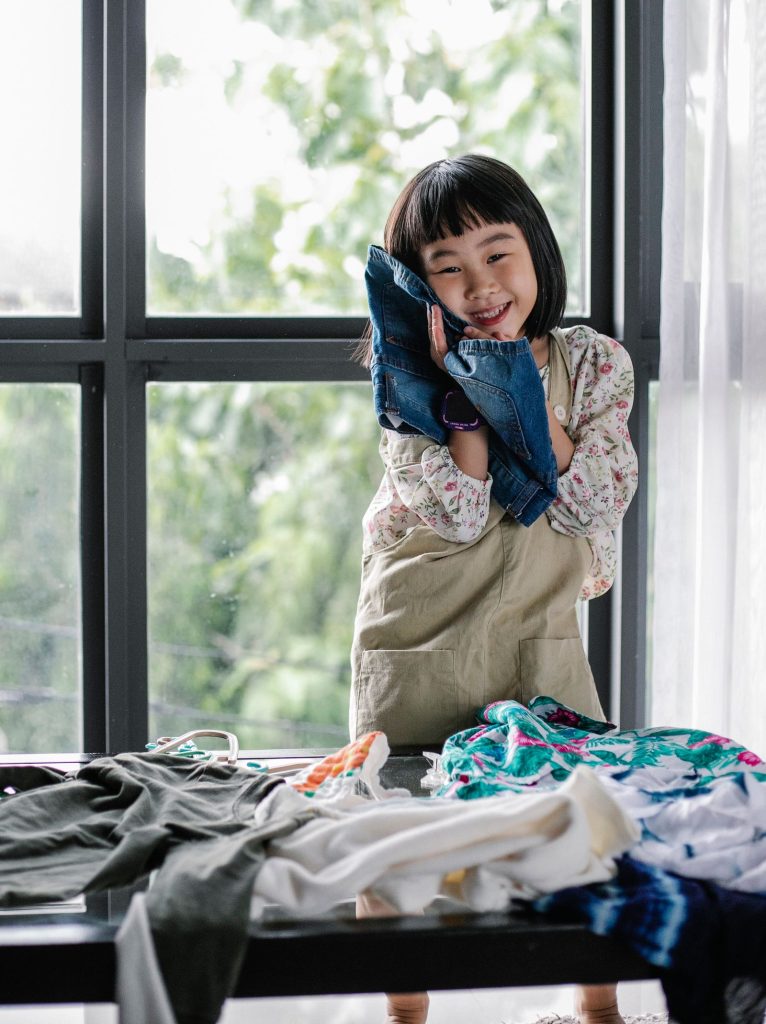
Check one clothing category for an upcoming use, listen to the wearer, separate fit and care questions, and write a precise shopping brief.
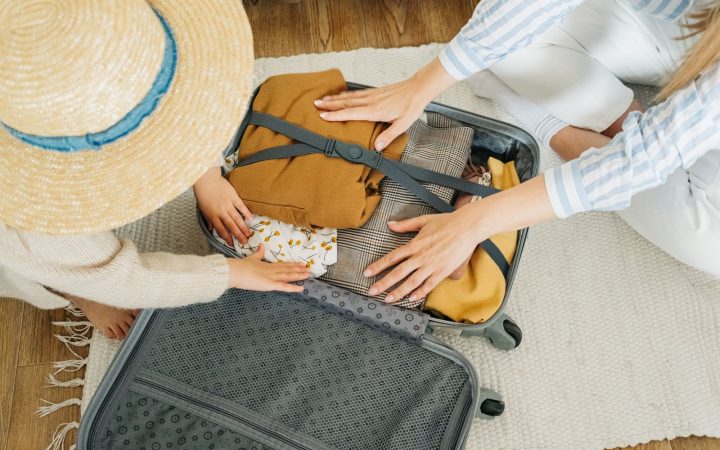
Pack a child’s overnight bag around the actual visit, then create a simple handoff and unpacking routine when it comes home.

A research-based assessment of practical fit, daily use and alternatives for a small home.
A simple rhythm
The best family systems are easy to see, easy to use, and simple enough for more than one person to maintain.
Notice the gear, task, or transition that causes the same mess or delay each day.
Use clear homes, simple labels, and fewer decisions for busy family moments.
Build a system that adults and kids can both understand and use consistently.
Use a short family reset before clutter and unfinished chores start to pile up.
A season-based system for uniforms, balls, helmets, shoes, bags, and practice gear that keeps active equipment easy to grab without turning the entryway into a locker room.
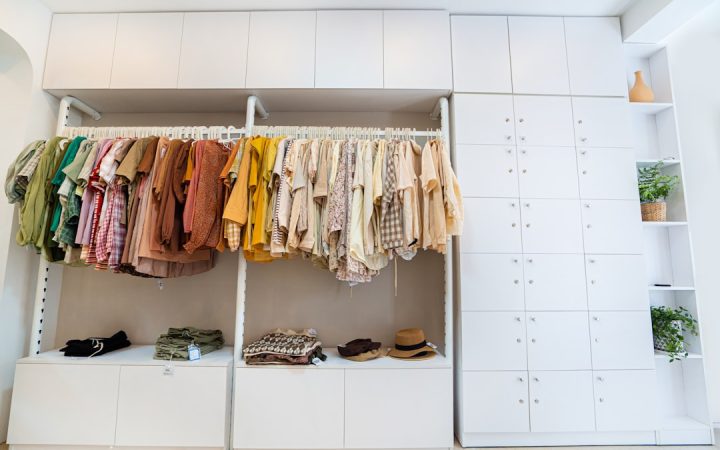
Rotate seasonal clothing without covering the bed in piles by working one category at a time, editing before storage, and keeping transition-weather pieces accessible.
Store bulky wheeled kids’ gear without blocking the entry by separating daily-use items, wet or dirty gear, folding equipment, and off-season pieces into a compact launch system.
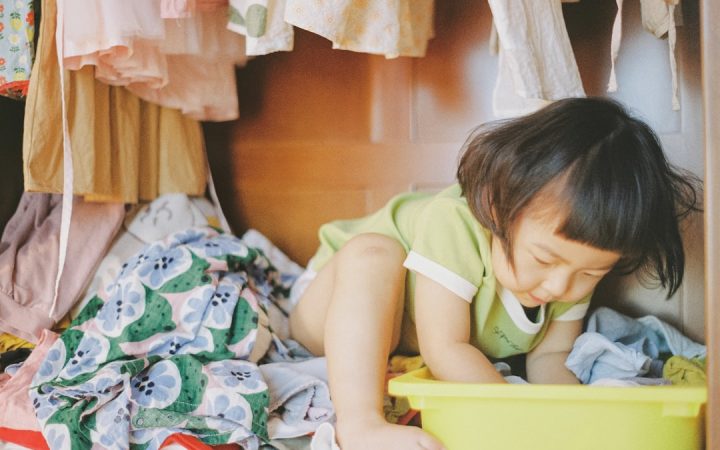
Keep useful hand-me-downs without storing every outgrown item by editing for condition, labeling by size and season, setting container limits, and scheduling a fit check.
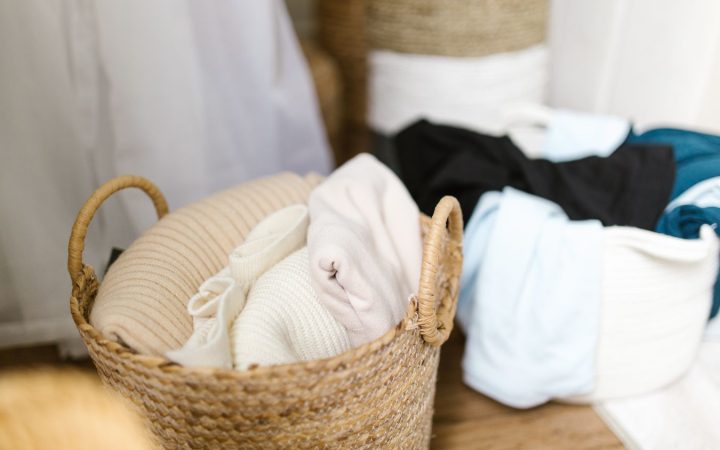
Organize kids’ clothes in a small bedroom with a current-size wardrobe, simple drawer zones, hand-me-down limits, and a weekly reset that children can help maintain.
Store outgrown kids’ clothes and gear with clear keep, hand-down, sell, donate, and sentimental limits so future-use items do not consume everyday family storage.
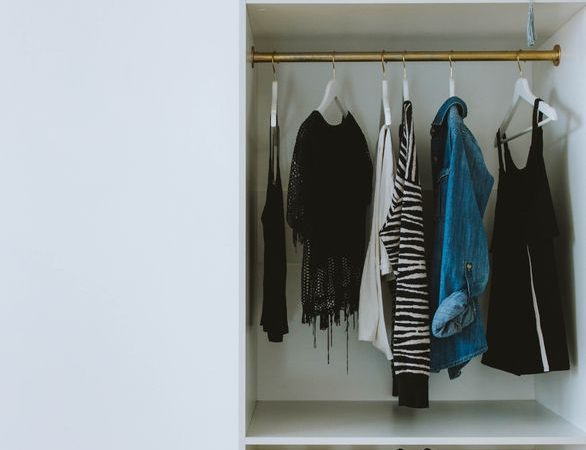
Organize a small kids’ closet around what fits now, what gets worn weekly, and what needs to leave—without turning the closet into long-term family storage.
A useful note for your week
Simple tips, new articles, and inspiration delivered to your inbox each week.
Practical guidance
Children’s clothing and equipment change as sizes, seasons, and activities change. Without a clear system, outgrown items and occasional gear can crowd the storage needed for everyday use. These guides help separate current belongings, laundry, and items waiting for a decision.
Give regular clothing the most accessible space and label stored sizes or seasonal items clearly. Establish a small place for outgrown pieces to leave the active wardrobe. Consider how children can participate in choosing and returning suitable clothing.