A small kids’ closet usually fails for one reason: it is asked to hold too many time periods at once.
Today’s school clothes share space with next-size jackets. Shoes pile under hanging outfits. Sports bags appear on the floor. Hand-me-downs sit on the top shelf. By the time everything technically “fits,” the child cannot actually use the closet. For a related step-by-step approach, see A Toy Rotation System for Small Homes That Parents Can Actually Maintain.
The fix is to organize around current life first, then give future and low-frequency items strict boundaries.
Start with what the child uses this week
Before adding bins, remove anything that does not belong to the current routine: outgrown clothes, off-season extras, special-event outfits, future sizes, and gear for activities that are not active right now. You may also find How to Organize a Tiny Laundry Area With No Cabinets useful for a closely related small-home problem.
Daily storage should mostly contain clothes, shoes, and gear the child can realistically use this week.
Divide the closet into three working levels
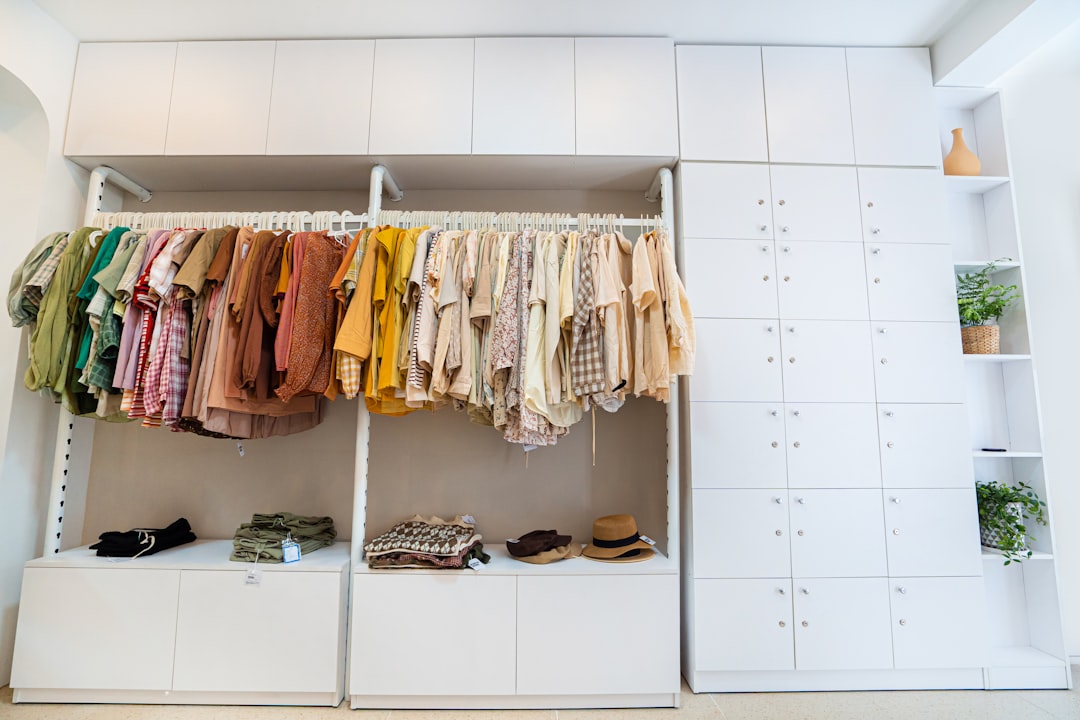
Think of the closet vertically.
- Child-access level: current clothes, everyday shoes, backpack or active gear.
- Adult-access level: backup items, special clothes, less frequent gear.
- Archive level: future sizes or keepsakes—ideally very limited.
This keeps daily decisions low while preserving some flexibility.
Use broad clothing zones
A child does not need a boutique display. They need categories that are obvious enough to maintain.
Good zones might be:
- tops,
- bottoms,
- school uniforms or school clothes,
- pajamas,
- sports/activity clothing,
- outerwear.
If a category requires too many subcategories to stay tidy, simplify it.
Give shoes a footprint, not a pile
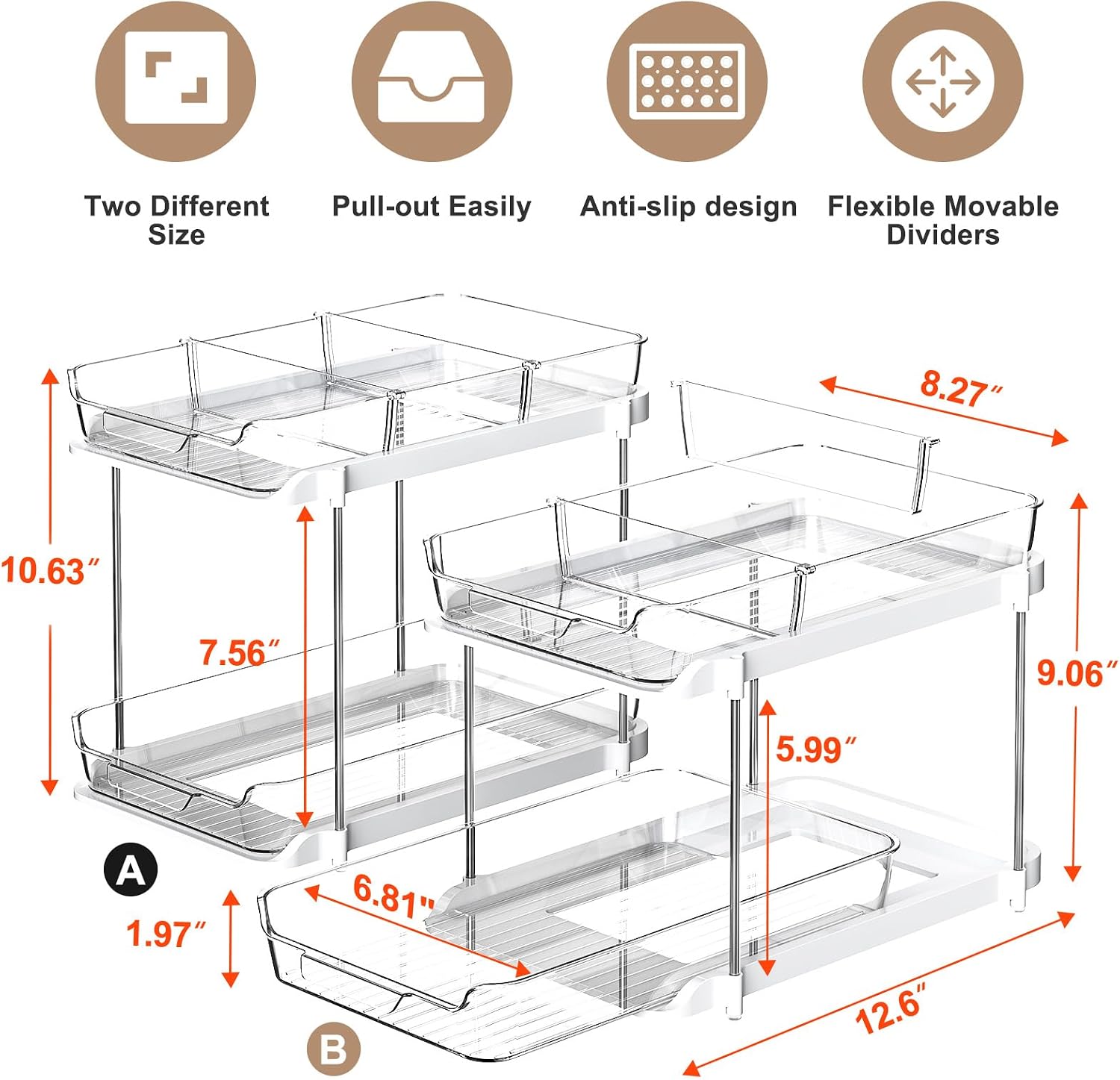
Use one low shelf, narrow tray, or fixed floor section for current shoes. The boundary matters more than the organizer.
When the shoe zone is full, remove pairs that are outgrown, rarely worn, or out of season before expanding it.
Keep active gear visible enough to remember
Sports bags, dance shoes, helmets, or activity equipment disappear easily when buried behind clothes. Give active gear one hook, basket, or side zone.
Inactive gear should move out of the daily closet until its season returns.
Do not let hand-me-downs live in the daily closet
If you are keeping future sizes, use one labeled container outside the prime zone. A closet works better when every hanger is not competing with clothes that cannot be worn yet. For the broader setup, How to Store Extra Bedding in a Small Home With No Linen Closet is a useful next read.
See How to Store Outgrown Kids’ Clothes and Gear Without Taking Over the House.
Use the top shelf intentionally
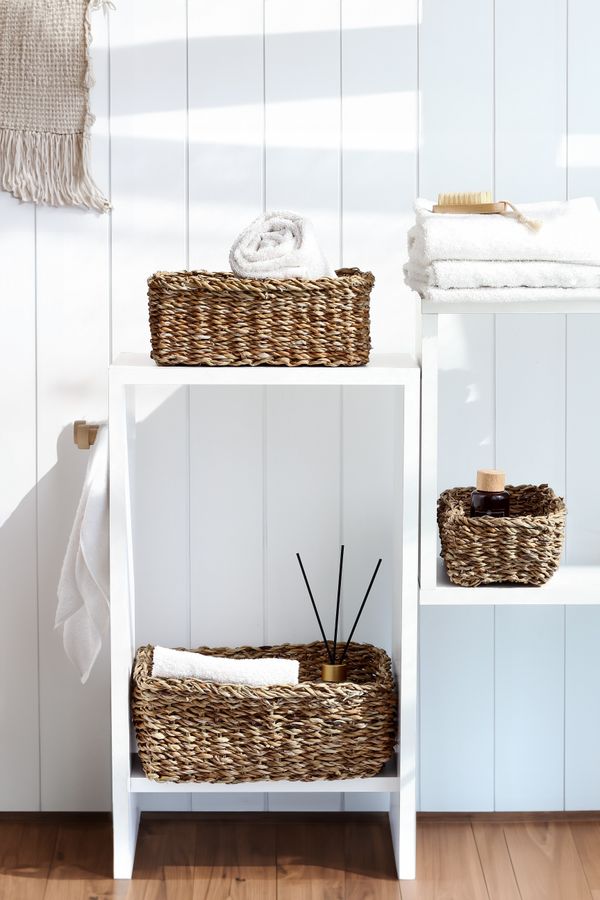
The top shelf is ideal for low-frequency categories, but it often becomes a miscellaneous shelf. Give it only one or two jobs: seasonal clothing, one future-size bin, or keepsakes.
Label containers so you do not have to open every box later.
Make the hamper part of the closet plan
If dirty clothes usually land near the closet, the hamper should be easy to reach from there. The shortest path often wins.
For the larger clothing loop, use How to Organize Kids’ Clothes in a Small Bedroom Without Overstuffing Drawers.
Build a five-minute weekly closet reset
- return loose hangers,
- put current shoes back into their footprint,
- remove anything too small,
- return activity gear,
- move one low-use item out of prime space if the closet feels crowded.
Teach one reset, not the whole system
Children do not need to understand every storage decision. Give them one or two repeatable jobs: shoes go here, backpack hangs here, clothes for rewear go here.
Adults can manage seasonal rotation and future-size storage separately.
Frequently asked questions
Should kids’ clothes be hung or folded?
Use whichever method makes the category easiest to see and return. Many families hang school or special outfits and fold simple basics.
Where should sports gear go?
Keep active-season gear in one visible zone. Move inactive gear to low-frequency storage.
What should I put on the top shelf?
Only categories that are genuinely low-frequency and clearly labeled.
Let the closet reflect the child’s life now
A small kids’ closet becomes easier when current clothes, shoes, and gear get the easiest access—and everything else has to justify taking space away from them. If you are working on the same space, How to Organize a Shared Kids’ Bedroom in a Small Home covers the next decision in more detail.