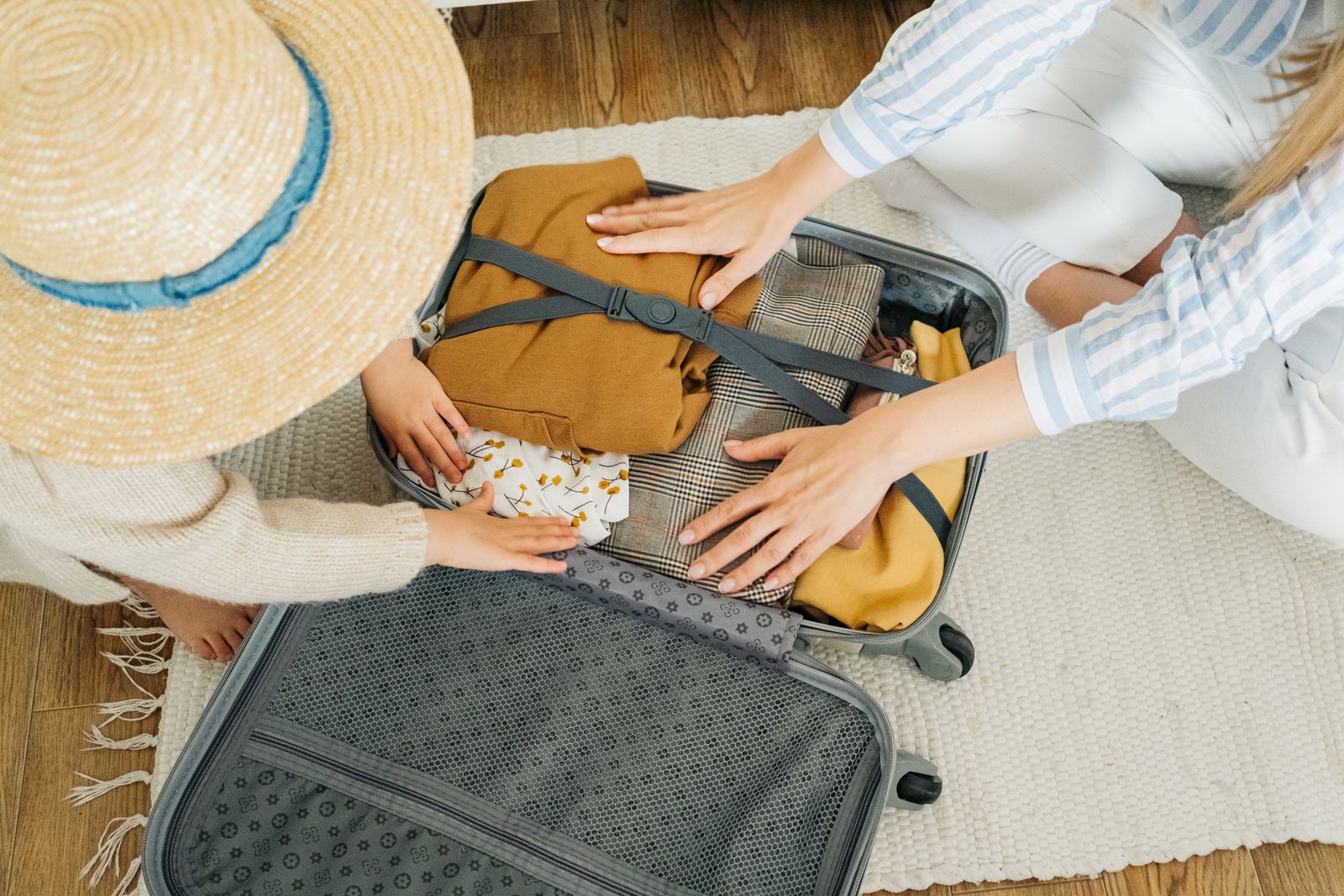
A child’s overnight bag often gets packed twice: once while looking for clothes, and again when someone realizes the pajamas or toothbrush are missing. Then it comes home with clean clothes, worn clothes, a damp washcloth, and a borrowed item mixed together. A small packing routine can make the departure and return easier without turning one night away into a complicated travel system.
Start with the visit itself. A night with grandparents, a sleepover with a friend, and a supervised group trip have different instructions. Confirm the host’s or organizer’s requirements first. This guide gives everyday belongings a clear order and a return destination. It does not replace trip rules, care arrangements, or direct conversations between responsible adults.
Use the actual plan to make a short list
Write down departure, return, sleeping arrangements, and planned activities. Ask what the host already provides, such as bedding or towels. Check whether there is an outing, a particular dress requirement, or an activity needing separate shoes. Pack from that confirmed plan instead of adding every item that might conceivably be useful. You may also find How to Organize a Small Kids’ Closet That Has to Hold Clothes, Shoes, and Gear useful for a closely related small-home problem.
Divide the list into arrival, bedtime, morning, and return. Those moments are easier for a child to understand than a long category list. For example, bedtime might include pajamas and a familiar permitted comfort item; morning might include one outfit and underwear. Keep any personal care or medical requirements in the instructions agreed by the responsible adults. Do not leave important care information to a child remembering it at the door.
If the visit involves prescribed medicine, allergies, or specific care, arrange the handoff directly with the appropriate adult and follow the relevant professional and organizer instructions. Do not use a general packing pouch as the safety system. A belongings checklist and a care agreement serve different purposes, even when both need to be ready before departure.
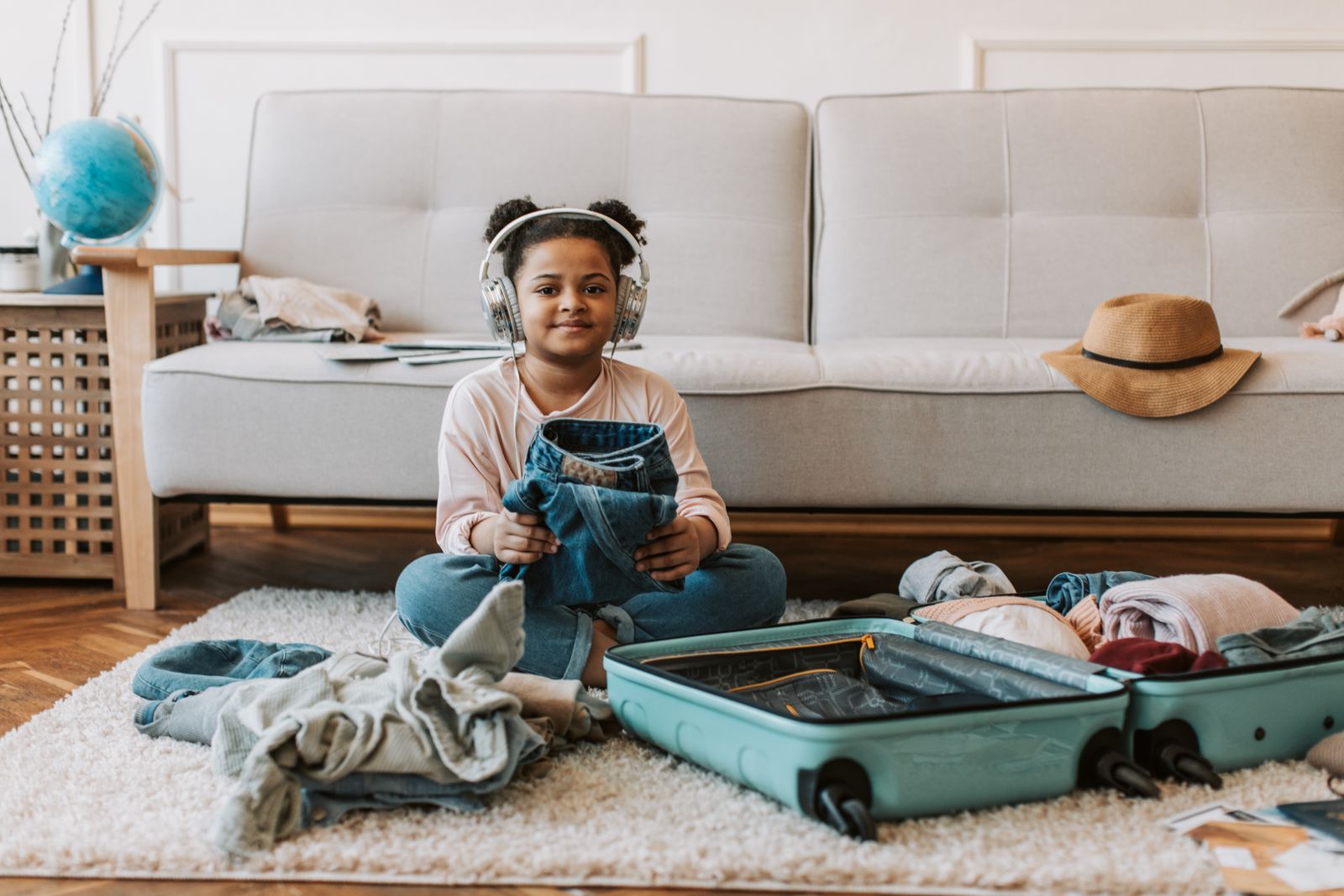
Start with clothing the child can already find. Our guide to organizing kids’ clothes in small drawers helps make the home drawer a clear departure point without creating a second wardrobe inside the overnight bag.
Choose a bag the child can open and carry
Use an existing bag if it suits the amount being packed. Test the zip, handles, and any compartments with the child. A large suitcase can feel orderly when open on a bed but awkward to manage at the host’s house. A small backpack can become too crowded if each item lives inside its own bulky organizer. Choose the bag after laying out the real contents.
Pack it, close it, and let the child try carrying it for the short journey they will actually make. Adjust for their ability and the assistance available. Check that they can reach the items they need without emptying everything onto the floor. If an adult will manage the main bag, make that explicit rather than buying a bag based on independent travel the child will not be doing. For the broader setup, Check Children’s Clothes Before Shopping Without Emptying Every Drawer is a useful next read.
Use the host’s preferred identification method. Put contact details where the organizer requests them and keep public-facing information limited to what is needed. Avoid displaying unnecessary personal information on the outside of the bag. A clear internal name label can help separate similar belongings without turning the outside of the bag into a public directory.
Pack bedtime where it can be found first
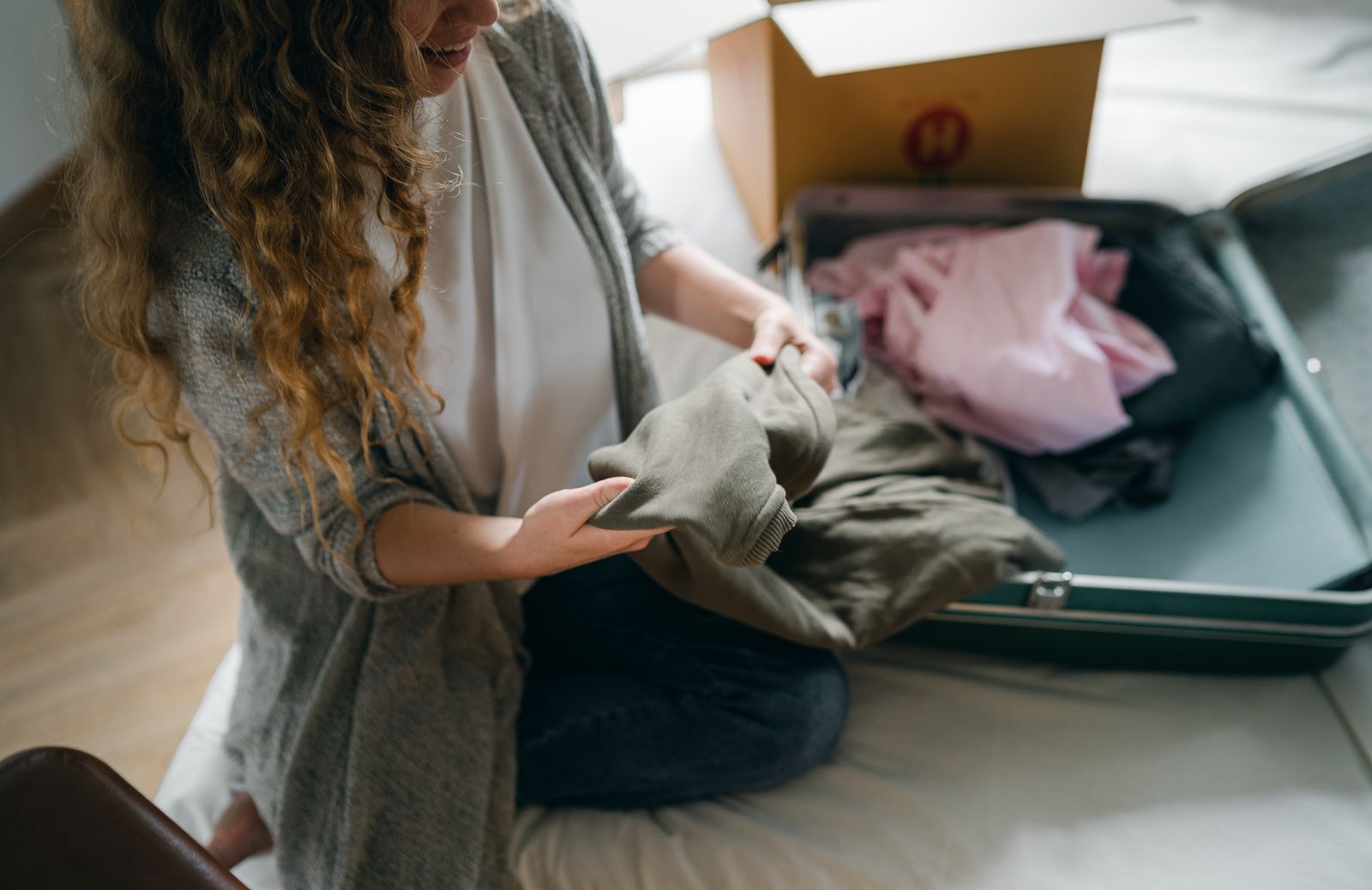
Place pajamas and the bedtime items together, near the opening or in a clearly identified section. Show the child that section while packing. Let them put the items in if they can do so. Remembering “my pajamas are at the top” is easier than remembering which of six identical pouches contains them.
Choose a modest comfort item if the host permits it, and check its return place. A favorite object needs a final departure check because it is easy to leave beside the bed. Do not substitute a brand-new organizer for an item that actually makes the visit familiar. The bag’s purpose is to support the evening, not to look coordinated in a photograph.
Keep toiletries appropriate to the visit and child’s needs. Use suitable closures and pack liquids according to their instructions. Ask the host how items should be stored during the stay if there are concerns about younger children accessing them. The child should know which belongings are theirs and when an adult’s help is needed.
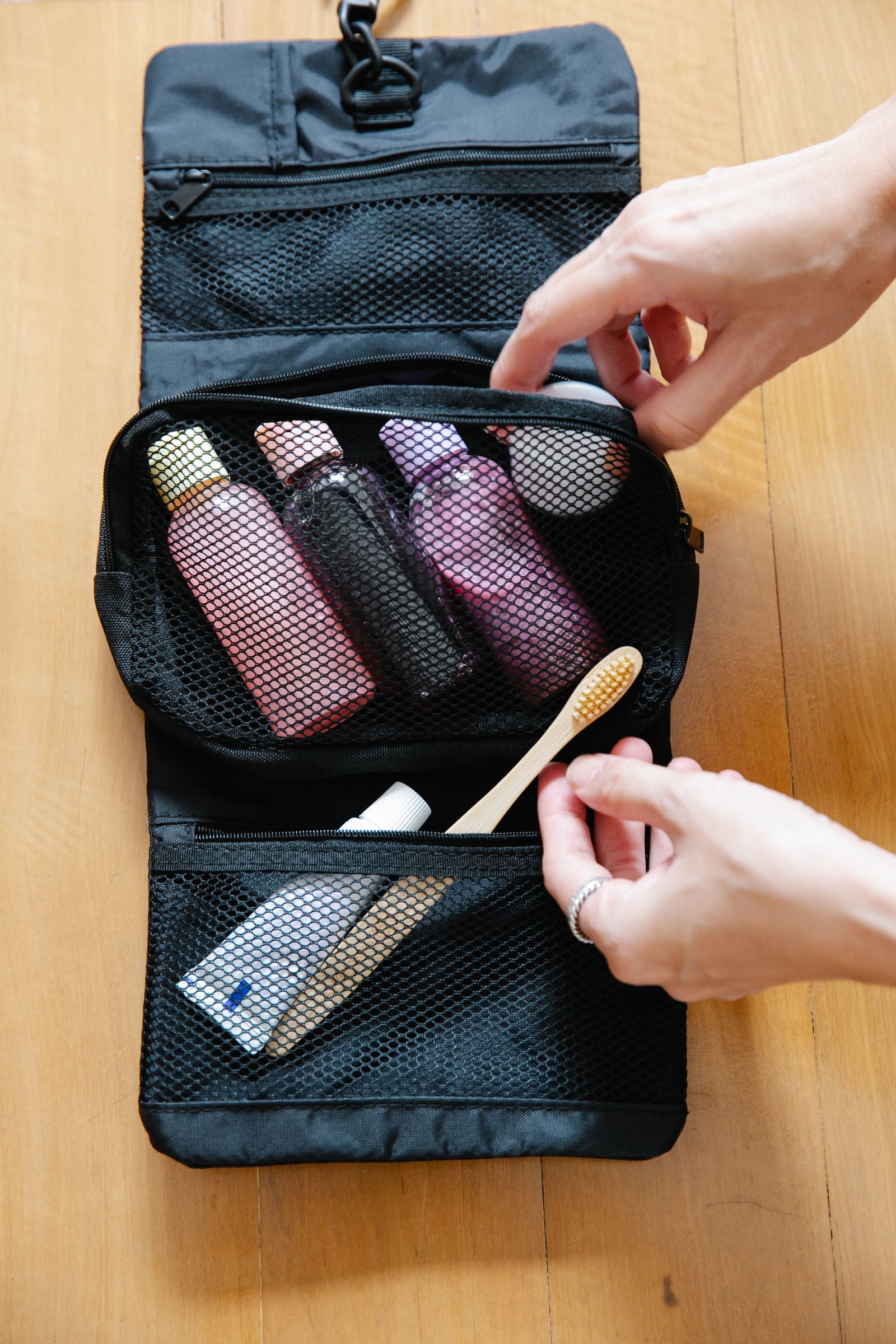
Build one morning outfit rather than a clothing menu
Lay out the next day’s outfit as a complete set, including the small items easiest to forget. Choose clothing suitable to the confirmed activities and conditions. If a spare set is appropriate, identify it as the spare rather than adding several unrelated pieces. Too many choices can make a short stay harder to manage and make the return check less clear.
Fold or arrange the set in a way the child recognizes. A simple fabric pouch can help, but it is optional. You can place underwear and socks with the outfit without creating a new storage product for each category. Keep the child involved in choosing between suitable options so the packed outfit is one they will actually wear.
Prepare a separate, suitable place for worn clothes. Show the child what goes there and explain that damp items require adult attention and appropriate handling rather than being left sealed in the bag. Keep the return routine flexible enough for the host to help. A label alone will not solve a process that was never explained.

If the household already uses a shared backpack station, give the overnight bag a temporary departure position nearby. Keep the trip list distinct from the school-day routine so one does not overwrite the other.
Do a brief handoff at departure
Close the bag with the child and check the short list once. Point out bedtime, morning, and the worn-clothes section. Share necessary instructions directly with the responsible adult through the agreed channel. Confirm how and when collection will happen. Keep a copy of the belongings list at home if it will help with the return.
Distinguish a forgotten ordinary item from a critical requirement. A spare pair of socks may be manageable with the host’s help; a specific care arrangement needs to be resolved before the visit. That distinction keeps the handoff calm while directing adult attention to the information that actually matters. Do not bury an important instruction inside a long general packing note.
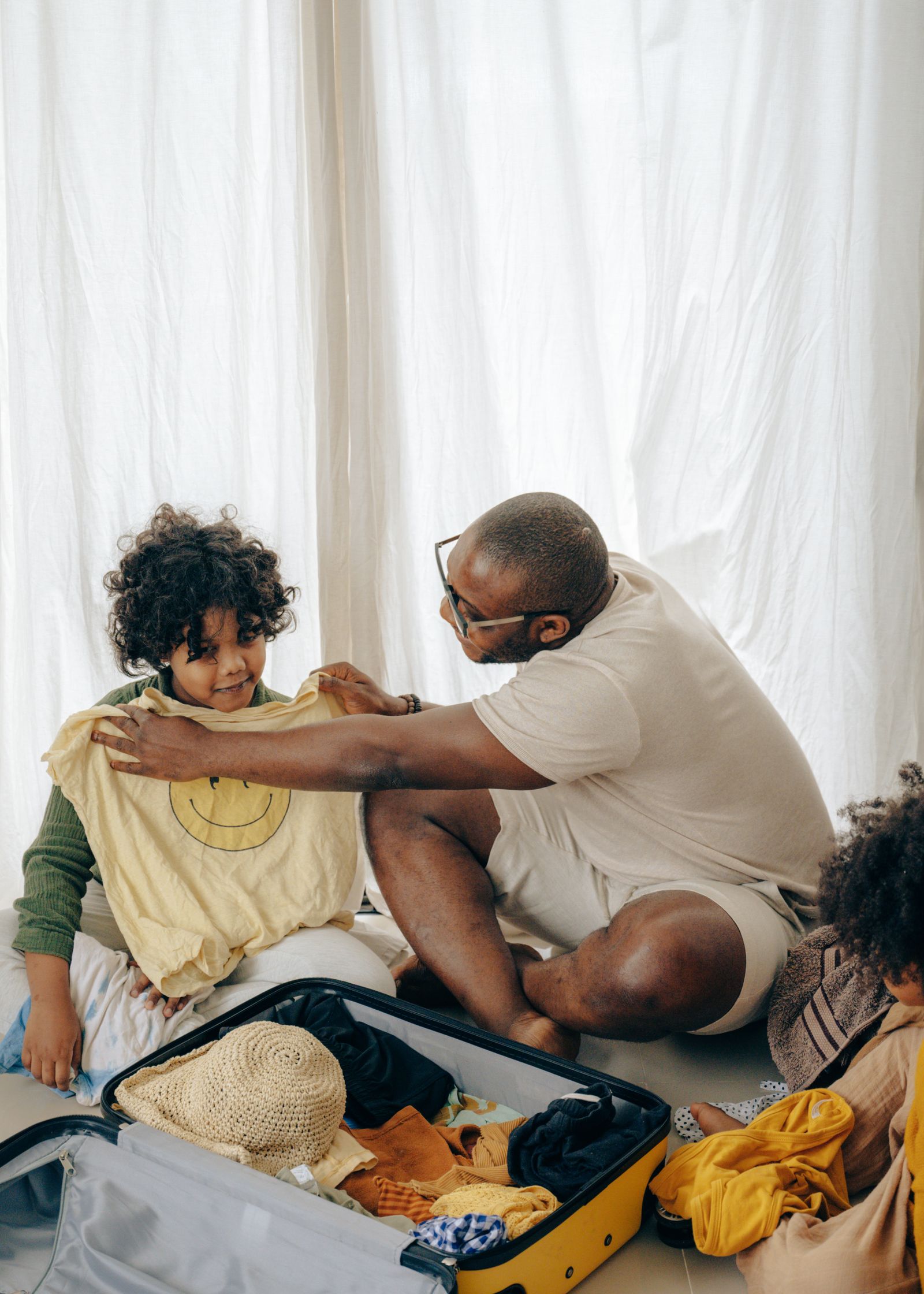
Connect worn clothes to the family laundry handoff already used at home. The child can help with an appropriate return job while an adult checks damp or special-care items.
Unpack before the overnight bag returns to storage
Let the child handle an appropriate part of the reset, such as checking their outfit list or returning the comfort item to its usual place. An adult can inspect the parts needing closer attention. That small division keeps the return routine connected to the packing routine, instead of making departure a shared task and unpacking an unexplained job for someone else.
Give the return bag a landing place where it will be noticed. Open it during a realistic household window, ideally before another busy day begins. Separate worn clothes for the laundry routine, inspect any damp items promptly, and return clean unused clothing to its normal place. Follow the care labels for the bag and its contents.
Check for the comfort item, shoes, toiletries, and any borrowed belongings. Ask the child what they could find easily and what stayed buried. If something is missing, contact the host through the ordinary agreed method with a specific description. Do not keep a whole packing system complicated merely because one visit needed an unusual extra item.
Finally, remove old snacks, papers, and trip-specific instructions before storing the bag. Save a short version of the list if overnight visits recur, but update it for each plan and stage of the child’s independence. The Family Home guides include more ideas for giving shared routines a clear handoff. A successful overnight bag is one the child can use, the host can understand, and the household can reset when it comes home.