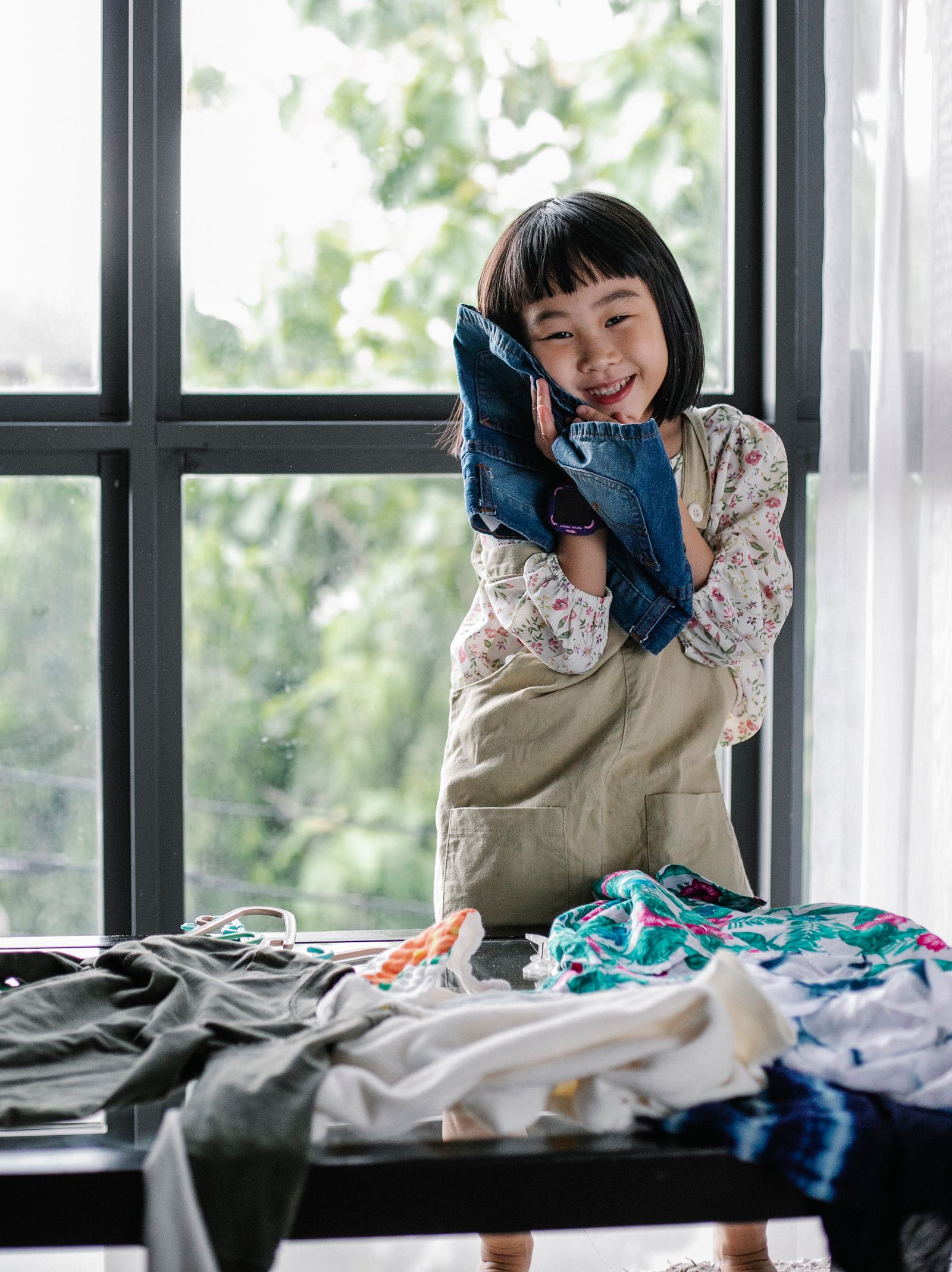
A child needs clothes for an upcoming season, but an overloaded drawer does not tell you what to buy. Some pieces still work, some need a small care or repair decision, and others fit differently from the last time they were worn. Shopping from memory can add more of a category that is already covered while missing the item the child actually needs.
A bounded clothing check turns that uncertainty into a specific shopping note. Focus on garments for a real upcoming use, give the child privacy and a voice in the process, and return the useful pieces before you move on. This is a check before shopping, not a guide to building a complete wardrobe or storing every outgrown item. Use the children’s clothing organization guide for the larger drawer arrangement.
Choose a purpose and a manageable category
Name the need first: ordinary school days, outdoor play, a family event, or another specific activity. Check any current requirements for that activity directly with the organization or the person responsible. Do not assume last year’s list or a remembered uniform rule is still accurate. A purpose helps you choose which garments to inspect and prevents a shopping trip from becoming a search for an entire new wardrobe.
Start with one category, such as the trousers currently used for school. Bring out the pieces the child actually wears for that purpose, plus any relevant unused piece whose suitability is uncertain. Leave unrelated drawers closed. The category should be small enough to return to storage during the available session. Checking every season and every drawer at once can make the bedroom unusable before you learn anything useful. For a related step-by-step approach, see Pack a Child’s Overnight Bag With a Clear Bedtime, Morning, and Return Routine.
Agree on the session with the child
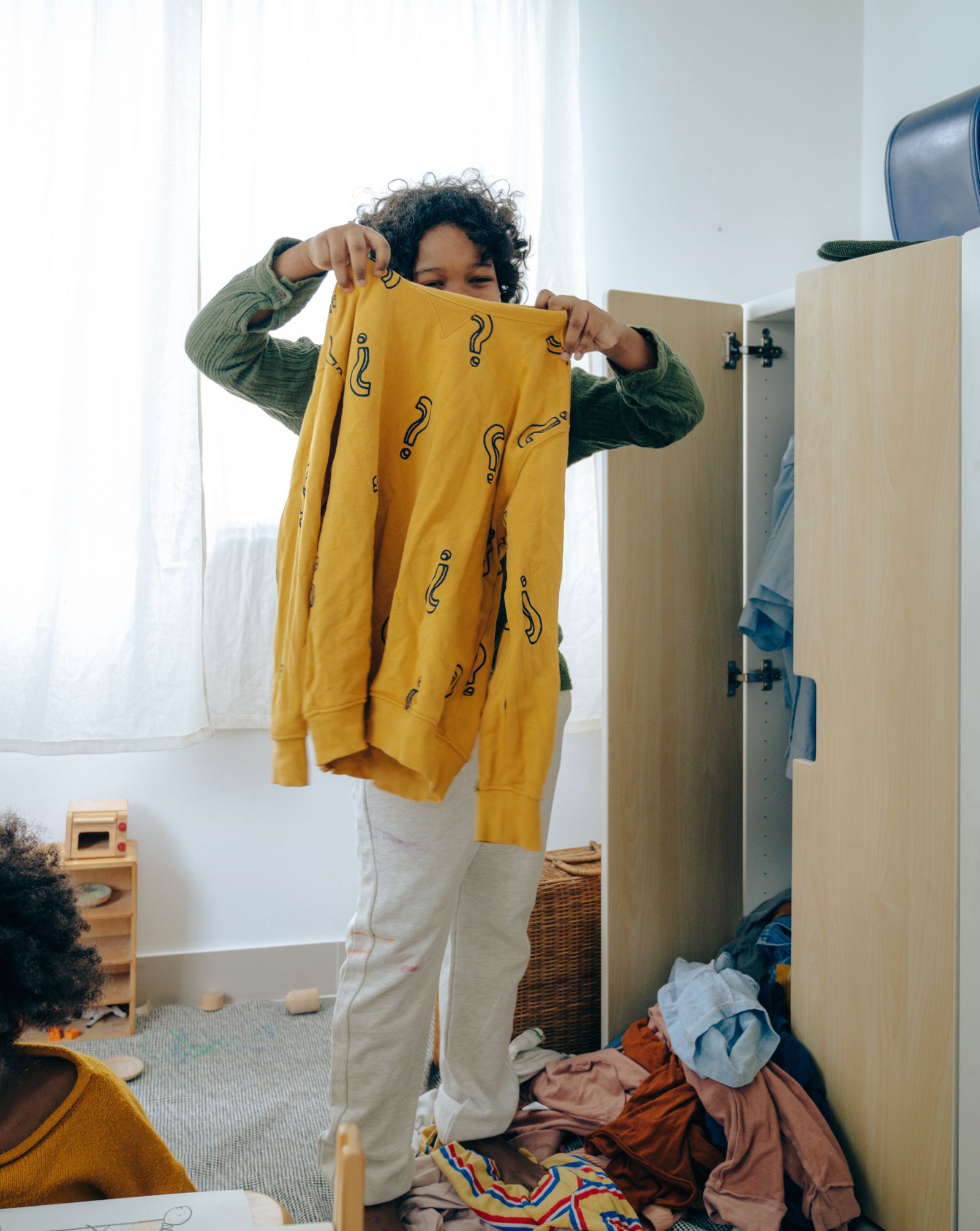
Tell the child what you want to check and roughly how the session will work. Offer appropriate choices about timing and order, and allow a pause when needed. The task is to understand clothing, comfort, and practical use; it is not an occasion for comments about the child’s body or comparisons with siblings. Use neutral language about the garment: “Does this fastening work for you?” or “Can you move comfortably in this?”
Provide privacy for changing and keep other household members from turning the check into an audience. Do not take or share fit photographs without a clear reason and appropriate consent. Usually a brief written shopping note is enough. A child who can describe what is awkward may contribute more useful information than a parent looking only at the size label.
Separate care questions from fit questions
Inspect the chosen garments before asking the child to try them on. Check condition, relevant fastenings, and whether permitted care is complete. A piece awaiting washing should follow its label before you judge it as ready clothing. If it needs repair, identify the issue rather than putting it into the same “buy more” group as a garment that is unsuitable for the purpose.
Keep this preparation narrow. You can note a loose fastening or other concern without starting a repair project while the child waits. Resolve any issue that makes a try-on unsuitable before proceeding. The clothing check should not ask a child to wear a damaged or inappropriate item simply so an adult can complete an inventory.
Try the garments in the context of their use
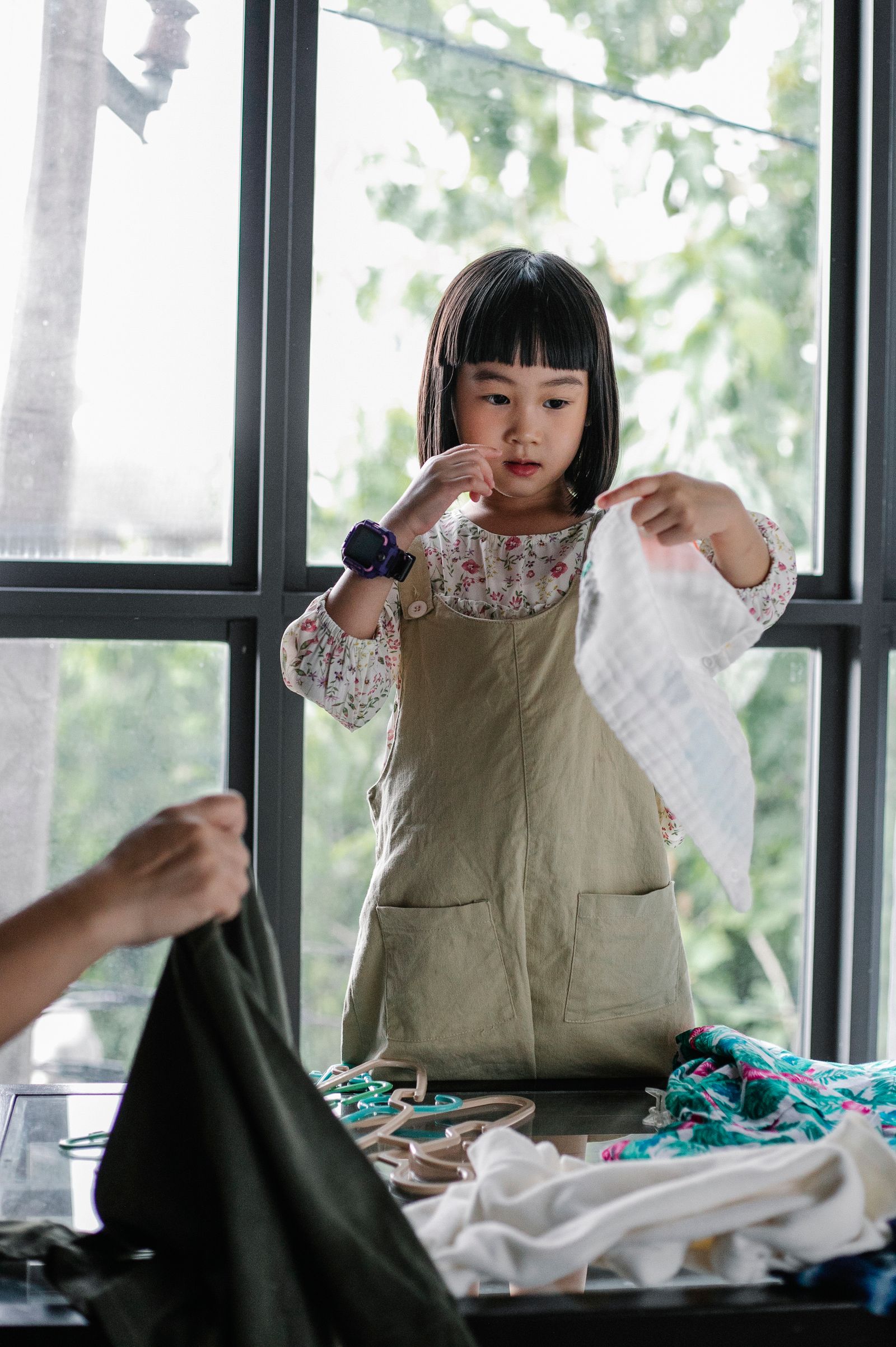
Use the relevant combination where practical. Trousers intended for a school day may need to work with the ordinary top and required layers, while an event outfit may need a different combination. Ask the child to perform the comfortable, ordinary movements that matter to the activity, such as sitting, standing, or reaching within their normal ability. Do not force movements or turn the session into a physical test.
Ask about the features the wearer experiences: fabric feel, openings, fastening, pockets, and anything that becomes uncomfortable in the intended use. An item can carry a familiar size label yet fail the child’s practical needs. Conversely, a piece should not be rejected solely because its label differs from a sibling’s or another brand’s. Record the useful observation about the actual garment.
Where the clothing has formal requirements, compare the actual piece with the current instructions after the fit discussion. A garment that feels comfortable may still be unsuitable for the specified event or activity. Keep that reason distinct from the child’s preferences so the shopping note describes the requirement accurately rather than presenting the wearer as the problem.
Use decisions that lead to a next action
Sort the checked pieces into a few meaningful outcomes: ready for the purpose, needs a specific care or repair decision, unsuitable for this purpose, or still uncertain. Keep the wording about the garment. “Uncertain” should carry the question that remains, such as whether the required layer works with it or whether the organizer accepts that style. Avoid leaving it as a vague stack marked “maybe.”
| Outcome | What it means | Next action |
|---|---|---|
| Ready | The checked piece works for the named use | Return to its active clothing home |
| Care or repair question | A specific issue remains unresolved | Adult decides the appropriate route before counting it as ready |
| Unsuitable for the purpose | The actual piece does not meet the current need | Remove from the shopping count and decide its later destination separately |
| Uncertain | A named question still needs an answer | Identify who will resolve it and when |
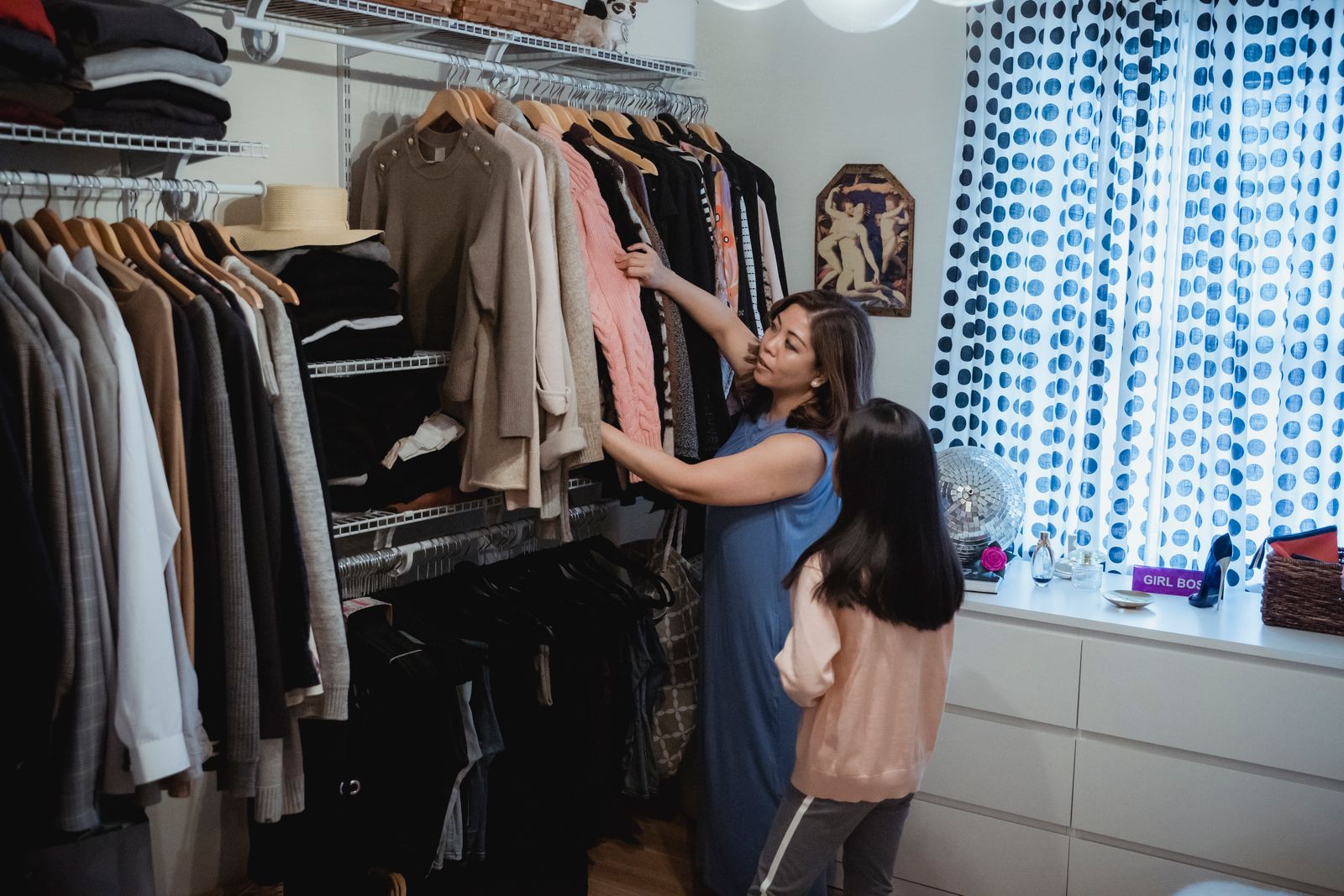
Keep useful clothing available during the check. Return each ready group before starting another category rather than leaving all decisions on the bed. The child should be able to dress normally after the session. A careful shopping assessment loses its value if the household cannot find the garments you just confirmed.
Compare ready clothing with the actual schedule
Count the ready pieces for the named purpose, then compare them with the family’s realistic wearing and laundry pattern. There is no universal number of trousers or tops that every child needs. An item worn frequently, a restricted activity requirement, or a longer interval between permitted washes can change the decision. Use the family laundry routine to understand the schedule you actually follow.
Do not count a repair-pending piece as ready merely because it occupies drawer space. Equally, do not buy a replacement before the adult has decided whether a straightforward permitted repair resolves the shortage. Separate immediate needs from possible later purchases. A note that says “one additional suitable school trouser after checking these two repairs” is more useful than “needs lots of new clothes.” You may also find How to Organize a Small Kids’ Closet That Has to Hold Clothes, Shoes, and Gear useful for a closely related small-home problem.
Write a shopping brief that another adult can use
Record the category, purpose, quantity genuinely needed, required features, and the child’s relevant comfort preferences. If measurements are useful, obtain and use them appropriately and compare with the exact seller’s sizing information. Do not assume a nominal size translates unchanged across brands or styles. Keep the brief private and limited to information needed for the purchase.
Include what is already covered so a second shopper does not repeat the same purchase. Distinguish a desired color or style from a firm activity requirement. If the child wants to choose among suitable options, decide how that participation will happen before the shopping trip. A specific brief can make a shorter trip possible without removing the wearer’s preferences from the decision.
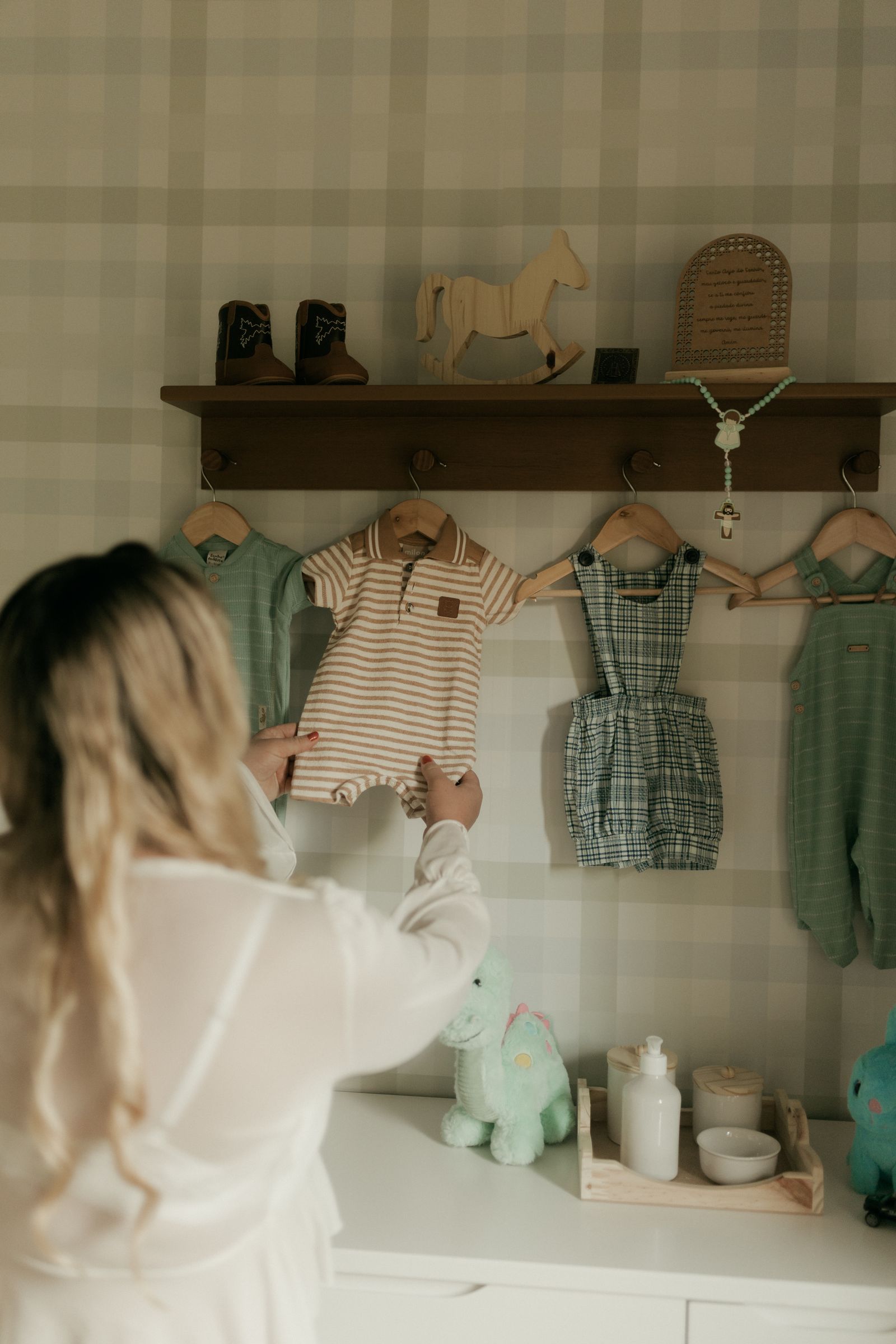
Keep outgrown-clothing storage as a separate decision
Items removed from the ready count need an adult-led destination, but they do not all need to be processed during the try-on session. Use a contained, identified holding group for the current decision and avoid mixing it back into active clothing. The hand-me-down guide and outgrown-clothing storage guide address those later routes in detail.
Do not infer that an unsuitable item will automatically fit another child or meet their preferences. That is a separate person’s clothing decision. The pre-shopping check is complete once the current wearer’s ready collection is returned, uncertain items have a named follow-up, and the genuine purchase need is written clearly. Keeping that boundary prevents a short fit session from becoming a whole-house clothing exchange.
Work through a real shortage before buying a category
Imagine checking the trousers used for ordinary school days. Two pieces are ready, one needs an adult repair decision, and one does not suit the child’s current use. The drawer contains four, but the ready count is two. Confirm the normal wearing and laundry sequence before deciding whether that is a shortage. Resolve the repair’s timing separately: a possible repair next month should not be counted as ready for tomorrow.
The shopping brief might then say “one additional suitable school trouser, with a fastening the child can manage and the required color confirmed.” It should not say “replace all trousers” simply because the category was opened. If the repair restores enough clothing for the schedule, revise the purchase need. This is an example of the decision process, not a recommended garment count for every child.
For an event outfit, check the required combination rather than adding a whole category. A suitable top may already work while a particular layer remains unresolved. Ask the organizer about the requirement, check the child’s practical comfort, and buy only the remaining needed piece if appropriate. Keep accessories and footwear in their own assessment if they require different fitting or care decisions. A focused clothing check can finish without turning into a comprehensive shopping trip.
If the child dislikes a piece that otherwise appears usable, discuss the reason without insisting that the label proves suitability. A scratchy seam, difficult closure, or strong preference may change what the wearer will actually use. Record that information in practical terms and decide the purchase together within the family’s constraints. Do not count a garment as a reliable option solely because it occupies the correct drawer.
Close the loop after shopping
Check a new garment according to the seller’s permitted try-on and return conditions before removing packaging or performing care that affects eligibility. Confirm that it meets the original purpose and the wearer’s practical needs. Use the actual policy for the purchase instead of assuming all shops offer the same return window. Update the brief when the need is resolved so another adult does not buy the same item again.

Return accepted clothing to the child’s established storage and finish any return through the household’s usual process. Explore the Family Home hub for coordinating that shared responsibility. A successful check produces a smaller, clearer shopping decision while leaving the bedroom usable. Repeat it when a real need changes, with one manageable category and the child’s experience guiding the garment decisions.