Bulky kids’ gear is difficult because it arrives home dirty, takes up floor space, and often needs to leave again tomorrow. If you are working on the same space, How to Divide a Shared Kids’ Bedroom Into Sleep, Dress, and Play Zones covers the next decision in more detail.
A stroller cannot disappear into a basket. Scooters lean against walls. Helmets roll off shelves. Rain covers, bike accessories, and outdoor toys migrate into the entryway. You may also find A Small Entryway System for Backpacks, Shoes, Coats, and School Papers useful for a closely related small-home problem.
The practical goal is to create a launch zone that holds only the gear currently in rotation.
Separate daily-use gear from occasional gear
Ask which items leave the house several times a week. Those deserve the easiest access.
Occasional travel strollers, off-season ride-on toys, backup helmets, or outgrown equipment should not compete with the daily stroller or scooter.
Give wheeled gear a floor footprint
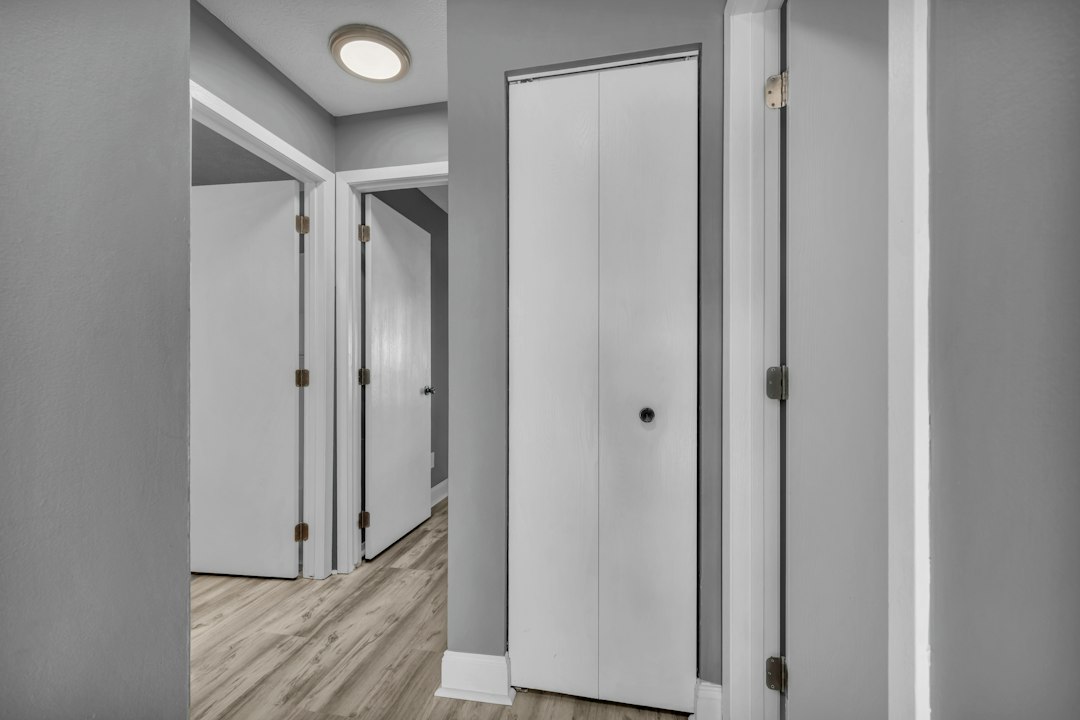
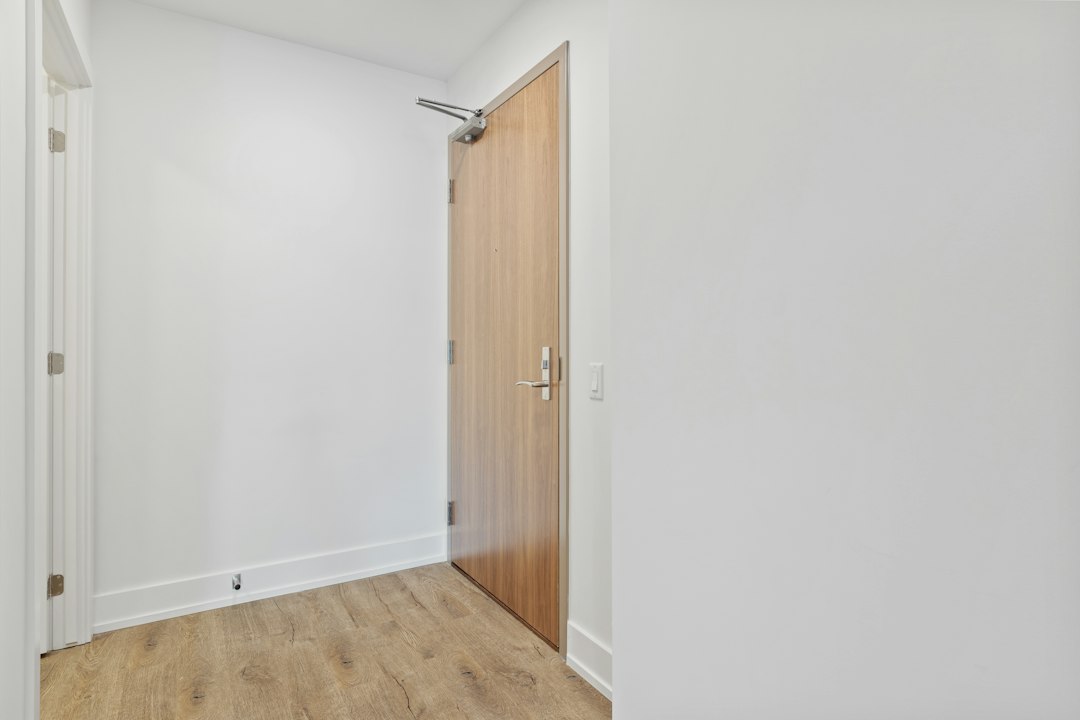
Large gear needs a parking spot, not a vague corner. Mark the footprint mentally: beside the door, inside a hallway closet, under a stair, or in another practical storage area.
The footprint must not block the main exit or daily circulation.
Fold equipment only if folding actually helps
A folding stroller saves space only if the household is willing to fold and unfold it at the frequency required. If it is used twice a day, fully collapsing it every time may create more friction than it solves. If you are working on the same space, How to Create a Family Command Center in a Small Home Without Taking Over a Wall covers the next decision in more detail.
Choose the stored position that fits real use.
Create a dirty-wheel routine
After wet or muddy outings, deal with obvious debris before parking gear deep inside the home. Use a mat, tray, or cleaning method appropriate to the equipment and floor.
Follow product manufacturer care guidance for wheels, fabrics, and folding mechanisms.
Store helmets and small accessories above the floor
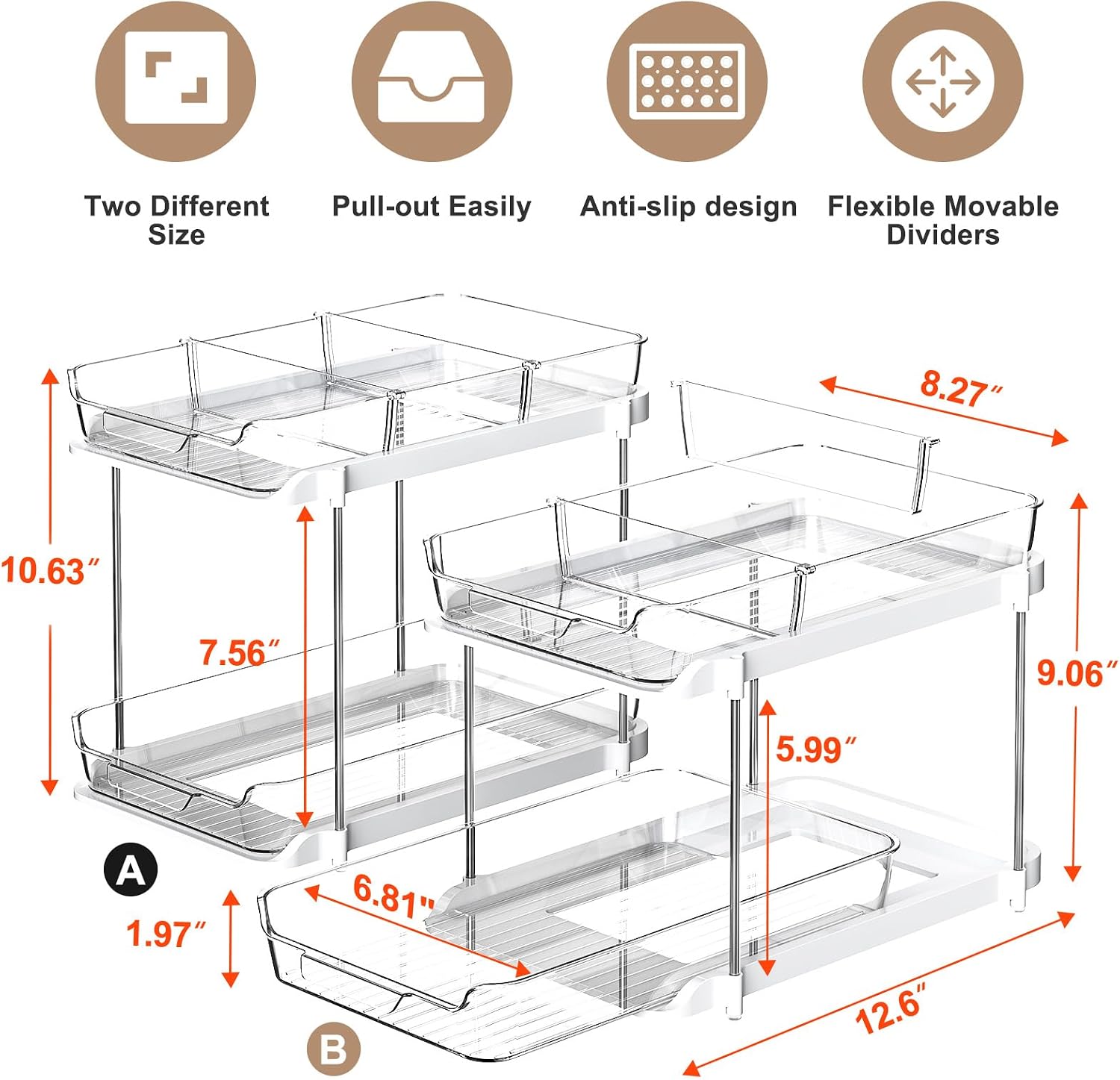
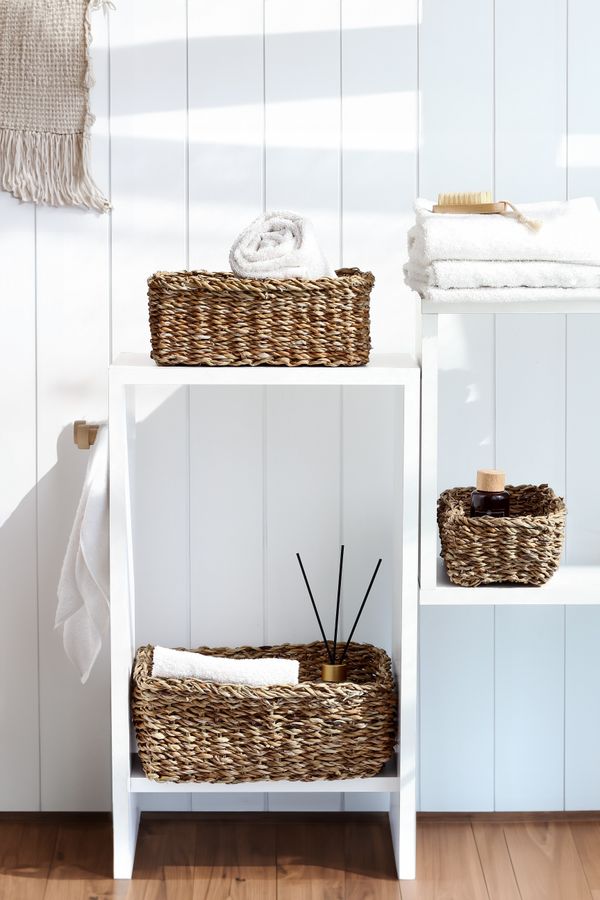
Use one hook, shelf, or basket for helmets, lights, locks, rain covers, gloves, and other small outdoor pieces.
Keep accessories with the gear they support instead of spreading them across unrelated cabinets.
Keep scooters upright and stable
If scooters are stored indoors, use a stable wall-side position or holder appropriate to the equipment so they do not fall into the walkway.
Do not let the entryway become off-season storage
When weather or age changes make an item inactive, move it out of the launch zone. Review whether it should be stored, handed down, sold, or donated.
For outgrown gear, see How to Store Outgrown Kids’ Clothes and Gear Without Taking Over the House.
Pair active gear with bags and shoes
The stroller or scooter zone should work with the family’s departure path, not against it. Keep shoes, bags, and coats nearby without stacking them on top of wheeled gear. For a related step-by-step approach, see How to Create a Sports-Gear Drop Zone in a Small Family Home.
Create one “outdoor gear” basket
Small balls, chalk, bubbles, gloves, knee pads, or outdoor toys can share one basket if they tend to leave together. Do not let the basket become general toy storage.
The five-minute outdoor-gear reset
- park wheeled gear,
- remove obvious dirt or wet items,
- return helmets and accessories,
- put outdoor toys in their basket,
- move outgrown or off-season items out of the launch zone,
- check that the exit path is clear.
For apartments
Check building rules before storing gear in shared halls or common areas. Inside the apartment, prioritize a compact parking footprint over decorative entry furniture.
For families with several children
Label by child only where ownership matters. Shared scooters or outdoor toys can use category-based storage, while helmets and personal safety gear benefit from clear ownership.
Frequently asked questions
Where should I put a stroller in a small apartment?
Choose a dedicated footprint near departure that does not block the exit, hallway, or living-room circulation.
Should I fold the stroller every time?
Only if folding meaningfully improves the space and is realistic for how often you use it.
How do I store helmets?
Use a stable hook, shelf, or basket near the related gear, following manufacturer care and storage guidance.
Bulky gear needs a launch plan, not hidden storage
Keep the equipment used this week accessible, give large pieces real parking spots, move wet and dirty items through a quick reset, and push off-season gear out of the entry before it takes over.