Hand-me-downs can save money and reduce waste. They can also turn one closet into a warehouse for clothes nobody can wear yet. For the broader setup, How to Store Outgrown Kids’ Clothes and Gear Without Taking Over the House is a useful next read.
The problem is not keeping future clothing. It is keeping too much of it, in too many sizes, without a clear moment when it will be reviewed. For the broader setup, How to Store Extra Bedding in a Small Home With No Linen Closet is a useful next read.
A useful system keeps only the pieces that have a realistic next wearer and a realistic next season.
Edit before you store
When a child outgrows clothing, do not automatically box the entire drawer.
Check each item for:
- condition,
- stains or damage,
- comfort,
- whether the next child is likely to wear it,
- whether the season will line up with the next size.
Store by size first
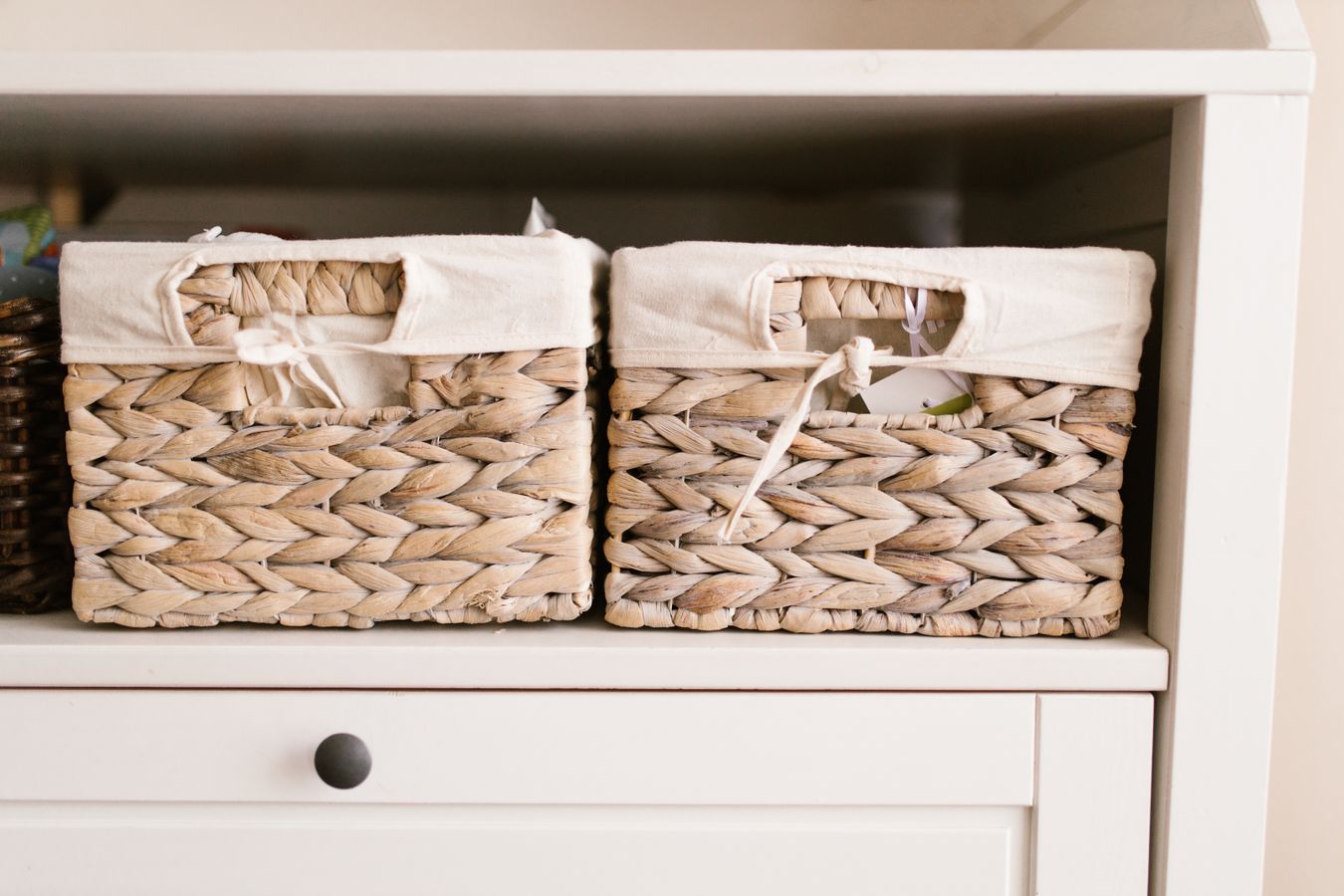
Use labels such as “4T,” “5,” or “6–7” rather than one giant “hand-me-downs” bin. Size is usually the first information you need when a child grows. For a related step-by-step approach, see How to Organize a Small Closet When Two People Share It.
Add season only when it matters
For bulky or climate-specific clothing, add “winter,” “summer,” or “school” to the label. Do not create excessive subcategories for a small number of items. For a related step-by-step approach, see How to Store Cleaning Products in a Small Home With Kids.
Give the system a container limit
One bin per size range is often more useful than unlimited future storage. When the bin is full, compare pieces and keep the better, more versatile options.
Do not mix current clothes with future sizes
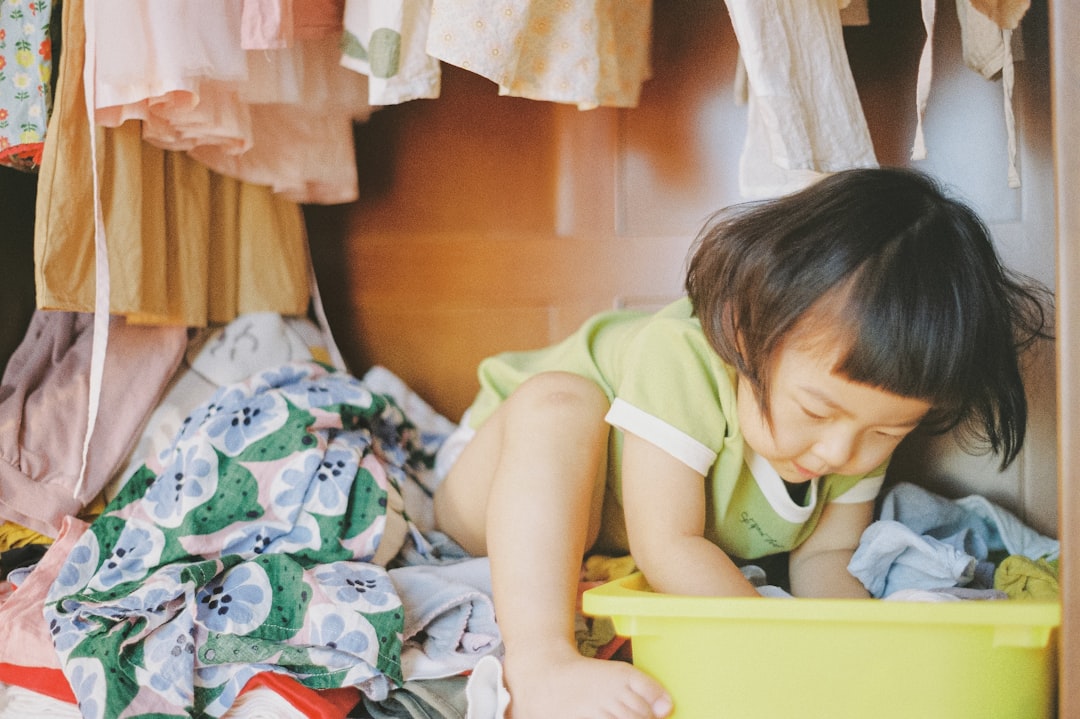
The child’s active closet should hold what fits now. Future sizes can live on a top shelf, under a bed, or in another low-frequency area.
See How to Organize a Small Kids’ Closet That Has to Hold Clothes, Shoes, and Gear.
Keep shoes more selectively
Footwear can show wear differently from clothing. Keep only pairs in appropriate condition that you genuinely expect another child to use.
Use a “next size” staging bin
Keep the immediately upcoming size easier to reach than sizes that are years away. This prevents buying duplicates because the useful hand-me-downs are buried behind four larger sizes.
Schedule a fit check
At the start of a season or when current clothes begin feeling small, bring out the next-size bin and try the relevant items.
Move what fits into the active wardrobe and re-evaluate what remains.
Let unsuitable items leave quickly
Donate, sell, recycle, or pass on items according to their condition and local options. Do not return rejected pieces to the future-size bin just because storage exists.
Keep sentimental clothing separate
A first outfit or meaningful shirt is not really a hand-me-down category. Put sentimental pieces in a small memory container so they do not distort the practical clothing inventory.
The 15-minute hand-me-down reset
- check one size bin,
- remove stained/damaged or unrealistic items,
- re-label the size/season,
- move the next size forward,
- send unwanted pieces to their exit route,
- keep the current closet free of future sizes.
For large age gaps
The longer the time between wearers, the more storage cost matters. Be stricter about volume, condition, and whether the item is worth keeping for years.
For close age gaps
A small “next child” bin can move through the system quickly. Keep the handoff simple and avoid re-sorting every item into complex categories.
Frequently asked questions
How many hand-me-down clothes should I keep?
Keep what fits a defined container and has a realistic next wearer, size, and season.
Should I keep every good-condition item?
No. Condition is only one factor; usefulness, storage cost, style preferences, and timing matter too.
Where should hand-me-downs be stored?
Use low-frequency storage outside the child’s daily closet, with the next size easiest to access.
Store the future without crowding the present
Hand-me-downs work best when they are edited before storage, labeled by size, limited by container, and reviewed at the moment the next child can actually use them.