
Storage Solutions
Where to Store Home Workout Gear in a Small Living Room Without Creating a Trip Hazard
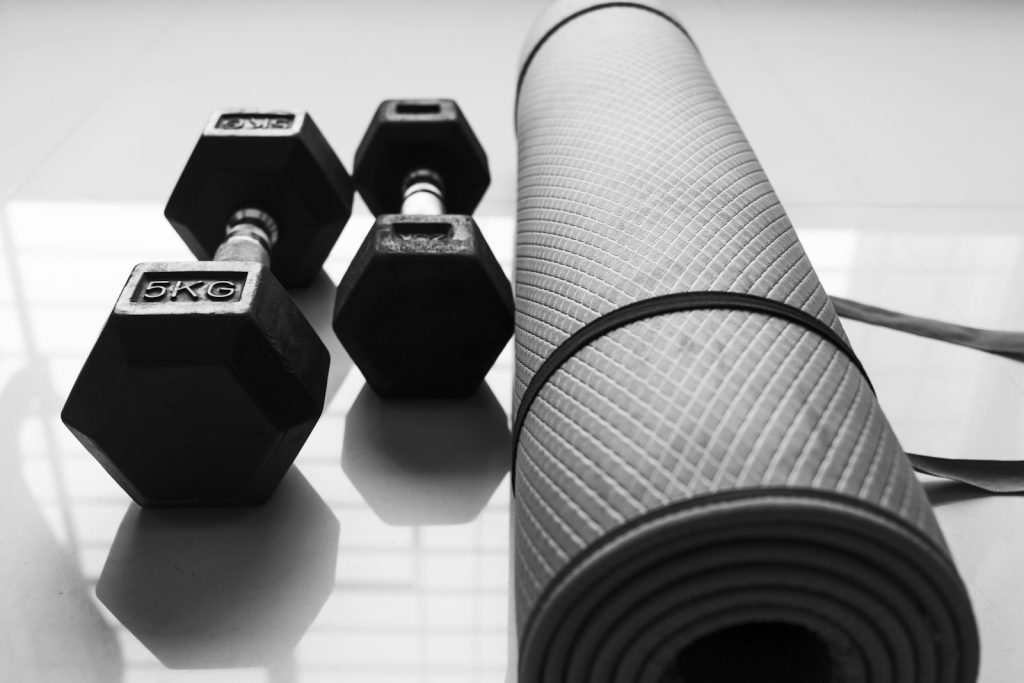
A footprint-first plan for mats, bands, dumbbells, foam rollers, and accessories in a living room that still serves family life.
Simple systems for small family homes.
Practical ideas for small family homes
Realistic decluttering ideas and repeatable routines for calmer small homes.
Start here
Three practical starting points to help you make progress without overhauling the whole house at once.
A footprint-first plan for mats, bands, dumbbells, foam rollers, and accessories in a living room that still serves family life.

A practical expert method for deciding when a category has enough storage, when an organizer is masking excess inventory, and how to set capacity ceilings for pantry goods,…
An expert comparison of three popular decluttering rules for small homes: container limits, one-in-one-out, and seasonal reviews. Learn which rule works best for stable categories, growing families, sentimental…
A simple rhythm
Use short, repeatable passes. The goal is less friction and a setup that is easier to maintain.
Start with the spot, category, or routine that creates the most daily frustration.
Remove duplicates, expired items, and anything that no longer earns its space.
Keep what remains where it is easiest to use, return, and find again.
Use one small repeatable reset so the space stays useful after the first tidy-up.

An expert review of the one-in, one-out decluttering rule, including where it works, where it fails for growing kids and changing households, and better capacity-based alternatives.

A humane way to organize printed photos, cards, school keepsakes, and small paper memories without turning every meaningful object into permanent storage.

Stop paper and delivery clutter from piling up by separating incoming mail, packages to open, returns to leave, and recyclable packaging into four short routes.
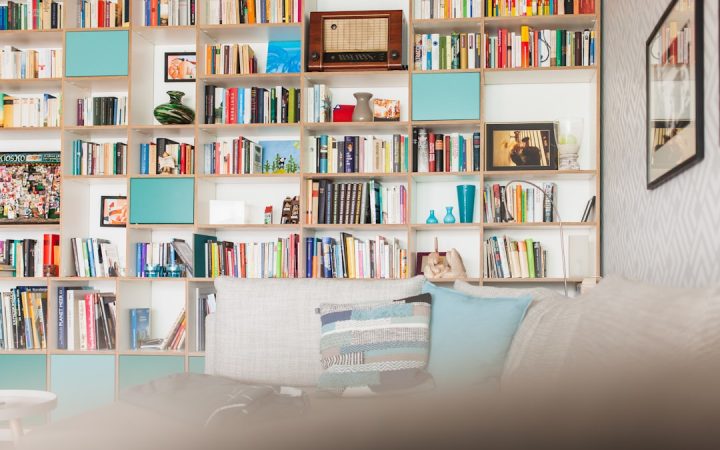
Keep reading material close without covering every table and shelf by separating current reads, permanent books, magazines to finish, and items ready to leave.
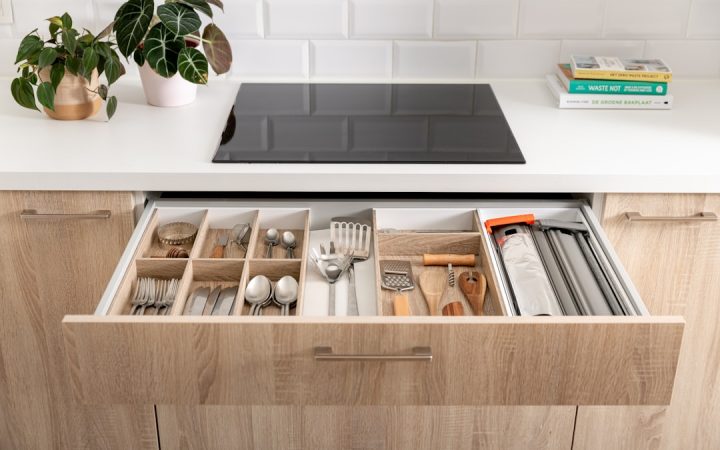
Turn a junk drawer into a useful household utility drawer by limiting categories, removing true junk, using shallow divisions, and giving mystery items a deadline.
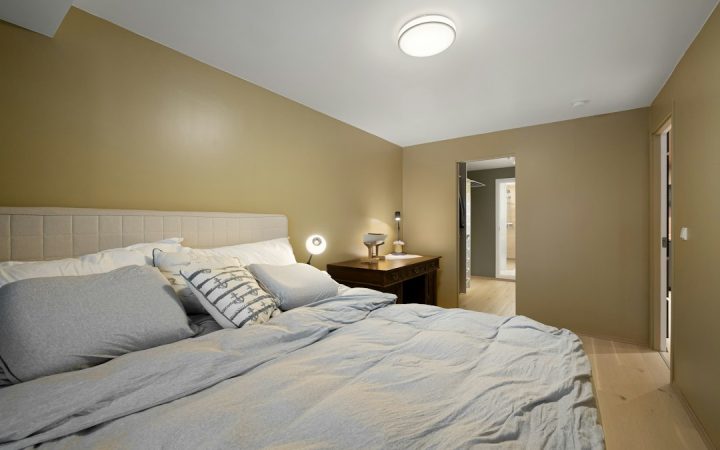
Keep a small nightstand useful with one sleep-supporting surface, a strict drawer limit, a home for charging, and a nightly two-minute reset.
Keep decluttering momentum by giving donations one small container, one staging location, and one recurring exit rule so bags do not become permanent storage.
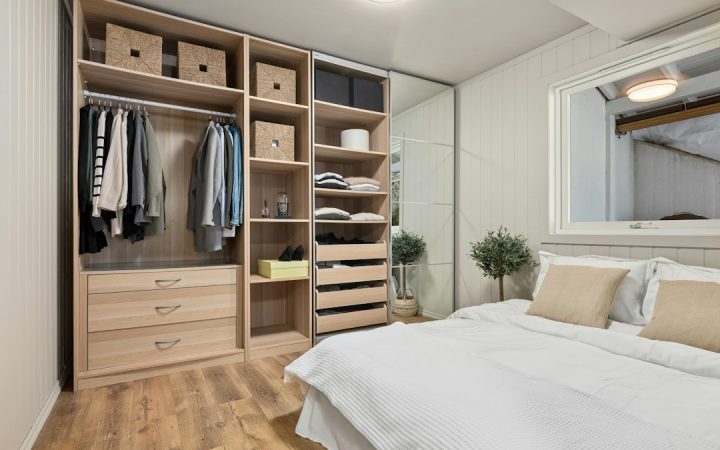
Make a small dresser easier to use by matching drawers to clothing frequency, leaving space for laundry return, and protecting the top from becoming a second closet.
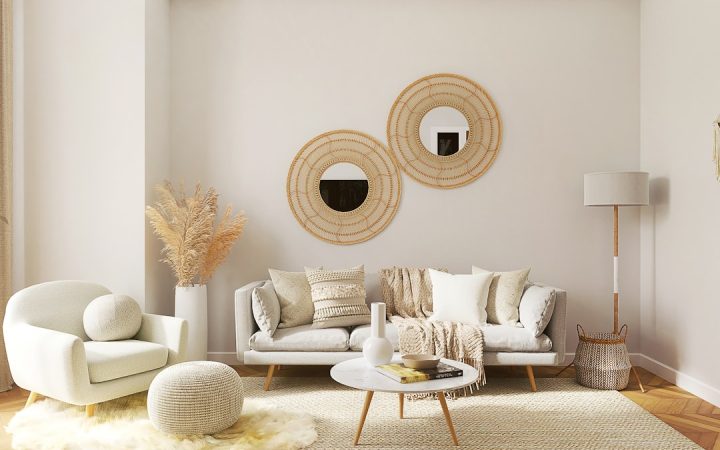
Make a small living room feel more open by improving circulation, reducing visual weight, editing surface clutter, and rearranging the furniture you already own.