Mail and packages create clutter because they arrive with decisions attached.
A letter may need action. A box needs opening. Packaging needs recycling. A return needs a label and a trip out of the house. When those decisions all land by the front door, a small entryway can fill up in a day. For a related step-by-step approach, see How to Set Up a Backpack Station for Two or More Kids in a Small Home.
The goal is to create four short routes instead of one delivery pile.
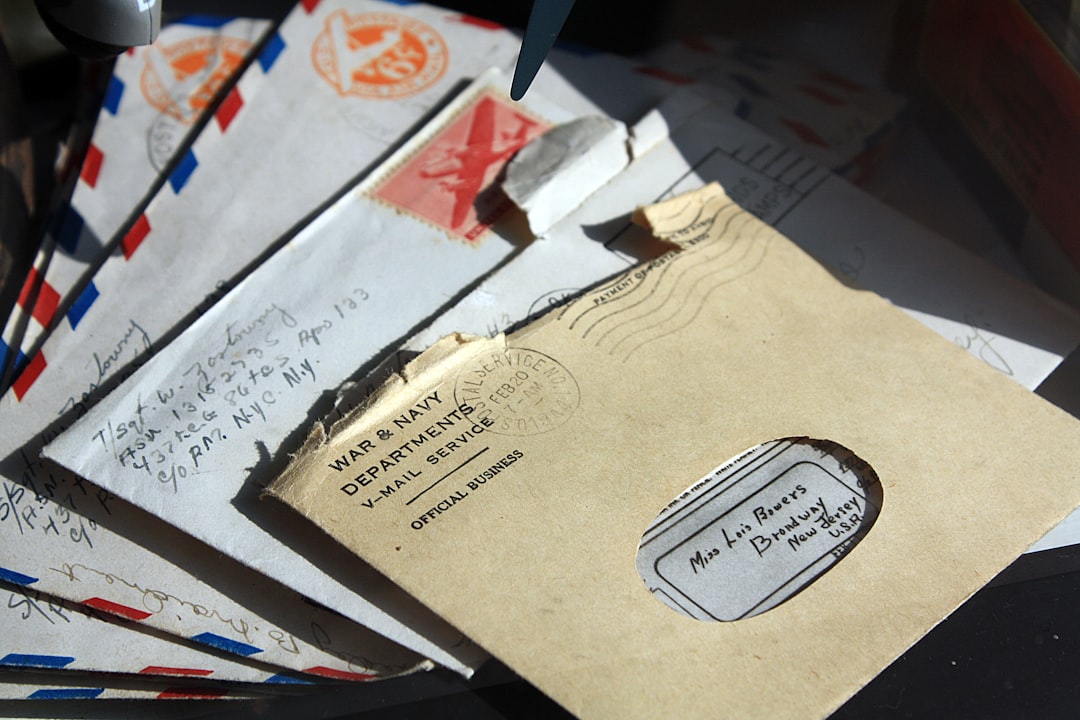
Route 1: incoming mail goes to one action point
Do not leave mail on the entry table, kitchen counter, and dining table at the same time. Give it one destination.
Sort obvious junk or recycling immediately where appropriate, then move anything requiring action to the household paper system. For the broader setup, How to Store Strollers, Scooters, and Outdoor Kids’ Gear in a Small Home is a useful next read.
Route 2: packages get opened in one place
Choose a safe, practical place for opening deliveries. Keep scissors or another appropriate opening tool there if useful and safe for the household.
Once the item comes out, the box should not automatically remain in the entryway.
Route 3: returns get an outbound zone
A return is not storage. Give it one basket, shelf, or floor footprint near departure and attach the return deadline to the task.
If a return requires printing, packaging, or a drop-off, finish those steps as early as practical so the item is truly ready to leave.
Route 4: packaging exits quickly
Flatten or process cardboard according to your local recycling setup. Remove air pillows, paper fill, bags, or other packaging from the entry instead of saving everything “just in case.”
Keep the entry table mostly empty
A console or shelf should not become a delivery archive. Limit permanent items to what supports arrival and departure, such as keys or one small mail tray. For the broader setup, The Daily Landing Zone: Where Keys, Mail, Chargers, and Small Clutter Should Go is a useful next read.
Create a decision deadline for unopened packages
If a package sits unopened for several days, the problem may be that it does not have a next action. Open it, route the contents, or intentionally stage it for a specific person.
Keep receipts with the return—not somewhere else
If a physical receipt or packing slip is needed, keep it with the return item until the return is complete. This prevents the paper system and return system from becoming disconnected.
Use the family command center for action papers
Mail that needs payment, signatures, scheduling, or filing should move away from the entryway.
See How to Create a Family Command Center in a Small Home Without Taking Over a Wall.
Give online-shopping returns a weekly checkpoint
Once a week, look at the outbound zone and ask:
- Is the item packed?
- Is the label or QR code ready?
- What is the deadline?
- Where does it need to go?
The goal is to keep returns moving instead of storing them for weeks.
Do not save every shipping box
Keep a very small number only if your household genuinely reuses them soon. Otherwise, packaging becomes a second storage category that crowds the entry or closet.
The five-minute delivery reset
- mail to action/recycling,
- packages opened and contents routed,
- returns staged outbound,
- packaging processed,
- entry surface cleared,
- floor path reopened.
For apartment buildings
If packages arrive to a lobby, mailroom, or shared area, bring them fully into your household system rather than letting bags or boxes accumulate near the door after pickup.
For families
Label incoming items by person only when needed. Shared household mail should still have one action point so paper does not fragment across bedrooms.
Frequently asked questions
Where should mail go in a small home?
Use one action point away from the entryway surface, then file or discard after the decision is complete.
How do I stop returns from sitting by the door?
Give returns one outbound zone and a weekly deadline check. Do not count an item as ready until packaging and return steps are complete.
Should I keep shipping boxes?
Keep only a small number you have a realistic near-term use for.
Every delivery should keep moving
Mail, boxes, returns, and packaging stay manageable when each one has a different route. The entryway should be a transfer point, not the final storage location. If you are working on the same space, How to Stop Entryway Shoes From Spreading Through a Small Home covers the next decision in more detail.
