
Multipurpose Rooms
A Temporary Sewing-Machine Station at a Small Dining Table
Check machine support, occupied seating, foot-control placement, fabric travel, approved connections, and a complete return to dining use.

Practical ideas for small family homes
Flexible systems for rooms that need to serve more than one purpose.

Start here
Three practical starting points to help you make progress without overhauling the whole house at once.
Check machine support, occupied seating, foot-control placement, fabric travel, approved connections, and a complete return to dining use.

Photograph owned household items accurately with a temporary supported position, relevant views, privacy checks, and a clear pack-away routine.

Test camera view, household routes, equipment access, audio, and a pack-away routine for video calls in a shared room.
A simple rhythm
In a small home, every choice needs to earn its footprint. Prioritize flexibility and everyday ease.
Start with the width, depth, circulation path, or storage limit that actually matters.
Keep the most-used activities easy before adding more furniture or storage.
Favor vertical storage, movable pieces, and layouts that can do more than one job.
Keep only what supports the room so visual and physical clutter do not take over.

Assess the M185 for a shared or compact desk: USB-A receiver compatibility, hand fit, battery upkeep and the space a mouse actually needs.

Anker 332 review for a shared desk: check HDMI support, charging limits, cable reach and the ports you actually need before buying.
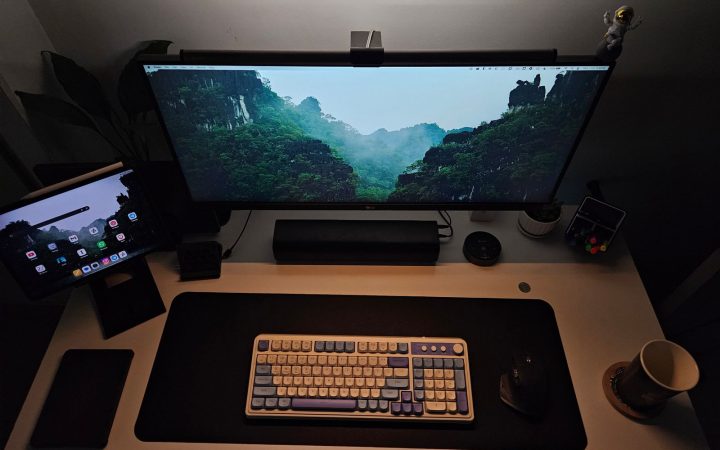
A research-based assessment of practical fit, daily use and alternatives for a small home.
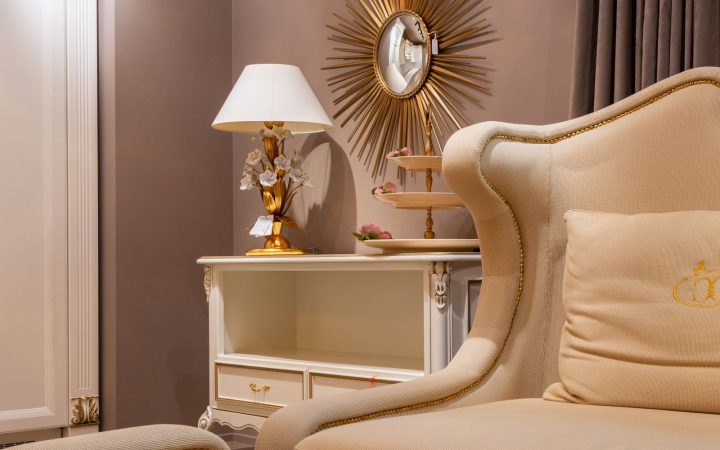
Turn a living room into a temporary guest sleep zone with a compact sleep surface, one bedding capsule, safe night routes, lightweight privacy, and a fast morning reset.
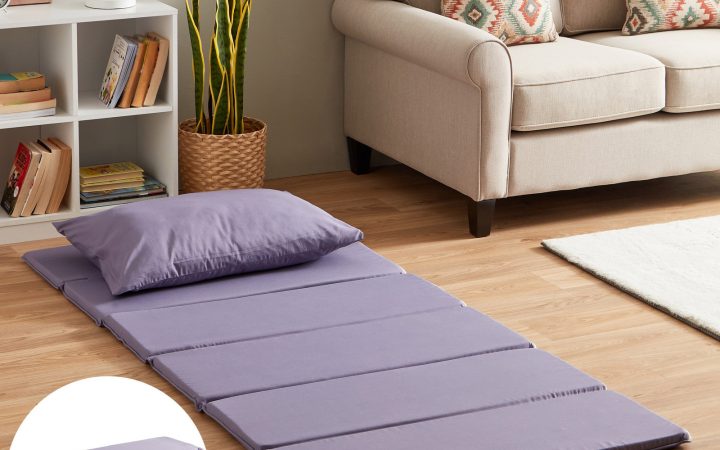
Compare three portable tri-fold guest mattresses by open size, thickness, folded storage burden, bedding footprint, and the number of guests you realistically need to host.
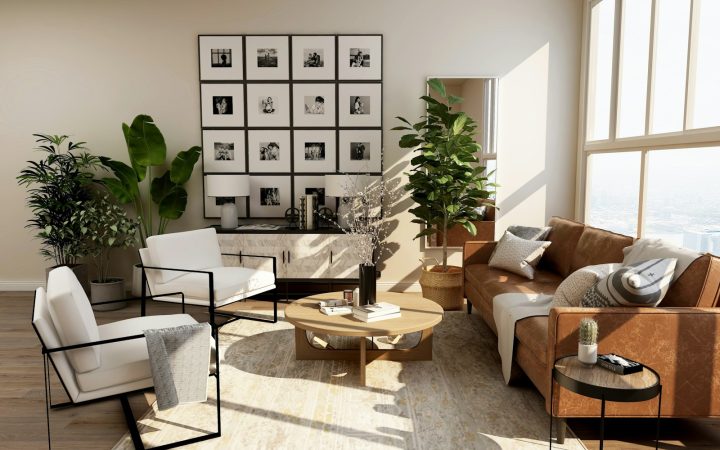
An expert comparison of open media consoles and closed TV storage in small living rooms, including cable access, gaming gear, remotes, kids, dust, visual clutter, ventilation, flexibility, and…
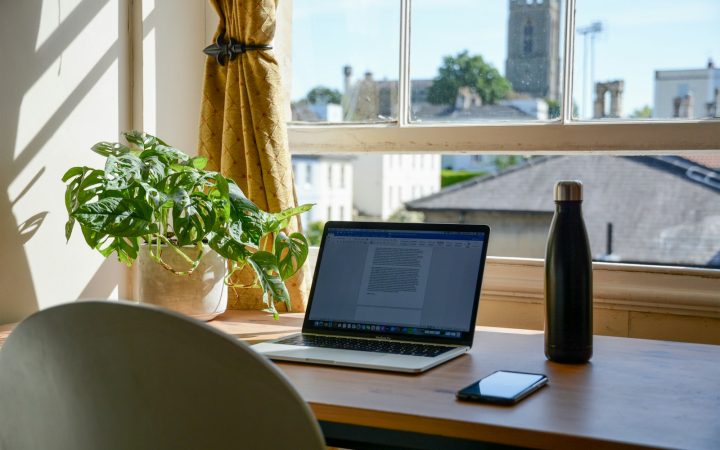
A practical shared-desk system for couples, roommates, or parents and kids: personal work kits, fast swaps, monitor rules, cable control, ergonomics, scheduling, and end-of-day reset.
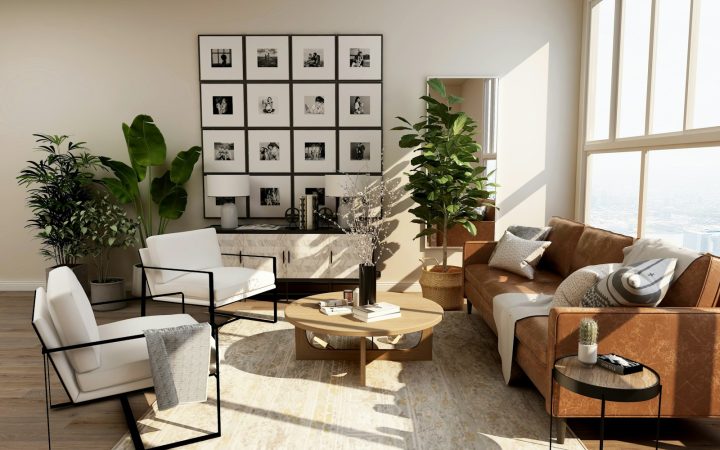
A realistic system for homes where one table must switch between meals, homework, remote work, crafts, paperwork, and family projects several times a day.

Make a drawerless desk work with one active-supply caddy, vertical paper storage, contained cables, and a strict rule for what gets to stay on the desktop.
A useful note for your week
Simple tips, new articles, and inspiration delivered to your inbox each week.
Practical guidance
A multipurpose room might support work, guests, family meals, or play at different times. The challenge is keeping each activity easy to start and finish. These guides focus on defined zones, flexible layouts, and storage that makes transitions manageable.
Identify the main use, then decide where secondary-use items will live when not needed. Equipment should have a clear home rather than remaining on the only useful surface. Choose boundaries that suit the room: furniture placement, a shelf, or a small storage group may be enough.