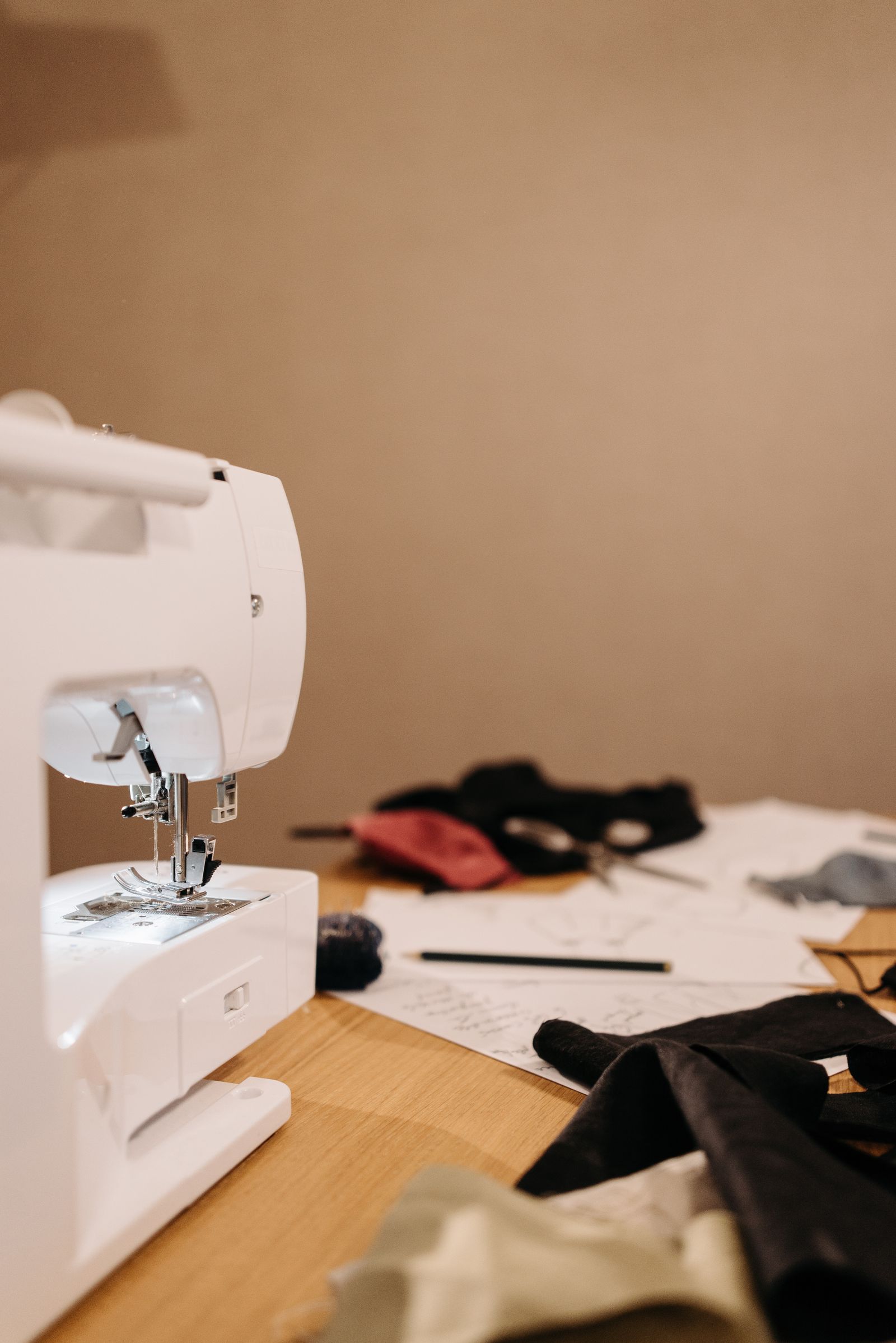
A dining table can be a practical place for occasional machine sewing, especially when a small home has no spare room. The difficulty is usually the transition: the machine appears, the fabric spreads, the foot control needs a place, and dinner still has to happen later.
Make the station temporary on purpose. Plan support for the exact machine, a workable seat and foot-control position, room for the fabric, and a complete return to dining use. A sewing setup that takes over the table indefinitely is a different household arrangement from one that packs away after a session. For the broader setup, A Temporary Tabletop Photo Setup for Selling Household Items From a Small Home is a useful next read.
Use your machine’s instructions for placement, electrical connections, threading, operation, switching off, and transport. This guide plans the shared room around those requirements; it does not supply model-specific sewing or electrical instructions.
Decide what one session needs
Choose a modest project and identify the steps you will actually complete at this table. A short machine-sewing session may require the machine, the approved foot control, suitable tools, and one prepared section of fabric. It may not require the entire fabric collection or every attachment you own.
Separate preparation, machine work, and any finishing tasks that need their own approved equipment and location. A large cutting layout may not fit on the same surface as the machine. Pressing can have different support and heat requirements. Do not assume the dining table can handle every stage because it handles meals.
Write a stopping point that leaves the project understandable. For example, complete one seam group and return the project with a short note about the next step. The note matters when the station is dismantled; it keeps the next session from beginning with a reconstruction of what you were doing.
Check the table as equipment support
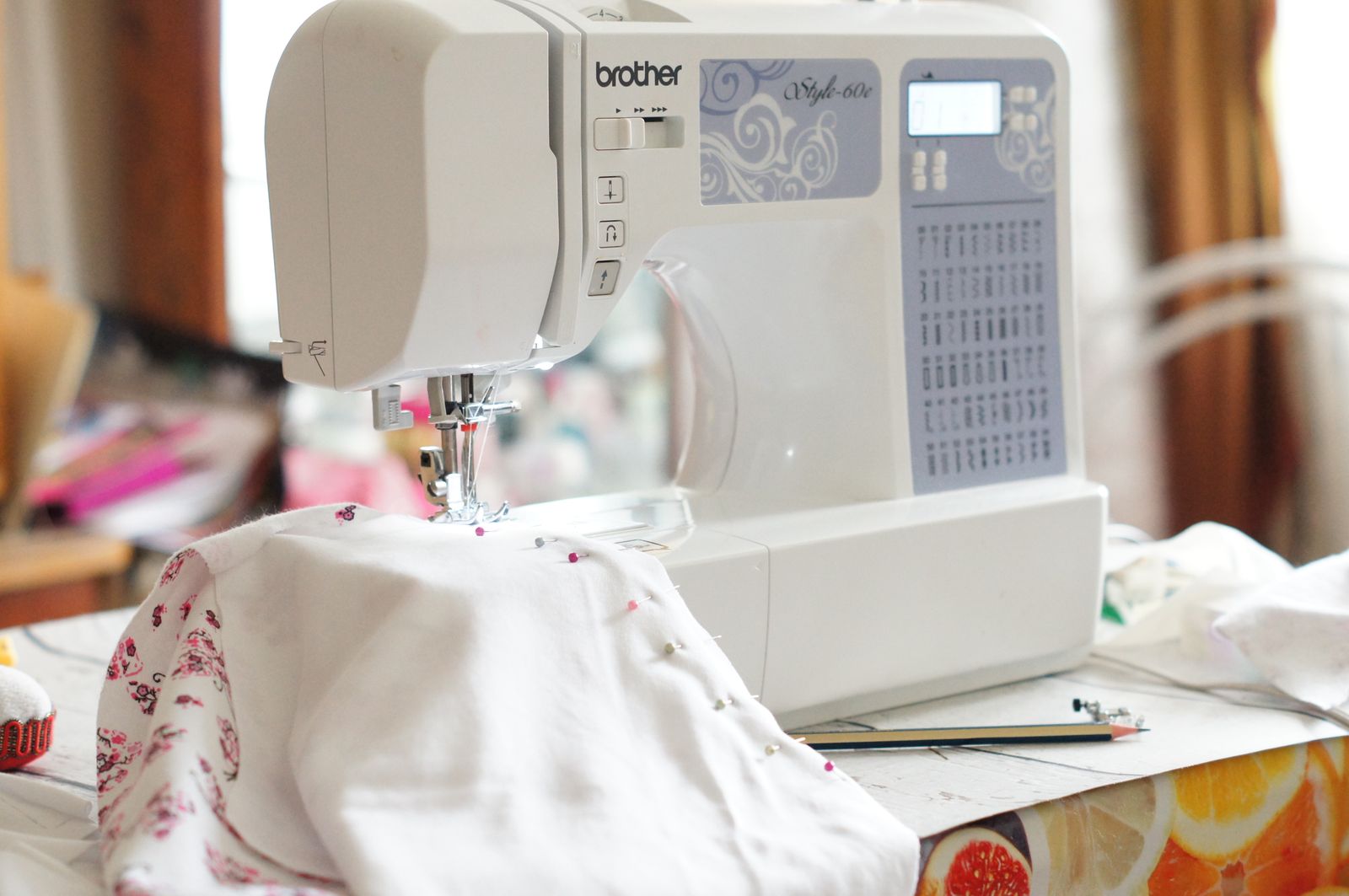
Review the machine’s support requirements and the table’s permitted use. Check stability, surface condition, load suitability, and any extensions or mechanisms involved. A leaf that is comfortable for a dinner plate is not automatically suitable for equipment placement.
Place the machine where its intended base is fully supported as required. Account for the working surface around it, not only the machine’s outline. Avoid hanging an edge over the table to create more room for fabric. The table should remain stable during the intended operation.
Use surface protection only if it is appropriate for both machine operation and the table finish. A thick, soft pad may change the support rather than improve it. Follow the manufacturer’s guidance instead of stacking towels underneath to reduce noise or protect the surface.
If the table does not suit the exact machine, choose another approved support arrangement. Our multipurpose dining-area guide can help with household use, but furniture fit does not override equipment requirements.
Set the chair and foot control together
Sit at the proposed position before beginning the project. Check that you can use the machine’s intended controls and see the work clearly while the chair and table remain appropriately arranged. If the position requires a constant awkward reach, change the layout before committing the session.
Place the foot control as directed for your machine, with its cord routed according to the instructions. Consider the chair legs, your intended foot position, and the household’s route past the table. A foot control should not drift into someone else’s walking area.
Do not improvise a raised foot-control platform or modify the control to compensate for an unsuitable chair-table relationship. Use permitted equipment and a suitable setup. If the exact arrangement cannot work, move the station rather than forcing the household around it. For the broader setup, How to Set Up a Shared Homework and Work Station in a Small Home is a useful next read.
Check the position with the chair occupied. The chair can extend much farther into the room while someone is sewing than when it is tucked in for storage. Use the room principles in our chair-clearance guide to preserve necessary access around that occupied place.
Give the fabric room to approach and leave the machine
Trace the fabric’s path for the planned task. Notice where it starts, where the stitched section will collect, and whether its weight would pull it off the table. A layout that works with a tiny sample may not work with a long curtain or a bulky project.
Keep the required support consistent with the machine instructions and the project method. Do not ask another person to hold an unsupported heavy section in a position that interferes with the operation. If the project exceeds the table’s workable space, reduce the session to a suitable task or find another setup.
Separate the fabric’s working area from food, drinks, and unrelated household objects. A cup placed just outside the machine’s footprint can still be inside the fabric’s movement. Clear the planned path rather than protecting only the small area directly under the equipment.
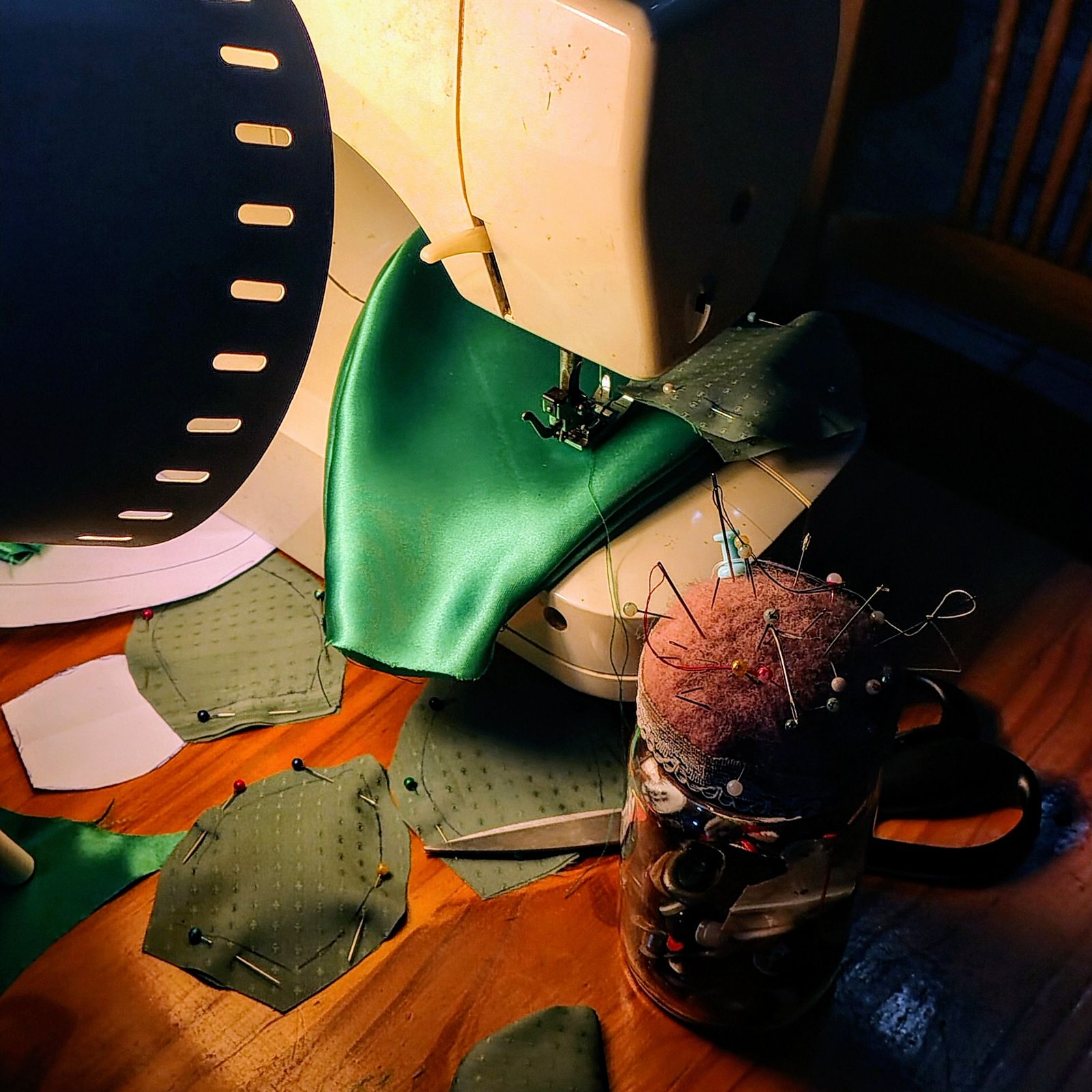
Store tools in one suitable accessible group beside the work, outside the moving fabric and machine areas. Keep sharp items and small parts controlled, especially when children or pets use the room. The storage needs to serve both the active session and the later return.
Plan power and household movement before sewing
Use the machine’s approved power connection and follow its electrical guidance. Check the location of the required outlet before placing the table and chair. Do not improvise extensions, adapter arrangements, or cable modifications to make a distant outlet work.
Keep cords in the intended arrangement and away from interference described by the maker. Include the foot-control cord in the room check. People should not need to step over the station’s cables to get to a meal, a cupboard, or another room.
Agree on access while the station is active. An adult operating the machine needs a clear working boundary. Children should not treat the dining chair, foot control, or moving fabric as play equipment. Appropriate supervision and access control matter more than putting a friendly label on the table.
If the shared room cannot support that separation during the planned time, choose a quieter session or another location. A temporary station should adapt to real household traffic rather than relying on everyone remembering a complicated detour.
Set an end time that includes putting everything away
Work backward from the next dining use. Allow time for the machine’s prescribed shutdown and handling, the tool return, project storage, and appropriate cleaning of the table. The last stitch is not the moment the dining room becomes available. You may also find Dining Room Storage Review: Sideboard vs. Storage Bench vs. Wall Shelves useful for a closely related small-home problem.
Choose a stopping point that does not require rushing near the machine. If the project is taking longer, stop at a suitable stage and record the next step. Leaving one planned section unfinished is easier to manage than leaving equipment, cords, and loose tools in place through dinner.
The dining-table reset routine provides a useful household handoff. For a machine session, add the exact equipment’s shutdown and transport requirements before the ordinary surface reset begins.
Pack the machine, tools, and project as separate jobs
Switch off, disconnect, and prepare the machine for handling as directed. Use its intended carrying and storage method. An appliance-sized bag is not proof that a particular machine fits safely inside it, and a convenient shelf must still be suitable for the actual equipment.
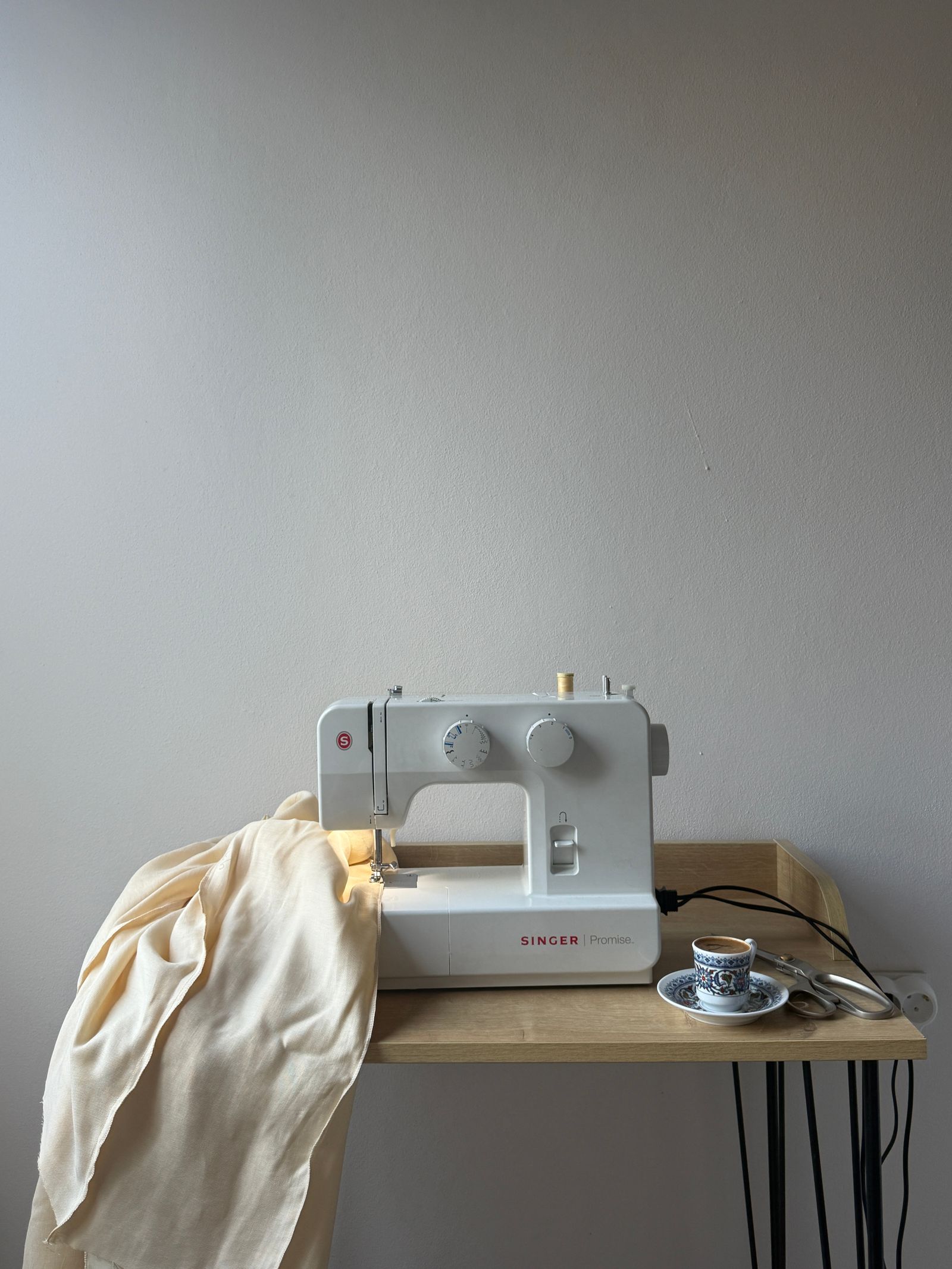
Return the foot control and approved accessories with their identity intact. Avoid twisting or tightly wrapping cords in ways the maker does not permit. Store tools in their suitable container with access appropriate to the household.
Put the unfinished project in a separate suitable home. Retain its pattern, relevant pieces, and short next-step note together. Keep loose needles, pins, and cutting tools controlled rather than treating the fabric bundle as their storage system.
Check the table and immediate floor for small items before returning the area to dining. Clean the surface appropriately for the table and the next use. Restore chairs only after the equipment and cords have been removed from their movement.
Review the transition after two real sessions
Notice what took the most effort. Was it moving the machine, finding the foot control, clearing a fabric pile, or remembering the unfinished project? Fix that specific transition before buying more craft storage.
A closer appropriate machine-storage location may matter more than a large supply cabinet. A smaller active project group may matter more than a new rolling cart. Our pack-away hobby-zone guide covers the wider collection once the machine station itself works.
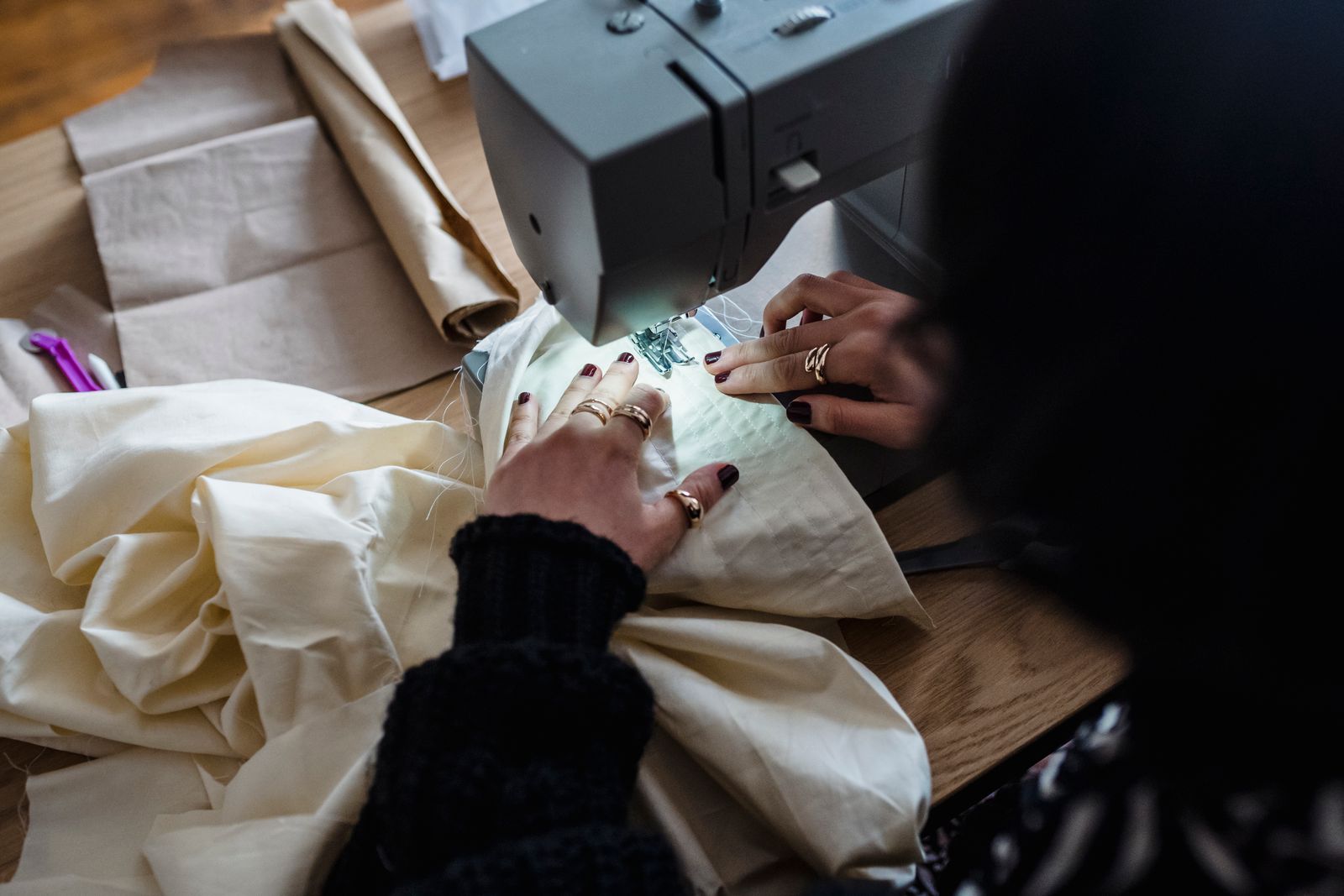
If repeated setup is too demanding for the household, reassess the arrangement honestly. A dedicated suitable surface, a different approved machine location, or using the table less often may be more practical. The Small Space Living collection offers room-planning ideas for those choices.
The goal is a complete cycle: a suitable machine position, a useful session, and a table returned to its next job. When all three stages fit the room, occasional sewing can belong in a small dining area without leaving the household permanently between projects.