Hobbies need room to spread out. Small homes usually need that same table, desk, or floor space for something else a few hours later.
The problem is not having a hobby. It is having a hobby setup with no ending.
A compact craft or hobby zone works best when it has three layers: active tools, project storage, and deep supplies.
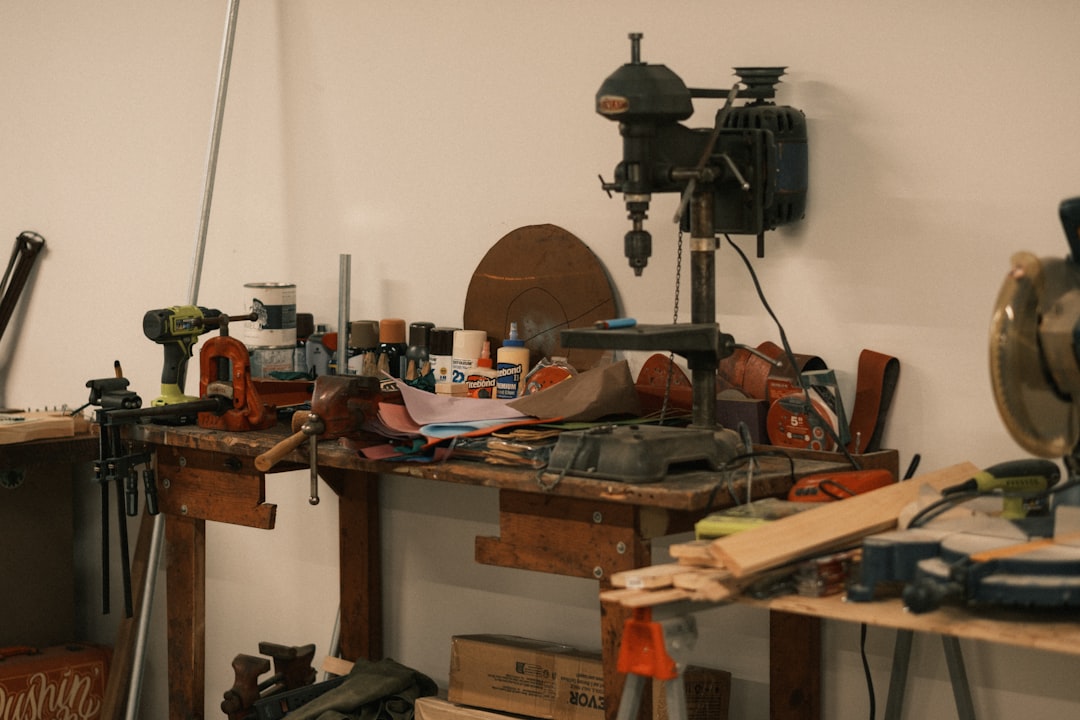
Choose one project surface
Pick the place where the hobby can realistically happen: a dining-table end, desk, folding table, console, or small workbench. For the broader setup, How to Organize a Small Bedroom Dresser So Clothes Don’t End Up on Top is a useful next read.
Do not let supplies colonize several surfaces just because the current project has many pieces.
Keep active tools in one portable container
The tools used in nearly every session belong together. Depending on the hobby, that could mean scissors, tape, brushes, needles, measuring tools, sketch pencils, or small hand tools.
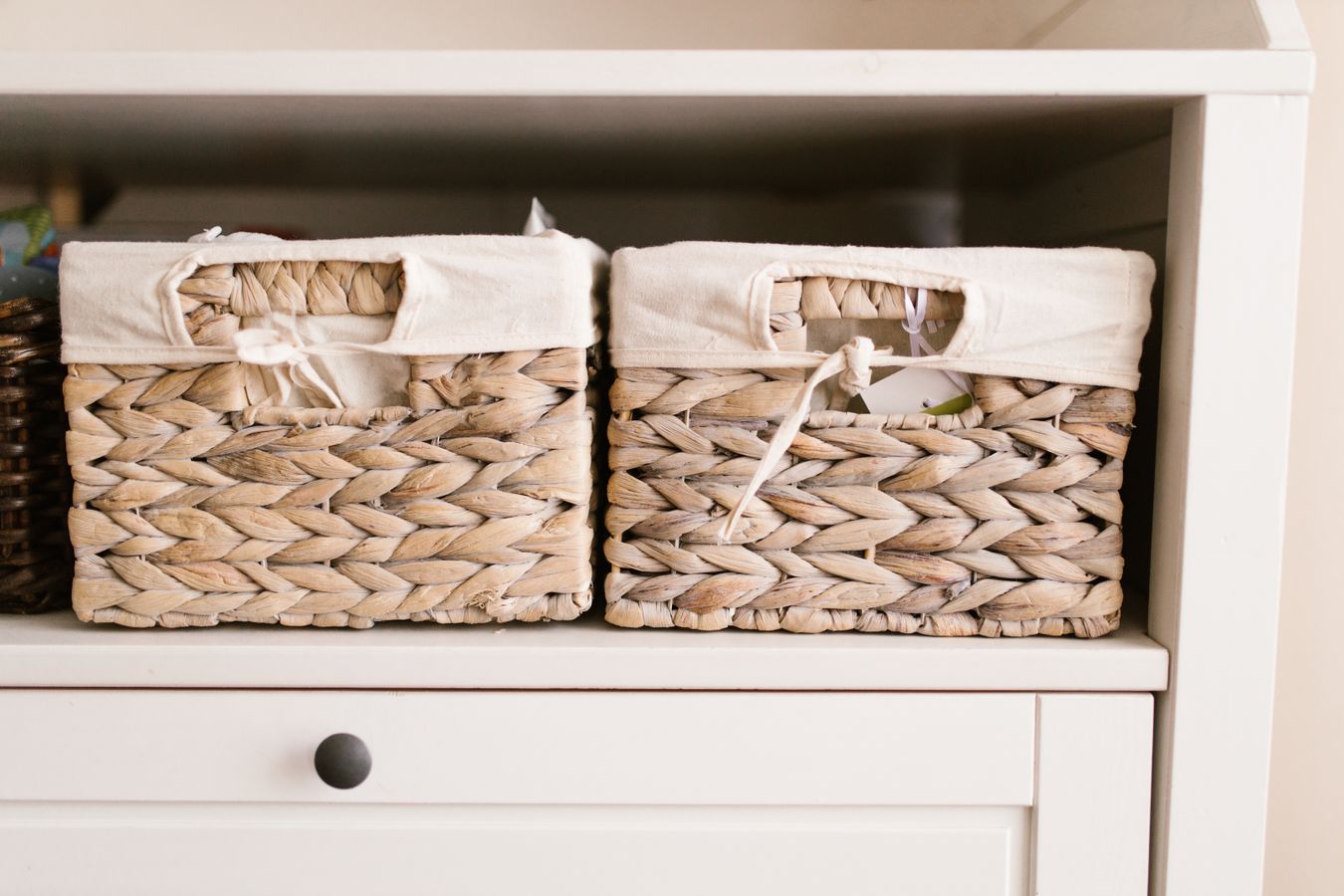
The container should be easy to bring out and put away in one trip.
Separate active project materials from the full supply collection
Only the materials needed for the current project should live near the work surface. Bulk paper, fabric, yarn, paint, hardware, or specialty tools can stay in deeper storage.
This prevents “creative access” from becoming permanent visual clutter.
Give works in progress a physical limit
Use one tray, box, project bag, or shelf. If the current project outgrows that boundary, decide whether it needs a larger temporary container or whether too many projects are open at once.
Store by activity, not by color
A small space benefits from practical groupings:
- drawing tools,
- paper and cutting,
- painting,
- sewing/needlework,
- repair tools,
- current project.
Organizing every tiny item by color or size may look satisfying but can make setup slower.
Create a cleanup tray for tiny pieces
Buttons, screws, beads, clips, thread ends, and small components disappear easily. Use one shallow tray during the session so tiny parts do not spread across the room.
Build a shutdown routine before buying more storage
At the end of the session:
- return active tools to the caddy,
- put current materials into the project container,
- clear scraps and trash,
- photograph or note where you stopped if needed,
- restore the shared surface.
This should take five to ten minutes, not half an hour.
Use vertical storage only for supplies that benefit from visibility
Pegboards, wall rails, shelves, or hanging organizers can be useful, but a wall covered with every hobby tool can make a multipurpose room feel permanently industrial. If you are working on the same space, How to Reset a Multipurpose Room Between Work, Play, and Guests covers the next decision in more detail.
Display the categories you use often; contain the rest.
Keep “someday project” supplies on probation
Materials bought for an idea that never starts are still taking space from the hobbies you actually practice. Give future projects a container limit and review it periodically.
If the hobby shares a guest room
Make sure project supplies can close down fast enough for guest mode. Use How to Make a Small Guest Room Work as Storage Without Feeling Like a Storage Room.
If the hobby shares the dining table
The shutdown standard needs to be stricter. Keep the work-in-progress container portable and make the table clear enough for its next household function. If you are working on the same space, How to Make a Small Dining Area Work for Meals, Homework, and Crafts covers the next decision in more detail.
A 15-minute monthly hobby edit
- discard scraps that are no longer useful,
- return tools to their category,
- review unfinished projects,
- combine duplicate supplies,
- remove one “someday” material that no longer excites you,
- leave room for the next project.
Frequently asked questions
Do I need a craft cart?
Only if the cart solves a real movement or storage problem. A smaller caddy may be enough for daily tools.
How do I store unfinished projects?
Use one project box, tray, bag, or shelf with a hard capacity limit.
What if my hobby has lots of supplies?
Separate active supplies from deep inventory so the whole collection does not need to be visible during every session.
A hobby zone should make starting easy and stopping possible
The most useful system is not the one that displays every supply. It is the one that lets you sit down, make something, pause without losing your place, and give the shared room back when you are done. For the broader setup, How to Make One Small Room Work for Two or Three Purposes is a useful next read.