A dresser can be perfectly organized inside and still fail every day.
The sign is the top: folded laundry, pajamas, tomorrow’s outfit, socks, receipts, and clothes that were too hard to squeeze back into a drawer. When the dresser top becomes a second wardrobe, the problem is usually friction inside the drawers. For the broader setup, How to Manage Hand-Me-Down Kids’ Clothes Between Siblings Without Storing Too Much is a useful next read.
A good dresser makes put-away easier than piling.
Empty one drawer at a time
Do not dump the entire dresser onto the bed unless you truly have time for a full edit. Work drawer by drawer so the room stays functional.
Assign the easiest drawers to the most-used clothes
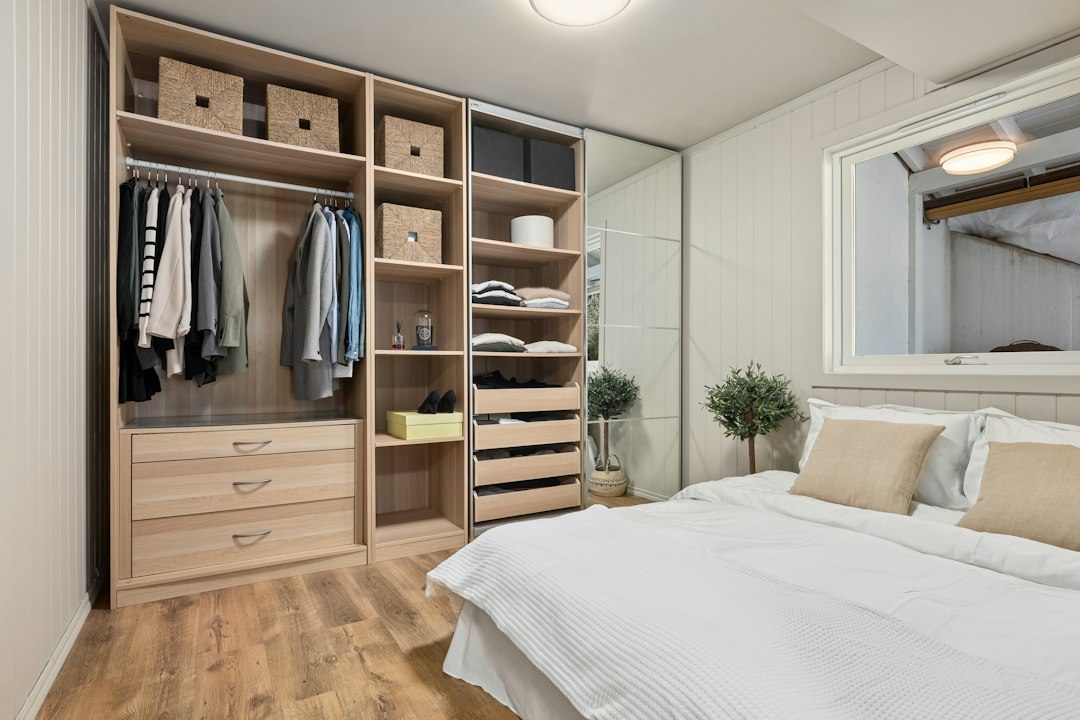
Prime drawer space should hold the categories you reach for constantly:
- underwear and socks,
- everyday tops,
- pants or shorts,
- sleepwear.
Occasional or off-season items can go lower, higher, or elsewhere.
Leave enough air for laundry day
A drawer that only closes after compression has no capacity for the next clean load. Remove enough volume that clothes can return without rearranging the whole drawer. For the broader setup, How to Make a Small Bedroom Feel Less Cluttered Without Buying More Storage is a useful next read.
This one change is often what stops clean laundry from living on top of the dresser.
Fold for visibility, not for a perfect technique
Use a folding method that lets you see choices and return clothing quickly. Vertical folds can help in some drawers; simple stacks may work better in shallow ones.
The best method is the one you can repeat after a tiring laundry day.
Use dividers only for small categories
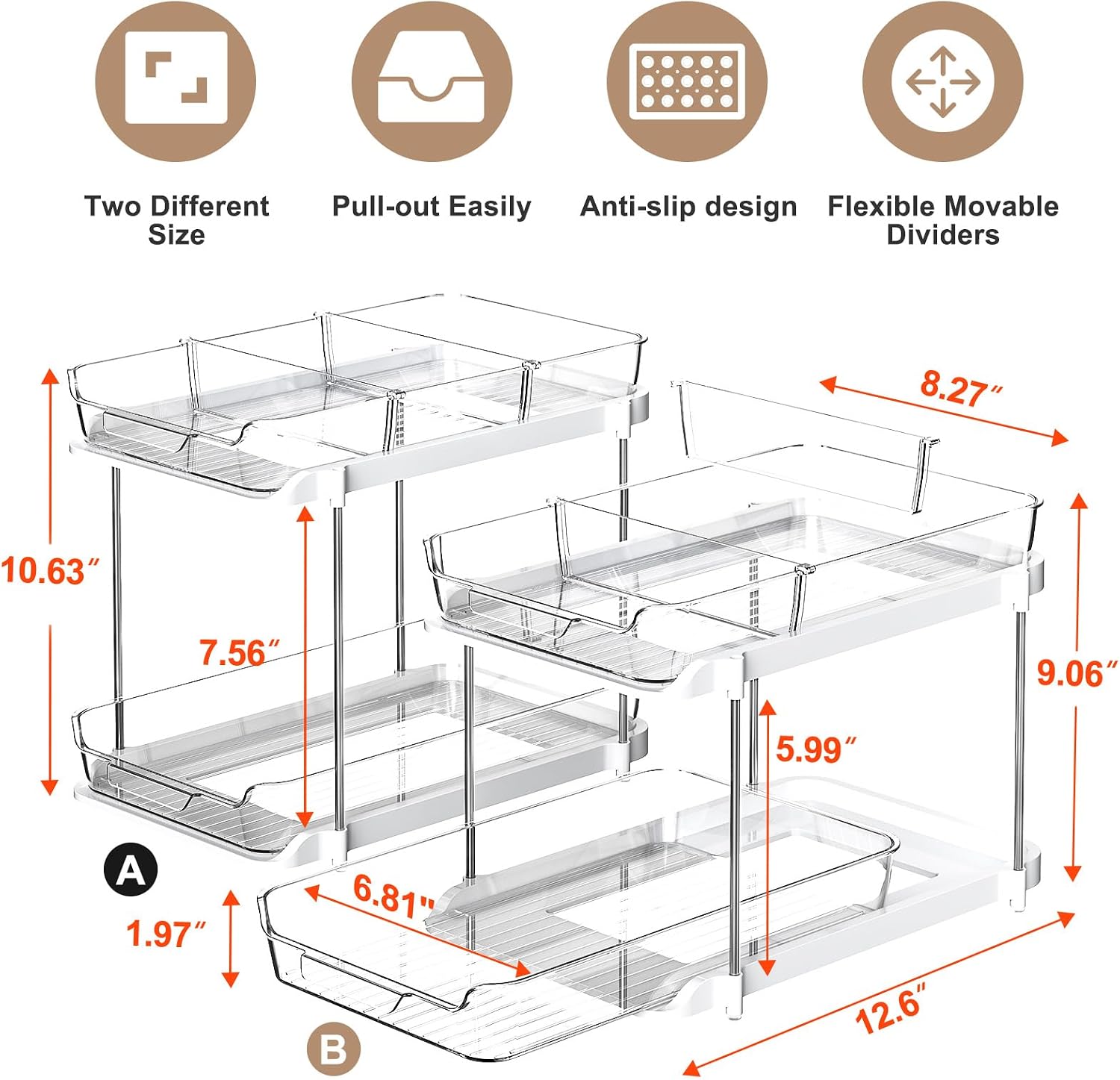
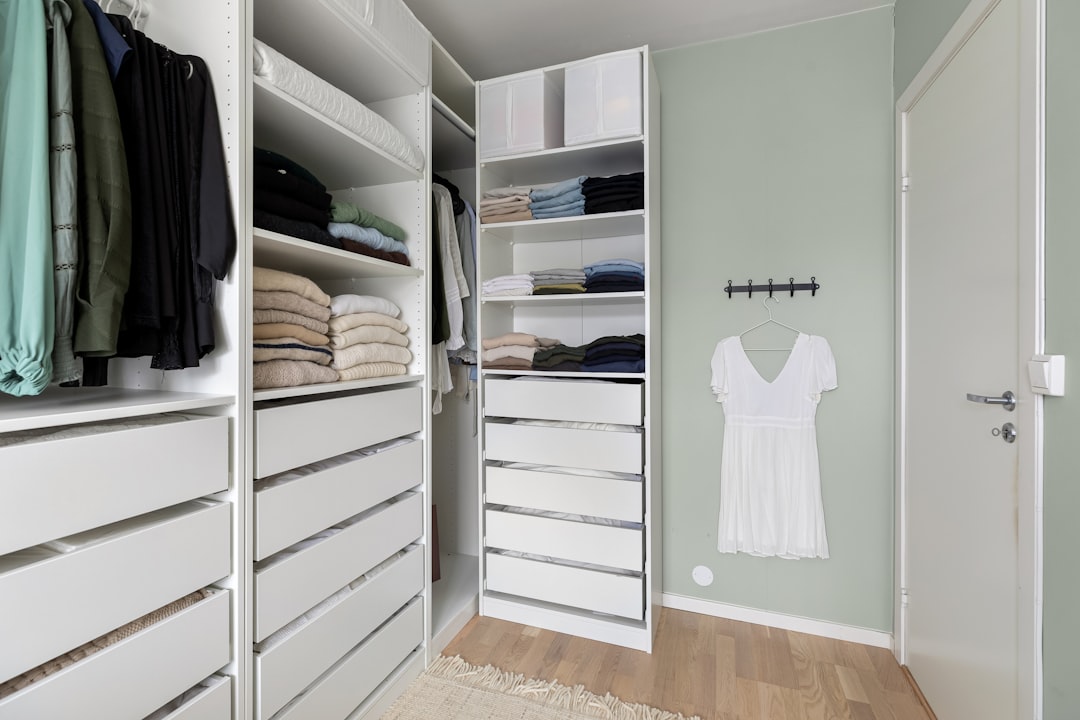
Dividers are useful for socks, underwear, accessories, or small clothing that mixes together. They do not solve overstuffed T-shirt drawers.
Create a home for “wear again” clothes somewhere else
Do not use the dresser top for jeans or sweaters you plan to wear again. Give those items a hook, basket, or small wear-again zone.
See How to Keep a Small Bedroom Clean When Clothes Keep Piling Up.
Protect the top with a permanent-item limit
Choose a small number of things that are allowed to live on top: perhaps a lamp, jewelry tray, or one decorative object.
When clean clothes appear there, they look temporary—and are more likely to be dealt with.
Use the top as a short-term staging surface only
It is fine to set folded laundry there while putting it away. The rule is that the surface returns to normal before bedtime.
Move off-season clothes out of daily drawers
A small dresser should serve the current season. Move bulky seasonal clothing to under-bed or closet storage so daily drawers keep breathing room. For the broader setup, How to Use Under-Bed Storage Without Creating a Hidden Clutter Zone is a useful next read.
The five-minute dresser reset
- clear the top,
- return clean clothes,
- move wear-again clothes to their zone,
- pull one overstuffed drawer and remove one or two low-use items,
- close every drawer fully.
Signs the dresser itself is the wrong size
If you have edited clothing volume and drawers still cannot support the categories you need, the furniture may not match your wardrobe. But confirm the volume problem first before buying a larger dresser.
Frequently asked questions
Should I use drawer organizers?
Use them for small items when they reduce mixing. They are optional for larger clothing categories.
Why do clothes keep ending up on top?
Usually because the drawers are too full, the category has no clear home, or returning the clothes takes too many steps. For a related step-by-step approach, see How to Store Coats and Shoes When Your Small Home Has No Coat Closet.
What should stay on top of a dresser?
Keep only a small number of permanent items so temporary clothing remains obvious.
The dresser top is feedback
If clothes keep landing there, do not just clear the surface again. Make the drawers easier to use. Reduce volume, give frequent clothes better positions, and leave enough space for clean laundry to come home.