
Closets, Cabinets & Drawers
Organize Seed Packets Without Losing Variety Names or Local Sowing Notes
Preserve packet identity and original directions, then build a small regional planning index without treating every seed alike.

Practical ideas for small family homes
Practical systems for closets, cabinets, drawers, and other high-use storage zones.

Start here
Three practical starting points to help you make progress without overhauling the whole house at once.
Preserve packet identity and original directions, then build a small regional planning index without treating every seed alike.
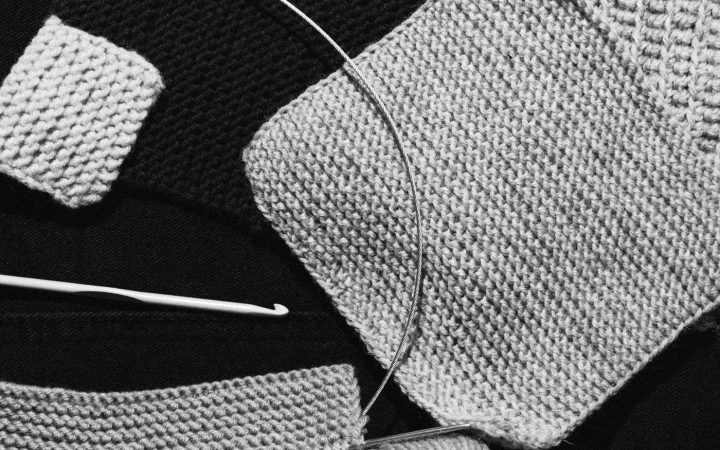
Separate needle types and maker systems, retain reliable sizes and cable information, and show which parts are available or still attached to a project.

Reunite numbered bags, tags, clips, and instructions before planning a countdown, with a simple record of missing pieces and repairs.
A simple rhythm
Use short, repeatable passes. The goal is less friction and a setup that is easier to maintain.
Start with the spot, category, or routine that creates the most daily frustration.
Remove duplicates, expired items, and anything that no longer earns its space.
Keep what remains where it is easiest to use, return, and find again.
Use one small repeatable reset so the space stays useful after the first tidy-up.
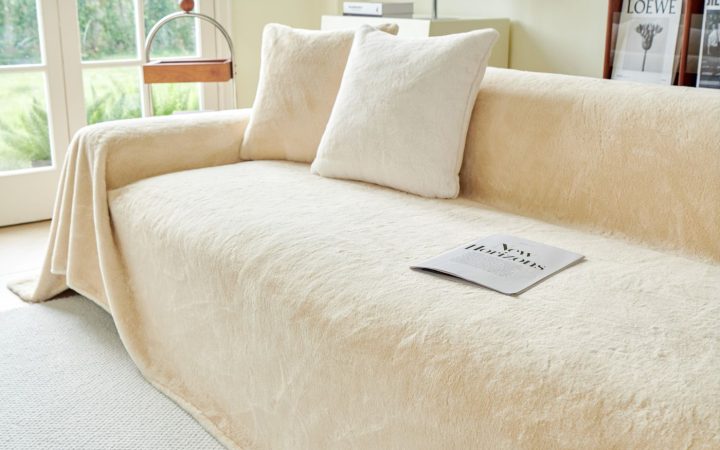
Record furniture identity, component counts, care instructions, and ready condition so a stored slipcover set can return to the right sofa.
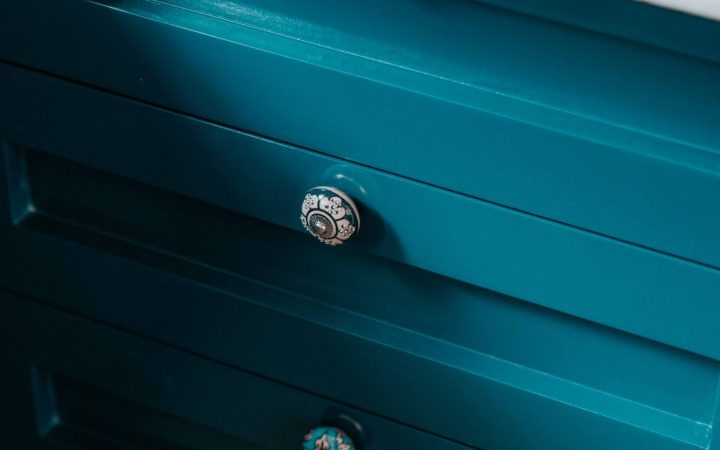
Link original knobs, handles, and their matched fasteners to a specific piece of furniture so an authorized reversible change can actually be reversed.
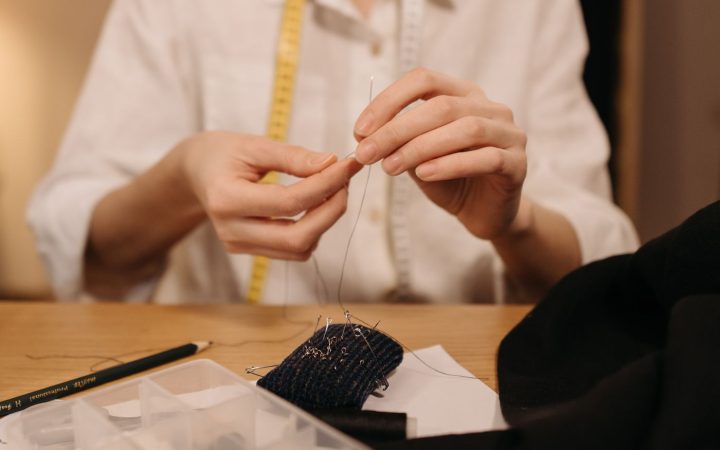
Keep needle packaging, type and size linked, manage a small active set, and close each repair session with accounted-for tools rather than a mixed pincushion.
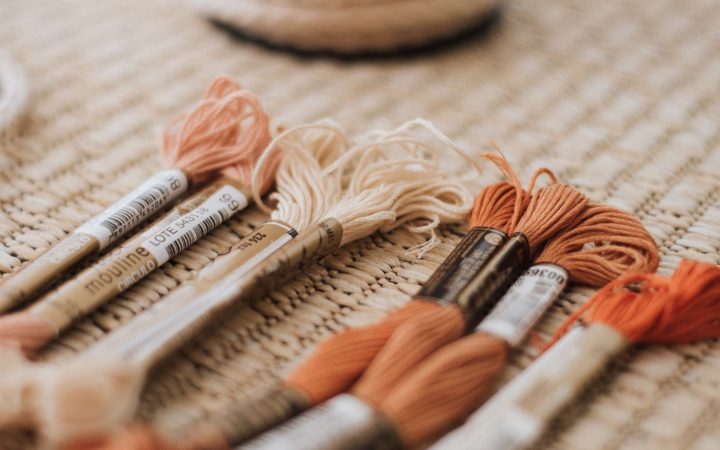
Preserve thread identities, separate project allocations from general supplies, and return usable lengths without mixing unknown colors into a coded embroidery collection.

Keep fabric remnants by the pieces a project can actually use, preserving important material information and limiting the scraps that return to a small storage shelf.

Agree which pieces are leaving, how they may be used, and when they return, then check condition before borrowed table decor goes back into household storage.
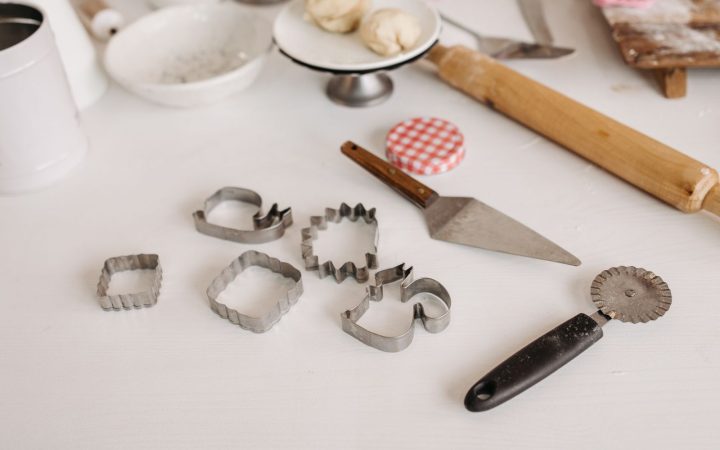
Identify everyday cutters, tips, and matched couplers, then build a small decorating kit that is easy to select, dry, and return.

Give everyday belts and scarves independent retrieval, material-appropriate support, and a simple return route in a small shared closet.
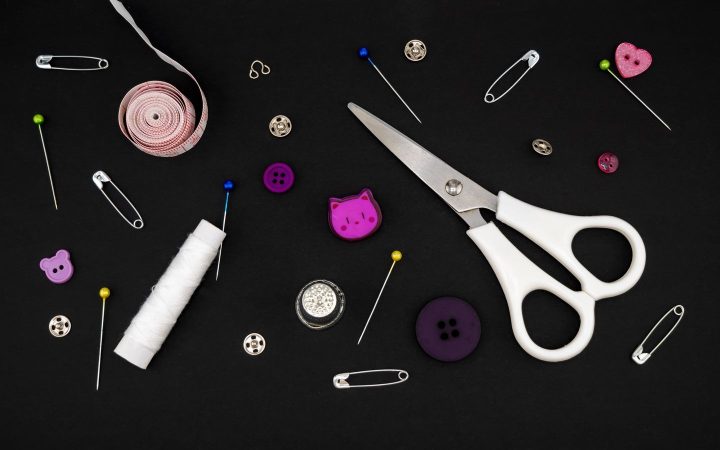
Organize a compact mending kit, separate simple repairs from tailor jobs, and return finished clothes to the wardrobe.
A useful note for your week
Simple tips, new articles, and inspiration delivered to your inbox each week.
Practical guidance
Closets, cabinets, and drawers can hold a lot while still making belongings difficult to find. The most useful arrangement keeps daily items visible, separates categories that become tangled, and uses deeper or higher areas deliberately. Start with the storage space that causes the most repeated searching.
Consider what must be reached, removed, opened, and returned. Deep cabinets may benefit from pull-forward groups, while drawers often need boundaries between small categories. Clothing storage should make both dressing and putting away laundry straightforward.