
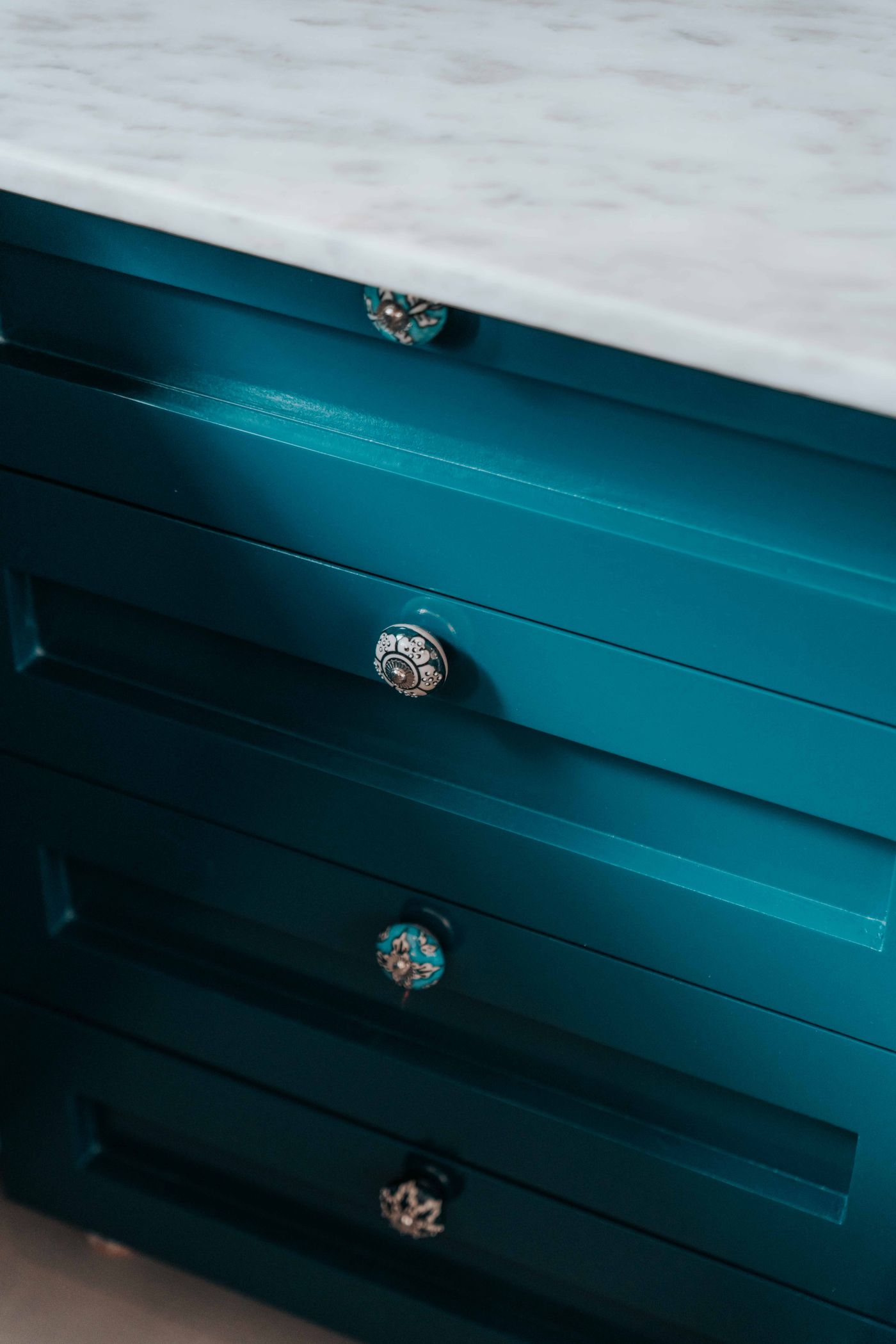
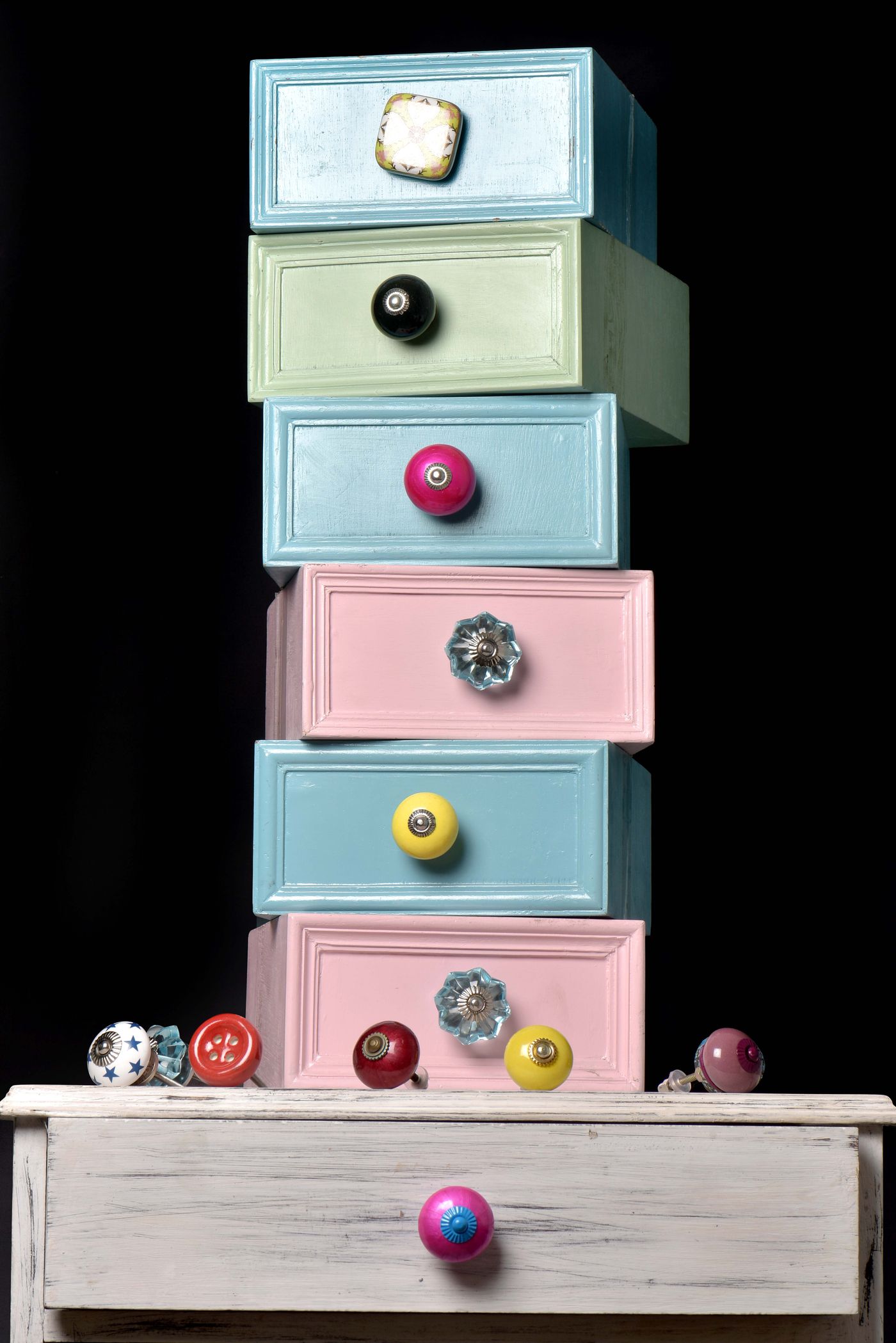
Replacing a dresser knob can be a small decorating change. Reversing it six months later is only small if the original knob and its matching fastener are still together. A drawer full of unidentified screws does not preserve that option, even when every piece was technically kept.
Houzz’s Fall 2026 report describes interiors that evolve and mix personal character with existing furnishings. A return kit for original hardware supports that approach without treating every decorative swap as permanent. This is an organization guide for changes you are permitted to make. It does not establish that a replacement fits, authorize alterations to rented property, or replace the furniture maker’s assembly and repair instructions.
Define what must be reversible
Before removing anything, decide what returning to the original condition would require. For a simple approved knob change, that may mean the original knobs and their exact screws. A handle arrangement can involve several fasteners, washers, spacers, or other components. Identify the real assembly rather than assuming the visible decorative part is the whole set.
Confirm ownership and permission where relevant. Hardware belonging to a landlord, a furnished rental, or another household member should not be treated as spare material for experiments. Record the agreed scope privately with the item’s reference information. If the instructions or authorization are unclear, resolve that before the change begins.
Choose a temporary work area where small parts can be contained and accounted for. Keep children, pets, food, and unrelated projects away as appropriate. The questions to ask before buying an organizer are useful here: define the contents and the return task before choosing a decorative box.
Record the original arrangement while it is still complete
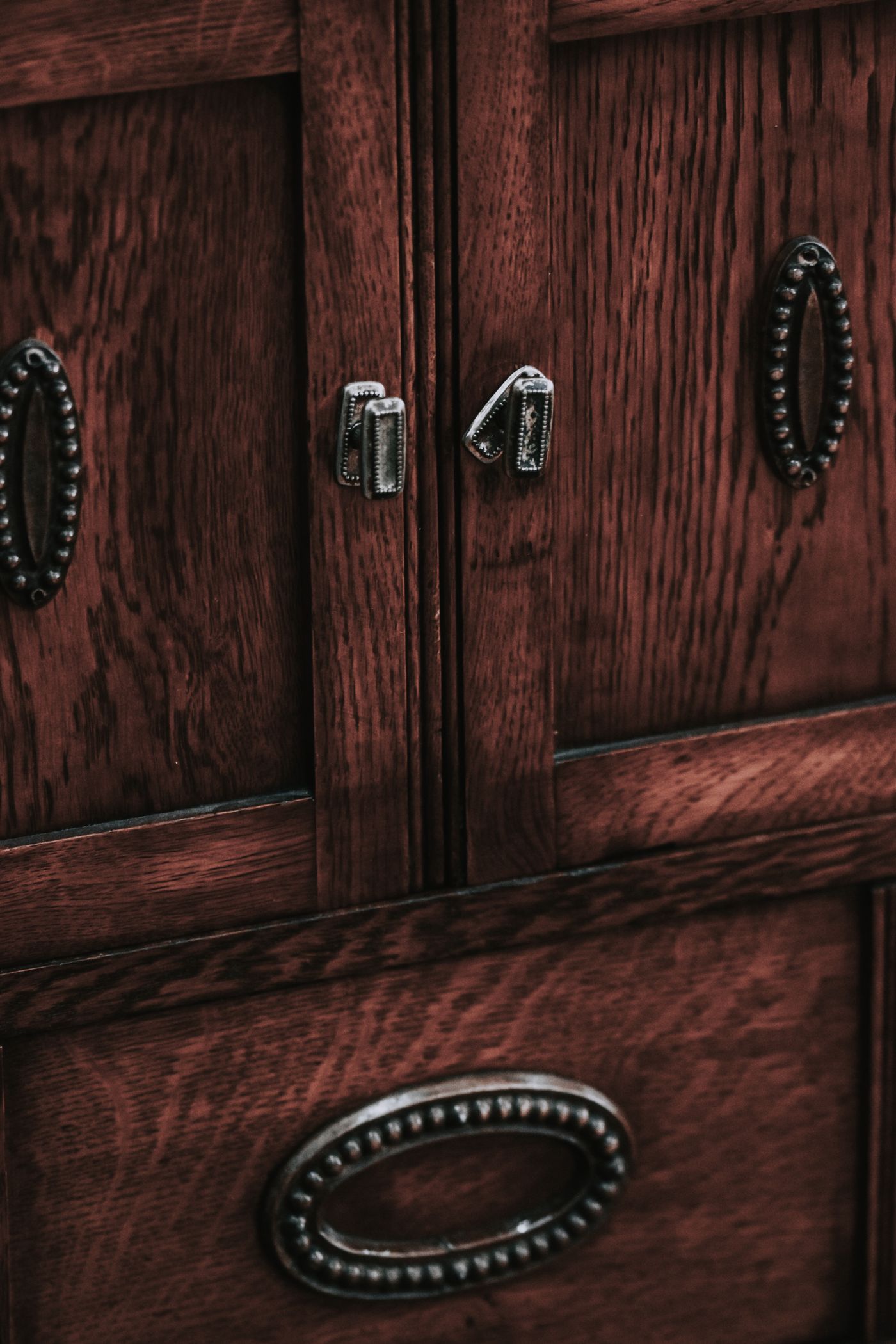
Photograph the relevant furniture and its original hardware before an authorized change. Include a useful overall view and any accessible detail that helps identify which part belongs where. Do not disassemble something solely to obtain a better photograph. Follow the actual instructions for any removal and reassembly.
Give the piece of furniture a recognizable name, such as “bedroom blue dresser, upper left drawer.” If several pieces look similar, add a private inventory identifier. A note saying “old knobs” is unlikely to help the person who must restore the furniture after the room has been rearranged.
Record the maker or model when known and retain the relevant instructions. If you do not know a specification, leave it unresolved rather than guessing from a photograph. The record should explain the original arrangement; it is not a substitute engineering drawing or proof that a different fastener is compatible.
Keep each matched assembly together
As parts are removed according to the appropriate instructions, contain each matched group in a suitable labeled enclosure. Avoid a shared pile where similar screws can be mixed before they are identified. Keep parts dry and protect delicate finishes from contact that could damage them.
Label the group with the furniture identifier and location, then add a simple contents count. “Blue dresser, upper left: one knob and one original screw” is a useful example only when that is the actual assembly. Do not copy the example count onto a handle that has two fasteners and additional fittings.
If a part is damaged or missing, record that immediately. A kit marked complete while containing a substitute creates false confidence. Keep an unverified replacement separate and clearly identified until the furniture maker or an appropriately qualified person confirms what is needed.
Separate return kits from general repair stock
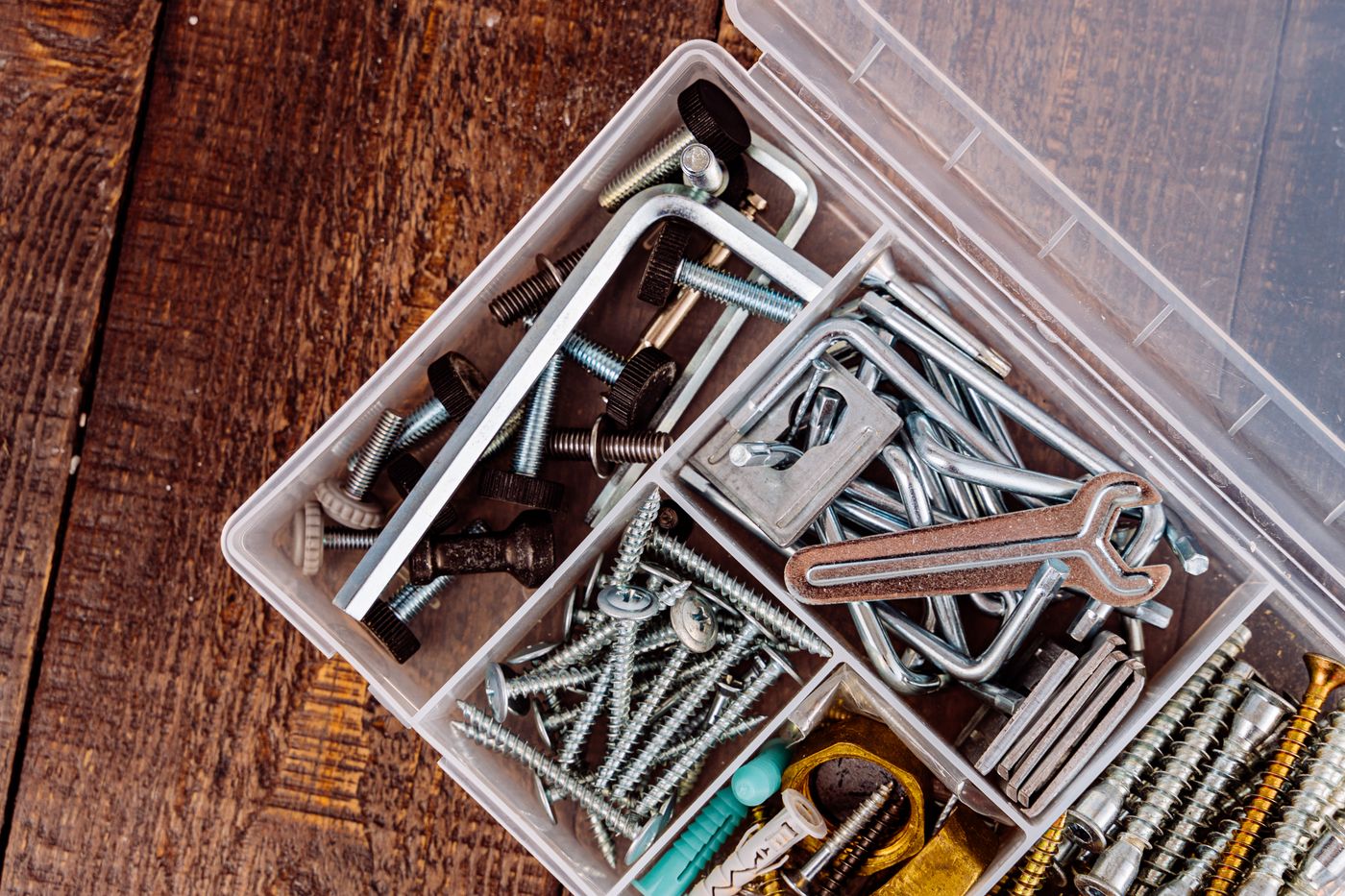
Original hardware has a specific destination. General-purpose fasteners may be useful stock, but they should not occupy the same unmarked compartment. Otherwise, a future repair can quietly borrow the screw that makes the furniture swap reversible.
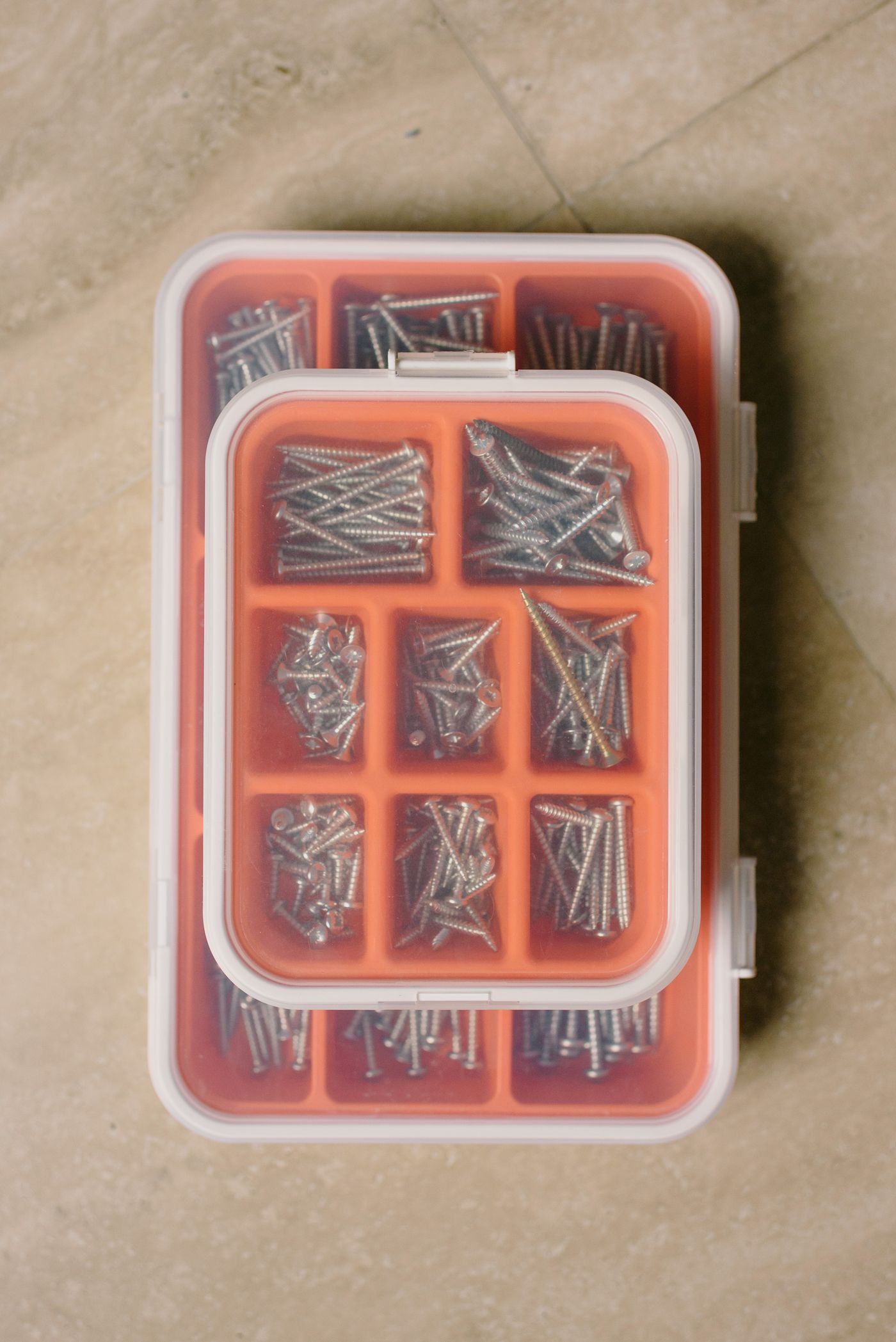
Keep the complete original groups in a second suitable container or defined section labeled by furniture. If you use a compartment case, check that its lid and dividers actually contain the small parts during ordinary storage and retrieval. Loose screws that migrate between compartments can defeat a carefully written label.
Avoid putting the original pieces into a beautiful but unsuitable dish simply because the knobs are decorative. The capacity-first storage approach helps account for the labeled enclosures, instructions, and actual access required. A container should support the return task without requiring a larger supply collection to justify it.
Keep the replacement record separate but connected
Record which replacement was installed, when, and where, retaining the purchase or product details needed to identify it. Keep those records linked to the furniture identifier. The original hardware can remain a distinct physical group while the written record explains the current arrangement.
Do not label the replacement as an exact equivalent unless that has been established. Differences in dimensions, fasteners, or installation conditions can matter. This organization system does not validate the substitution or guarantee that repeated removal will be appropriate for the furniture.
If you tried a replacement and decided against it, update the record to show that it was removed. A folder full of options can otherwise make the current state difficult to understand. Retain only the information that supports ownership, authorized changes, care, returns, or a genuinely useful future decision.
Store the kit where the right person can find it
A secure, suitable closet or storage location can work if it is dry, accessible to the responsible adult, and appropriately out of reach of children or pets. Do not hide the only record of the kit inside the same unidentified container you are trying to make retrievable.
Add the location to a simple household inventory note. If the hardware belongs to someone else, agree who keeps it and how it will be handed back. A moving-day helper should be able to identify the correct furniture without opening every box of miscellaneous household items.
Keep the kit separate from active sewing and craft supplies. The small mending-kit guide concerns another group of tools with a different return routine. Both can share a storage area when appropriately contained and labeled; neither should become the convenient catch-all for the other.
Check completeness at meaningful transitions
You do not need a weekly hardware audit. Review the kit when another part changes, the furniture moves, a lease condition requires restoration, or the item is prepared for sale or donation. Compare the physical contents with the recorded assembly and count before promising that restoration will be simple.
If something no longer matches the record, pause and identify the difference. Do not fill an empty position with the closest-looking screw from general stock. Keep the issue visible until the appropriate replacement or next step is confirmed.
For storage alongside clothing accessories or other small items, keeping belts and scarves retrievable offers a broader reminder to assign clear destinations. The hardware kit should remain a separate identified unit, not another loose object pushed behind the most recently used supplies.
Finish the return or handoff honestly
When an authorized restoration is required, follow the applicable furniture instructions and seek appropriate help where needed. Check the original groups before starting so a missing part is discovered while there is time to resolve it. Do not treat this record as permission to force a worn fitting or repair a damaged joint.
Update the inventory after the work. Note which original pieces have returned to the furniture and what remains in storage. If the furniture changes ownership, decide which original and replacement parts, instructions, and records should accompany it, and describe any missing or unverified components accurately.
Release an obsolete kit only after confirming that it no longer serves a legitimate ownership or restoration need. Until then, the small amount of space occupied by correctly identified originals can preserve a real option. The useful outcome is not simply keeping old hardware; it is being able to explain and complete the return it was saved for.
Explore related household decisions in our Home Organization hub.
Sources and editorial scope
Editorial research checked October 17, 2026. Trend-report dates and limitations are stated in the article; these are editorial applications of published signals, not verified October keyword rankings. Practical household guidance; illustrations do not document a tested household or authenticate a pictured material.
