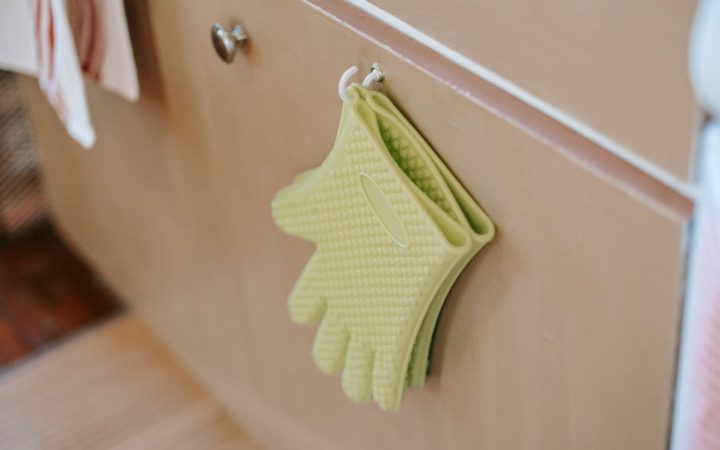
Laundry
Wash Oven Mitts and Pot Holders by Their Labels Before Holiday Baking
Separate fabric, silicone, lining, and trim requirements, plan drying, and return only suitable ready pieces to the kitchen.

Practical ideas for small family homes
Laundry routines, stain care, storage, and small-space washing systems.
Start here
Three practical starting points to help you make progress without overhauling the whole house at once.
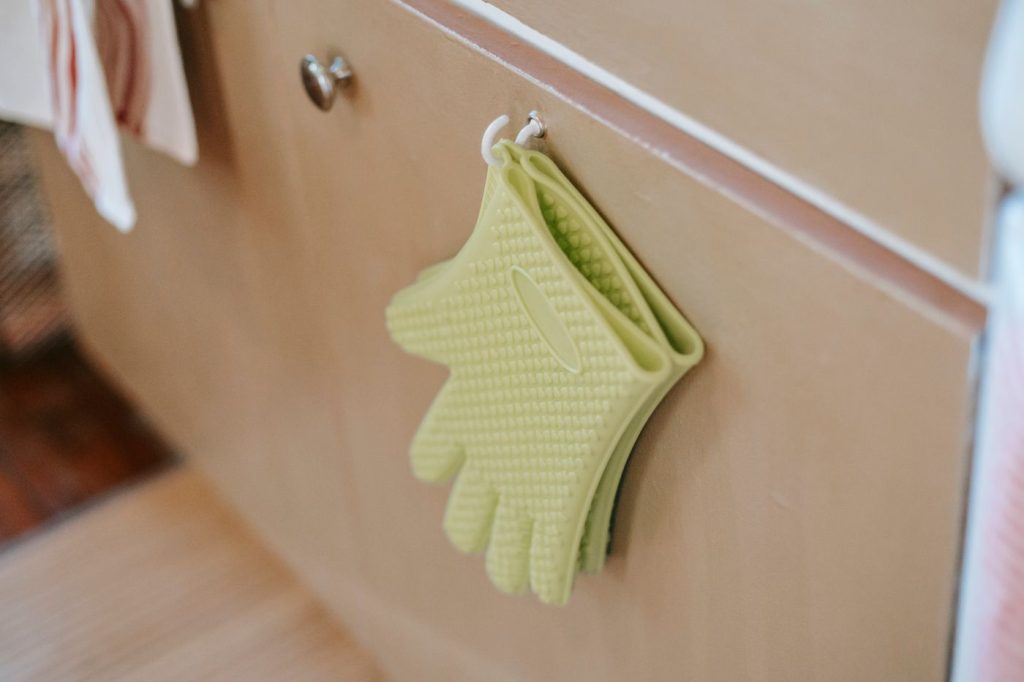
Separate fabric, silicone, lining, and trim requirements, plan drying, and return only suitable ready pieces to the kitchen.
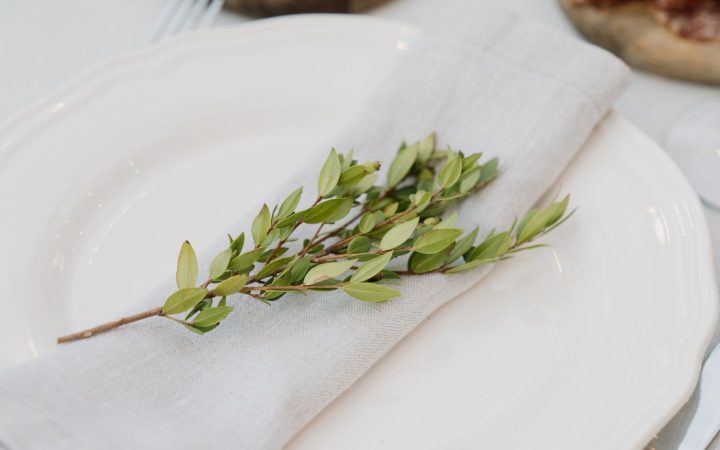
Sort napkins by verified care, treat the actual marks appropriately, and return complete dry sets to table storage.
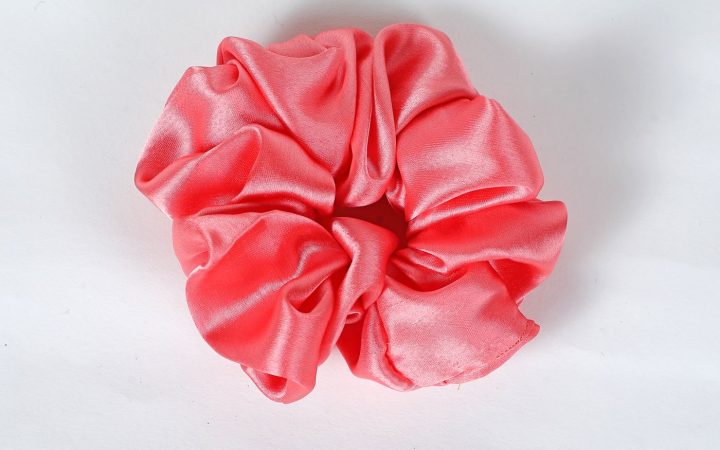
Read the actual care instructions for the fabric, elastic, and decorations before washing a reusable hair tie.
A simple rhythm
Aim for repeatable maintenance, not marathon cleaning. Small routines are easier to keep going.
Choose the area that affects daily comfort or hygiene most right now.
Clean in an order that avoids redoing surfaces you already finished.
Put supplies back together so the next clean starts with less friction.
Use a short weekly or daily reset before buildup turns into a big job.

Identify the whole cap and its care directions before choosing a wash method, then protect its shape during permitted cleaning and drying.
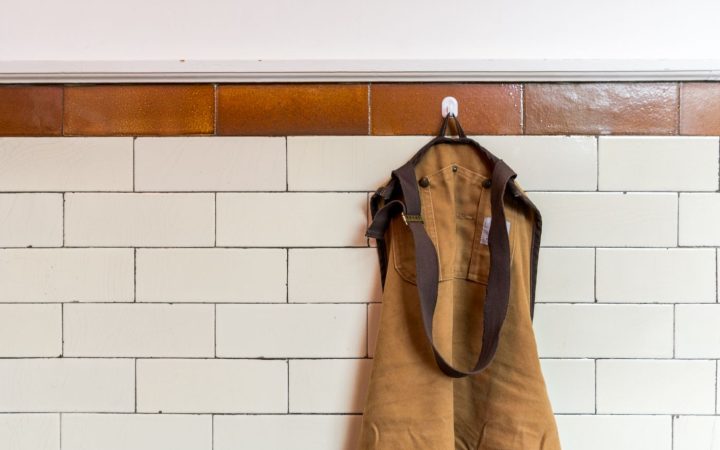
Check fabric, coatings, ties, stains, and drying needs before washing a kitchen or craft apron, then return it in an honest ready condition.

Identify the fiber and the actual care label, check equipment capacity, and plan supported drying before a bulky knitted throw becomes wet.

Distinguish soleplate residue from internal steam-system problems, use the exact iron manual for cleaning, and test on a suitable spare fabric before pressing project pieces.
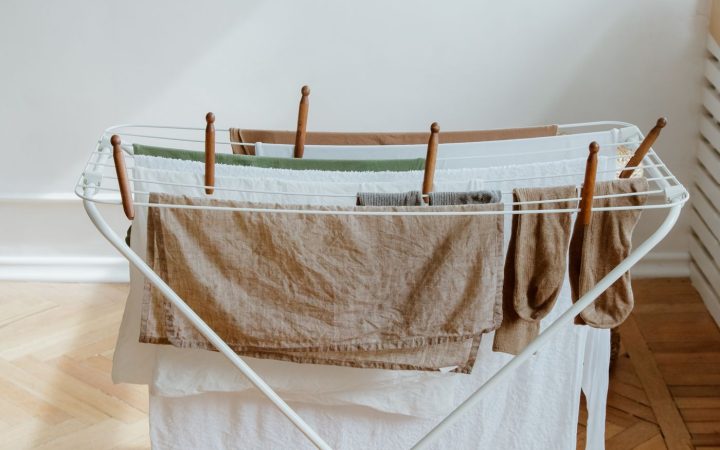
Check the rack construction, remove rail residue with its approved care method, inspect hinges without forcing them, and dry the frame before folding or reuse.
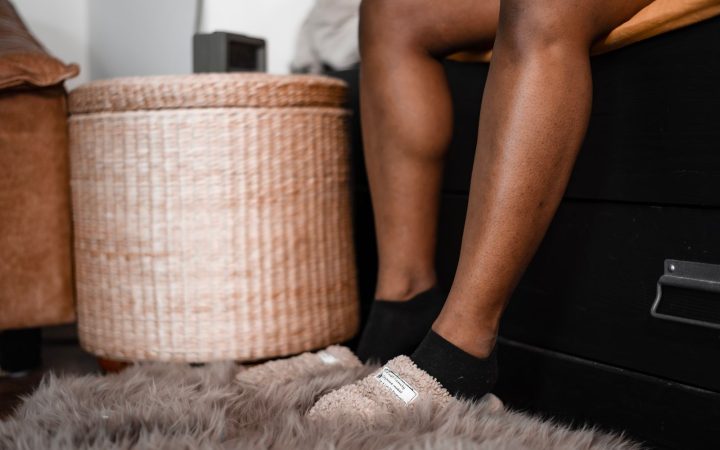
Check the exact slipper care directions, prepare the permitted wash route, support label-approved drying, and return the complete ready pair.
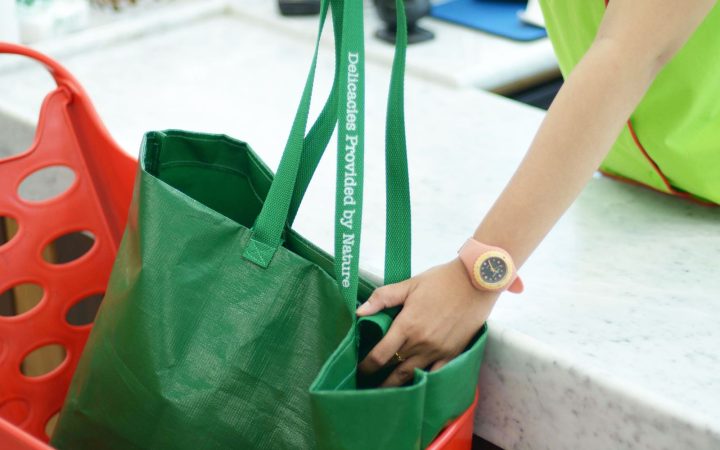
Follow each reusable grocery bag’s care label, separate washing routes, finish drying, and return only ready bags to shopping storage.

Assess the manual Gleener for fabric pills and loose lint, including edge selection, garment checks and the effort compared with a powered shaver.
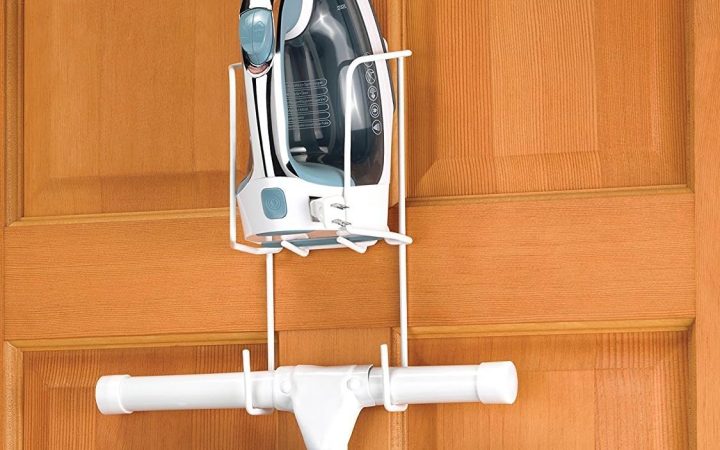
Check the Whitmor wire ironing caddy against door clearance, board shape, retrieval space and a safe cool-down routine before buying.
A useful note for your week
Simple tips, new articles, and inspiration delivered to your inbox each week.
Practical guidance
Laundry includes sorting, washing, drying, folding, and returning clothes to storage. In a smaller home, a backlog can spread across several rooms even when washing itself is quick. These guides focus on the whole cycle, including shared machines, drying space, and the care requirements of different items.
Read care labels, separate loads according to those directions, and check where each item will dry. A load is not finished when the machine stops. Account for collection, transport, folding, and put-away time before starting another batch.