Reusable grocery bags have an awkward return journey. They come home full, become empty while the groceries are put away, and often go straight back to a hook or the car. A spill, loose vegetable debris, or damp lining can be overlooked because the bag appears ready as soon as it is empty.
Give cleaning its own step between unpacking and storing. The right method depends on the bag’s care instructions, material, lining, and any removable base. This guide helps you sort bags by that information, organize the washing and drying route, and return only bags that are ready for their next use. If you are working on the same space, How to Organize Cleaning Cloths, Rags, and Mop Pads Without Mixing Clean and Dirty covers the next decision in more detail.
Empty the entire bag before deciding it is clean
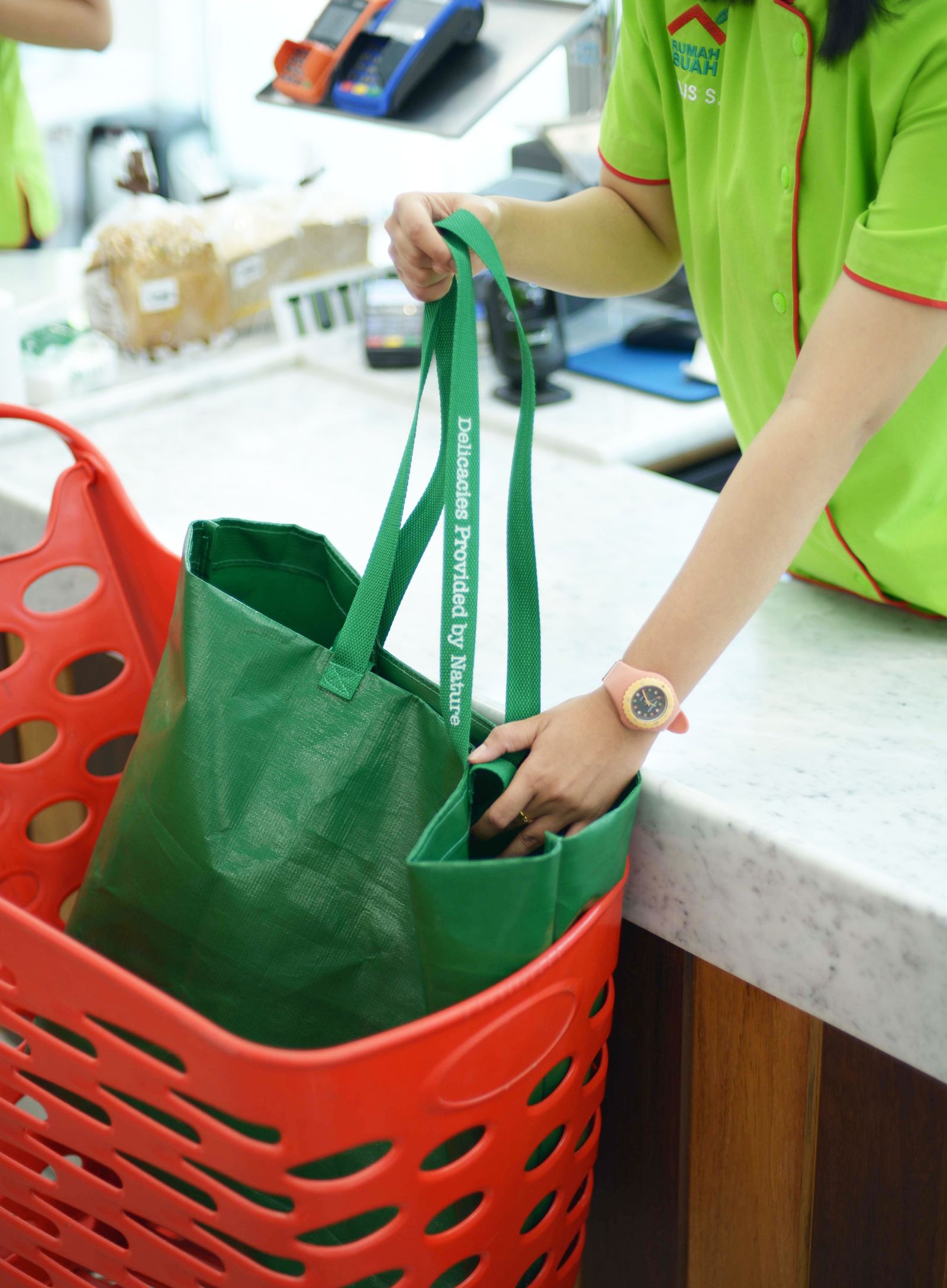
Remove groceries, receipts, and any loose insert. Check pockets, seams, corners, and the bottom for debris or moisture. Look at the outside as well as the interior: a bag may have rested on a floor during the trip. Keep an item requiring cleaning away from the clean storage group while you decide on its method.
Check the maker’s label or product information. A cotton-looking bag may contain a coating, printed decoration, or components with different care requirements. A structured or insulated bag may need a method that differs from an unlined cloth tote. Do not infer machine-washing permission from the appearance of one panel.
If the label is missing, identify the bag through reliable product information where possible. Keep the uncertainty visible. Guessing a wash setting can damage a lining or leave you believing an item has been adequately cleaned when you cannot establish the suitable method.
Use the food-safety guidance and the product directions together
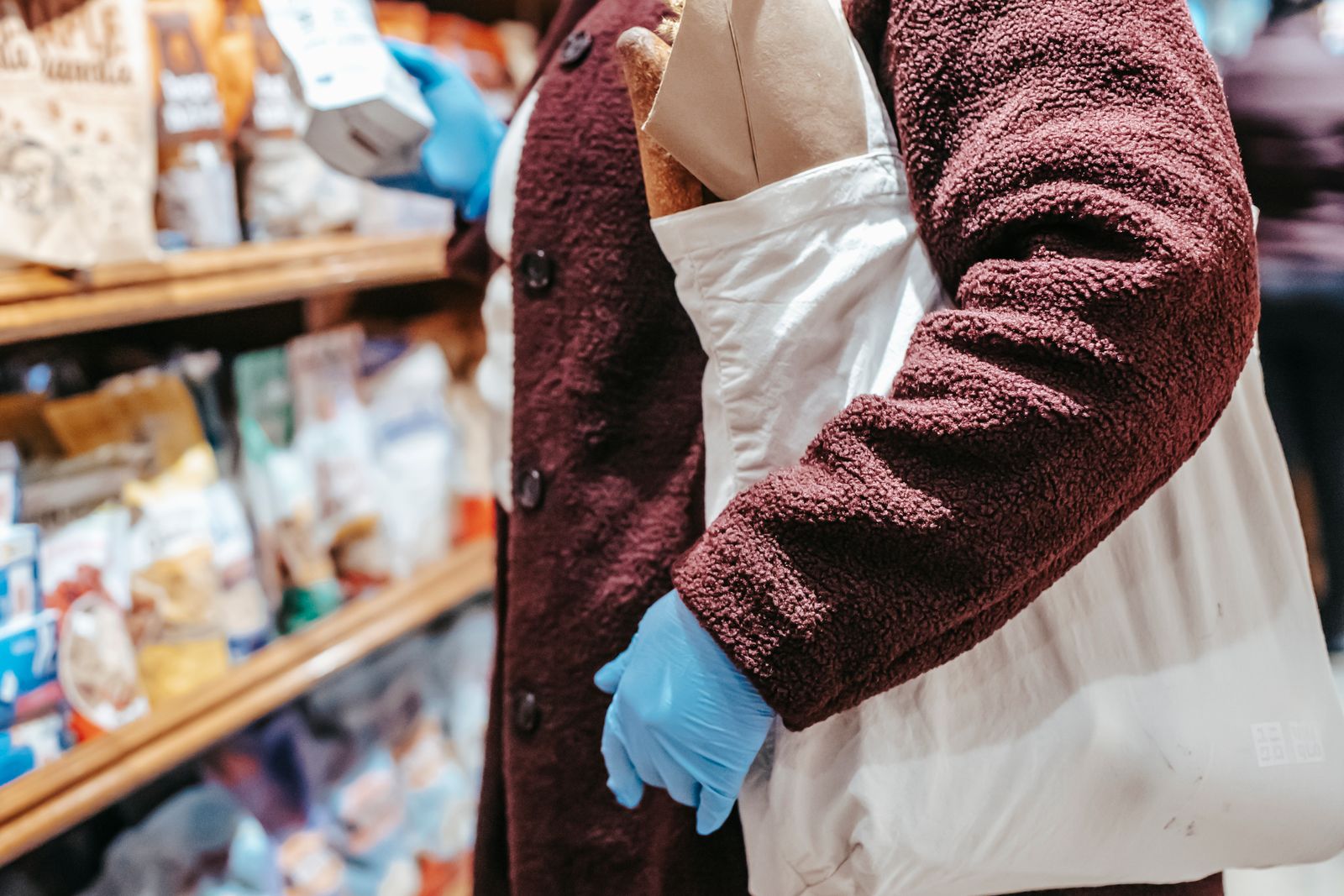
FoodSafety.gov’s farmers-market guidance recommends frequent washing of reusable bags with hot water and soap. It also advises separating raw meat and poultry from ready-to-eat foods during shopping. These points help explain why bag care is part of the grocery routine rather than merely a response to visible marks.
Use the product’s permitted cleaning method and suitable cleaning-product directions. A material that cannot tolerate a proposed treatment does not become compatible because another cloth tote can tolerate it. If you need a bag for food transport and cannot establish an appropriate cleaning method for it, consider a suitable alternative rather than making an unsupported cleanliness claim.
For leaks or contamination, follow relevant food-safety advice and the bag’s instructions. This article does not prescribe a universal disinfectant, temperature, or treatment for every bag. Do not mix cleaning products or assume that scent, appearance, or a quick wipe proves a particular safety standard has been achieved.
Separate machine-washable bags from other care routes
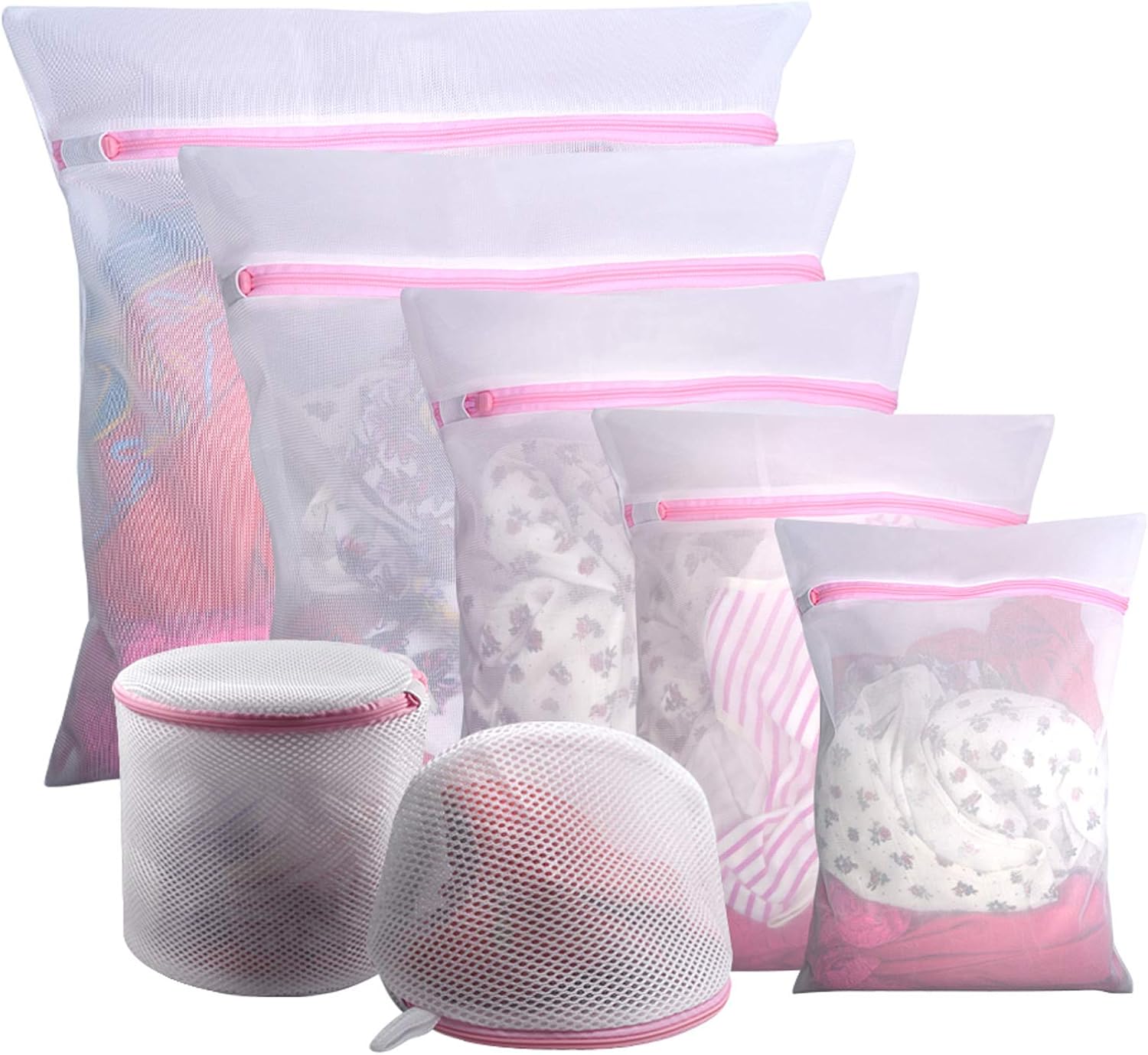
For a bag whose label permits machine washing, follow the stated setting, detergent requirements, and drying directions. Remove components only when instructed, and keep those components associated with the correct bag. Check fasteners and pockets before loading it. A separate mesh organizer is useful only if it is suitable for the wash and does not conflict with the bag’s instructions.
Keep bags needing hand care in a distinct waiting area. Do not put them among clean bags merely because the washing machine is busy. If the routine repeatedly leaves them waiting, decide whether the bag suits your household’s actual care capacity. An item that requires a method you rarely complete can become an unreliable part of the shopping kit. For the broader setup, GOGOODA Mesh Laundry Bags Review: Fewer Tangled Items in a Small Laundry Routine? is a useful next read.
Coordinate permitted machine washing with the existing laundry system rather than inventing a separate pile in the kitchen. Our guide to a small-home laundry hamper system helps give waiting items a clear address. Keep the bag’s care requirements visible so the next person does not treat it as ordinary clothing.
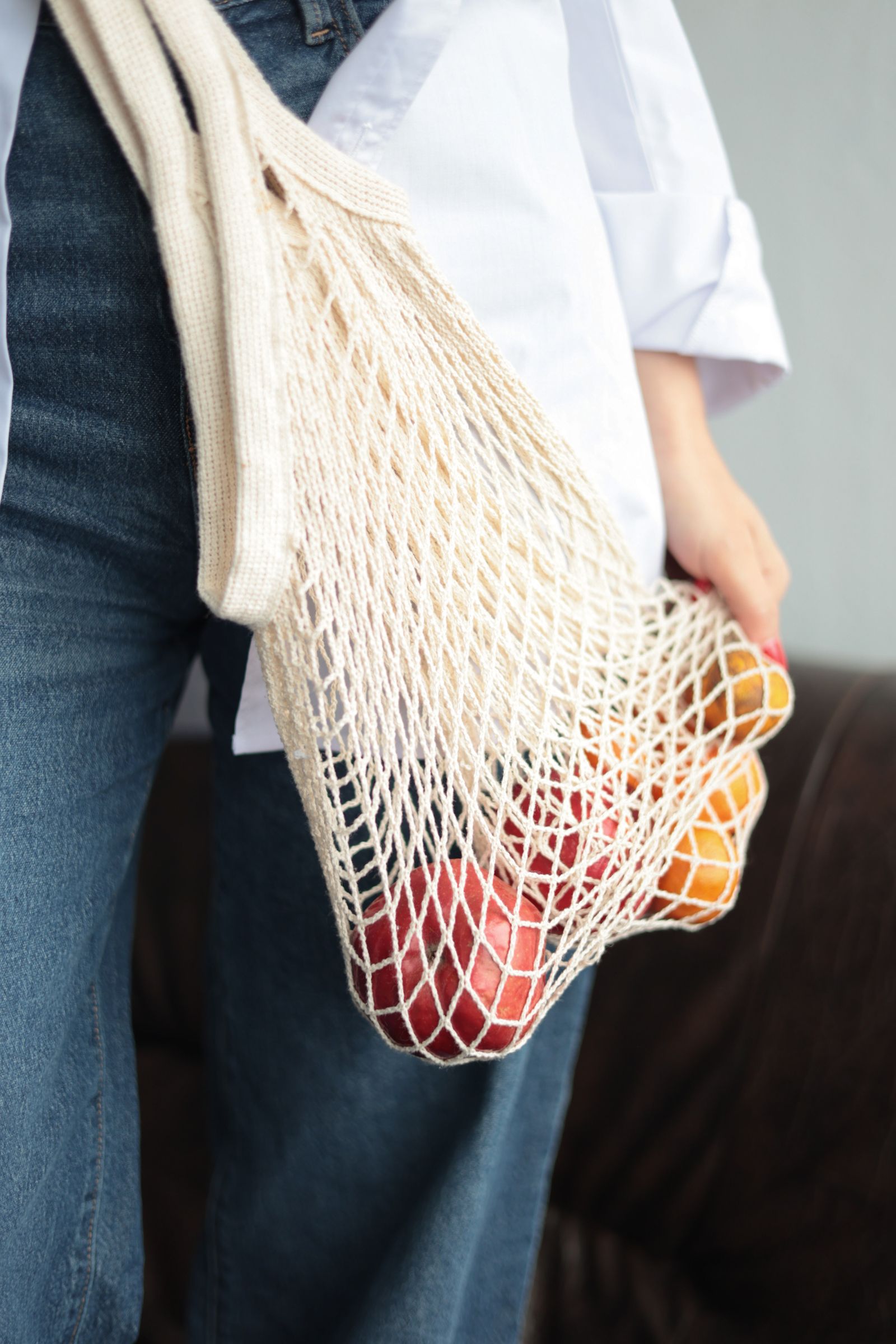
Handle linings, bases, and seams deliberately
Follow instructions for any insulated or wipe-clean lining. Inspect seams and folds during the permitted process; they can be harder to reach than a flat panel. Keep removable base boards or supports with the correct bag, and clean them only by an appropriate method. Do not immerse an unidentified stiff insert because it looks like plastic from one side.
Set up a work area that lets you reach the interior without dragging the bag across a crowded food-preparation counter. Move unrelated objects first. After cleaning, put away the cleaning supplies and attend to the work area as appropriate to the task. A bag-care session should end with the surrounding kitchen ready for food preparation again.
The daily kitchen cleaning routine can help you choose a sensible window for that work. Bag care has its own material requirements, but it benefits from the same clear beginning and finished reset.
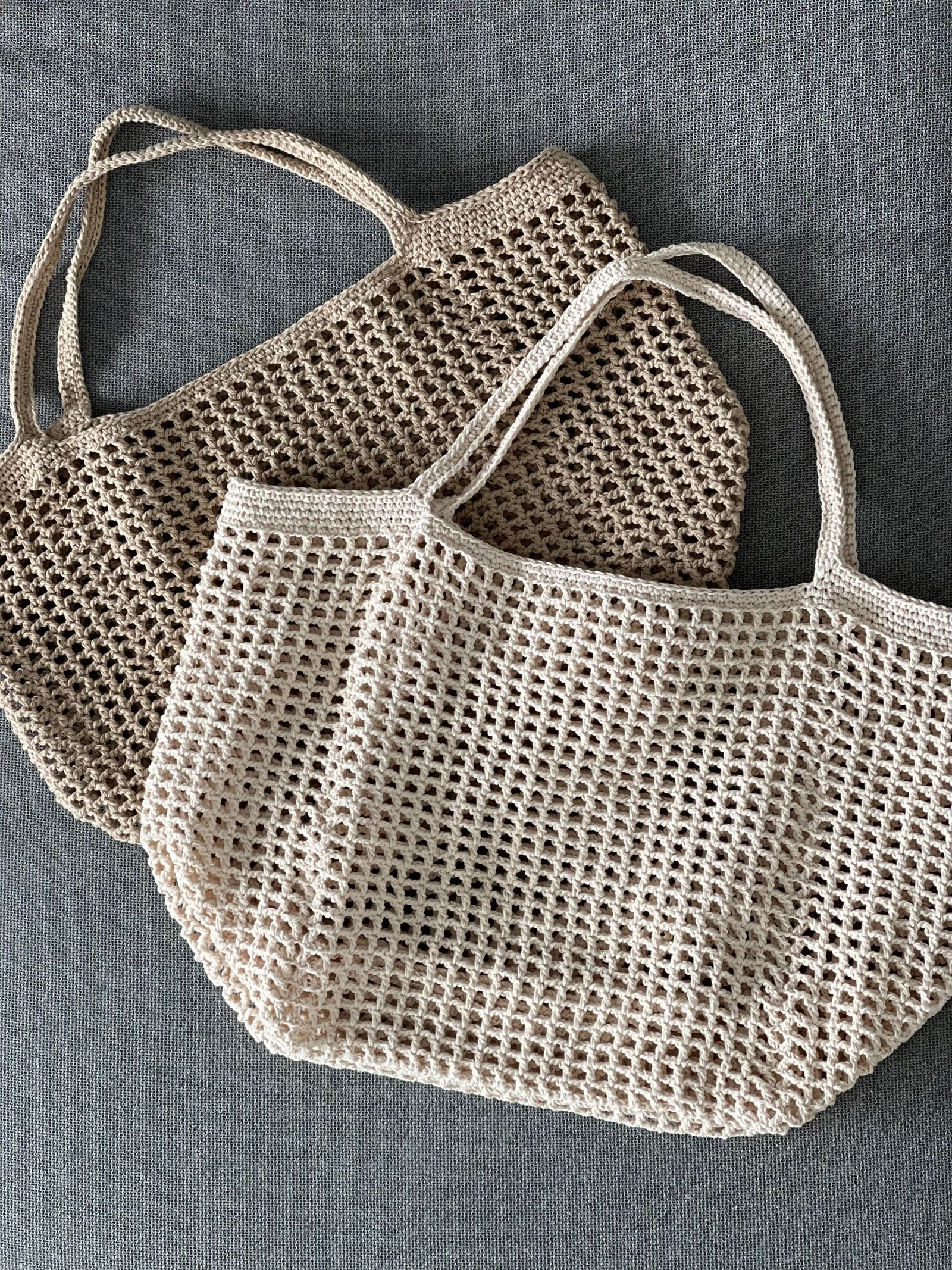
Plan complete drying before the bags return to storage
Use the drying method permitted by the label. Give the item enough space to dry in the arrangement its construction allows. Inspect the lining, pockets, base, and seams before folding or closing it. An exterior that feels dry does not tell you whether a hidden fold is still damp.
Keep the drying destination out of normal walking and work routes. Do not cover a household surface with bags and then put them away prematurely because the surface is needed for dinner. If the available drying area is small, wash in a manageable batch and maintain a modest reserve of clean, suitable bags.
When the bag is ready, return any insert according to its instructions and inspect closures or handles for obvious damage. A cleaning session is a convenient time to notice a bag that needs repair or replacement. Keep that decision separate from the clean group so someone does not unknowingly take the damaged item on the next trip. For a related step-by-step approach, see Shared Apartment Laundry: Plan the Trip, the Wait, and the Return Home.

Make clean storage easy to distinguish
Test the routine on the day before a normal shopping trip. Check that the clean group contains enough suitable bags and that the waiting group has a clear next action. If drying is still underway, choose an available clean alternative. A deadline should not change the care instructions or turn an unfinished bag into a ready one. This check gives the household time to solve a shortage without interrupting the shopping trip.
For bags that look alike but have different care requirements, keep their product information easy to match. A note on the storage location can identify the model or describe its distinctive lining without adding an unsuitable label to the bag itself. Show other household members where that reference lives. The aim is a reliable decision at unpacking, rather than asking everyone to memorize several nearly identical-looking materials.
Choose one place for ready bags and another clearly identified route for bags awaiting care. Limit the ready group to what your usual shopping requires plus a reasonable reserve. Our guide to organizing wraps and reusable bags covers the storage side; this cleaning routine determines what is ready to enter it.
If bags travel in a car, inspect them after use and follow their storage requirements rather than assuming the car is a suitable permanent home for every material. Keep the next-trip reminder connected to the clean storage group. Packing a ready bag should not depend on remembering which of several identical folded bags was washed.
Review the system after a few shopping trips. Reduce bags that repeatedly miss the care step, simplify a drying bottleneck, and keep product directions accessible. Explore Cleaning guides and the Laundry Area hub for related care routines. The useful result is a bag whose condition and care history are understandable when the next shopping trip begins.