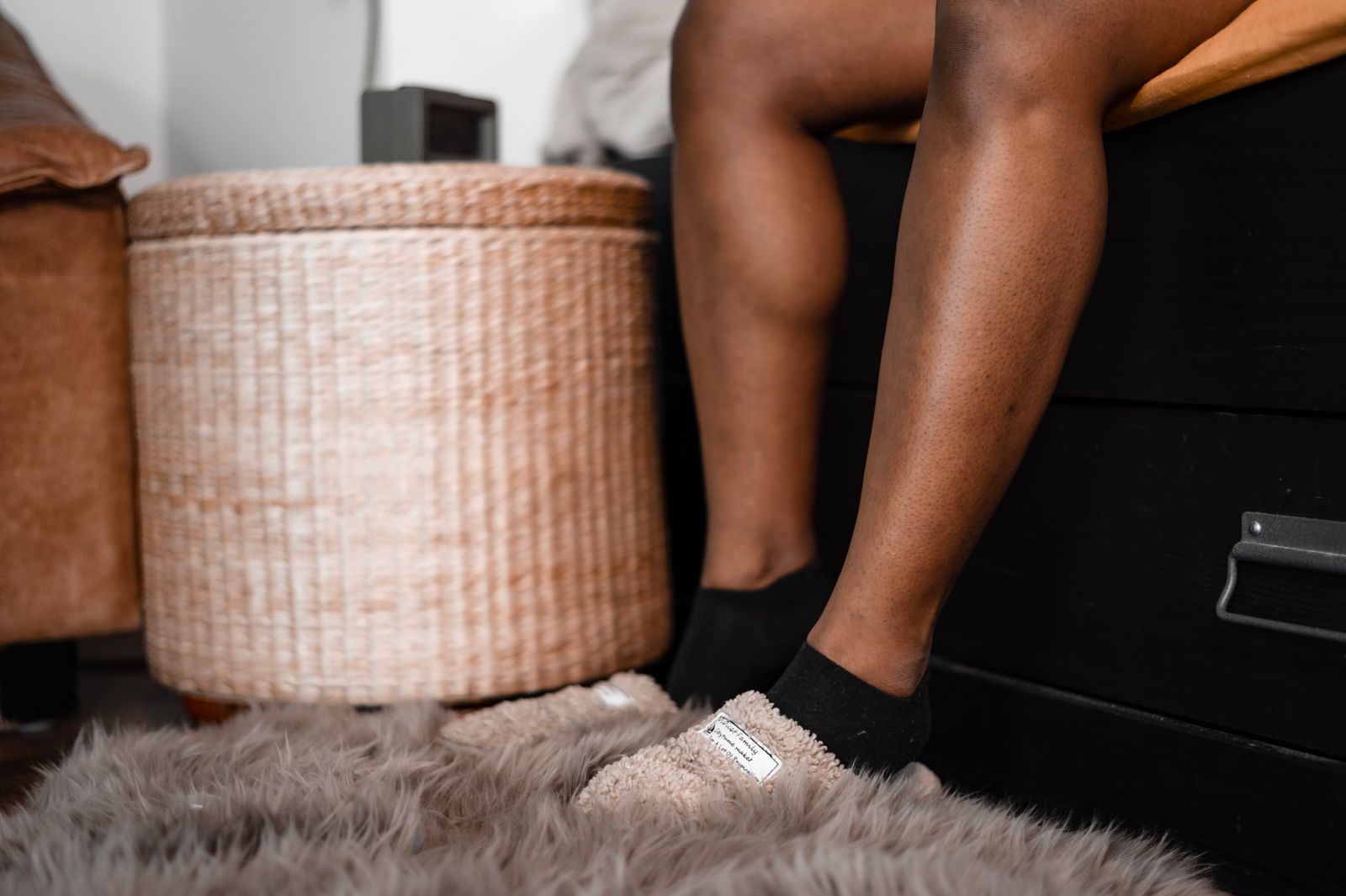
House slippers can look like simple fabric items while containing several different materials: an upper, lining, footbed, sole, trim, and adhesive joins. That is why “soft” does not necessarily mean washable and “washable” does not necessarily mean suitable for a tumble dryer. A useful cleaning routine starts by identifying the pair and ends only when its permitted care and drying are complete.
This guide is for planning the care of soft indoor slippers in a small home. It does not offer one recipe for leather, suede, wool, synthetic plush, and every other construction. Follow the label or current directions for the exact pair. If a pair requires specialist care, keep that route separate from ordinary household laundry rather than testing an unapproved method to make it fit the weekly wash.
Read the directions for the complete pair
Find the care label, original packaging, or maker’s product instructions. Check washing permission, water conditions, allowed products, and the specified drying method. Identify the actual model where possible; directions for another slipper from the same brand may differ. An online description that says only “easy care” leaves important questions unanswered. If a label is unreadable, ask the maker before placing the pair in water or a machine.
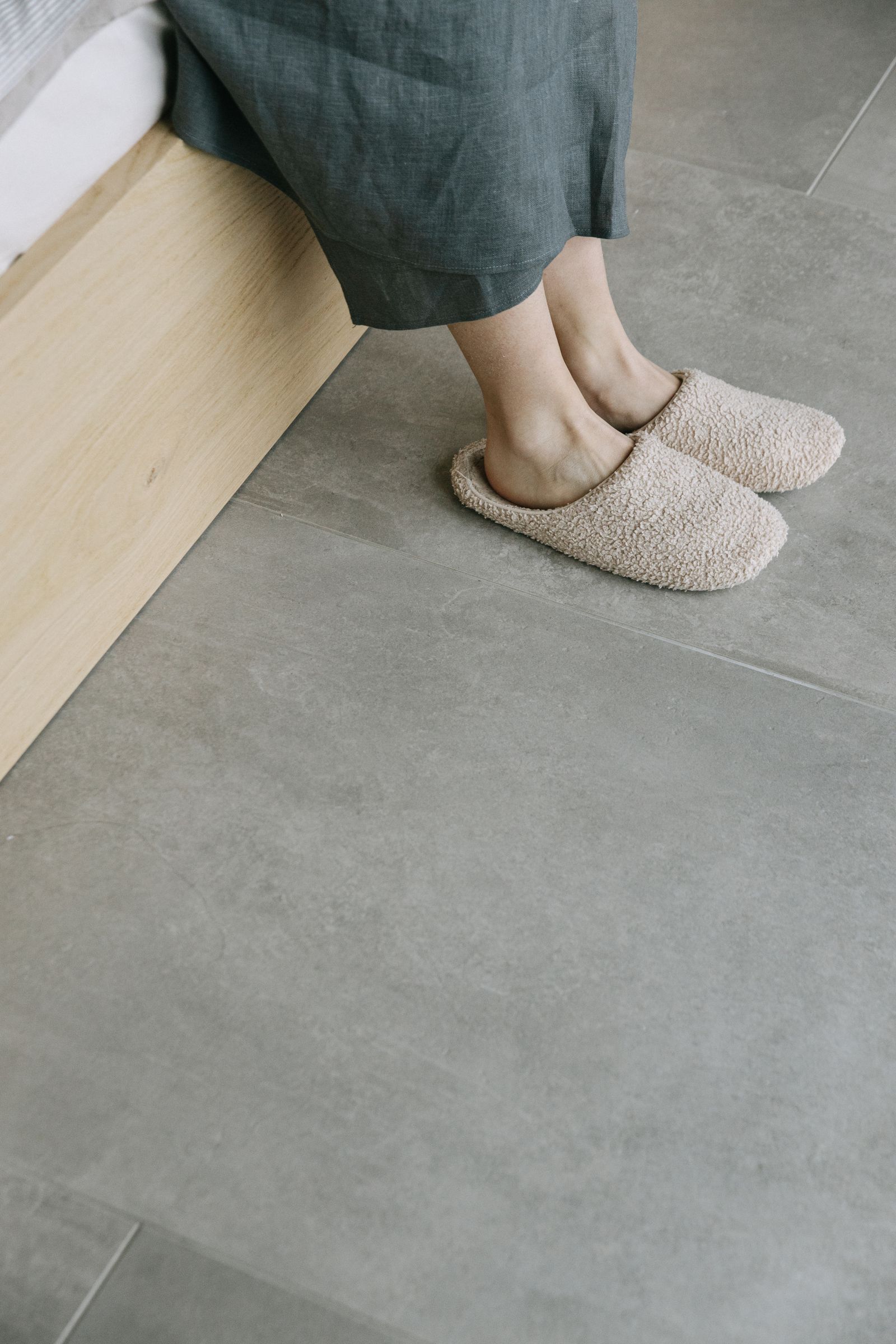
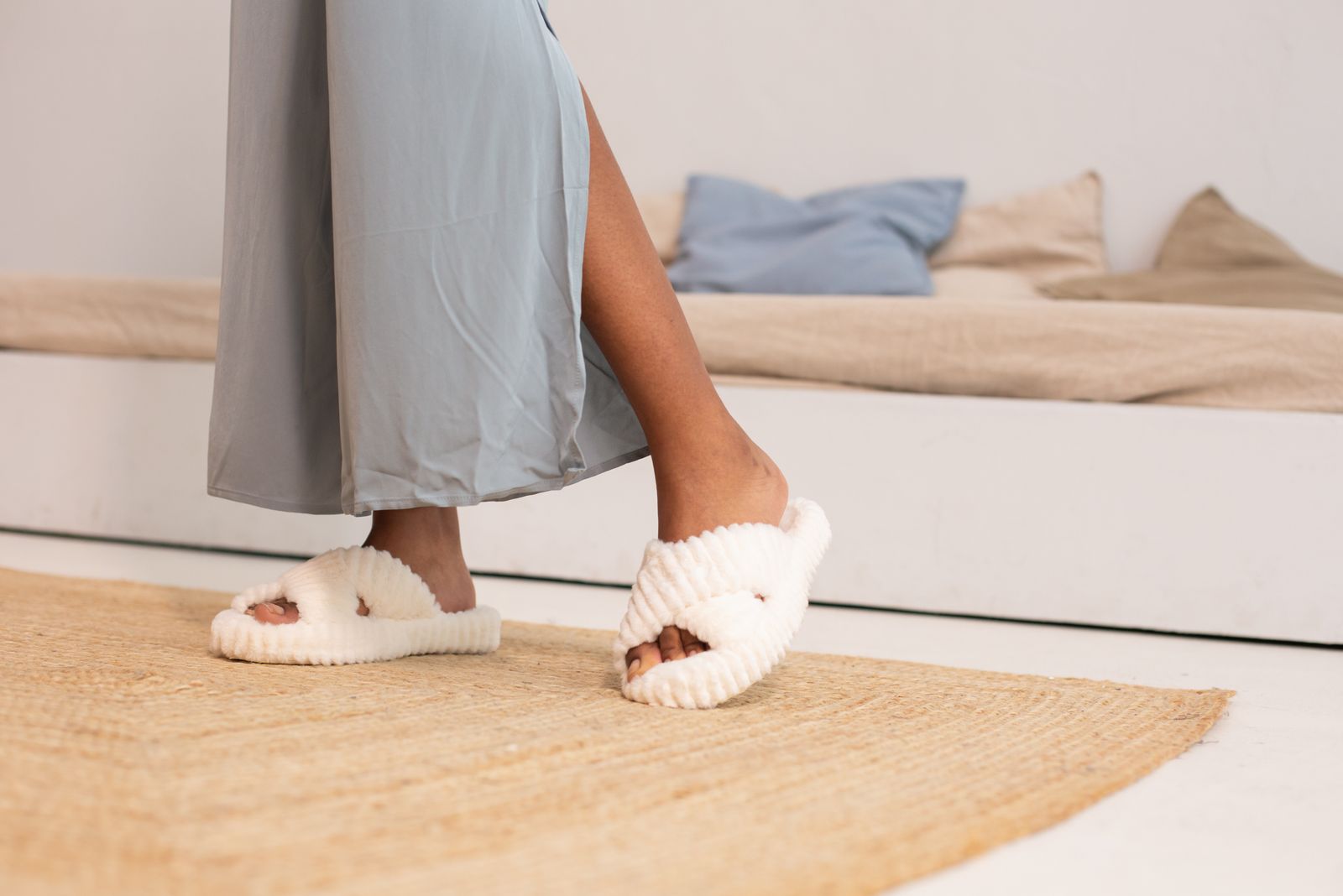
For a concrete example, Isotoner’s Classic Cotton Terry Ballerina Slipper page directs cool machine washing and flat drying away from heat. That is guidance for the named model, not permission for every slipper in the photos or every pair in your home. Use examples to understand the decisions a label needs to settle, then apply the instructions that actually belong to your footwear.
Inspect before adding the pair to laundry
Look at seams, sole attachments, closures, and any removable components. Follow the maker’s advice about damage and care limits. Washing is not a repair for a separating sole or torn fastening, and the promise of a fresher lining does not resolve a structural problem. Keep a pair needing assessment out of the ready-to-wear area so another household member does not assume that cleaning made it usable again.
Remove only components the directions say are removable. Do not pull out a bonded footbed because a different style has a detachable one. Identify a permitted removable part and keep it with the correct pair while following its own care route. If two people have similar slippers, record ownership with a suitable label or a contained, named washing group rather than relying on memory after the pairs are wet.
Plan the drying place before you wash
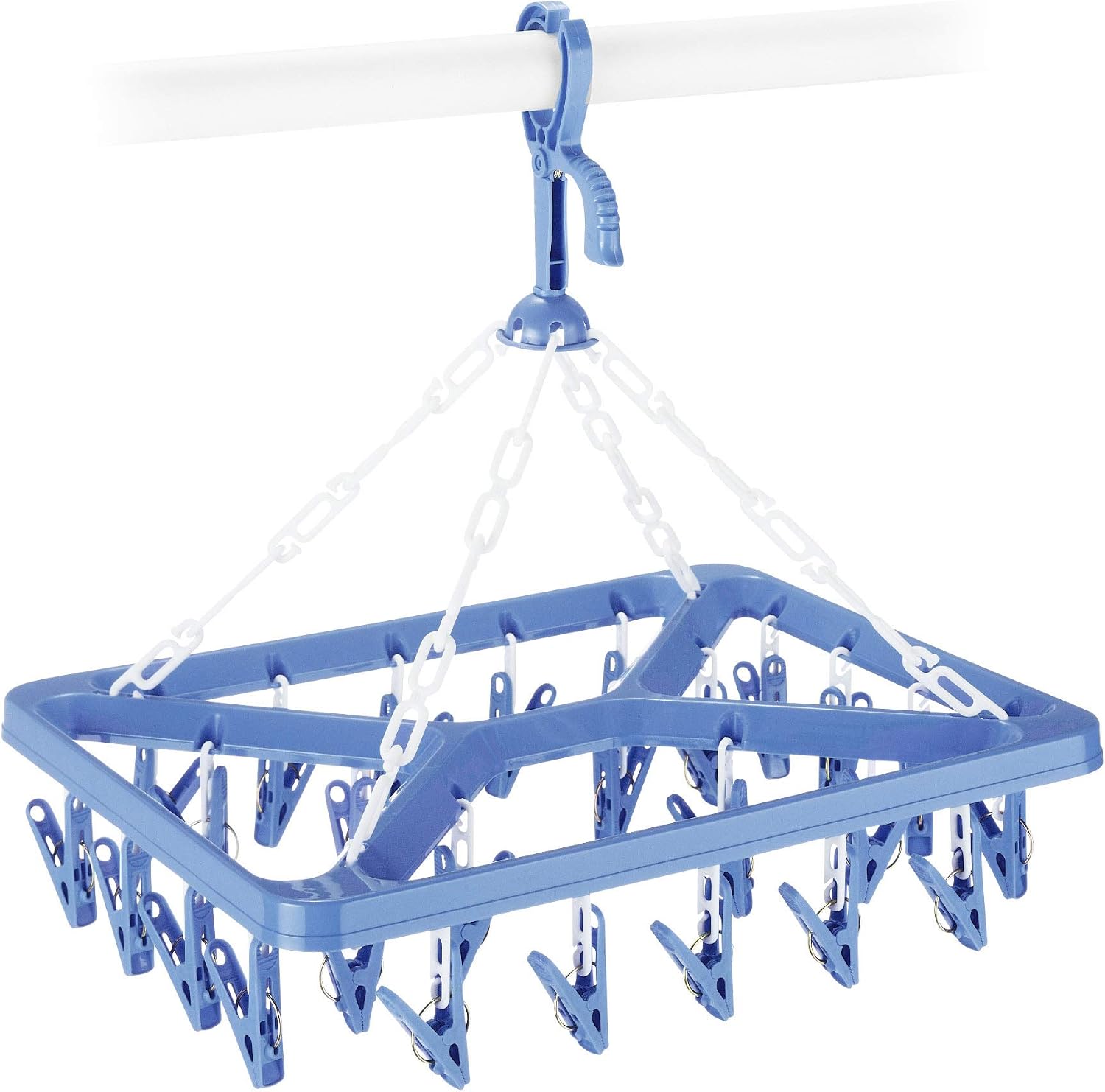
Choose a clean, supported location that suits the label’s drying directions and leaves household routes clear. If flat drying is specified, find a surface that can support the whole pair; a narrow rail that changes its shape is not the same arrangement. Keep wet slippers away from ready footwear, bedding, and items that should remain dry. Protect the supporting surface using a method compatible with both the slippers and that surface. You may also find Clean Reusable Grocery Bags With a Clear Wash, Dry, and Return Routine useful for a closely related small-home problem.
In a small bedroom, the most convenient drying place may be elsewhere in the home. Do not balance a wet pair on the nightstand merely because that is where you wear it. The small-apartment air-drying guide can help with shared space. For the slippers themselves, the maker’s required position and restrictions remain the deciding factors.
Prepare the pair without adding extra treatments
Follow any preparation step the label requires, such as removing loose debris with an allowed method. Keep the underside and lining work distinct if that helps you avoid spreading debris onto the clean support. Use the cleaning product and treatment the maker permits. Do not assume that a laundry booster, household disinfectant, strong fragrance, or solvent is compatible with the lining and sole just because it is already in the cupboard.
A mark that does not respond to the permitted treatment needs a specific next decision. Check the stain and care instructions rather than escalating through unrelated products. Avoid declaring a home mixture harmless for all materials. If odor or a stain remains after proper care, obtain appropriate advice or reconsider the pair’s continued use; covering the issue with scent is not a reliable completion check.
Use the permitted wash route
For a machine-washable pair, follow the stated setting, water conditions, and any loading or containment instructions. A mesh bag may be useful where permitted, but it does not turn a nonwashable pair into a washable one. Consider the rest of the load according to the care directions of all its contents. Adding slippers to a hot towel wash for convenience can conflict with the slippers’ own label.
If hand washing is required, use the prescribed method and finish the specified rinse and water-removal steps. Do not wring, twist, or submerge components unless the directions allow that action. Keep the amount of work bounded to the pair you can support through drying. A sink full of several styles with different care instructions creates more uncertainty than a single identified pair handled from start to finish.
Keep heat decisions tied to the label
Check dryer permission separately from washing permission. A pair allowed in the washer may still require air drying. Follow restrictions on heaters, direct heat, or other drying conditions instead of trying to accelerate the process with an improvised source. The same rule applies to a household shoe dryer: ownership of the appliance does not establish compatibility with the actual slippers.
Do not use the oven, microwave, or a cooking appliance as a footwear drying shortcut. Keep the pair in its planned care location and let its actual ready condition determine the return. A label’s method may take longer than your available evening; plan washing when you can leave the pair undisturbed and have a suitable alternative available. Buying several spare pairs is not automatically necessary to accommodate one wash.
Check the pair before returning it to the bedroom
Confirm that all components have completed the required drying and that the pair remains in the condition the maker permits for use. Check any separate part before putting it back. Do not rely only on the outside feeling dry if a lining or footbed still needs attention. If something changed during care, resolve that concern before wearing the pair instead of assuming it will correct itself underfoot.
Return the ready pair to a clear, reachable place that suits the owner’s routine. It might sit beside the bed or on a small footwear shelf, provided that it does not become an obstacle. The bedroom hub can help with surrounding furniture and floor use. A closed basket of mixed wet and dry slippers undermines the work even if it looks tidier than an open shelf.
Keep the clean pair separate from the next wash
In a home with several owners, return a completed pair before collecting another one for care. Similar colors can make mixed pairs difficult to distinguish, especially if an adult removes them from a shared drying surface. A named position or suitable contained group can preserve ownership without adding permanent laundry furniture. Tell the owner when the pair is ready instead of leaving it beside a basket of unfinished washing. If the owner is away, keep it in its appropriate dry home and record any unresolved care question separately; the clean pair should not become a reminder pile. For the broader setup, How to Dry Laundry in a Small Apartment Without Letting Clothes Take Over the Room is a useful next read.
Make shared care understandable
Tell the person handling laundry which pair is ready for washing and where its directions are stored. A short message such as “these follow cool washing and flat drying; instructions are here” is more useful than “wash the slippers” when the home contains several styles. Keep the named directions current if the owner replaces the pair. Remove an old model’s care note instead of leaving contradictory instructions in the same drawer.
Connect washing to the household’s actual routine using the family laundry guide and the Cleaning hub. Review the process after the first completed care cycle: was the label easy to find, did the drying place work, and was the ready pair returned? Improve whichever step caused the delay. A good slipper routine protects the specific pair and releases the drying space when the task is finished.