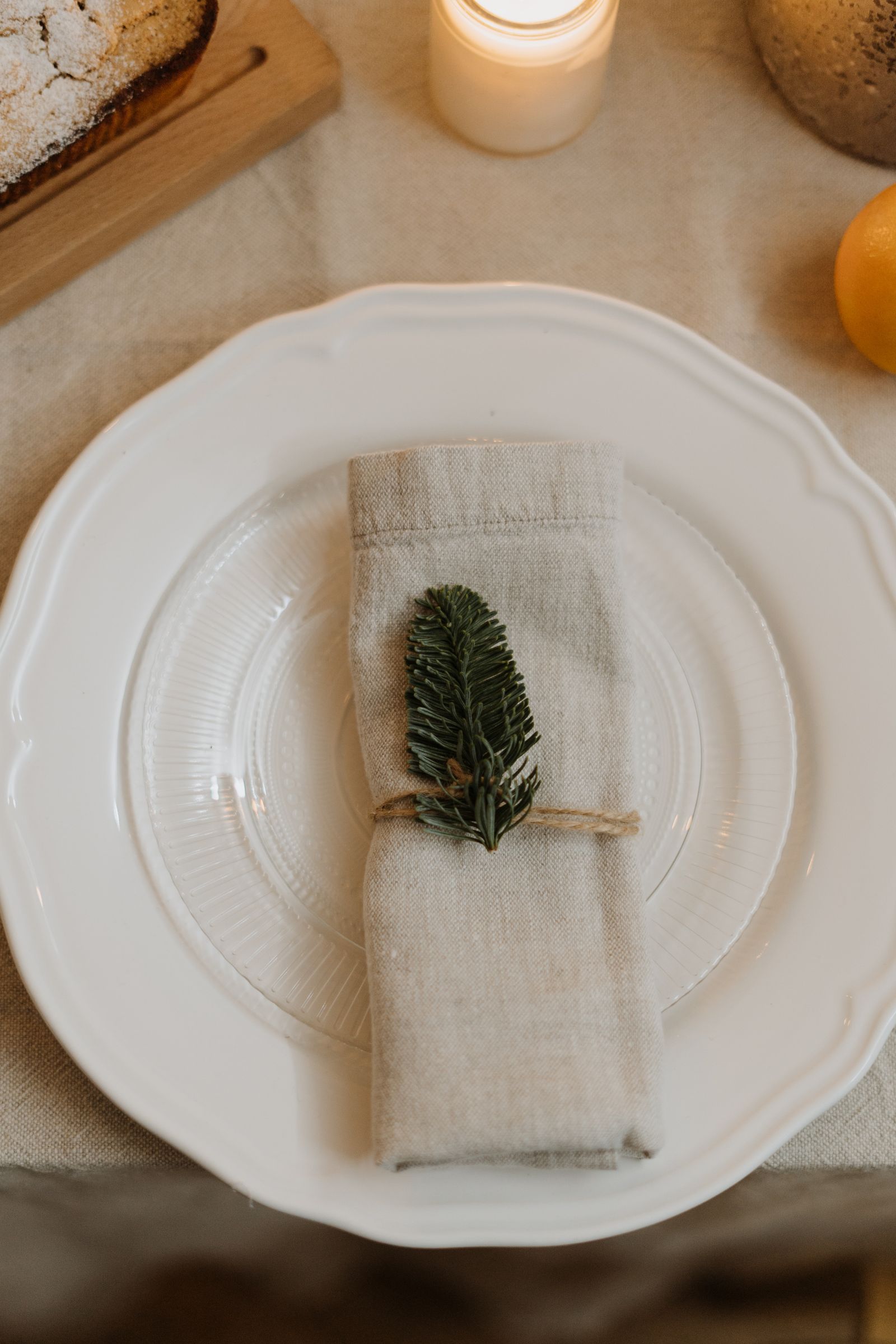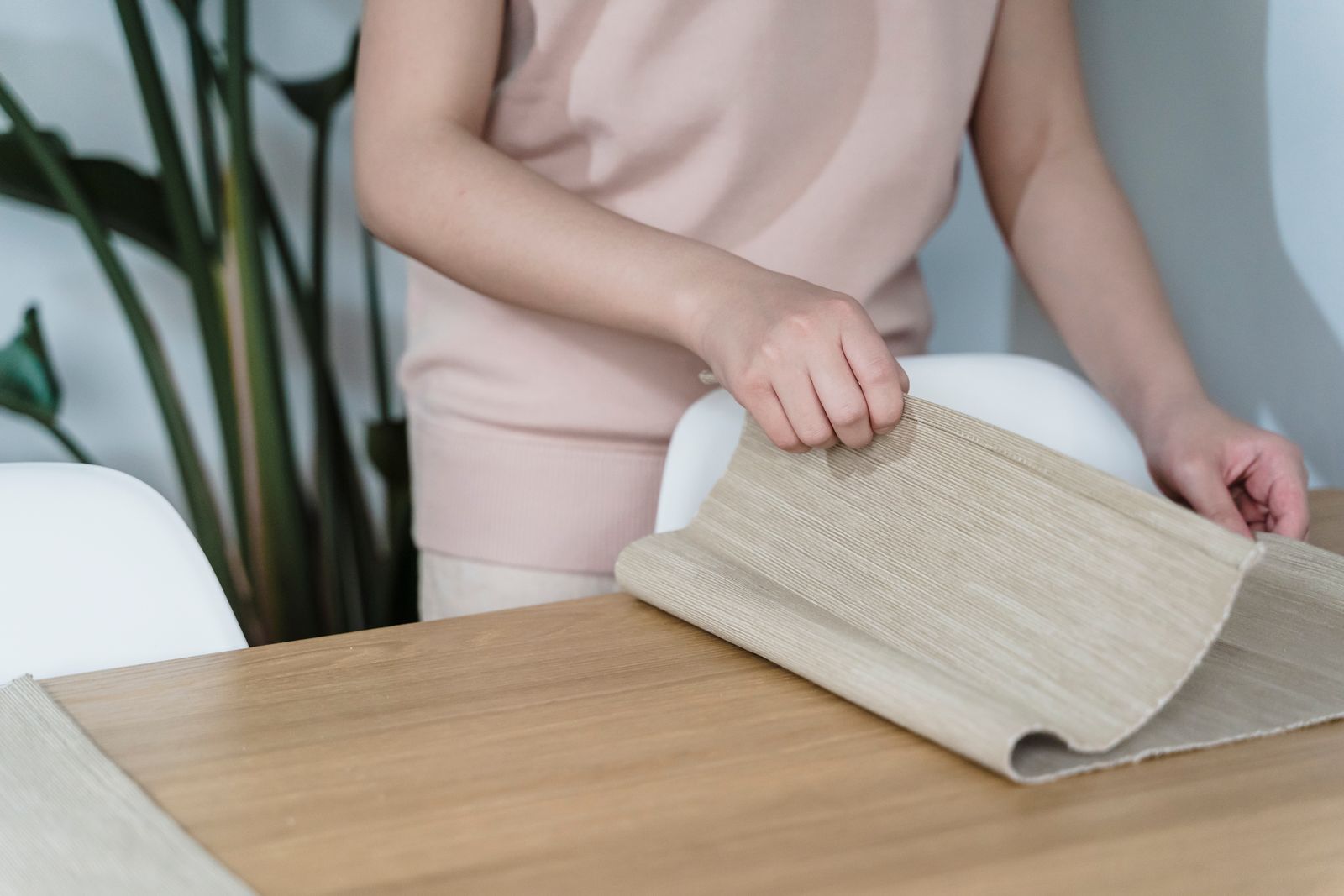
Fabric placemats can finish a meal neatly and make laundry surprisingly uncertain. One has a food mark, another has a curled edge, and the set no longer looks alike after separate washes. Before treating the stain, determine how the actual placemats are meant to be washed and dried.
The aim is a clean, usable set whose construction and shape are respected. This guide covers textile placemats. It does not supply washing instructions for cork, vinyl, laminated paper, woven plastic, or an unidentified product that happens to look like fabric.
Read construction and care together
Find the care label or the maker’s information for the exact item. Note the stated fiber content, any backing, padding, embroidery, trim, and the permitted wash and dry methods. “Cotton” on its own does not describe the entire construction or authorize every treatment used for cotton clothing.
For a concrete example, Williams Sonoma identifies its Classic Tartan Plaid placemats as a linen-and-cotton twill and specifies a cold gentle machine wash. That is information about that selected product. It does not establish that your quilted mat, decorative border, or backed placemat follows the same instructions.
When a label is missing, identify the model from purchase details or contact the maker. Do not use an aggressive wash as a test of durability. Set aside the uncertain piece until its care route is resolved, particularly when damaging it would leave the household with an incomplete set.
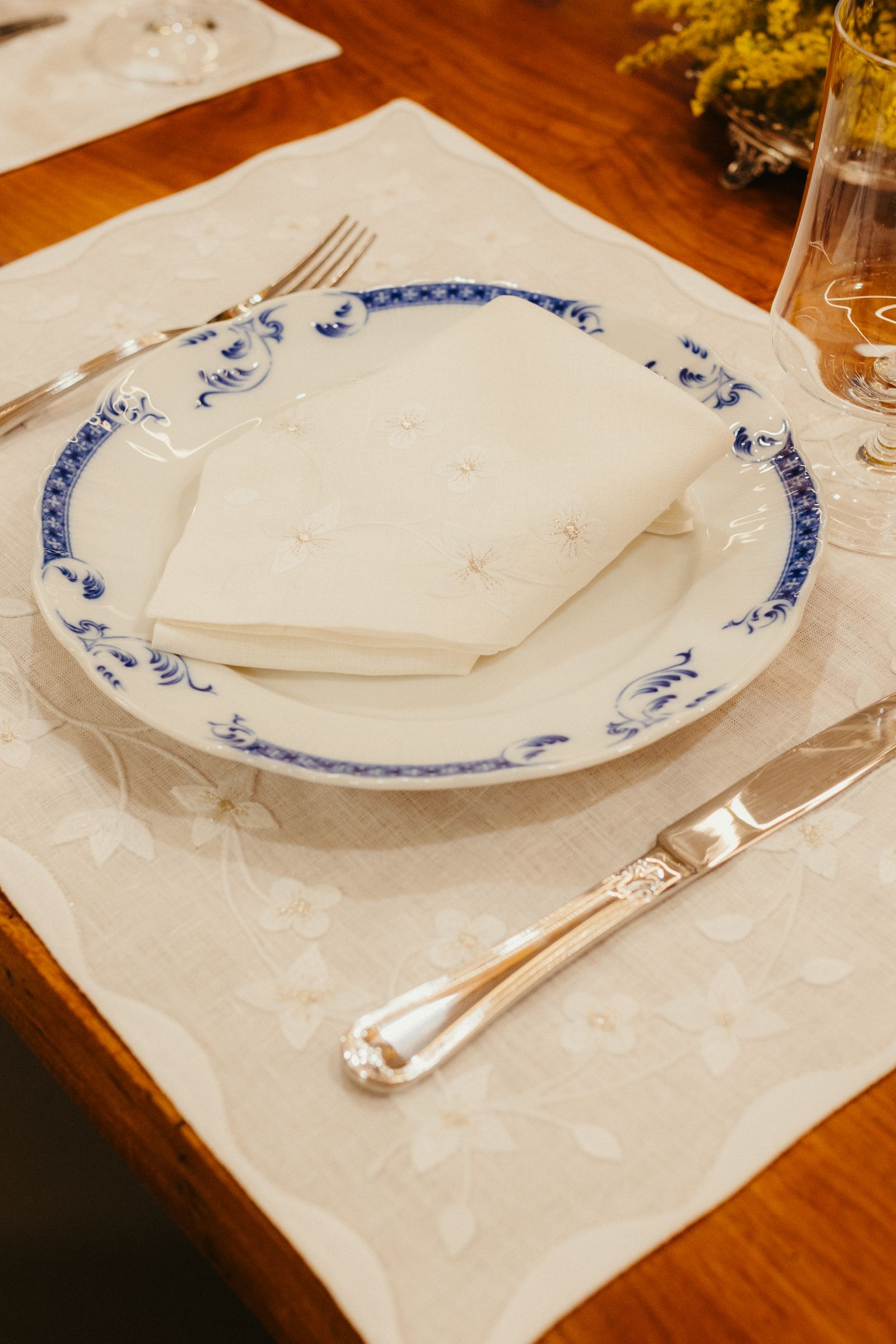
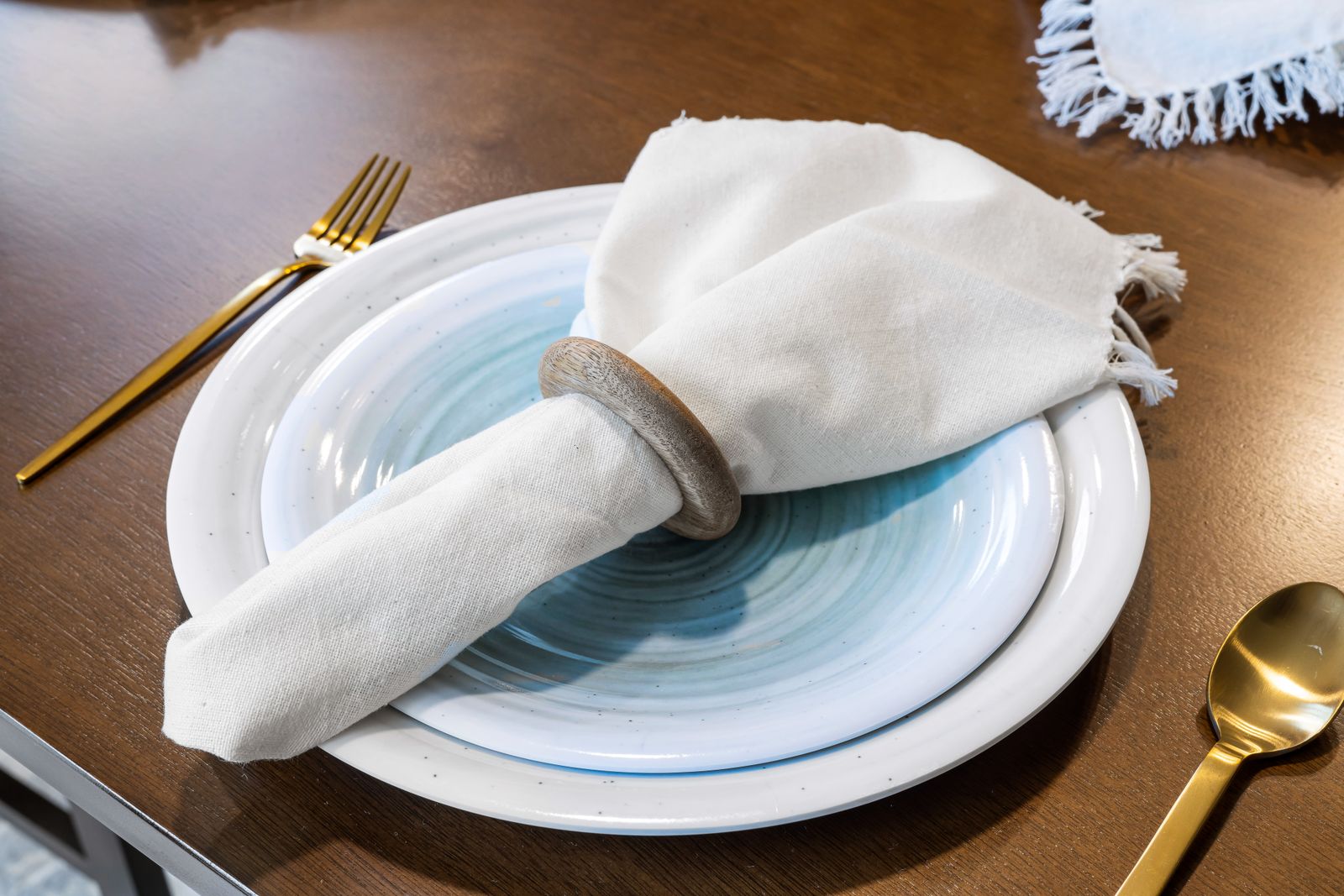
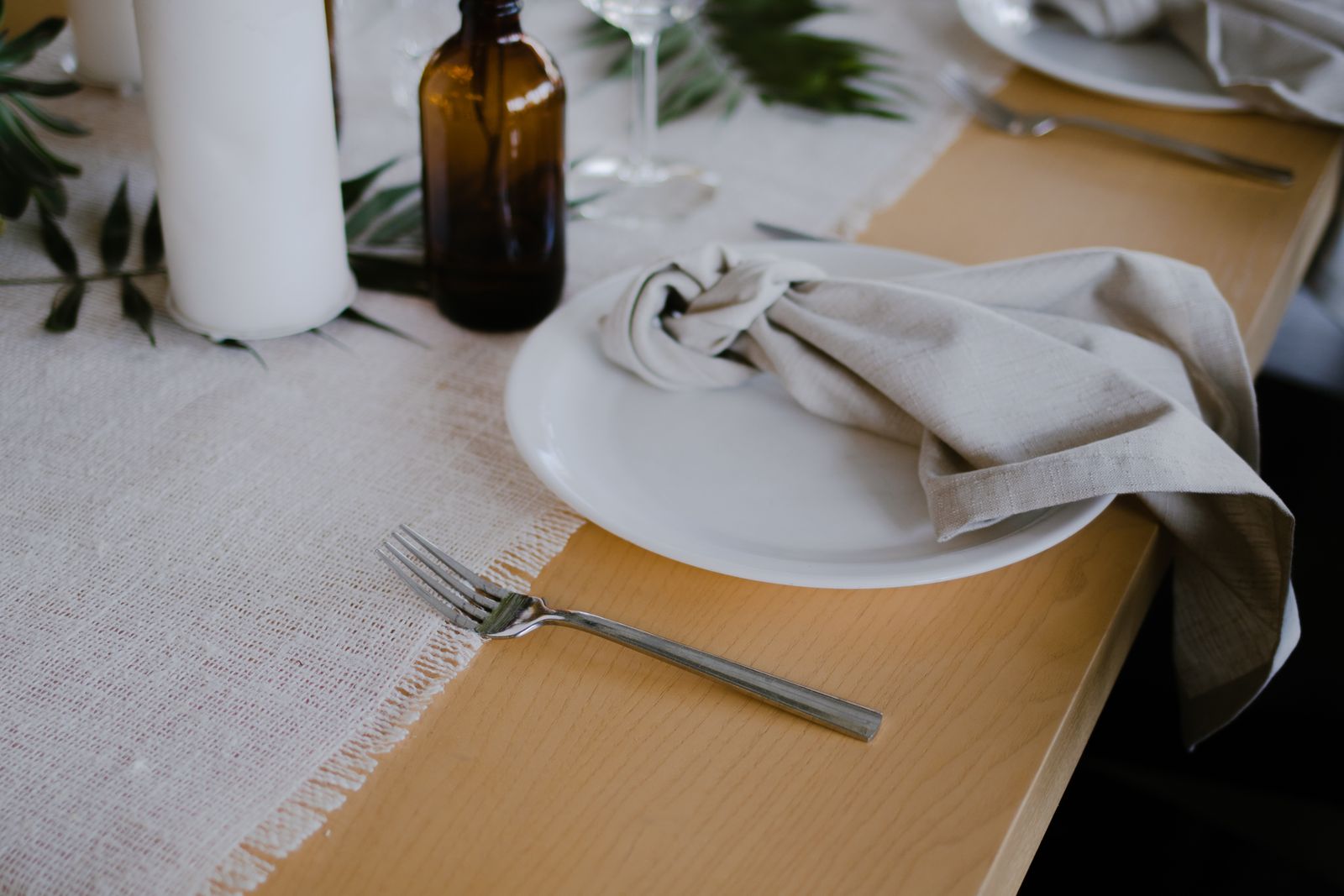
Photographs in this article show placemats and table-linen contexts. The fiber content and permitted washing method of a pictured textile cannot be determined reliably from its appearance.
Check the whole set before starting
Count the pieces you intend to clean and compare their condition. Look for loose stitching, distorted edges, damage to trim, and old marks. A damaged seam needs a separate decision; putting it through the usual cycle does not repair it.
Identify which pieces are from the same set and which only look similar. If they have different care directions, they need different routes even when they all sit on the same table. Keep a simple note where the laundry decisions are made so a second household member can follow the distinction.
Set aside a ready replacement for the next meal if necessary. Washing every placemat immediately before a gathering creates pressure to use unapproved drying methods. A bare table, where suitable for the meal and surface, or another already-owned ready option can be more practical than rushing the set.
Treat a fresh food mark within the item’s permitted care
Remove loose food carefully without spreading it farther across the textile. Then identify the mark as well as you can: a fresh sauce spill is a different starting point from an old unidentified patch. Read both the placemat directions and the instructions for any treatment product you intend to use.
Use only a treatment suitable for the exact construction and permitted process. Follow any required inconspicuous-area test, contact time, rinsing, and restrictions. Keep cleaning chemicals separate rather than combining products to improvise a stronger solution.
Avoid rubbing a decorated or delicate area simply because the plain fabric nearby looks sturdy. Do not promise a complete stain removal result before seeing how the material responds to its authorized method. If the directions require professional care, that route takes priority over a convenient household shortcut.
For broader decisions about identifying and responding to household marks, see handling everyday stains and odors. Keep the placemat’s own instructions in charge of the treatment.
Choose a wash group that makes sense for the set
If machine washing is permitted, use the specified cycle, temperature, and other directions. Group pieces only when their care requirements and compatibility allow it. Do not add them to a convenient towel load without checking whether that load is appropriate.
Leave enough room for the permitted wash process. A placemat crushed among a full household load may not receive the process its instructions anticipate. Conversely, splitting a set over several washes should be a deliberate choice, with each piece following the same approved method where applicable.
Keep the identity of the set intact through the wash. A small count written on the laundry note can prevent one piece from being left in the machine or mistaken for an unrelated tablecloth. Avoid adding identifying marks directly to a textile unless the maker permits them.
If hand washing is required, prepare the correct basin or sink and the maker-approved solution before putting the first piece into water. Plan how to handle and drain it without pulling on an edge or trim. The site’s simple family laundry routine can help you fit this separate task into the household schedule.
Make the drying plan before the wash ends
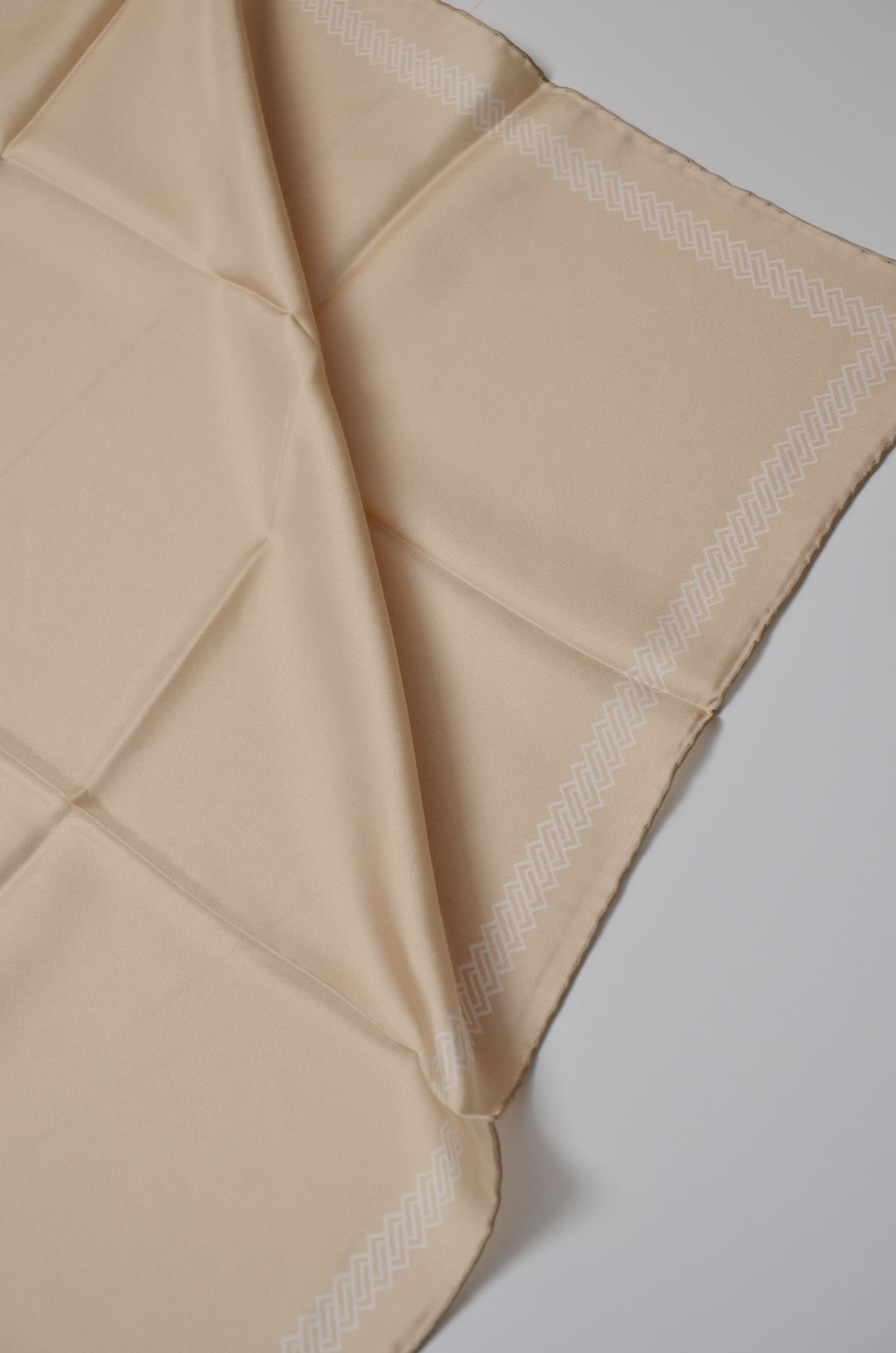
Read the drying directions separately from the washing directions. Permission to machine wash does not automatically authorize tumble drying, a particular heat setting, hanging by corners, or ironing. Select the actual permitted method and prepare its space.
If flat drying is specified, choose a supported position large enough for the piece, with conditions suitable for the textile and the maker’s instructions. Where reshaping is allowed, guide it gently into its intended outline without stretching it to match a ruler or another placemat.
If tumble drying is permitted, follow the stated settings and finishing instructions. Remove pieces as directed rather than leaving them tightly folded in a completed load. Do not use extra heat merely to make a thick edge finish at the same time as a thin center.
Consider the table’s next use. Drying across the only dining surface may work during an empty afternoon but fail when lunch is due. Choose a route that does not require moving partly dried pieces repeatedly around the home.
Resolve curling, wrinkles, and mismatched shape cautiously
Lay the ready pieces out and examine their outline. If an edge curls or a piece is noticeably distorted, consult the product’s finishing guidance. An iron, steamer, heavy weight, or stretching method is not automatically appropriate for a mat with backing or decorative trim.
If ironing is permitted, follow the textile’s instructions for temperature, surface protection, and decorated areas. Test the finished result on the table before storing the set. A piece that rocks a glass or catches under a plate needs attention to its usability, not just its appearance.
Some differences may come from previous care or construction rather than today’s wash. Record what changed so the next laundry decision has useful information. If the condition remains unresolved, ask the maker about the specific problem instead of repeating a stronger treatment.
Return a dry set together
Check each piece, including thicker seams and backed areas, before stacking. Store only items that have completed their permitted drying process. A ready-looking top surface is not enough if moisture remains underneath.
Choose a storage position that supports the intended shape and makes the set easy to count. Keep table linens separate from cloths used for household cleaning. If table-linen storage shares a cupboard with meal equipment, leave the pieces accessible without placing a heavy stack of dishes directly over them.
For a larger household, distinguish the ready set from the pieces waiting for care. A small clearly assigned laundry location is easier to understand than leaving one stained mat folded among five clean ones.
Decide whether the current placemats suit ordinary meals
After several uses, notice the actual maintenance burden. A set that requires a specialized care route may be appropriate for occasional meals and inconvenient for daily breakfast. You can change when you use it without replacing it immediately.
Use an already-owned suitable alternative for messier occasions where that improves the routine. Avoid buying a second decorative set before deciding what care method the household can consistently complete.
The Cleaning guides offer related fabric and household routines, while the after-dinner reset helps connect clearing the meal with putting used linens into their next appropriate stage. A usable set is one you can clean by its actual directions, finish without rushing, and bring back to the table complete.