

A zipper on a throw cushion makes the cover removable. It does not tell you whether the cover can go in the washing machine. Decorative fabrics, trim, backing, and fastenings can have different care requirements, even when two cushions look almost identical on the sofa.
Before washing loose decorative cushion covers, read the instructions for each exact cover and its separate insert. Then plan the whole job: removing, identifying, treating only as permitted, washing, drying, and refitting. A clean cover is only a useful result if it can return to its intended cushion in suitable condition. For a related step-by-step approach, see Clean Apartment Window Screens: Identify the Assembly Before Planning the Wash.
This guide concerns removable covers on separate throw cushions. Fitted sofa upholstery, seat cushions, foam furniture components, and nonremovable coverings require their own furniture instructions. For the surrounding seating, use our family-sofa care guide.
Build the care plan from the label, not the appearance
Find the care label and any maker instructions for the cover. Record washing permission, temperature, cycle, detergent restrictions, drying method, and finishing instructions. Read any directions about zippers or turning the cover inside out. Do not assume another cotton-looking cover has the same permissions.
As a specific illustration, IKEA’s dark-gray 20-by-20-inch GURLI cover permits a warm normal machine wash and says not to tumble dry. Those two instructions show why washability and dryer permission are separate decisions. They apply to that selected item, not to every cushion with a zipper.
If the label is missing, look up the exact item or contact its maker. A fabric description alone may not resolve the construction, dyes, trims, or finish. If care remains uncertain, an appropriate professional can help assess the next step. Do not turn uncertainty into a trial wash on a favorite or difficult-to-replace cover. You may also find Wash Fabric Placemats Without Losing the Set�s Shape useful for a closely related small-home problem.

Identify covers and inserts before separating them
Take a quick photo of the assembled cushions and note which cover belongs to which insert. This helps when several near-matching sizes live on the same sofa. Record orientation for a directional pattern or an insert designed to sit a particular way.
Open each fastening gently and follow the maker’s removal method. If a zipper catches, stop and inspect the immediate obstruction without forcing the slider. A snug cover is not permission to tug hard enough to damage the seam or insert. Seek the maker’s advice if the intended removal is unclear.
Read the insert’s own instructions. Do not put it into the wash with the cover simply because both came out of the same cushion. Different fills and constructions can have different care. Keep an insert needing separate attention identified and apart from inserts already ready for reassembly.
Place the removed inserts in a suitable clean location, protected from the household traffic using the living room. Avoid leaving them beside wet washing, floor cleaning, or a pile of used textiles. You should be able to tell which pieces are ready without reopening the entire project.
Inspect the cover while the details are visible
Look at seams, trim attachments, closures, and areas that already show wear. Note any loose stitching or damage before choosing a permitted wash. Washing will not repair a seam, and a cover that is difficult to remove now may be harder to refit after care.
For stains, follow the item’s approved treatment instructions. Check the cleaning product’s own directions as well. A treatment suitable for one plain fabric can be unsuitable for another fabric, dye, or decorative finish. Avoid treating the whole cover with an unverified mixture to save time.
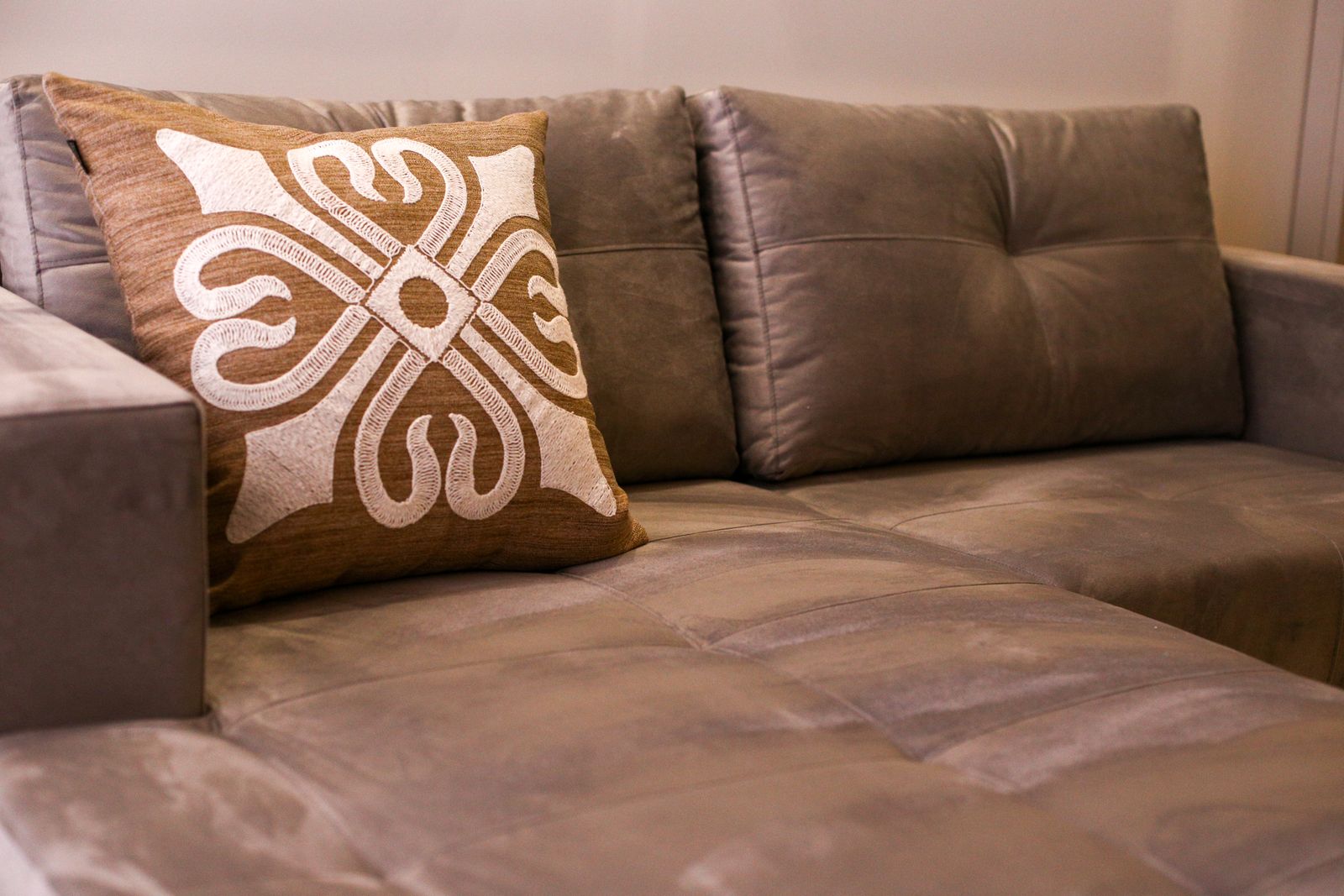
If the instructions call for a colorfastness test or a particular application method, perform that step as directed. Do not consider an inconspicuous test a guarantee that every construction detail will tolerate the treatment. Use it within the permitted care route.
Our guide to handling everyday stains and odors can help you document the issue and act promptly. The exact cushion-cover instructions still control what goes on this textile.
Create wash groups with compatible instructions
Group covers only when their care requirements are compatible. Similar color is one consideration; permitted temperature, cycle, treatment, and construction also matter. An embroidered cover and a plain one do not become a matching wash group merely because they share a neutral shade.
Prepare closures, trim, and the cover’s orientation exactly as directed. Use a protective bag only when it is appropriate under the instructions. Do not use a laundry bag as a workaround for a prohibited washing method. It changes containment, not the care permission.
Allow enough washing-machine capacity for the permitted load. If the household laundry is already full, schedule a separate suitable load rather than squeezing in bulky textiles. Avoid adding inserts, towels, or other items whose requirements make the group harder to manage.
Keep a simple note with each care group. It might list two pale plain covers in the permitted machine wash and one decorated cover awaiting professional advice. That small record prevents a household helper from treating every removed cover as the same unfinished laundry.

Arrange the required drying space before starting
Check whether the maker permits tumble drying, line drying, or another specific method. If a cover must dry flat, identify a suitable supported surface before washing. If it should hang, consider its construction and the permitted hanging arrangement. A small home needs the drying plan as much as the washing plan. If you are working on the same space, Wash Soft House Slippers by Their Label and Plan the Drying Before You Start covers the next decision in more detail.
Keep the drying location usable for its full duration. Do not start a set that will need the dining table through dinner unless the household has a workable alternative. A surface used for food or another task needs the appropriate separation and preparation for each use.
Dry under the item’s stated conditions. Avoid unapproved high heat, direct heat sources, or a rushed setting chosen because the sofa looks unfinished. Finishing methods such as ironing or steaming also require explicit care permission. The absence of a warning on the sofa does not authorize treatment of the loose cover.
If the maker instructs reshaping, do it at the prescribed stage and in the prescribed manner. Do not stretch the fabric aggressively to force it toward the package size. A care label may acknowledge shrinkage, and an unexplained size change may need a manufacturer answer.
Refit only after the appropriate care is complete
Check the cover and insert separately. Each should be in the condition required for reassembly. Unless the exact maker explicitly instructs otherwise, do not invent a damp-refitting shortcut. Moisture hidden inside an assembled cushion is harder to notice and the insert may have its own limitations.

Match the original pair and orientation. Follow the intended insertion method, supporting the pieces rather than pulling on the zipper or decorative edge. A closure should operate as designed. If it resists, check the positioning and compatibility before applying more force.
If the cover no longer fits, compare your care steps with the instructions and contact the maker where needed. Do not immediately buy a larger insert or cut the existing one to solve an unknown change. Either action can create a different problem without explaining the first one.
Return the cushion to its usual place only when the fastening is secure and the finished condition is suitable. Keep a cover awaiting repair or a replacement decision apart from the ready set. That makes the sofa arrangement honest and prevents an unresolved item from silently entering everyday use.
Choose a manageable number of covers per session
You do not have to remove every decorative cushion at once. Start with a compatible pair or one care group that fits the available drying space. A small session can be easier to finish accurately than a pile of different fabrics waiting for instructions.
Coordinate the task with your family laundry routine. The relevant question is when the permitted wash, drying, and reassembly can all happen, not simply whether the machine has an open slot today.
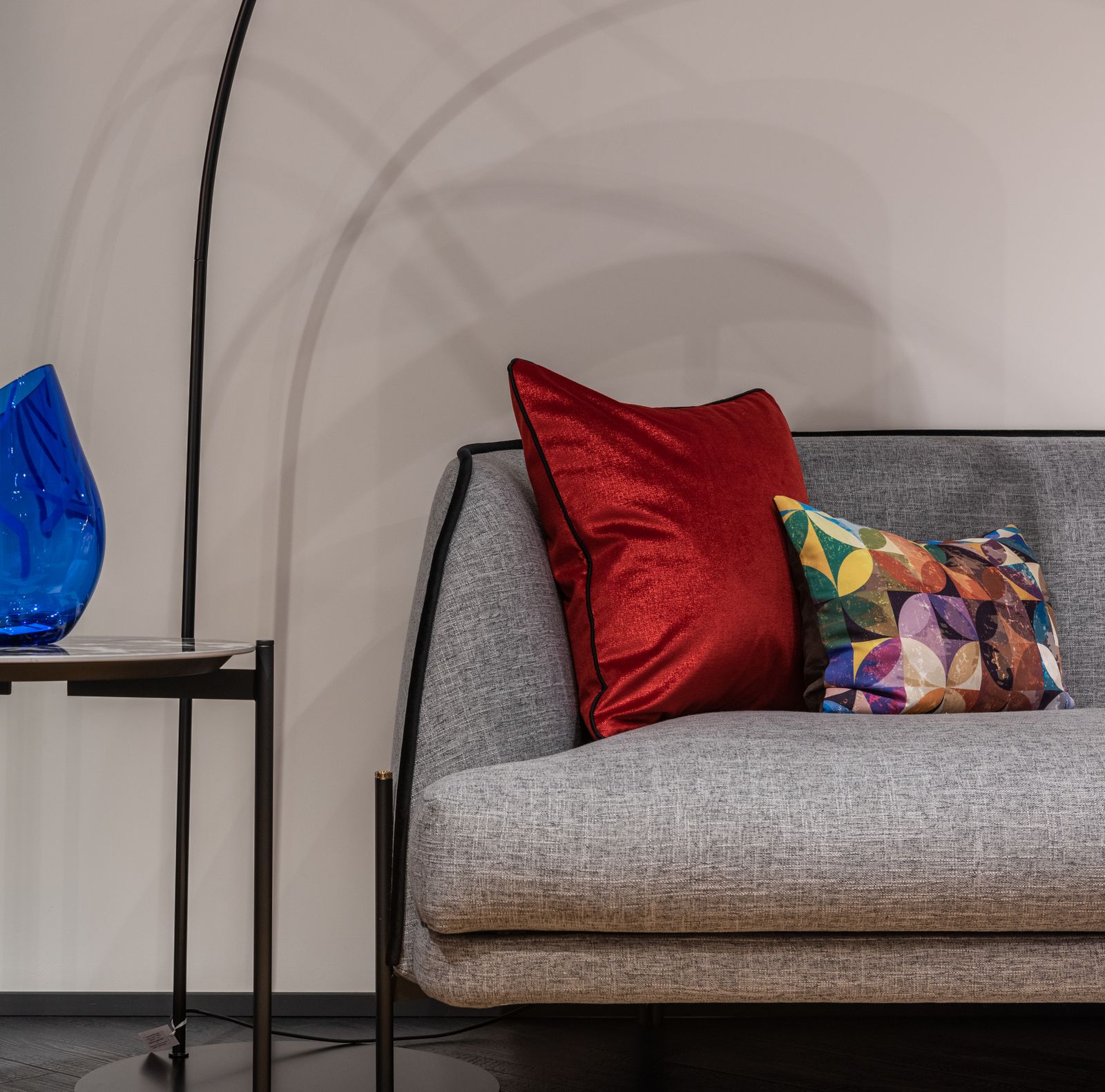
Retain the care information after the first successful session. A photo of the label and the cover’s identity helps if the label later becomes hard to read. Recheck instructions for a replacement cover, even if its color and size match the old one. Product construction can differ.
For more room-specific upkeep, visit the Living Room collection and Cleaning guides. The practical aim here is a finished pair of cover and insert, with the exact care decisions preserved for next time. A zipper gives you access; the instructions tell you how to use it responsibly.
