
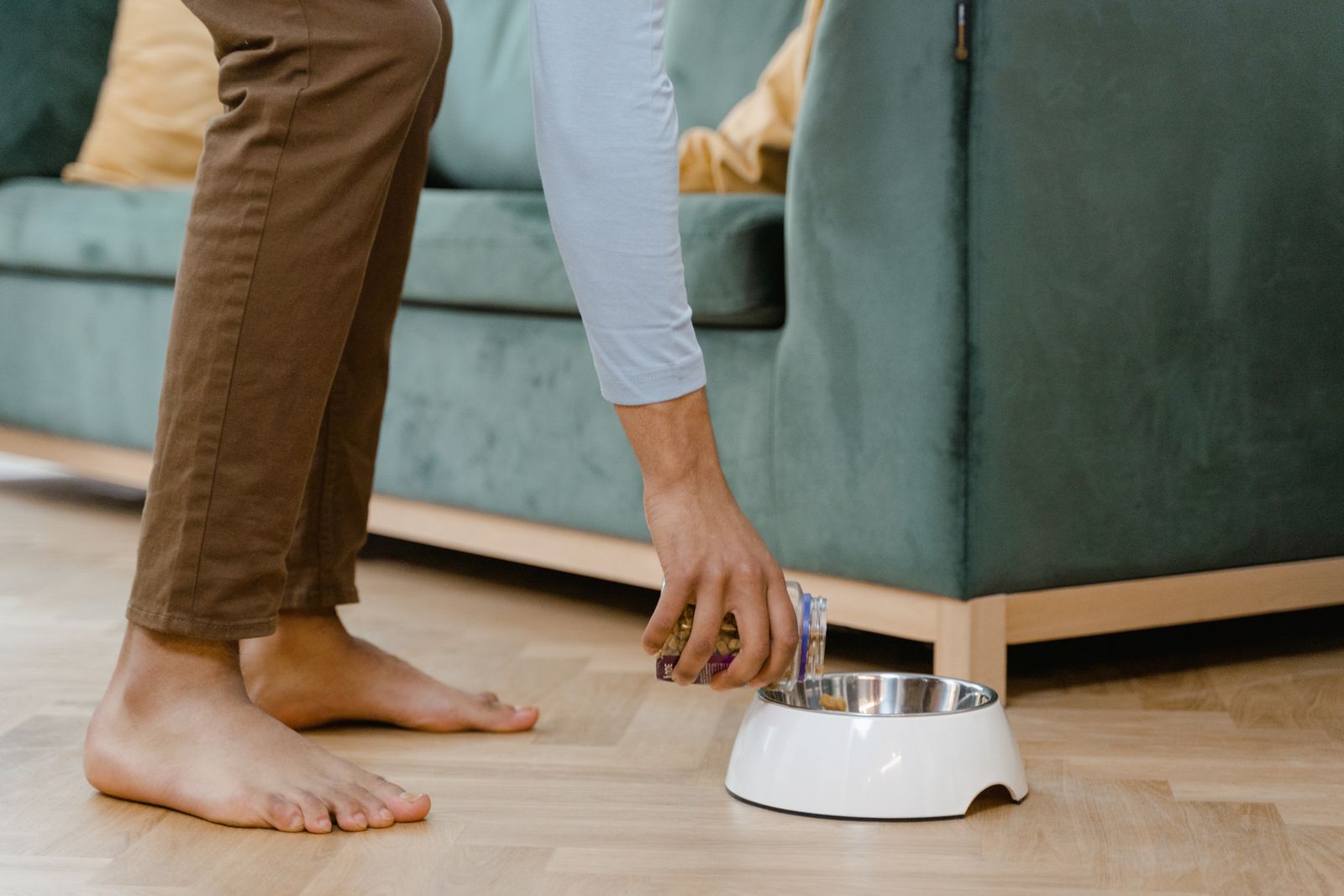
Two people can each care about a pet and still duplicate the same feeding task. One fills the bowl before leaving; the next sees a clean-looking bowl later and assumes the task was missed. A message saying “I did it” offers little help when nobody knows which pet, which meal, or which day it refers to. For the broader setup, Build a Bathroom Restock Handoff Children Can Help With is a useful next read.
Build a clear handoff for the feeding plan the responsible owner has established with appropriate veterinary guidance. This article addresses household coordination. It does not set portions, feeding frequency, diets, or medical routines. The plan for the actual animal remains authoritative, and questions about that plan or a possible error belong with the owner and veterinarian as appropriate. You may also find Give Children a Clear Table-Setting Handoff Before Family Meals useful for a closely related small-home problem.
Put the agreed plan in one identifiable place
Keep the current authorized instructions somewhere the responsible carers can access. Identify the pet, the relevant task, the approved food and equipment, and who can clarify a question. Use whatever detail the owner and veterinary guidance require. Do not replace those instructions with general advice copied from a different animal’s routine.
Make the current version clear when the plan changes. Remove or mark outdated household copies appropriately so a helper does not follow a superseded note. If you maintain both a paper copy and a digital copy, decide who updates them. Two apparently authoritative instructions that disagree create more uncertainty than one understandable reference.
Keep products in appropriate identified storage and follow their directions. A neatly labeled household container should not conceal essential information or permit unsuitable access. Our guide to organizing pet supplies covers their storage address. The feeding handoff tells the household who uses the relevant supplies and when completion is recorded.
Assign responsibility for a specific task
Assign each agreed feeding task to a named responsible person. Use a time window or identifier that matches the owner’s established plan. “Everyone helps with the dog” does not identify who should act this morning. A clear assignment lets another person check responsibility before reaching for the food.
Choose a backup carer and an explicit handoff method. If the assigned person cannot complete the task, they contact the backup or responsible owner through the agreed channel. The transfer should identify the pet and task and receive a clear acknowledgment where needed. An unread group message does not establish that someone else has accepted responsibility.
When children participate, an adult determines whether the task is suitable for their age, ability, supervision, and the animal’s behavior. Reporting completion or bringing an approved item may be more appropriate than preparing food or approaching a feeding animal. Do not turn a household chart into permission for unsupervised contact or handling.
Record completion where the next carer checks
Choose one simple record rather than several competing signals. It can be a suitable paper log or an existing digital system. Include the date, pet, task identifier, and person who completed it. Keep the record readable at the moment the next carer would normally decide whether to act. If you are working on the same space, A Family Laundry Handoff System Kids Can Actually Help With covers the next decision in more detail.
Mark completion after the agreed task is actually finished. A prepared bowl or a reminder you dismissed is not necessarily a completed handoff. Avoid marking several future tasks in advance. The record should describe what happened, while the plan describes what should happen.
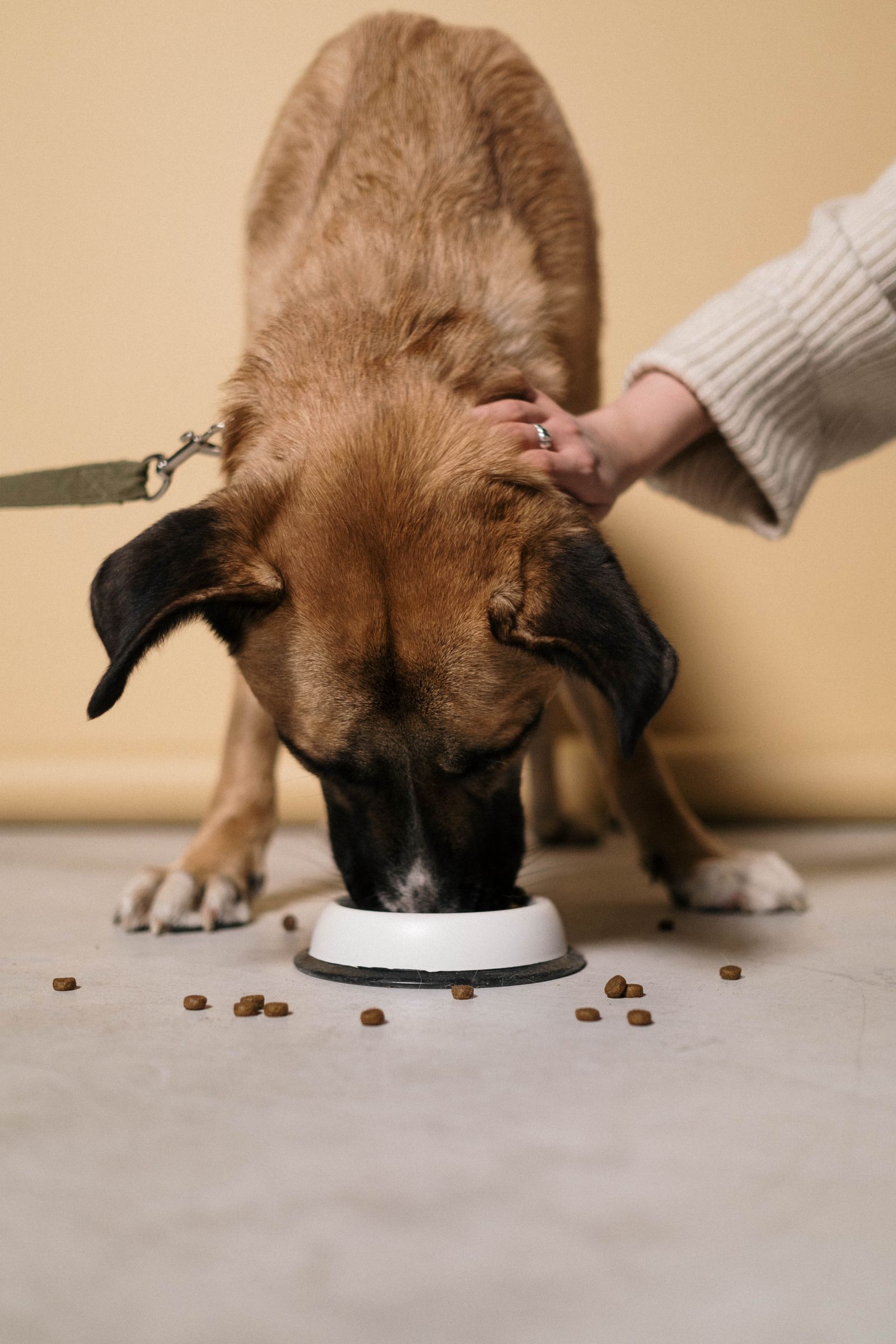
Do not infer a feeding history from the bowl alone. Bowl appearance can be ambiguous, especially when several animals or carers are involved. Check the agreed record and clarify uncertainty with the responsible person. If you cannot establish what happened, follow the owner’s appropriate escalation instructions rather than improvising another feeding.
Our simple family chore system connects responsibility with a finished condition. Pet care adds a stronger need for accurate identification and a prompt help route because guessing can affect the animal’s care.

Keep exceptions separate from the ordinary check mark
Give carers a way to report an issue without marking the normal task complete. Follow the owner’s instructions for an unavailable product, a change in the animal’s behavior, a suspected duplicate task, or any other uncertainty. The message should state what was observed and what actions have already occurred.
Avoid hiding an issue inside a vague note such as “probably fine.” Record facts that help the responsible person respond. If there may have been a feeding error or a health concern, obtain appropriate owner or veterinary guidance promptly. A coordination system should make that contact easier; it should not try to diagnose the situation.
Keep special or medical instructions under the appropriate responsible adult’s control. A routine feeding chart does not authorize another person to change medication, substitute food, or adjust quantities. Identify the person who can answer the question, and retain the actual care directions where authorized carers can find them.

Connect the feeding task to its cleanup route
Use the care instructions for bowls, utensils, and any other equipment involved. Decide which responsible person completes the required cleaning and where ready items belong. Keep used equipment distinct from ready equipment. A carer should not have to guess whether a bowl in the sink is waiting for care or available for another task.
Plan the work area around the household’s food-preparation routine and relevant hygiene guidance. Keep pet supplies identified and appropriately stored. Our guide to cleaning a small home with pets covers the surrounding room routine. The handoff should state which care tasks end the feeding session without inventing a universal washing or disinfection recipe.
When the supplies run low, report the exact product to the person responsible for purchasing it. Check the existing reserve before ordering. A helper who notices a shortage should not need to choose a substitute without authorization. Keep buying responsibility separate from the feeding completion record.

Rehearse the arrangement before someone is away
For more than one pet, keep identification clear without assuming their care plans are interchangeable. The responsible owner should establish any required separate arrangements. A log entry needs to identify the actual animal and agreed task, even when carers think the animals usually share the same routine. Use the names consistently across the plan, supplies reference, and completion record.
Try a hypothetical handoff together: the usual carer is delayed, the backup accepts the specific task, checks the current instructions and record, completes only the authorized work, and records it. Then ask what the usual carer would see on returning. They should find a clear completion entry, not a prepared bowl and an uncertain message from earlier in the day.
Keep the system proportionate. A single responsible adult may need only a small record, while several carers require a more explicit acknowledgment step. Add structure where it resolves an actual ambiguity. The point is a reliable transfer of responsibility, not a complicated dashboard that distracts from following the pet’s established care plan.
Have the authorized helper locate the current plan, identify their task, find the appropriate supplies, and explain how they would record completion. They can demonstrate the coordination steps without repeating a feeding that is already complete. Check whether they can reach the responsible owner and understand the exception route.
For a visit or temporary care arrangement, agree on access, timing, backup support, and communication beforehand. Give the helper information relevant to the actual pet and period of care. Do not assume a person who cared for the animal last year remembers a current plan that has changed.
Review the system after a few ordinary days. If people forget the record, move the reminder to the real decision point or simplify the format. If assignments keep changing, clarify the handoff. Explore Family Home and our Kitchen guides for surrounding household routines. The useful result is one current plan, a responsible carer for each agreed task, and a trustworthy record that helps the next person avoid guessing.
