
“Set the table” can sound like one simple chore while containing several different decisions: who is eating, which dishes belong to the meal, what a child can carry, and when the table is ready for serving. In a small dining area, an unclear assignment often ends with extra trips through the kitchen and adults moving plates around at the last moment.
Give a child one suitable part of the meal setup, with a visible finish and an adult available for questions. The aim is participation in a real household task, not a perfectly styled table. This guide focuses on the handoff before eating. The multipurpose dining-table reset handles the broader work of changing the table from homework or crafts to meals.
Start with the actual meal and people
An adult confirms how many people will eat at the table and what the meal requires. A breakfast with bowls is different from a dinner with plates, and a visitor changes the count. Tell the child the specific assignment for today rather than asking them to recreate yesterday’s setting from memory. Keep the count understandable: “Please put one napkin at each of these four places” gives a clear destination and quantity.
Do not add items simply because a restaurant table has them. Extra glasses, decorative pieces, and several utensils can occupy the limited eating surface without helping the meal. Begin with the items your household uses. An adult should decide how hot dishes, serving utensils, sharp tools, glassware, and other unsuitable or restricted items reach the table, according to the child and the situation.

Offer a task the child can complete from the floor
Choose an assignment around the child’s actual ability, interest, and the supervision you can provide. Napkins may be a useful beginning; an appropriate plate or cup may be suitable for another child. Do not treat an age label as proof that every child can carry the same item. Show the chosen action and remain available to adjust it. A smaller task completed clearly can contribute more than a larger task finished by an adult after confusion.
Make the assigned supplies accessible without climbing, stretching over a counter, or reaching into restricted storage. If everyday dishes are stored too high, an adult can bring the selected items to a supported, suitable transfer position. This is different from rearranging every kitchen cabinet for a single chore. Keep the child’s route to the table clear and avoid making them carry around someone handling a hot dish.
Use one finished example as a guide
Set one ordinary place together if the task needs a model. Point to the items and positions relevant to the meal, using the household’s usual arrangement. Avoid turning the assignment into a lesson about formal dining rules unless that is actually the occasion. A child can match a practical example without needing to remember a long verbal sequence. If you are working on the same space, A Pet-Feeding Handoff That Helps the Next Carer Avoid Guessing covers the next decision in more detail.
Check that the example suits the real table. A small round table, a bench, or a shared corner may need a different arrangement from a rectangular restaurant setting. Leave enough room for the people using it and the adult’s serving plan. The small dining-area guide can help with the surrounding layout if chairs and table functions already compete.
Give each helper a distinct contribution
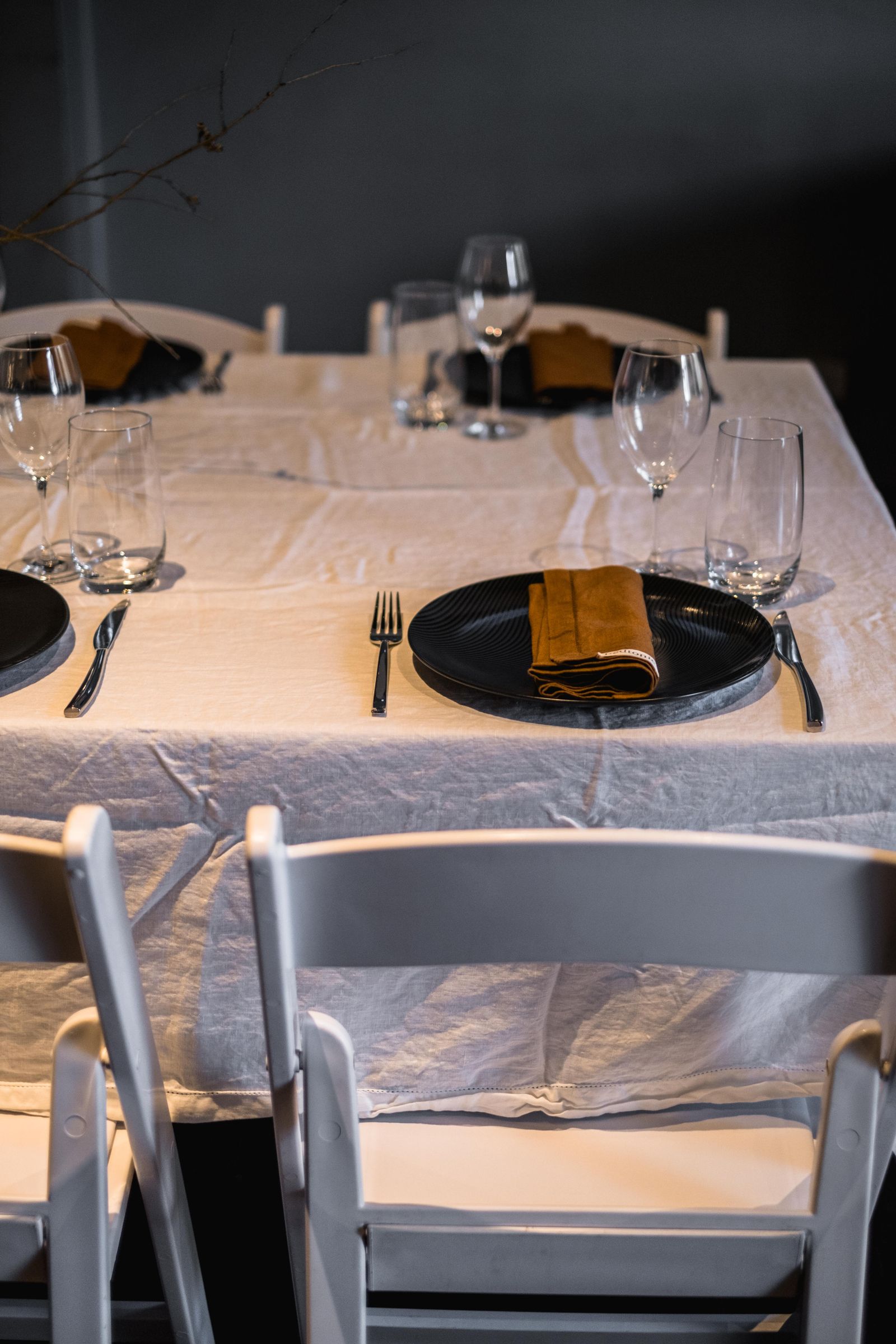
If two children help, assign different suitable items or named places. One could distribute napkins while another completes a different approved task. Two people both asked to “do the table” may duplicate work, move each other’s items, or assume the other will finish. Keep responsibility visible through the assignment itself rather than requiring a detailed chore board for every meal. For the broader setup, Build a Bathroom Restock Handoff Children Can Help With is a useful next read.
For a child working alongside an adult, identify the adult’s parallel job too. “You do these napkins; I will bring the serving dish” explains why the child should leave the central space available. If the adult needs to pause the child’s route while serving, make that explicit. Keep the chore calm and predictable instead of trying to coordinate it over a rushed, crowded kitchen doorway.
Define what “ready” looks like
The finish should be easy to observe. Every intended place has the assigned item, unused supplies are returned to the specified spot, and the child tells the adult the task is complete. That last message lets the adult check the meal count without repeated hovering. It also distinguishes a completed task from one the child has left midway through.
| Assignment | Visible finish | Adult follow-up |
|---|---|---|
| Distribute napkins | One at each confirmed place; extras returned | Check the current diners and serving space |
| Carry an approved item | Selected items at their named destinations | Handle unsuitable items and resolve missing supplies |
| Follow one example | Relevant places match today’s model | Adjust for the meal and the people using the table |
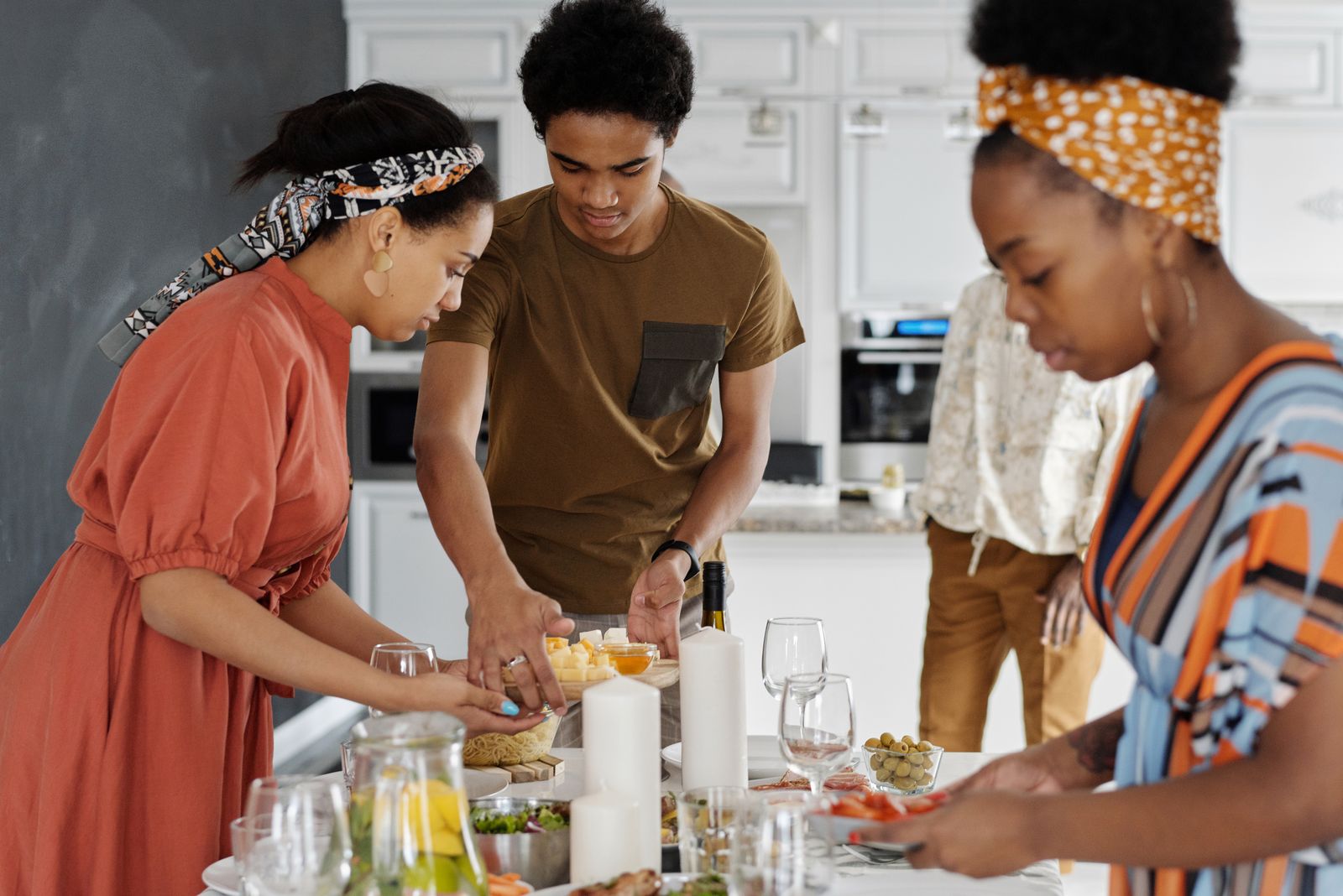
Use the finish as a shared check, not a test designed to catch mistakes. If the count is wrong, compare the places with the confirmed diners together. If an item is missing, show where to ask for help. A household routine becomes harder to learn when the instructions change after the child has completed exactly what they were told.
Plan the help message before something is missing
Give the child a short phrase for a blocked task: “There are three cups and we need four,” or “I cannot reach the napkins.” The adult can then resolve the particular issue. Do not make the child search every cupboard or borrow an unfamiliar item to satisfy the count. Help is part of the routine when supplies or access differ from the usual setup.
If the adult is briefly unavailable, identify a suitable stopping point. The child can leave the approved supplies together and wait rather than improvising around hot food, sharp tools, or breakable objects. Keep any restricted items under adult control. Participation should not depend on the child guessing which exceptions are allowed when the meal is running late.
Adjust the assignment when the room or meal changes
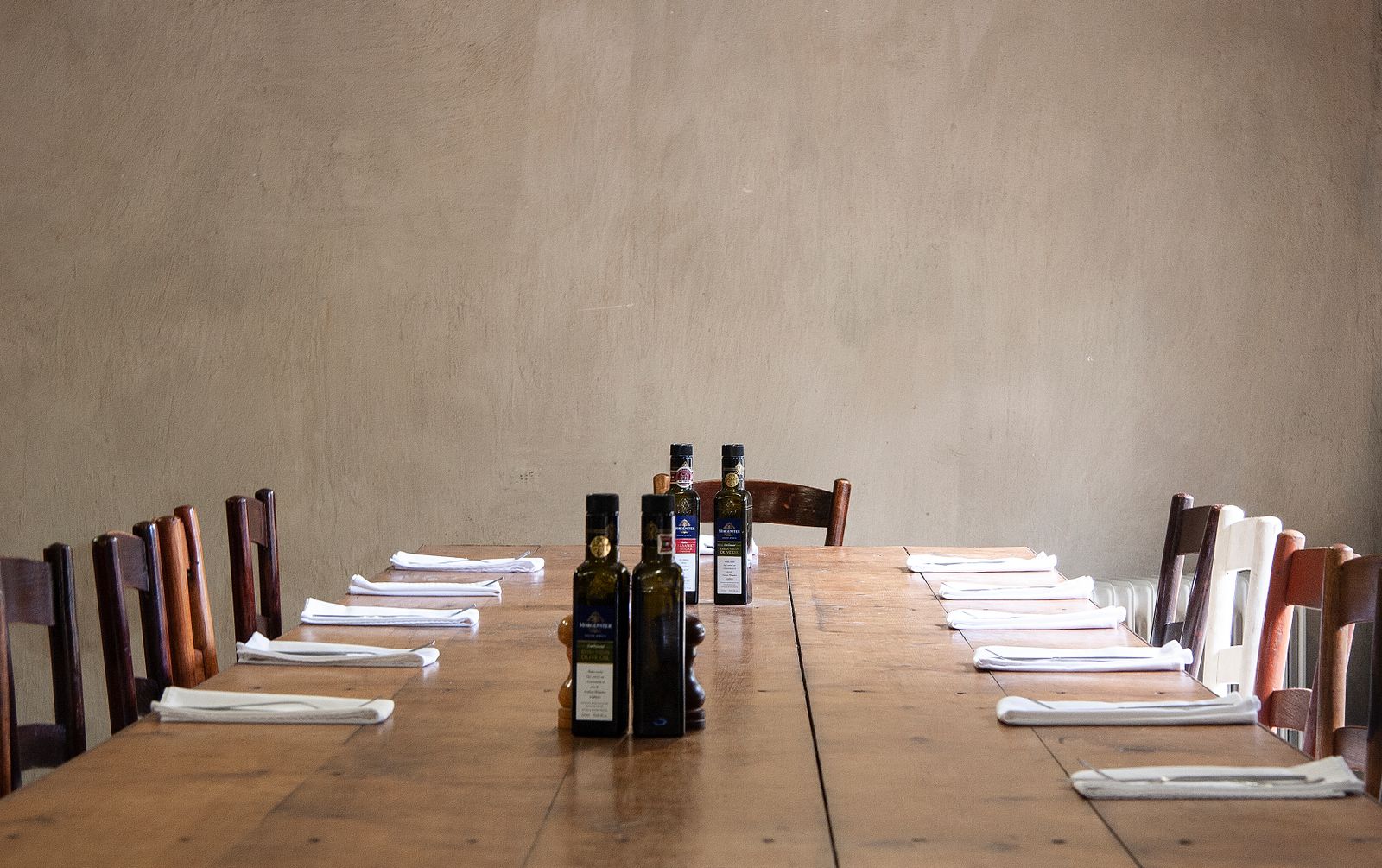
A guest meal, takeaway dinner, or breakfast eaten in turns may require fewer or different places. State the change before the task begins. If the table is still occupied by homework, an adult resolves when it is released and where those materials go. Table setting should not make a child responsible for deciding what happens to someone else’s unfinished work.
For a very small table, the adult may bring some items only as needed during the meal. The child’s assignment can remain useful even when the entire setting cannot be laid out at once. Agree on the sequence rather than squeezing everything into the center. The Family Home hub covers other shared routines that need similar clarity about today’s conditions.
Use a simple change message for a late arrival
If another diner joins after the child has finished, acknowledge that the earlier assignment was complete for the original count. State the new request separately: “We now need one more place; please add one napkin here.” An adult handles the other required items. This keeps a changed meal plan from feeling like a mistake in the child’s work.
If someone leaves or eats elsewhere, the adult confirms which items should return to storage. Do not make the child guess whether a place is temporarily empty or no longer needed. The same distinction helps when diners eat in turns at a small table. An explicit count and destination can remain simple even when the meal’s seating arrangement changes.
Notice the contribution without adding extra work
When the child reports completion, acknowledge the concrete help: the places are ready or the napkins are distributed. Give any correction in the same practical language. Avoid expanding the assignment into clearing the whole kitchen just because the child finished quickly. Another chore can be offered separately, with its own suitable scope, so completion continues to mean what you agreed.
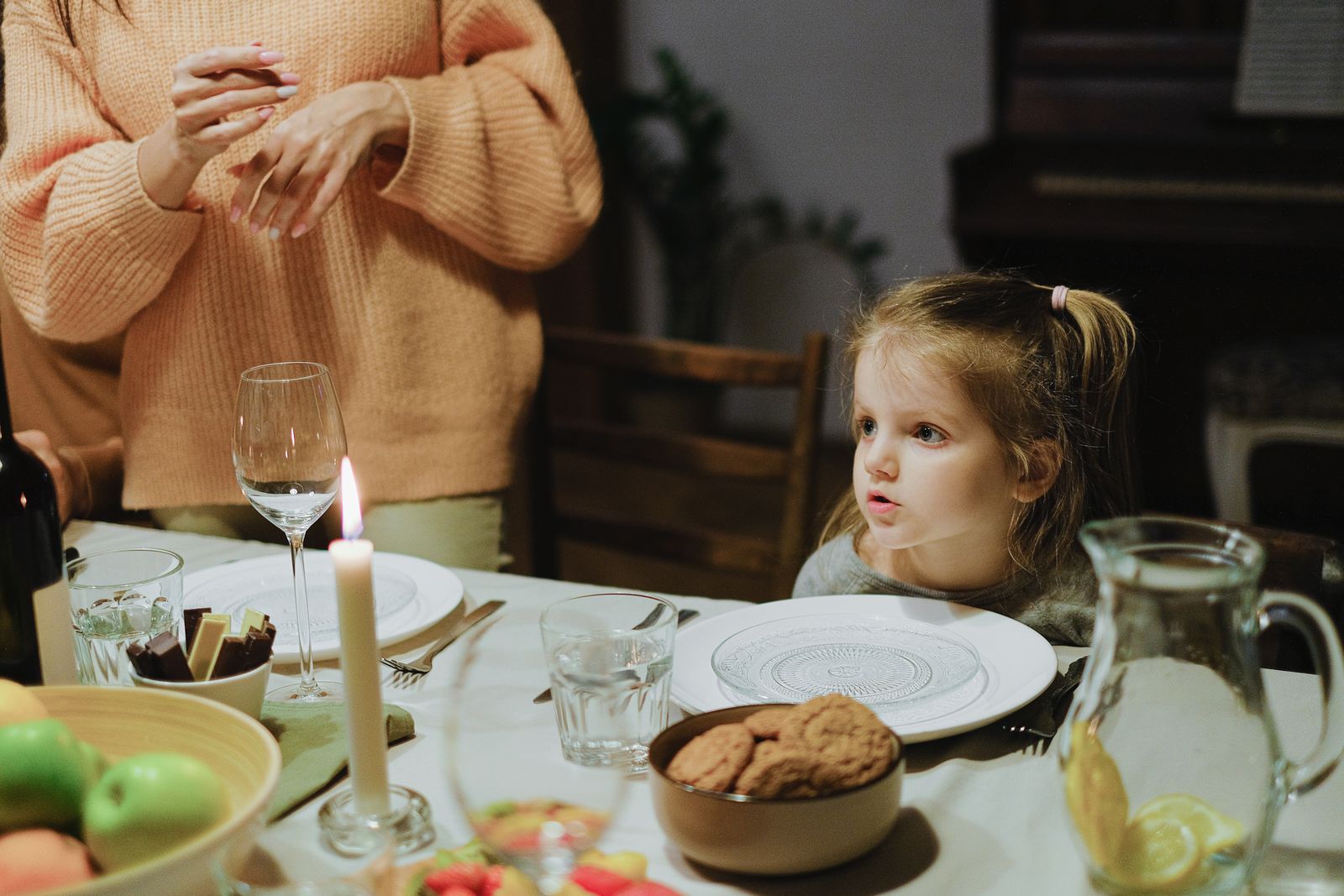
After a few meals, ask whether the selected supplies and route work for the helper. Move a suitable transfer position if necessary, simplify a confusing example, or reduce the carried quantity. Keep the routine that the child can complete with appropriate adult guidance. Later cleanup can follow the separate after-dinner kitchen reset. A successful table-setting handoff makes the meal easier to start and gives the helper a contribution they can recognize as finished.