Meal-prep content often assumes a kitchen with a large island, six identical glass containers, two ovens, and enough refrigerator space for an entire week of cooked food. In a small kitchen, copying that model can create more stress than convenience.
You do not need to cook seven finished meals at once. Small-space meal prep works best when it reduces weekday decisions without overwhelming the counter, sink, cookware, or refrigerator. For the broader setup, How to Organize Pet Supplies in a Small Home Without Creating a Pet Closet is a useful next read.
Start by protecting one prep surface
Before taking ingredients out, clear the main cutting and assembly zone. Move mail, appliances that do not need to be there, grocery bags, and drying dishes. If you are working on the same space, A Family Chore System for Small Homes That Doesn’t Need a Chart on Every Wall covers the next decision in more detail.
This is why counter maintenance matters so much. If needed, use the approach in How to Keep Kitchen Counters Clear in a Small Home before building a meal-prep routine.
Check refrigerator capacity before cooking
It makes no sense to produce twelve containers if the refrigerator is already full. Review leftovers, active groceries, and shelf space first.
Meal prep creates inventory. The refrigerator must have a place for that inventory to live safely and visibly.
Choose partial prep when full meals are too bulky
Partial prep can save time without filling the fridge with large containers. Examples:
- washed and portioned vegetables,
- cooked grain for several meals,
- marinated protein as appropriate,
- one sauce or dressing,
- chopped aromatics,
- snack portions.
During the week, these components can become different meals rather than identical reheated boxes.
Prep by technique, not by recipe
If three meals need chopped onions, chop the onions together. If two meals use roasted vegetables, cook them in one oven session. If several lunches use rice, make one batch.
This reduces repeated setup and cleanup, which matters more in a small kitchen where every transition uses the same surface.
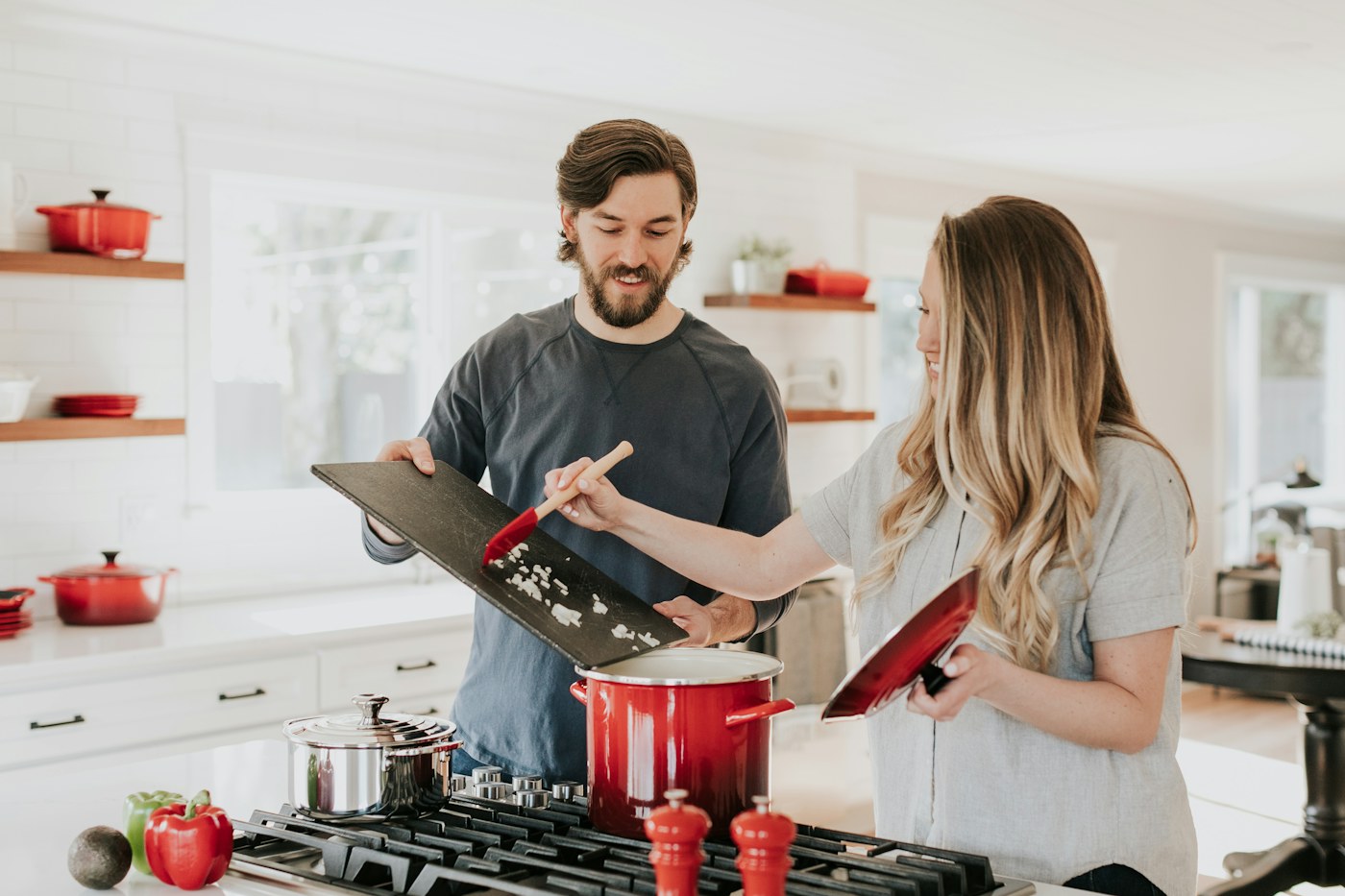
Stage only the ingredients for the current task
Do not place the entire week’s groceries on the counter. Pull out what you need for the first chopping stage, complete it, put ingredients away, wipe the surface, and move to the next stage.
A small counter works best as a conveyor belt, not a warehouse.
Use the sink deliberately
A sink full of dirty bowls removes washing and draining capacity. Wash high-value tools between stages when needed rather than allowing every cutting board and pan to accumulate until the end.
This does not mean washing constantly. It means protecting the sink as another work zone.
Limit the number of pots active at once
Three burners, one oven tray, and multiple prep bowls can create a traffic jam faster than it saves time. Choose a sequence that reuses cookware where practical.
For example, roast vegetables while a grain cooks, then use the cleared pot for a second component rather than starting five processes simultaneously.
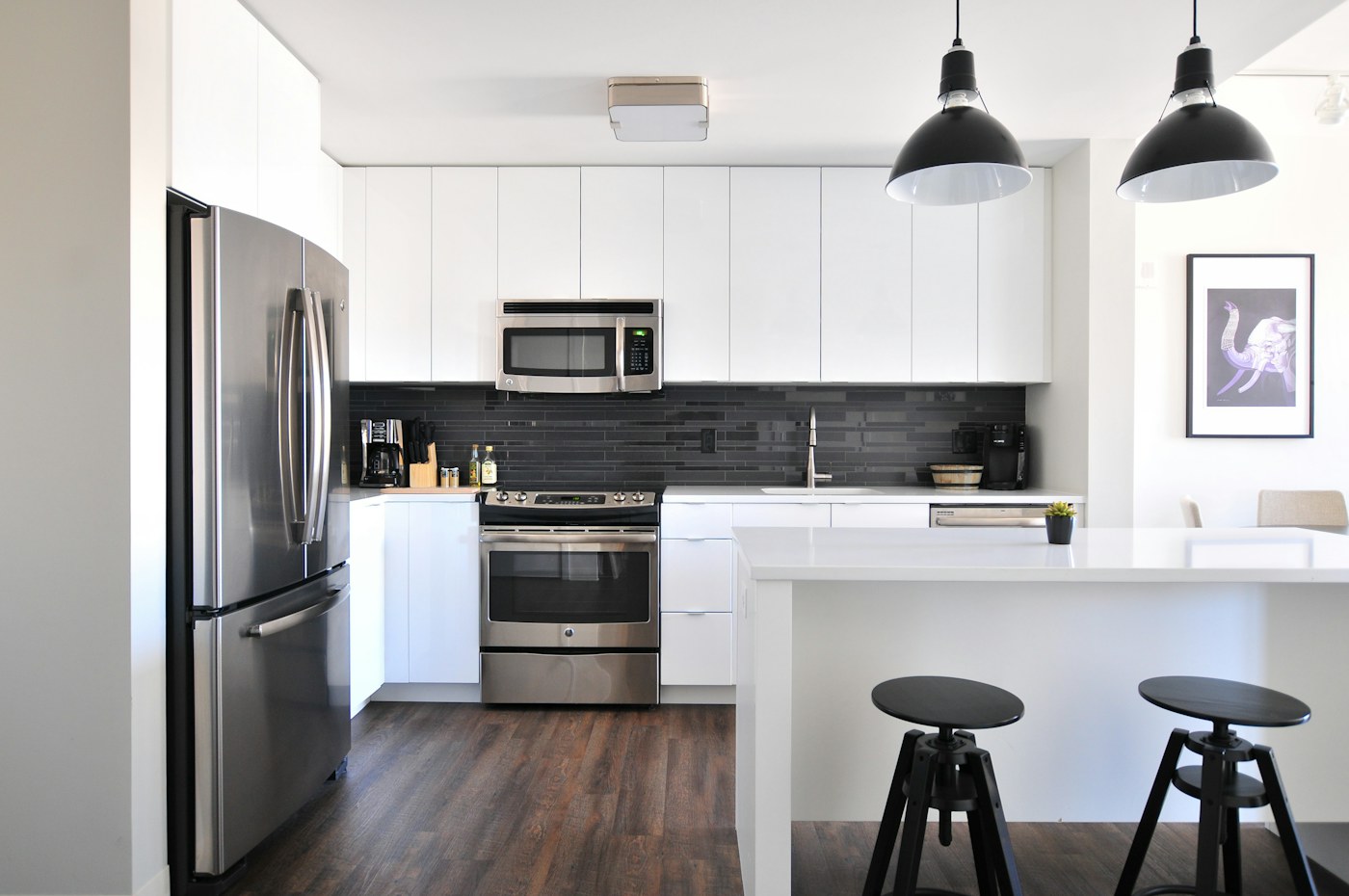
Use one large mixing bowl repeatedly
When food-safety considerations allow and the bowl is washed appropriately between uses, reusing a versatile prep bowl can reduce dish volume. The small-kitchen advantage comes from fewer objects in circulation.
The goal is not minimalism for its own sake. It is keeping the workspace moving.
Choose meals that share ingredients without tasting identical
Roasted vegetables can become grain bowls, wraps, omelets, or side dishes. Cooked chicken can support salads, tacos, and sandwiches when handled and stored appropriately.
Ingredient overlap reduces refrigerator variety without forcing the family to eat the exact same meal repeatedly.
Do not prep foods that decline badly in storage just because the schedule says so
Some foods are better cooked or assembled closer to eating. Meal prep should improve quality of life, not create four days of meals nobody wants.
Prep the bottlenecks—washing, chopping, sauces, grains, packing—not necessarily every final plate.
Keep containers proportional to the fridge
A collection of large meal-prep boxes can consume shelf space even when half full. Use container sizes that match portions and stack efficiently in your actual refrigerator.
Do not buy a 30-piece container set before proving that your routine needs it.
Label components so they become meals, not mysteries
A simple name and date helps family members know what is available. Clear visibility reduces the chance that prepped food sits untouched behind new groceries. For the broader setup, How to Organize Family Photos and Printed Keepsakes in a Small Home is a useful next read.
The small-fridge system for busy families is especially useful here.

Give children one appropriate participation job
Depending on age and supervision, children can wash produce, portion snacks, label containers, gather lunch items, or help set up the table.
The purpose is not to make meal prep slower with symbolic chores. It is to gradually share a real household routine.
Use a two-hour ceiling if meal prep consumes the whole day
If your Sunday prep routinely becomes a four-hour production, reduce scope. Prepare two high-impact components and one lunch item rather than seven full dinners.
Meal prep should return time to the week, not relocate all the work into one exhausting block.
End with the kitchen reset
Put cooled and appropriately stored food into the refrigerator, wash priority cookware, clear the sink, wipe the main prep surface, and remove packaging/trash.
The meal-prep routine is not complete if Monday morning begins with a kitchen that looks like a catering operation just ended. For the broader setup, The Reset Basket Method: Smart Family Clutter Tool—or Just a Basket That Moves Mess Around? is a useful next read.
A 75-minute small-kitchen example
- 0–10: fridge check, clear counter, gather first ingredients.
- 10–30: chop shared vegetables and aromatics.
- 30–50: cook grain/protein/roasting components.
- 50–60: portion lunch/snacks and label.
- 60–75: cool/store appropriately and reset kitchen.
The exact foods will vary. The useful part is the sequence.
Explore this topic
Browse more practical guidance in the Family Home hub. Room focus: Kitchen.
Related published guides
Frequently asked questions
Can I meal prep without a large kitchen?
Yes. Focus on sequencing, partial prep, and a limited number of components instead of trying to cook an entire week simultaneously.
How many containers do I need?
Start with the containers you already use. Add only when the routine proves a specific size or quantity would reduce friction.
What should I prep first?
Prep the tasks that create the most weekday delay—often washing/chopping produce, cooking a staple grain, making a sauce, or packing lunches.
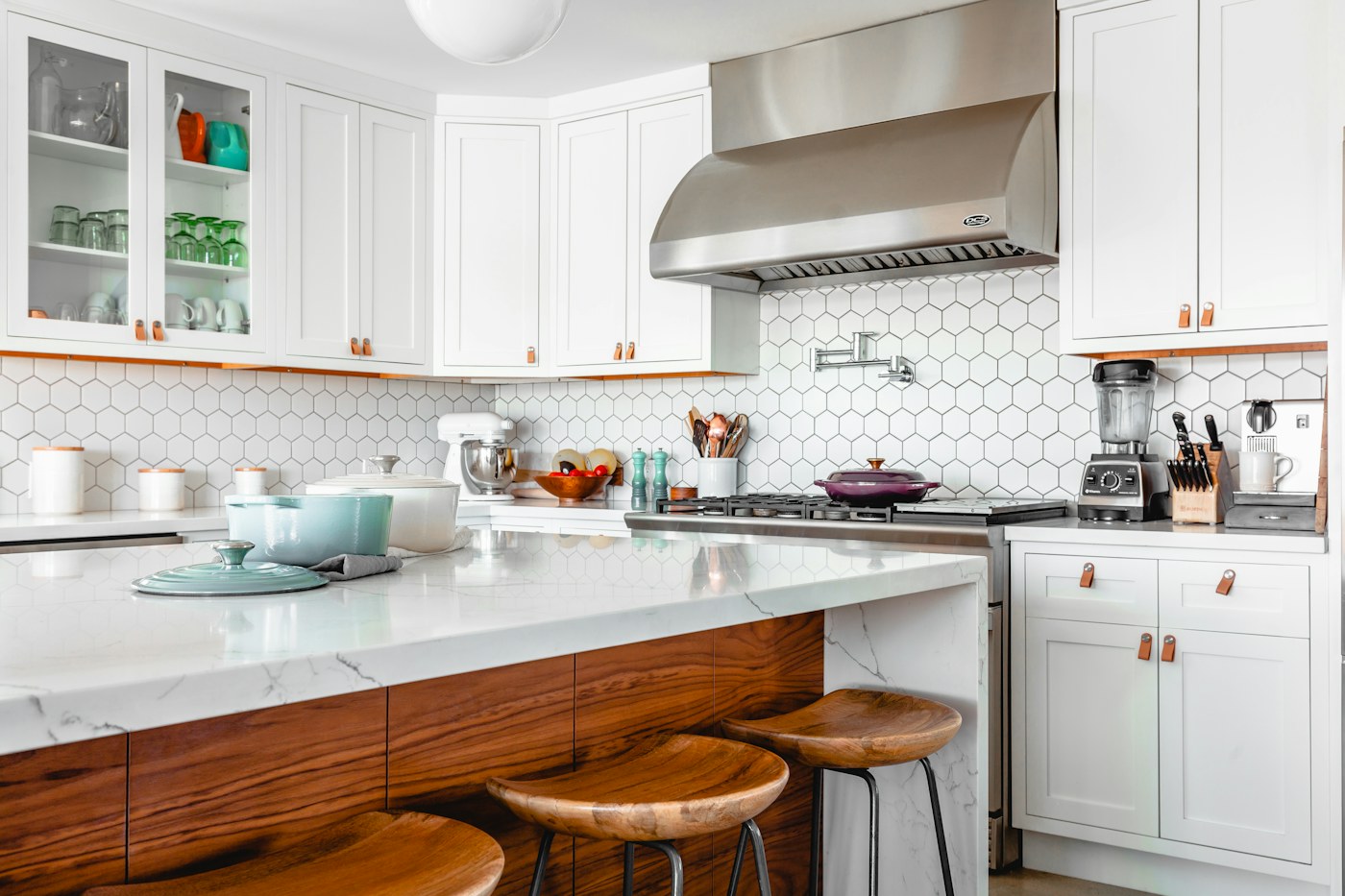
Small-kitchen prep should feel like choreography, not storage
The counter can do one job well at a time. Let it. Stage ingredients, finish a task, clear the surface, and move forward. A sequenced hour of prep often creates more weekday relief than covering every counter with seven recipes at once.