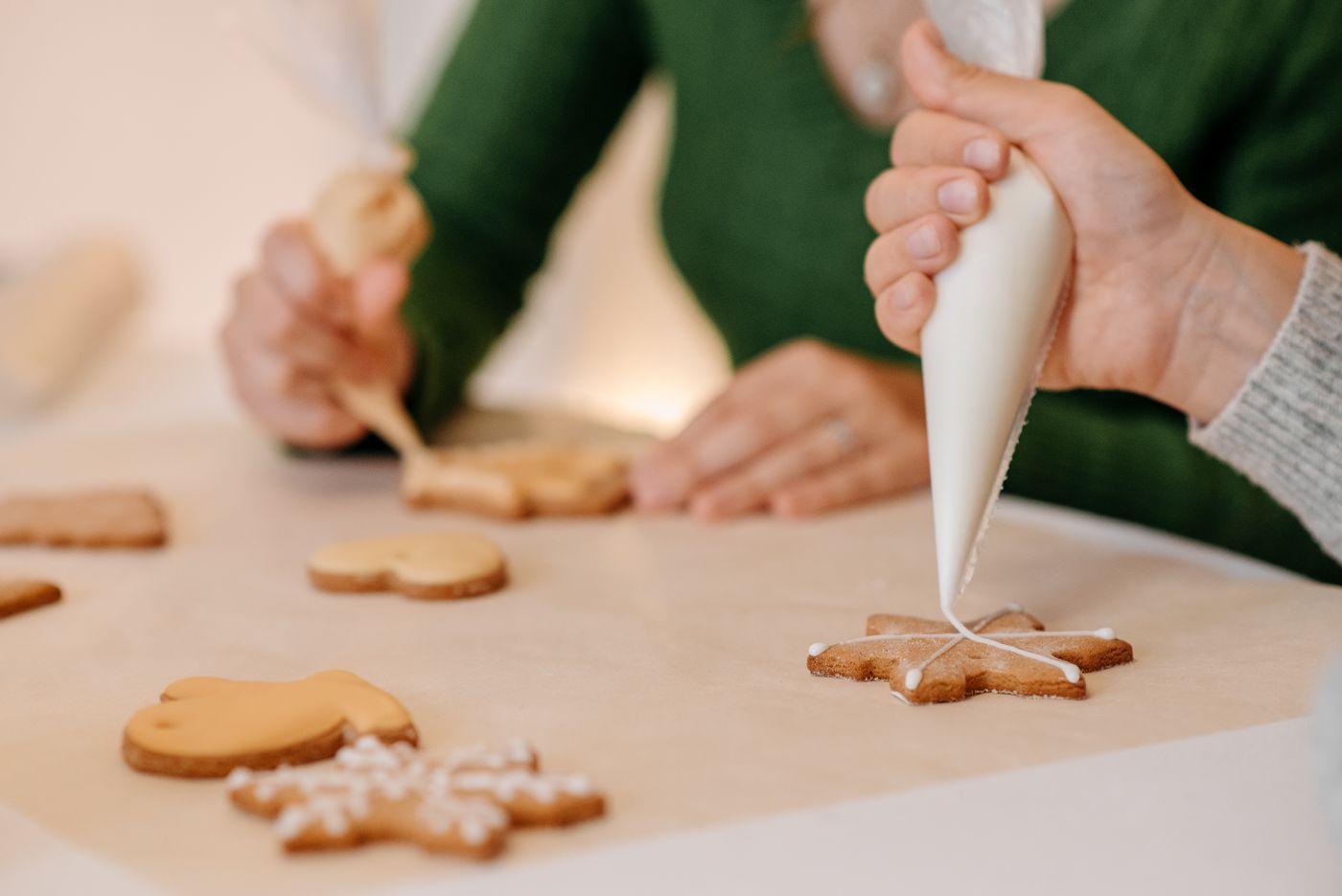
Cookie decorating can be a family activity without making baking, cooling, and decorating one long session. Begin with cookies that are ready to decorate, suitable edible supplies, and a small table arrangement that everyone can use. Keeping those stages distinct makes the shared part easier to plan in a small home.
Etsy’s seasonal 2026 report provides context for handmade gatherings. This is an activity plan within that context, not a recipe or a claim that a particular decorating kit is currently trending. Follow the actual food, decoration, and tool instructions, including their handling and storage requirements.
Choose the cookies before planning the decorations
Use cookies that are ready to eat and appropriate for the intended decorating method. Read the actual product information or follow a reliable recipe’s completed baking and cooling process. A cookie that is still awaiting its required preparation belongs outside this ready-to-decorate session.
Keep the ingredient and allergen information available for the people participating or receiving the finished food. Check their actual needs before choosing supplies, and obtain appropriate information when something is uncertain. Do not rely on a decorative theme or the appearance of a cookie to identify what it contains.
Keep raw preparation outside the activity
FDA’s flour-handling guidance says raw flour, dough, and batter should not be eaten and that raw ingredients should be kept separate from ready-to-eat foods. This session begins after the cookies are appropriately prepared. Do not use raw dough as a play material at the decorating table.
Prepare the working area and hands appropriately before handling the ready food. Keep any earlier raw-preparation equipment out of the active decorating arrangement until it has completed the required cleanup. The aim is a clear ready-food workspace rather than a mixed table where different preparation stages are difficult to distinguish.
Select a small edible supply group
Choose decorations intended for eating and suitable for the actual participants. Follow their packaging information and any preparation directions. Craft glitter, craft paint, and decorative objects without appropriate food-use approval do not belong in the edible supply group merely because their colors suit the theme.
Begin with a manageable choice, such as the intended icing and one or two appropriate decorations. A large assortment can make sharing and cleanup more complicated before anyone enjoys the first cookie. You can offer a further suitable choice later if the group genuinely wants it.
Give everyone a defined working place
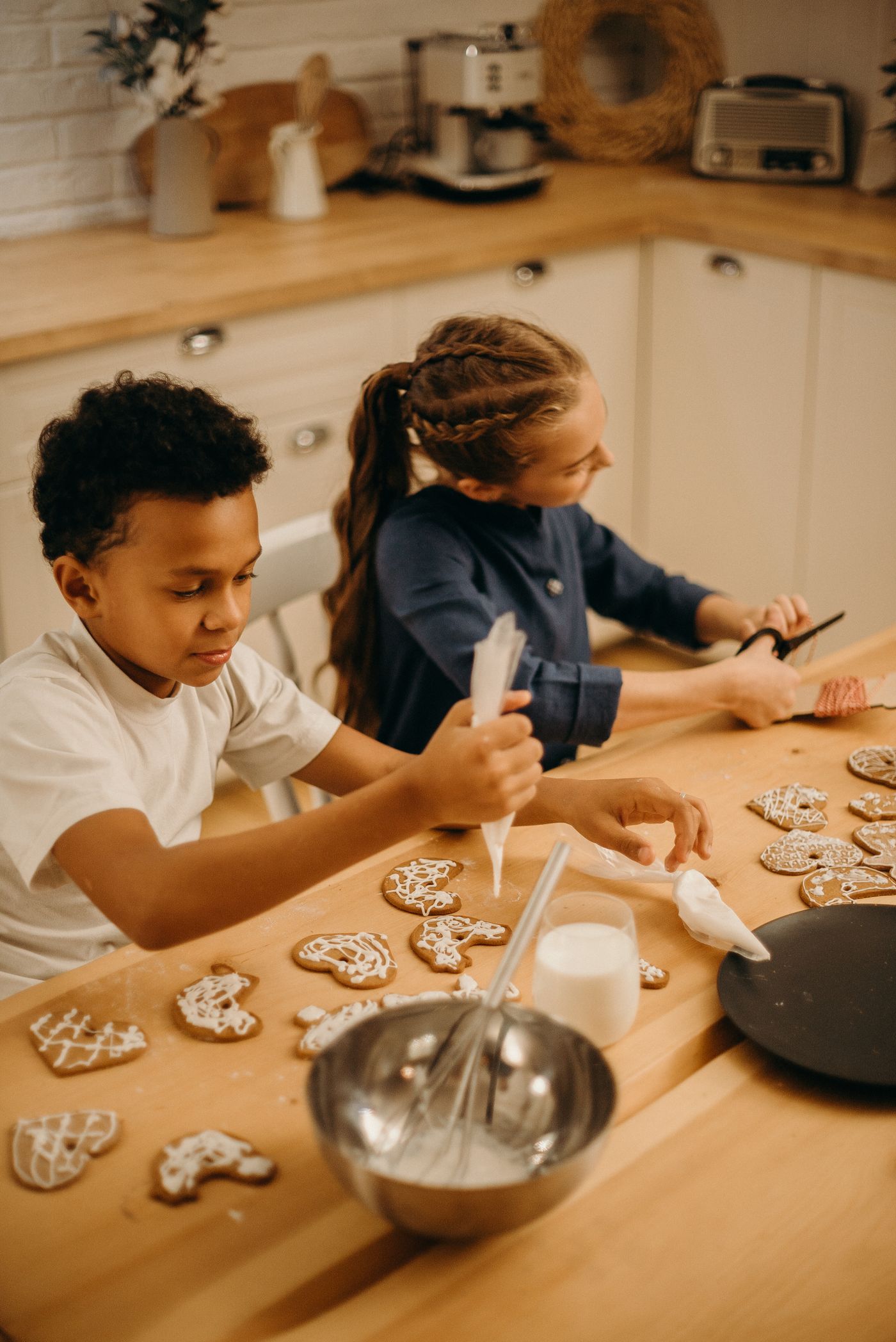
Use a clean suitable surface and tools for food handling. Give each participant a plate, tray, or another appropriate place for their cookies and current decorations. Keep the shared supply area reachable without asking someone to stretch across another person’s food.
Arrange the seats for the actual people, including any support or supervision they need. Check the table with everyone in place before distributing the supplies. The table-setting handoff guide offers a related way to assign small clear jobs, but this session should keep food handling and supervision appropriate to the participants.
Explain shared and personal tools
Identify which tools stay with the shared supply and which belong to a person’s working place. Choose a method that avoids moving a tool between someone’s mouth and shared food. If a tool or supply needs replacing or cleaning during the session, make that handoff clear rather than returning it to the communal area unnoticed.
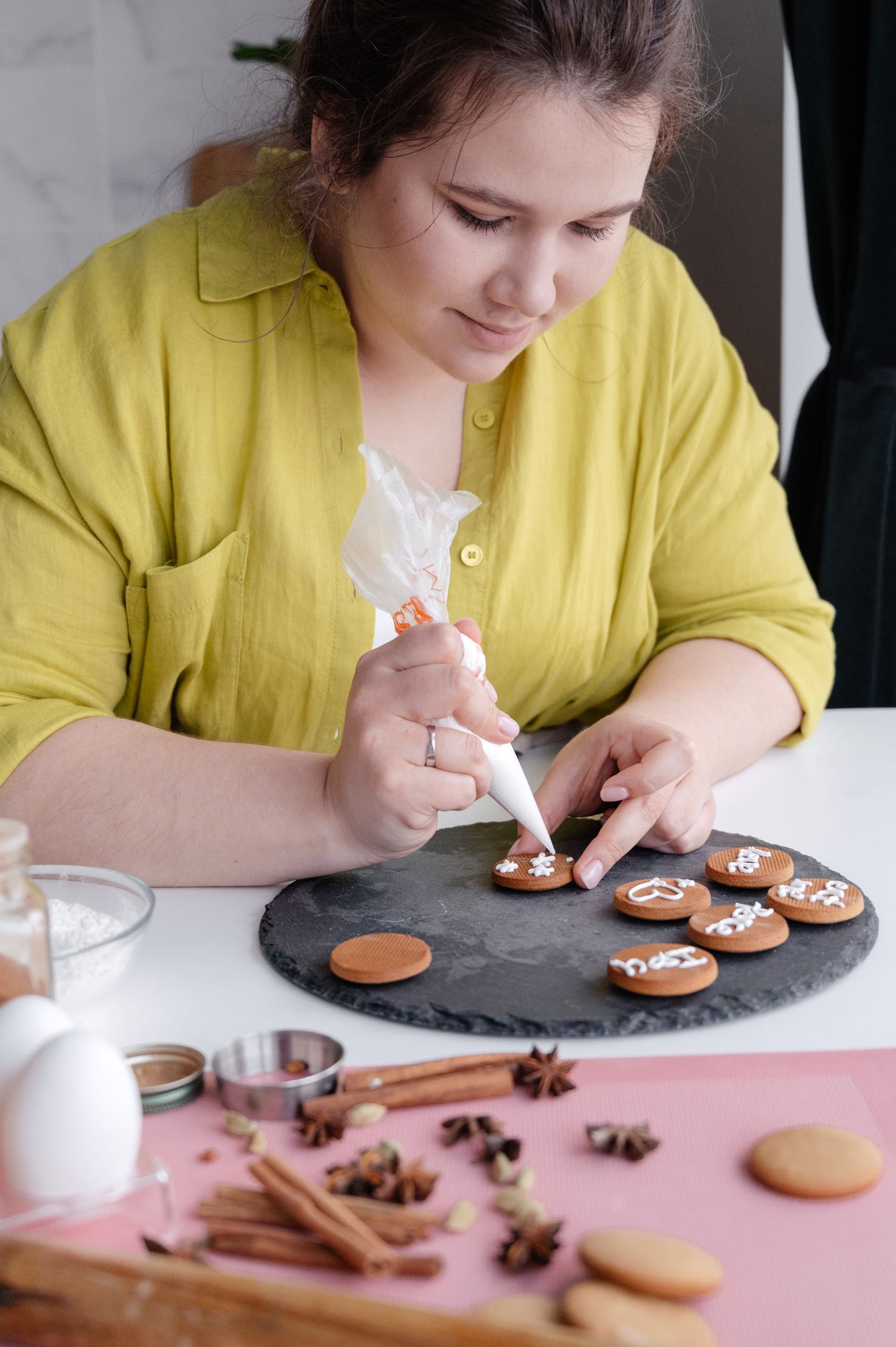
Follow the tool and food manufacturers’ directions for use. If a piping bag or other tool is unfamiliar, an adult can demonstrate an appropriate movement separately before the beginner tries it. Keep the demonstration modest. A simple dot or line can provide enough starting information without requiring a complex design.
Let each decorator choose the result
Give each participant ownership of their own cookie. An adult can offer choices or show an example without correcting the decoration in place. Someone may prefer a few marks while another person spends longer on details. Different levels of decoration can coexist within the same shared session.
Avoid treating the adult’s example as a picture every person must reproduce. The activity is easier to share when a beginner does not have to make a recognizable character to count as finished. A cookie with a deliberate simple pattern can be a complete result.
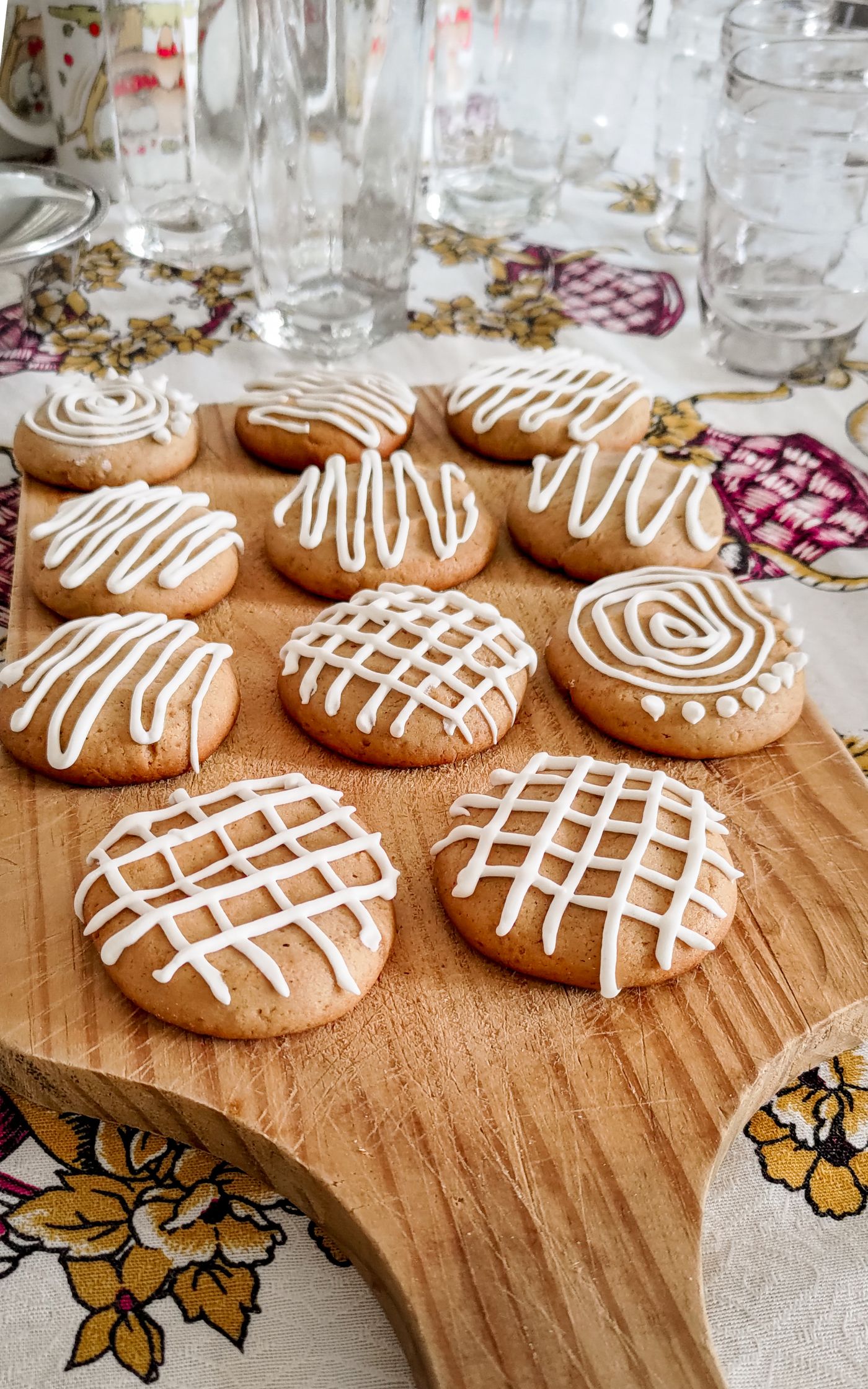
Distribute supplies in manageable amounts
Use appropriate small portions or a clear adult-managed distribution where that suits the participants and food. Keep unused supplies in their required conditions. Do not place the full quantity of every ingredient on the table merely to make the setup look abundant.
A small supply handoff can also make it easier to preserve product identity. Keep the original packaging available rather than transferring everything into anonymous bowls and discarding the labels immediately. If another person will receive the cookies, the relevant ingredient information should remain traceable after decorating.
Plan the space for finished cookies
Choose a suitable destination before the first decorated cookie is complete. Follow the actual icing and cookie instructions for any setting interval, covering, handling, or storage. Do not stack finished pieces simply because another person needs the working plate. The design and food requirements should determine the next stage.
Keep ownership or the intended recipient clear. A small label on an appropriate separate container can help, without placing unsuitable material directly on the food. Avoid promising a universal setting or storage time for different recipes and products. Use the actual preparation and packaging information for the supplies chosen.
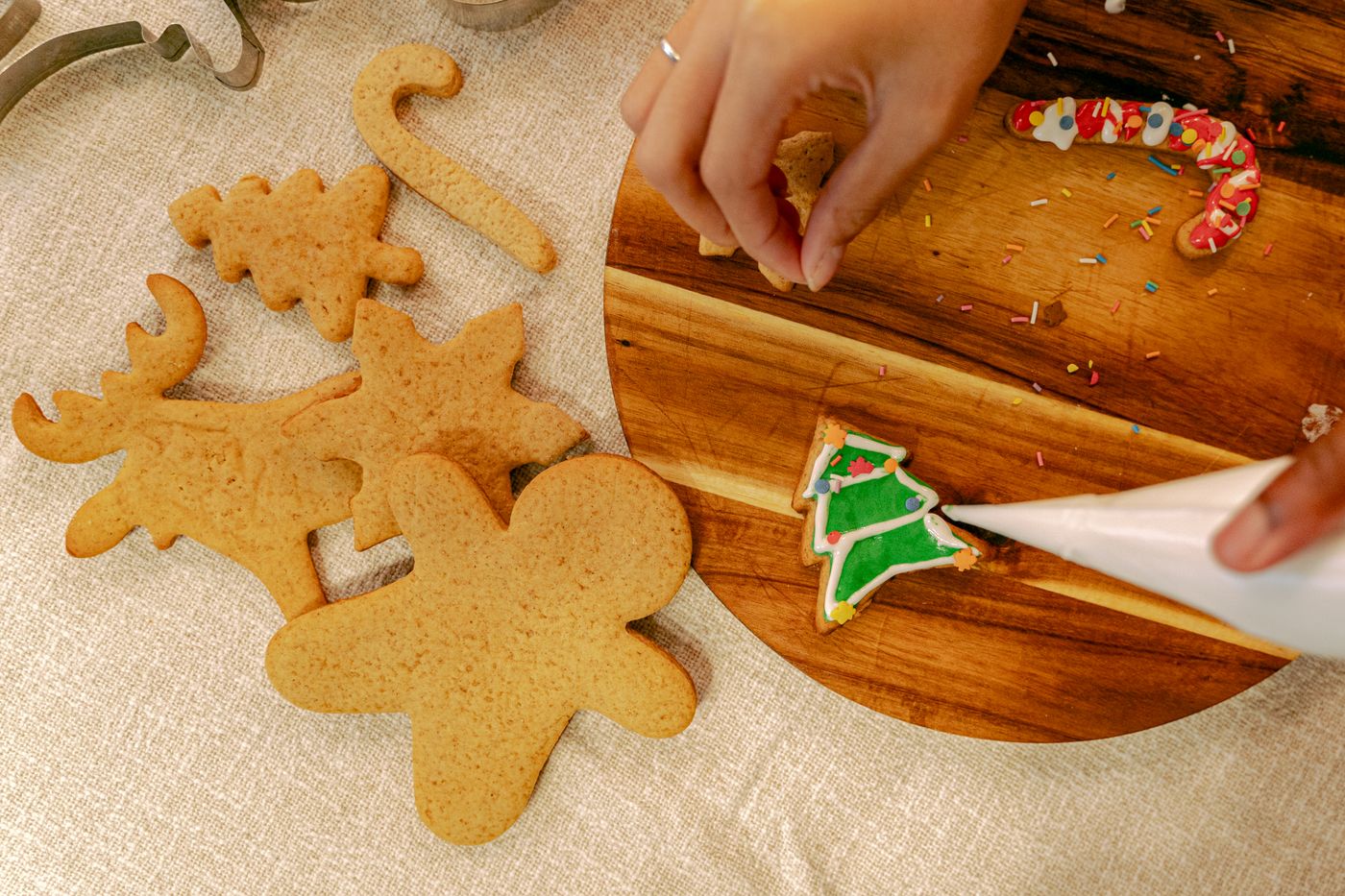
End the shared session while cleanup is still manageable
Offer a clear final cookie or final decorating interval that fits the group’s attention. Someone who has finished can move to an appropriate next activity rather than being asked to decorate more simply because supplies remain. Keep the remaining food and materials within their required handling conditions.
The staggered-family-breakfast guide describes a different food routine, but its attention to the last person’s cleanup is useful here. Decide who completes the shared return after the decorating part ends. A family activity should not depend on one person silently absorbing an unexpectedly large final job.
Keep gifts and household portions identifiable
If cookies will leave the home, choose packaging suitable for the actual food and follow its handling needs. Preserve relevant ingredient and storage information for the recipient. Do not assume that a beautifully wrapped parcel communicates what is inside or how it should be kept.
The Friendsmas food-container handoff guide offers another example of making arriving and departing food identifiable. Apply that clarity to the actual cookies rather than inventing a general shelf-life promise. A thoughtful food gift includes useful information, not only a coordinated ribbon.
Restore the table and decide what remains useful
Complete appropriate care for the tools and surface, return usable supplies to their specified storage, and handle leftovers according to the actual food guidance. Keep any tools still awaiting washing separate from those ready for the next session. Check the chairs and floor for items that may have fallen during the activity.
Review the supply choices afterward. If two decorations went unused or a tool made sharing awkward, change that part next time. There is no need to buy a larger kit to create a more successful occasion. The useful result is a small group of personally decorated cookies and a household routine that can finish as clearly as it began.
Explore related decisions in our Family Home hub.
Sources and editorial scope
Editorial research checked October 24, 2026. Published trend reports are context for these editorial applications, not verified live keyword rankings. Practical household guidance; photographs do not document a tested household or authenticate pictured materials.