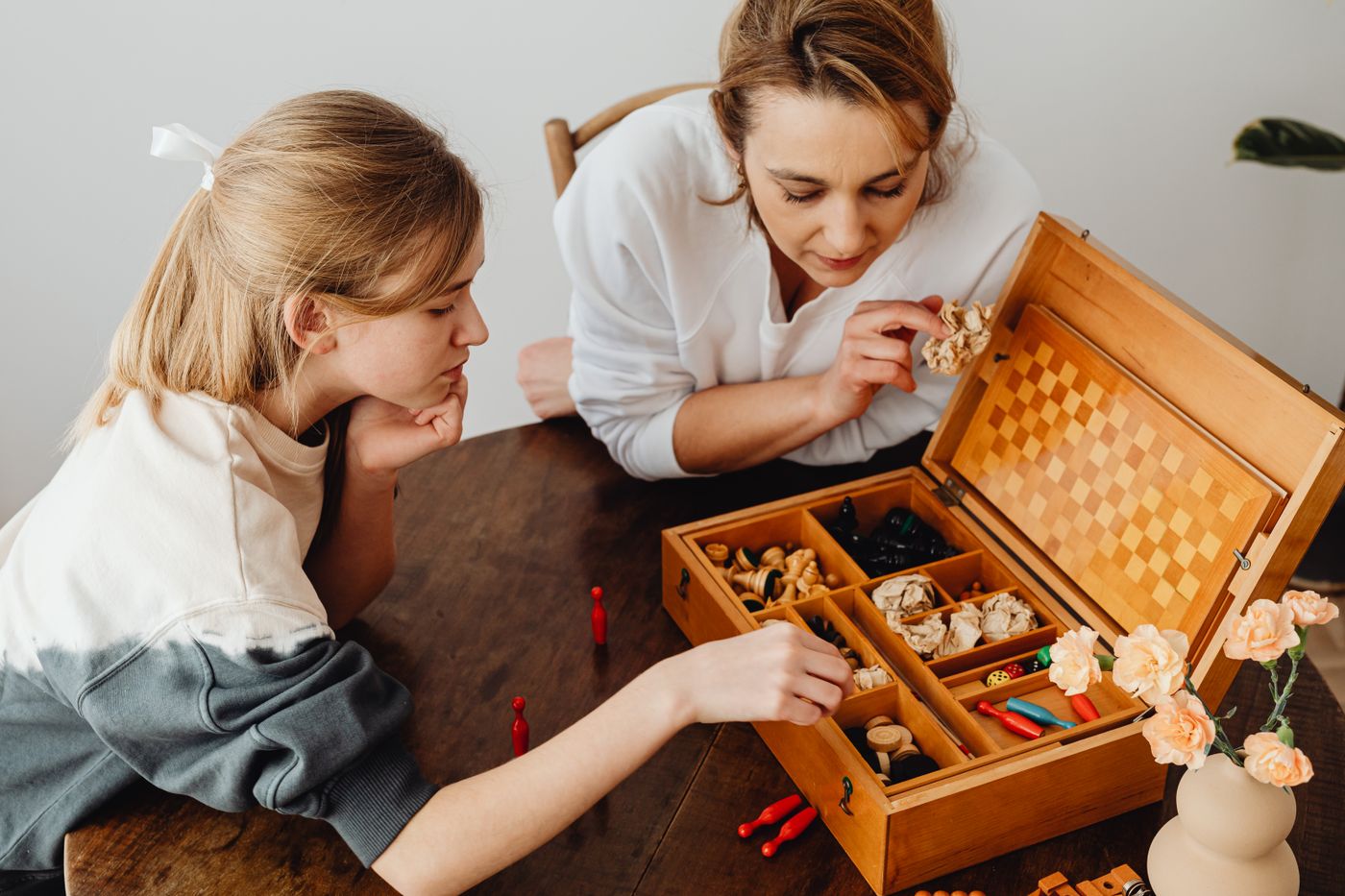
A learn-one-game evening works best when the first goal is understanding the game, rather than proving who can win immediately. The experienced player knows which details are obvious only after several rounds. New players need a way to ask questions, try an example turn, and decide whether they want to continue without feeling that they are holding everyone up.
Etsy’s October 2026 Family Reimagined theme includes meaningful time with the people who matter to you. A patient game introduction is one editorial application of that direction. This guide organizes the evening; it does not reproduce a particular game’s rules or establish that a game suits an age or ability group. Use the actual publisher’s instructions and the participants’ needs when choosing it.
Choose the game for the people attending
Start with an appropriate game the household already owns and that someone can explain accurately. Consider the publisher’s player count, age guidance, required skills, expected session length, component handling, and the actual people who want to participate. A favorite game is not automatically the right introduction for this group.
Ask about preferences without turning the conversation into a test. Some people enjoy word tasks, some prefer visible spatial choices, and some do not want a competitive activity that evening. Offer an appropriate alternative or a shorter gathering when the proposed game does not suit the participants.
Check that the relevant instructions and usable components are present. Organizing board games and puzzles supports this preparation. Do not discover a missing essential component after everyone has settled in, then improvise an unverified rule change and present it as the published game.
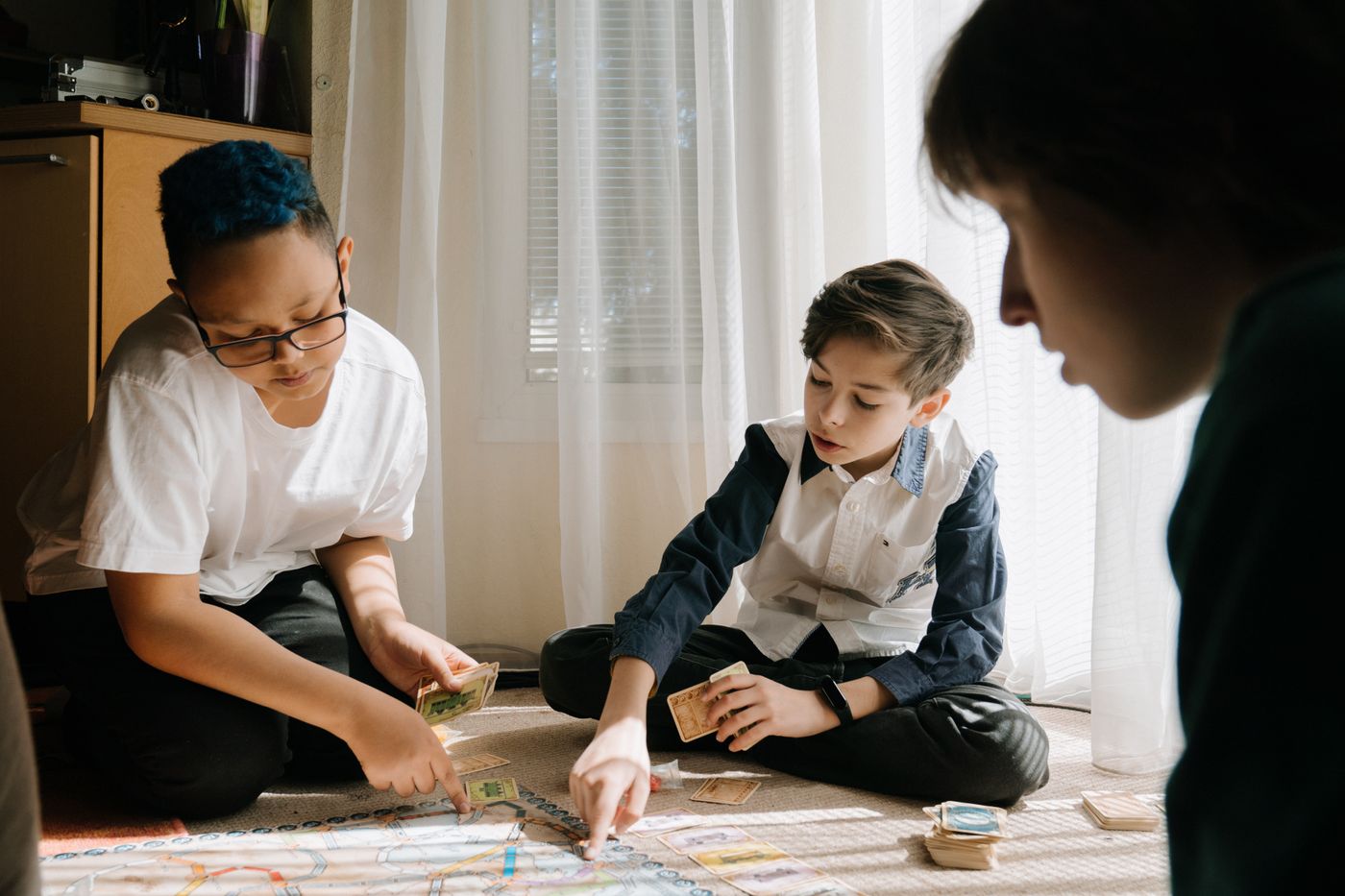
Reserve enough table space for the occupied game
Lay out the game in its intended configuration before guests arrive if that is practical. Account for players’ personal areas, shared components, instructions, and ordinary reach. A box that fits on the dining table does not prove that the game will fit while the players are seated.
Keep chairs and routes usable. Choose an appropriate place for refreshments that does not put drinks directly among components or require someone to reach over another player’s area. Make any accommodations the participants need rather than expecting everyone to use the same reach, reading position, or seating arrangement.
If the table serves a meal first, a simple family table-setting routine can help define the transition. Clear and care for the surface appropriately before opening the game. Give personal belongings a suitable destination so the playing area does not become a temporary storage pile.
Explain the aim before the exceptions
Tell new players what they are trying to accomplish in plain language, using the game’s actual instructions. Show how a basic turn proceeds and how the published game ends. Save detailed exceptions until the group has a usable framework, while still explaining any information players need before making their first meaningful choices.
Do not hide an important rule to create a surprise advantage for an experienced player. A learning evening depends on people receiving the information they need. If a rule is unfamiliar even to the host, say so and check it rather than improvising with unjustified confidence.
Give participants a chance to restate the basic sequence or ask a question if they wish. Avoid making that a compulsory oral examination. The aim is shared understanding, not demonstrating who listened most carefully during a long explanation.
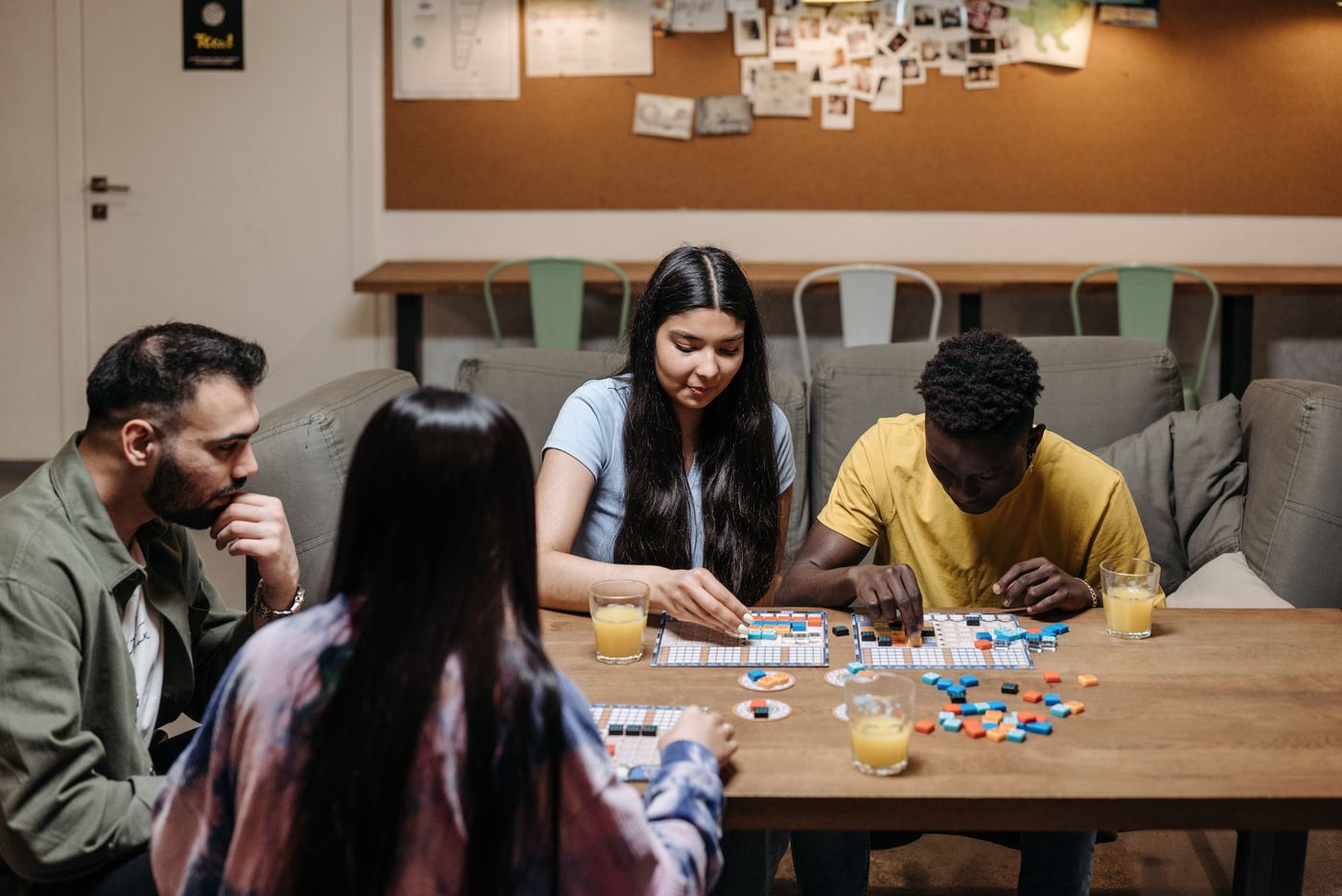
Mark the practice round clearly
Agree whether the group will use a practice turn, a short demonstration, or another introductory option supported by the publisher. Explain whether it counts toward the actual game and how the normal setup will be restored afterward. A practice round should not quietly become an irreversible competitive start.
Let new players handle their own permitted choices. The experienced player can show available options and answer questions, but moving another person’s pieces without asking removes the decision the person is trying to learn. Offer the level of help the participant wants.
Where the game contains hidden information, follow the instructions and agree on an appropriate teaching method. Do not expose a player’s private material or alter the game’s information structure without making the change clear and obtaining the group’s agreement. Keep the published rules distinct from any openly chosen learning adaptation.
Agree on help before competition begins
Ask whether players want reminders, explanations of available actions, or only answers to direct questions. People can prefer different levels of support. A reminder can be helpful without becoming a running commentary on every choice someone makes.
Experienced players should avoid directing all new players toward the same strategy. Explain the rule or immediate consequence accurately, then let the person choose. A less efficient move can still be a legitimate way to learn, provided it follows the agreed rules and does not create an inappropriate situation for the participants.
Keep correction respectful and specific. If an action is not allowed, show the relevant instruction and help restore the state through the appropriate game process. Do not treat a learning mistake as evidence that someone is careless or unsuitable for the activity.
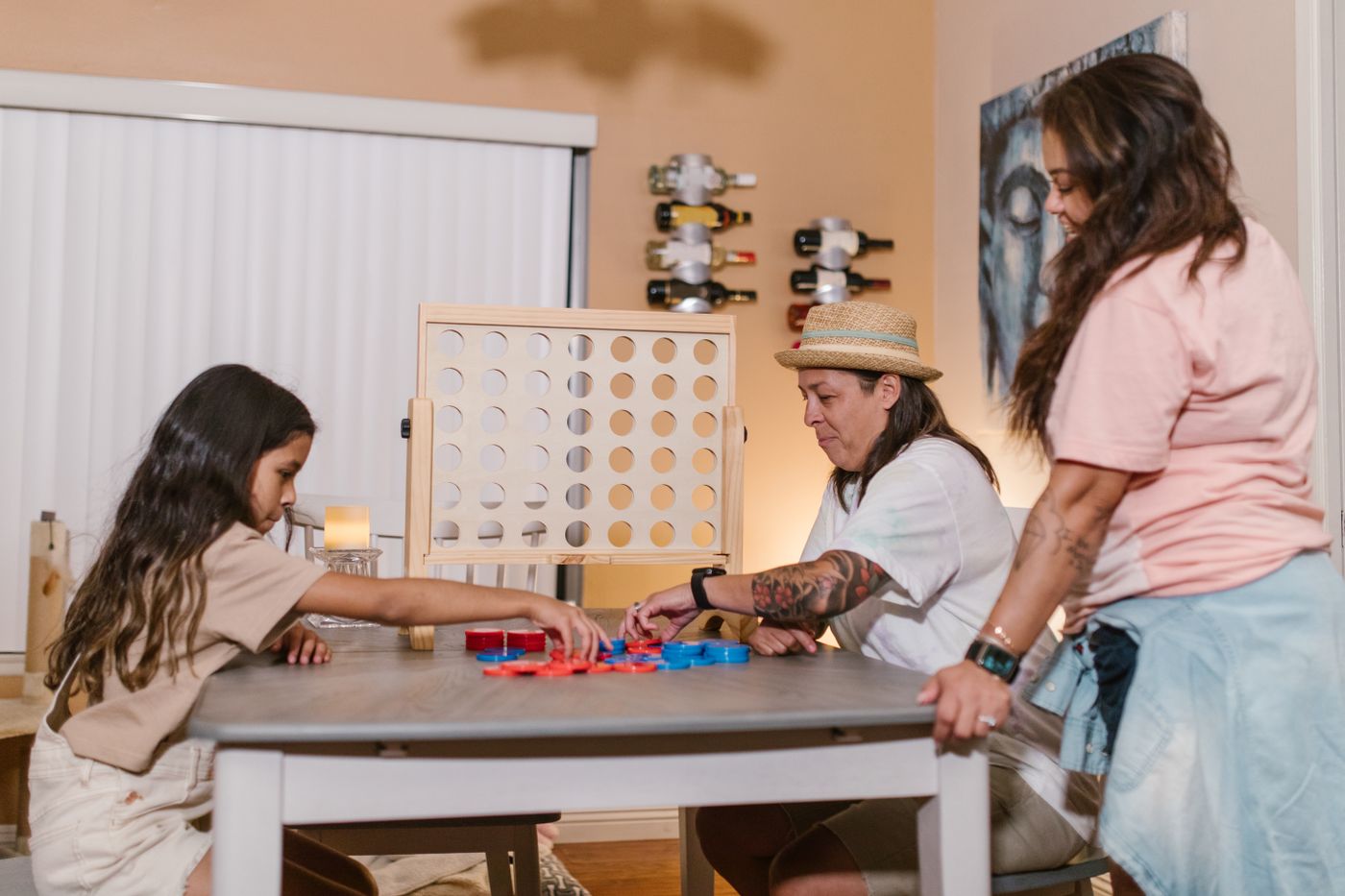
Give rule questions a predictable route
Choose one copy of the current applicable instructions as the reference. When a disagreement occurs, pause and check the relevant section. A player’s memory can be useful, but it should not automatically override the actual edition being used.
If the answer remains unclear, decide together whether to use an agreed temporary interpretation, consult an appropriate publisher resource, or stop the session. Label an unresolved interpretation honestly. Do not announce a household decision as the official rule merely because it keeps the evening moving.
Keep ownership in mind with borrowed sets. Borrowing toys and activity materials with a clear return plan offers a related household approach. Preserve the borrowed instructions and components, and do not add permanent notes or replacement pieces without the owner’s agreement.
Decide when learning has had enough time
Agree on a reasonable stopping or review point before the session becomes tiring. Use the publisher’s supported ending or pause arrangements where available. A new player should be able to say that they have learned enough for one evening without being blamed for ruining the event.
Notice the difference between a difficult decision and a loss of interest. More explanation is not always the answer. A short break, a different activity, or finishing the evening can be more appropriate than trying to teach every possible interaction in one sitting.
If a game remains on a shared table between sessions, agree how that affects other household uses. Handling an unfinished puzzle on a dining table asks similar questions about ownership of the surface and the next meal. The game’s own pause conditions and component arrangement still need to be respected separately.
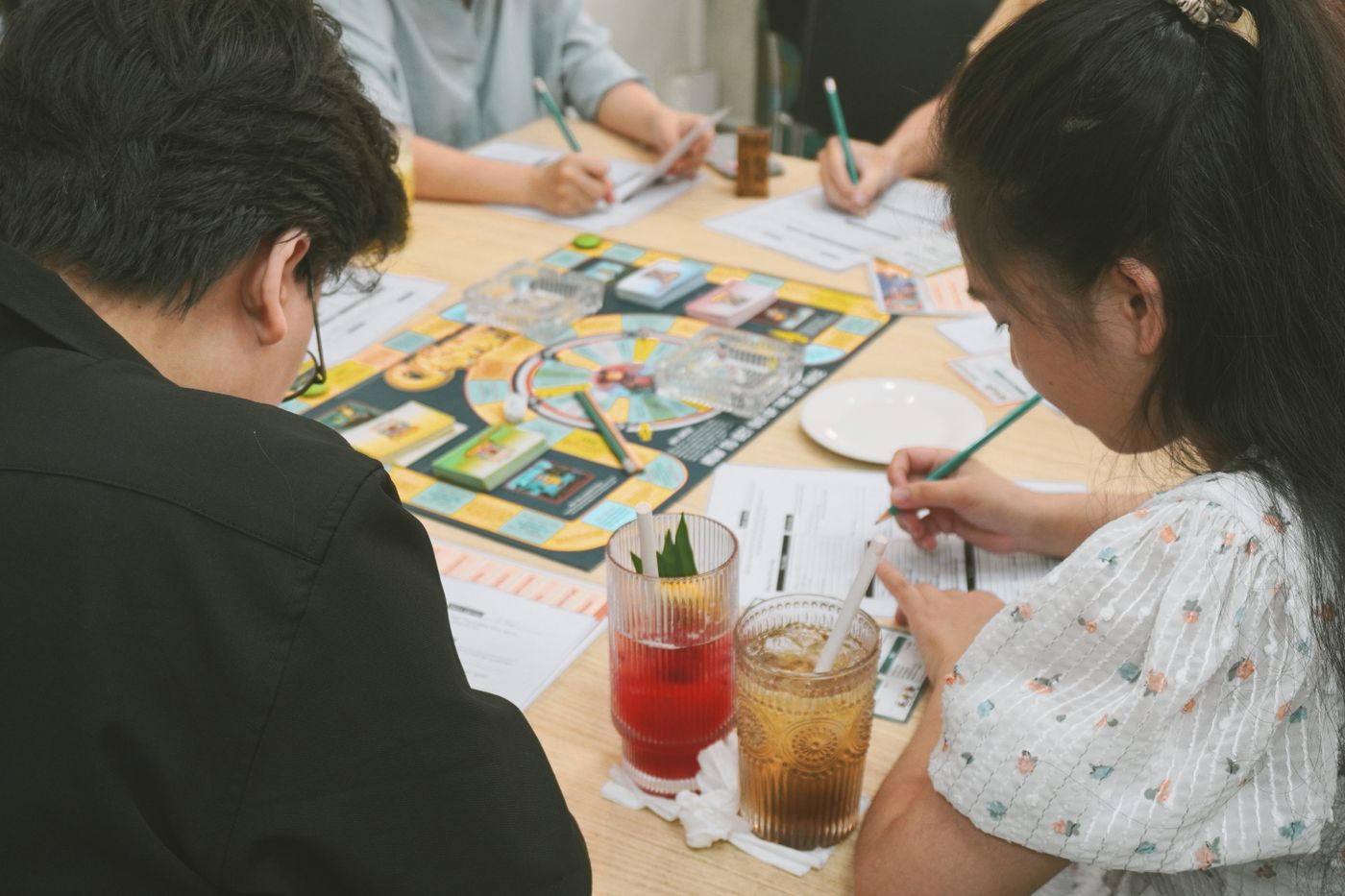
Pack away so the next introduction is easier
Check components against the game’s actual contents information as appropriate, keep the instructions with the correct edition, and return each item to suitable storage. Record any missing or damaged component accurately rather than hoping the next group will not need it.
Invite brief feedback on the teaching arrangement: was the practice round helpful, was the explanation too long, and would participants want to play again? Do not require a positive review or a promise to return. A person can appreciate the company while deciding that this game is not for them.
For a family hosting routine, sharing household chores clearly can help distribute the practical finish. Separate putting pieces away from judging how anyone played. The useful outcome is a group that understands more than it did at the start and can choose its next gathering with that experience in mind.
Explore related household decisions in our Family Home hub.
Sources and editorial scope
Editorial research checked October 17, 2026. Trend-report dates and limitations are stated in the article; these are editorial applications of published signals, not verified October keyword rankings. Practical household guidance; illustrations do not document a tested household or authenticate a pictured material.