Board games and puzzles are excellent family activities, but the boxes are awkward.
Some are oversized. Some collapse. Puzzle pieces escape. Games with one missing component stay on the shelf for years. In a small home, the collection needs to be easy to use—not just squeezed into a cabinet. For the broader setup, The One-Basket Toy Cleanup System for a Small Living Room is a useful next read.
Keep the games the family actually plays
Start with frequency. Keep favorites, age-appropriate games still in rotation, and a few occasional choices. Let broken, incomplete, or consistently ignored games leave. You may also find A Toy Rotation System for Small Homes That Parents Can Actually Maintain useful for a closely related small-home problem.
Choose one game zone
Use one cabinet, shelf, closet section, or low family-storage zone. Avoid scattering games between bedrooms and the living room unless ownership is truly separate. For the broader setup, A Simple Weekly Toy Rotation for a Small Living Room is a useful next read.
Store by box size when it improves stability
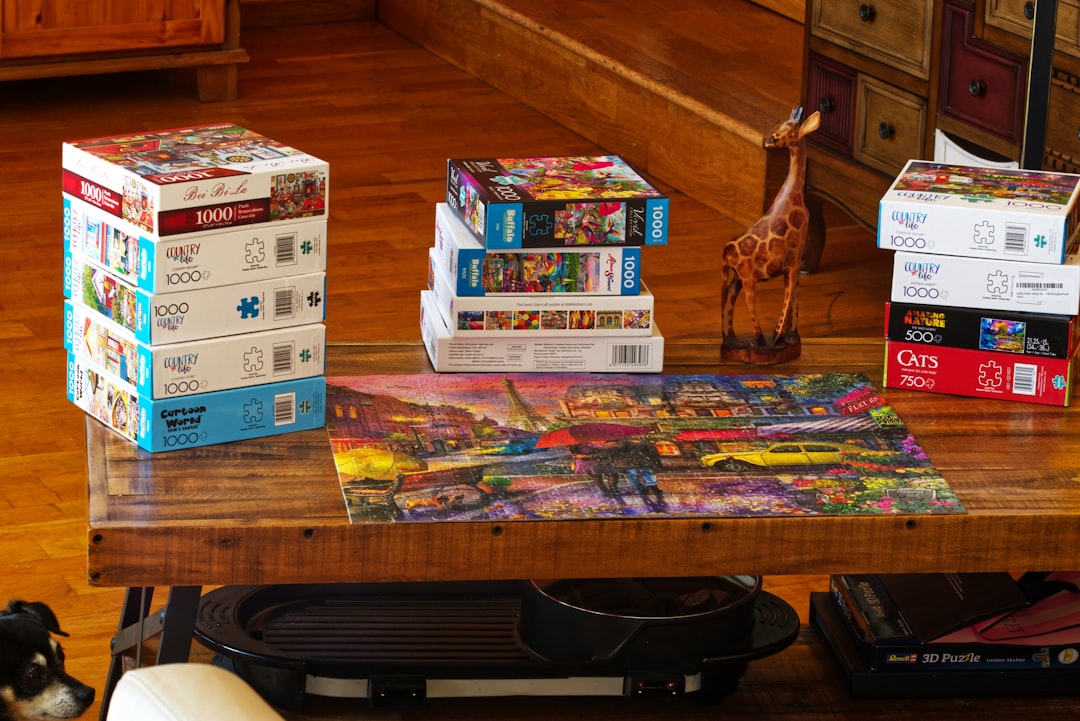
Large boxes together and small boxes together can create more stable stacks than sorting purely by game type.
Protect loose components
Use labeled zip bags, small pouches, or the game’s internal organizers to keep cards, dice, tokens, and pieces together.
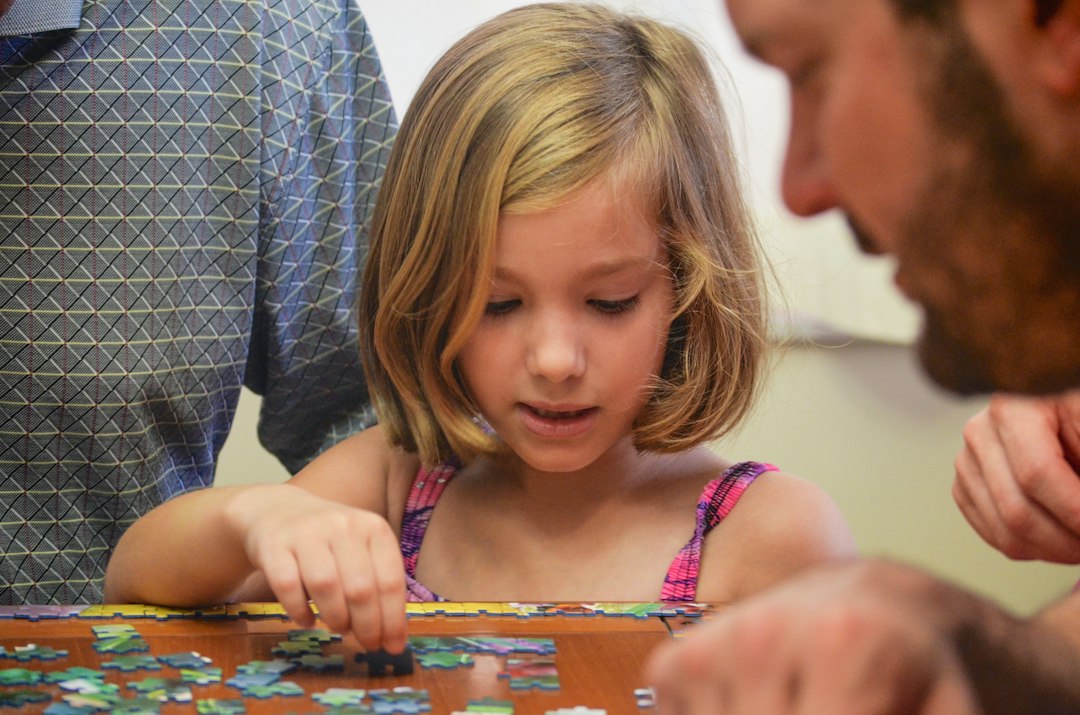
Keep puzzles flat and complete
If a puzzle box is damaged, use a clearly labeled replacement container or bag with the image/reference kept with it.
Create a “current favorites” shelf
Keep a small rotating set of family favorites easiest to reach. This encourages use without requiring every game to occupy prime space. If you are working on the same space, How to Keep a Small Bathroom Floor Clean When Kids Use It Every Day covers the next decision in more detail.
Review age and interest regularly
Children outgrow games just like clothes. Review the collection a few times a year and move out games that no longer match the household.
Use a one-in, one-review habit
New games should prompt a quick review of the shelf. The collection does not need strict one-for-one replacement, but it should stay within the same storage boundary.
The five-minute game-night reset
- count or check major components if needed,
- bag loose pieces,
- close the box fully,
- return the game to its shelf zone,
- clear the table for the next household use.
For living-room storage
Keep game storage visually contained so it does not compete with books, toys, and media. A closed cabinet or a few consistent shelves can work well.
For children’s rooms
Keep independent games low enough for children to retrieve and return, but avoid storing complex small-piece games where they will constantly spill into play zones.
Frequently asked questions
Should board games be stored vertically?
Either vertical or horizontal storage can work if boxes and components remain secure. Choose the orientation your boxes tolerate best.
What do I do with incomplete games?
Try to locate or replace missing components if practical; otherwise decide whether the game is still realistically usable.
How many games should a small home keep?
Keep what fits one defined storage zone and still gets played.
A smaller collection gets played more
Games and puzzles are easier to enjoy when boxes are stable, pieces stay together, favorites are visible, and the collection does not exceed the family’s actual storage capacity.