An unfinished jigsaw puzzle presents a different storage problem from a boxed game. The work is already spread out, some pieces are sorted, and someone wants to return to it tomorrow. At the same time, the dining table has to become a dining table again. Sweeping everything back into the box protects the table but loses the progress; leaving it in place protects the progress but claims a shared surface. For the broader setup, Dining Room Storage Review: Sideboard vs. Storage Bench vs. Wall Shelves is a useful next read.
Give the puzzle a temporary home that includes the assembled section, loose pieces, and a clear stopping routine. This guide focuses on puzzles that share a household table. It does not require a dedicated hobby room, and it does not assume a particular puzzle board or roll-up mat will suit every puzzle. Start by checking the puzzle size, then choose a transfer method your household can actually handle.
Keep the active puzzle separate from boxed games. Our guide to organizing board games and puzzles covers the collection itself; this routine deals with the pieces already on the table.
Measure the finished puzzle before choosing a work surface
Use the dimensions printed on the puzzle box when available. Piece count is not a reliable substitute: two puzzles with the same count may have different finished shapes and sizes. Leave working room beyond the finished rectangle for arranging pieces. If your chosen surface holds only the final picture, you will need separate sorting containers from the start.
Check the receiving storage place as carefully as the tabletop. Measure its opening, depth, and the space needed to insert and remove a board. A narrow gap behind furniture may look promising until you discover the board cannot turn into it. A cupboard shelf may fit the puzzle but require tilting it during transfer. Consider the complete route between table and storage, including doors and corners.
Choose a storage position that protects the work from routine disturbance and stays out of walking routes. Avoid relying on a door that people need to open or on the top of an appliance in use. A spot that requires someone to remember “do not touch this” every day is fragile storage. The best temporary home can be reached and closed without dismantling another household activity.
Decide between moving the work and leaving the work
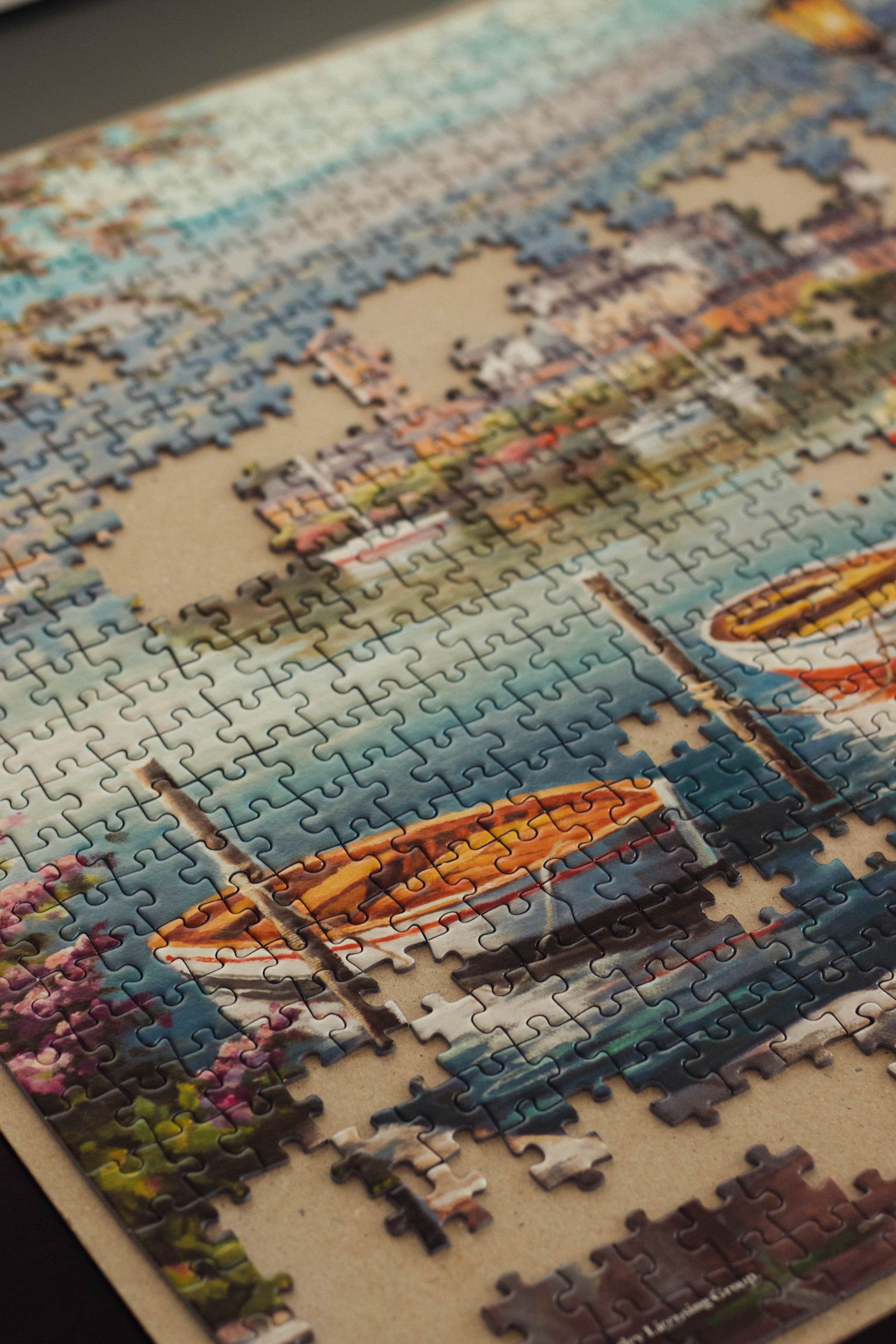
One approach is to work on a rigid, suitable portable surface and move the whole surface when the table is needed. Another is to use a designated part of a different table where the puzzle can remain. The second approach only works if that area can genuinely stay available. A desk used for paid work tomorrow is another shared surface, not a permanent solution. If you are working on the same space, How to Make a Small Dining Area Work for Meals, Homework, and Crafts covers the next decision in more detail.
For a portable surface, assess the size, rigidity, edge design, and ease of handling. Follow its maker’s instructions for moving and storing an in-progress puzzle. Do not presume an ordinary thin sheet will stay flat when lifted. Test with an empty surface first, then a small section of loose pieces. If the board flexes or the route requires a steep tilt, reconsider the arrangement before loading the full puzzle.
A roll-up product uses a different handling method. Read its instructions and check suitability for your puzzle and pieces. Some people accept the need to rejoin sections after unrolling; others find that frustrating. Do not label a method “zero disruption” without evidence. The useful question is how much resetting your household will accept in exchange for easier storage.

Keep the loose pieces in containers with a return order
Sort only as much as it helps the next session. Edges, a distinctive color group, and an uncertain group may be enough. More containers can create more work than they remove. Choose shallow containers appropriate to the pieces and to the people using them. Give each a short label or a simple position in the storage stack so nobody has to reconstruct the sorting system.
Include an unsorted container from the beginning. It gives scattered pieces a destination during a quick table reset without forcing a decision on each one. Leave the puzzle box or a clear reference image accessible, rather than buried under all the trays. If several people are working, agree on the sorting categories together. One person’s careful color system becomes another person’s mystery pile when the labels are missing.
Before stacking, check that the containers can close or nest without pressing against exposed pieces. Keep them suited to the contents rather than using the tallest available box. A lidded container makes the end-of-session routine simpler in homes where people, pets, or cleaning activity might disturb open trays. Store small pieces appropriately for your household, especially around young children.

Connect the puzzle’s stopping sequence to the household’s shared dining-table reset. The table should return to its next job without someone rediscovering how to move the work.
Make the dining-table reset a short sequence
Set a stopping point before the meal preparation reaches the table. Finish the piece in your hand, move loose pieces into their containers, return the reference image, and prepare the work surface for its approved transfer method. Keep drinks and plates out of the route. Giving the activity a clear ending avoids a hurried move while someone else is trying to lay the table.
Move the surface using the handling method it is designed for. Have suitable help when the size makes solo movement awkward. Do not balance a large board on one hand simply because it is light. Once stored, check that it is fully supported and does not project into a walkway. Then return the dining table to its normal state, including putting the sorting containers away.
If the table reset repeatedly takes longer than you expected, note the specific obstruction. Perhaps the containers have no lids, the board is too wide for the cupboard opening, or the box cover lives in another room. Fix that part of the sequence. Adding another general storage basket will not solve a board that cannot reach its shelf.
If several activities compete for the same quiet period, plan when this one begins as well as where it waits. See our guide to family quiet-time zones for a shared-space approach.
Leave a small note for the next puzzler
In a shared household, a note can prevent someone from undoing another person’s sorting. Keep it practical: “Blue pieces are sky; the dark tray is still unsorted.” Add the part of the image you were working on if useful. The note should make returning easier, not create homework or require everyone to record every piece placed.
Agree on who may rearrange the sorting trays and when the puzzle needs another decision. If the next session is unlikely for several weeks, keeping the dining setup in temporary storage indefinitely may not be worth it. Choose whether to continue, photograph the progress for your own record, or return the pieces to the box. None of those choices makes the earlier enjoyment wasted time.
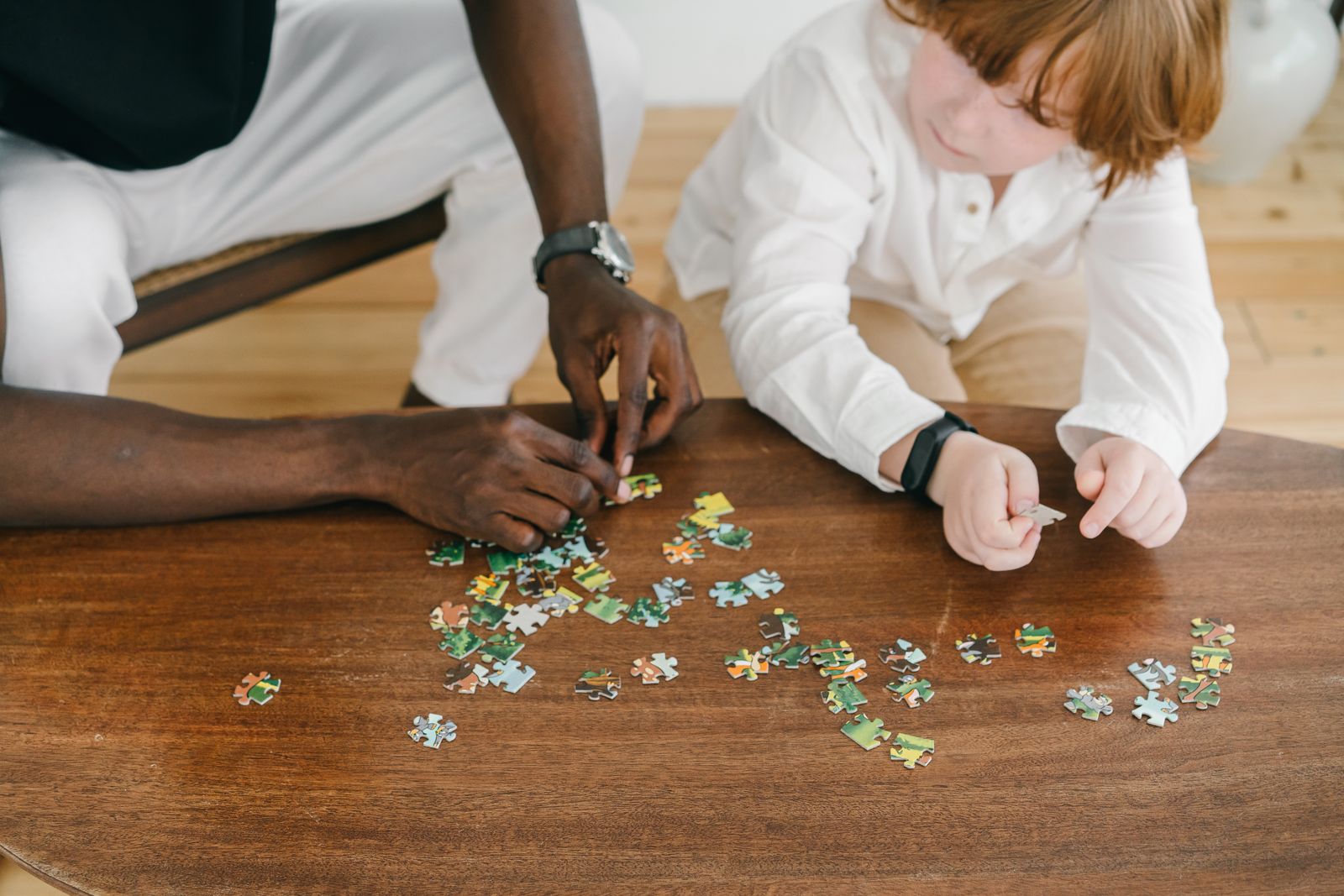
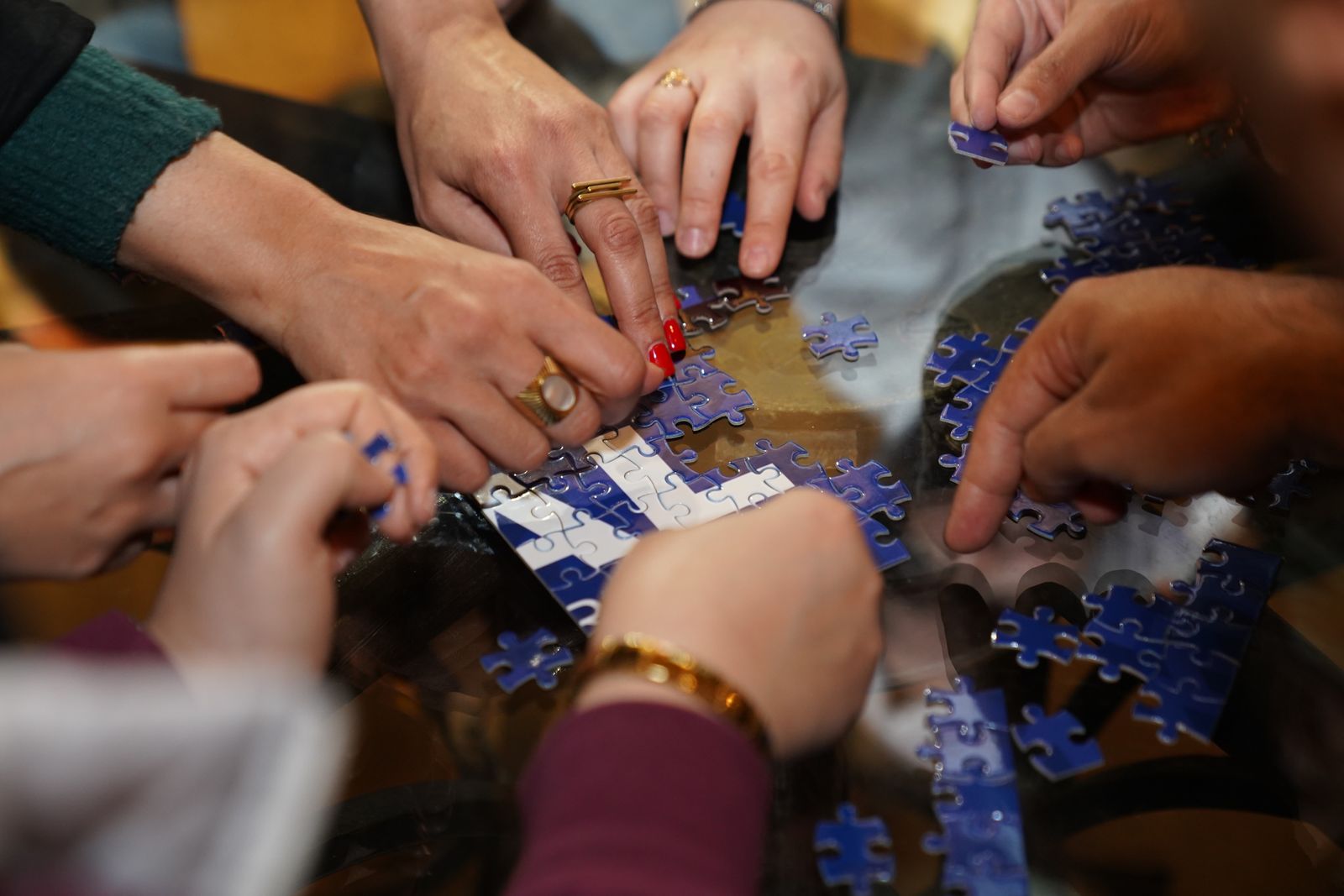
When children and adults share the puzzle, distinguish help from takeover. One person can sort a color group while another works on the assembled area. Keep the stopping routine accessible to the people participating. If the storage board can only be moved by an adult, give children a different useful closing job, such as returning the reference lid or closing the sorting containers.


Separate the active puzzle from the collection
Keep one active puzzle in the temporary work system if table space is limited. Store completed, waiting, and borrowed puzzles with the boxed collection. Do not allow a second unfinished puzzle to claim the same board simply because its picture looks more appealing today. Decide what happens to the first one before beginning the next.
Check pieces and ownership before returning a borrowed puzzle. Label an incomplete set honestly if you know a piece is missing. Your active board is for preserving a session; the boxed collection needs a different organization method. See the Family Home collection for related routines around shared activities and household handoffs.
Judge the setup by tomorrow’s return
A good arrangement makes both ends of the activity easy. The dining table becomes usable, and the next puzzler can reopen the work without a long search. After a few sessions, ask whether the board reaches its storage place smoothly, the sorted pieces remain understandable, and the puzzle still feels inviting to resume.
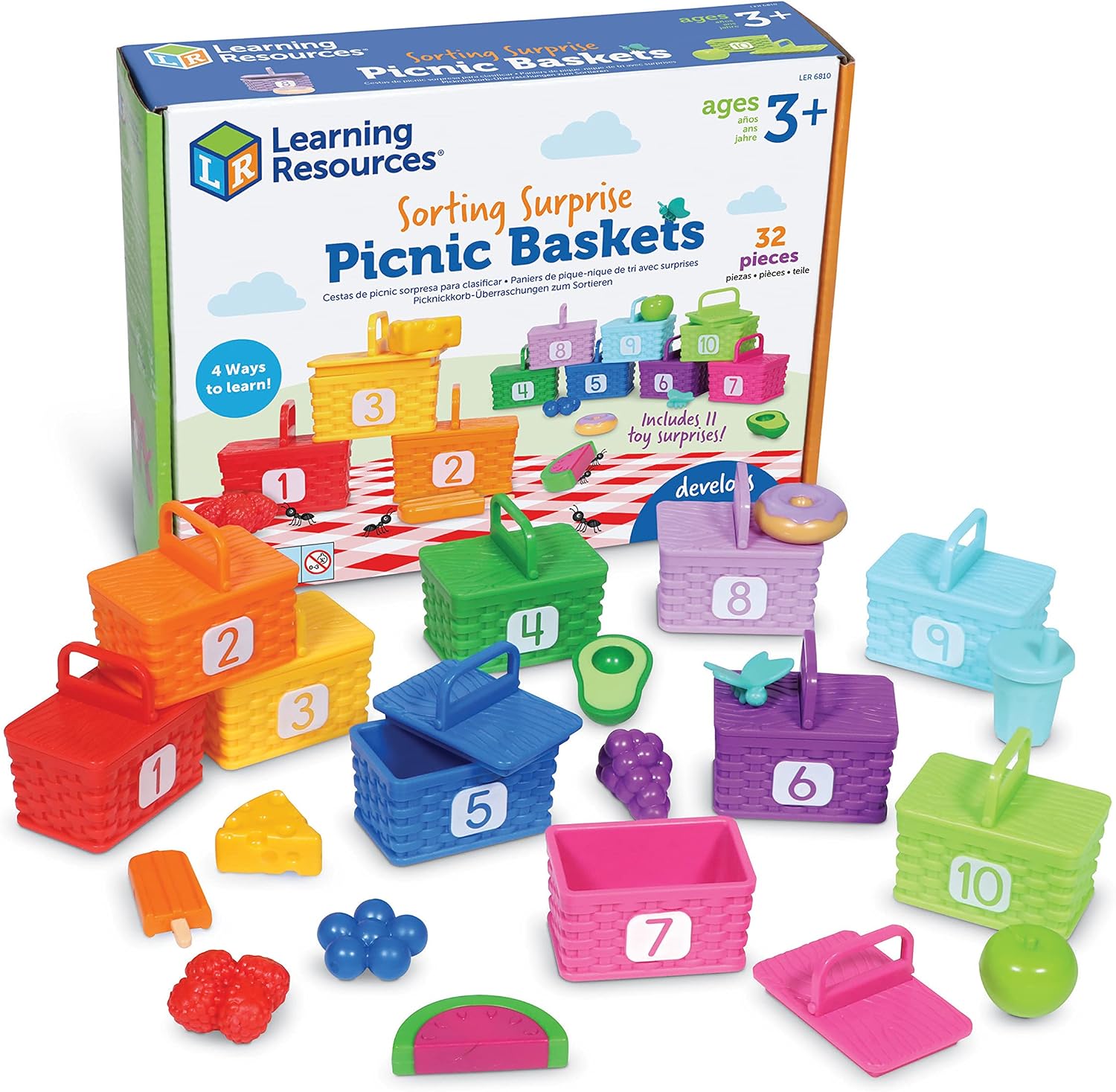
If the answer is no, reduce the scale before buying more accessories. Choose a smaller finished puzzle, fewer sorting groups, or a different surface that suits your storage route. The goal is a repeatable return to an enjoyable activity. When the table can serve dinner and the puzzle can wait safely for tomorrow, the temporary setup has done its job. You may also find Sorting Surprise Picnic Baskets Review: A Small-Table Toy With a Clear Cleanup Job useful for a closely related small-home problem.