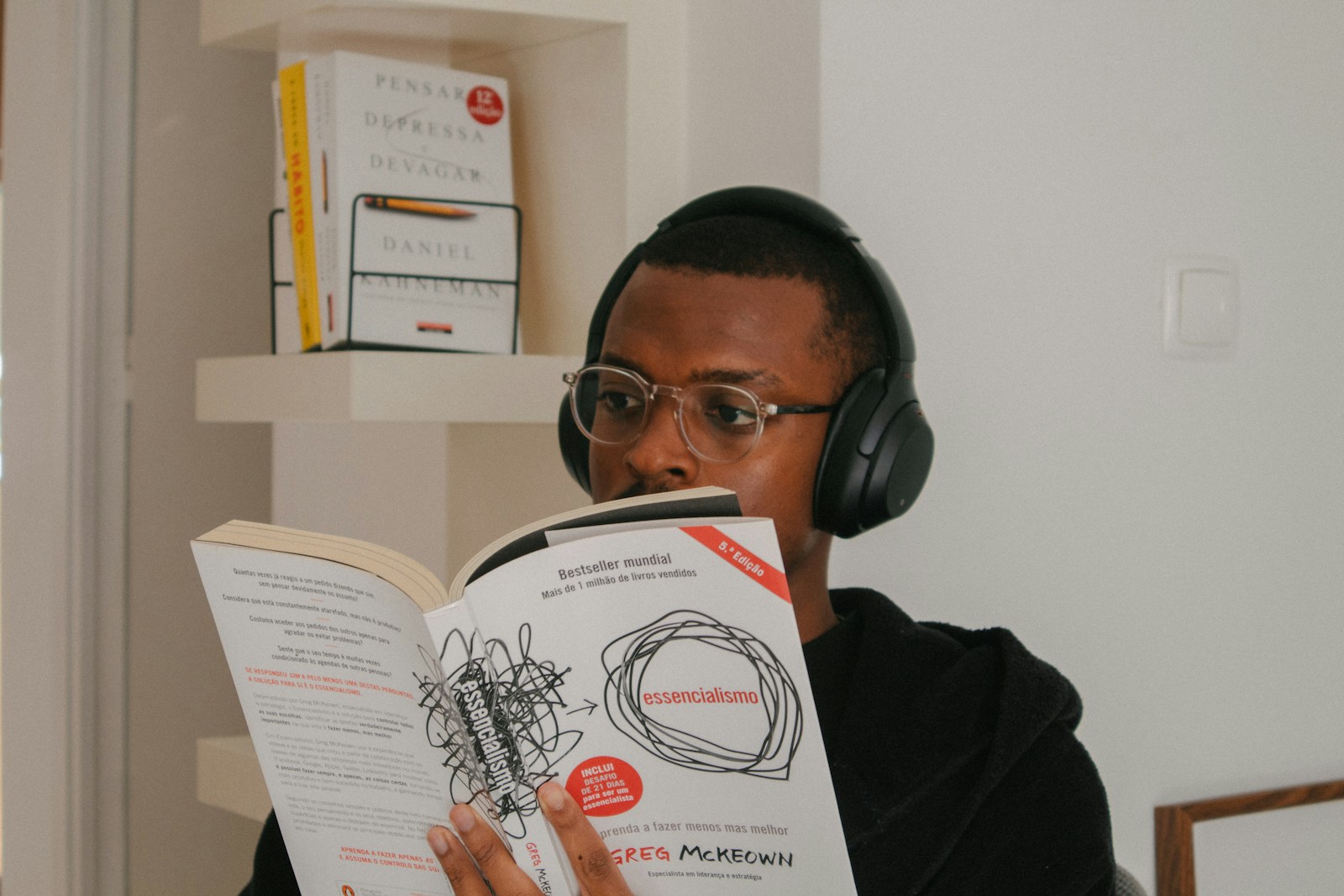
When several people share a small home, “go somewhere quiet” may not be a real instruction. The bedroom is shared, the dining table is homework space, the living room is play space, and a work call overlaps with rest. For a related step-by-step approach, see How to Turn a Small Living Room Into a Guest Sleeping Area for One Night.
Quiet time becomes possible when the household treats it as a shared operating rule, not a room one person owns permanently. You may also find How to Store a Folding Table and Extra Chairs in a Small Home useful for a closely related small-home problem.
Define what quiet means
Homework may need freedom from conversation; a call needs predictable interruptions; a nap needs lower sound for a limited window; decompression may need visual distance more than silence.
Name the need before assigning space so the household does not overprotect one activity and ignore another.

Map naturally quieter places
Observe traffic paths, appliances, television, doors, and safe supervision at the times quiet is needed. A less beautiful corner may be better because fewer people cross it. For the broader setup, How to Run School Mornings With One Small Bathroom and Several People is a useful next read.
The best zone is often about interruption rather than square footage.

Assign zones by time
Reserve the dining table for focused work from four to five, then return it to meals. A bedroom chair can become a reading zone after bedtime; a living-room corner can hold quiet play during a call. You may also find How to Create a Reading Corner in a Small Family Home Without Adding Another Room useful for a closely related small-home problem.
Time-sharing prevents an occasional need from claiming the home all day.

Use one visible signal
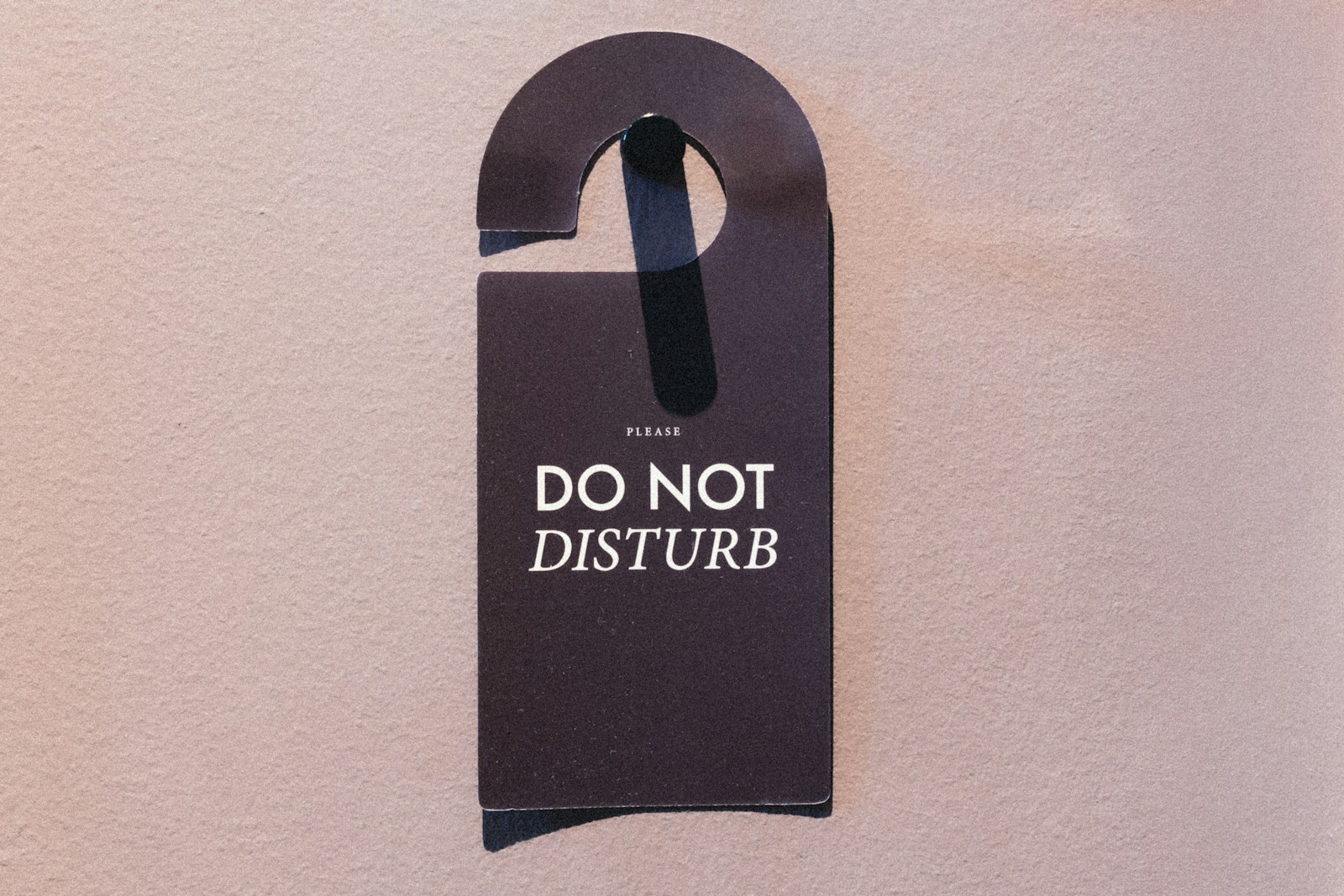
A tabletop card, closed-door sign, or agreed object can mean “call in progress” or “ten minutes of quiet.” Keep it simple, temporary, and limited.
Young children need practice and realistic expectations. The signal is a reminder, not a guarantee that normal family noise disappears.
Create portable quiet kits
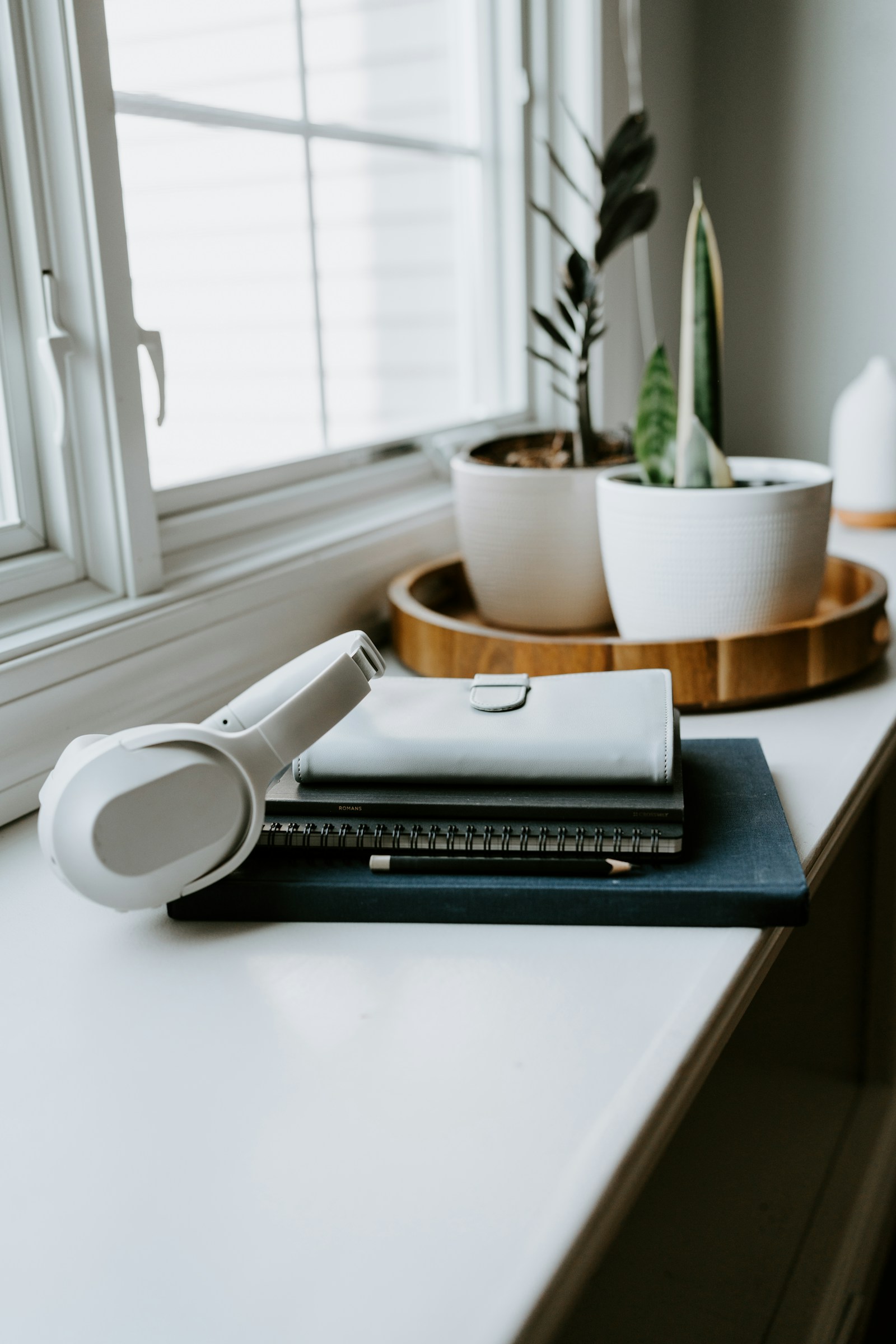
Keep age-appropriate headphones, notebook, pencil case, charger, reading book, or quiet toys in one handled bin. Setup and reset should each take one trip.
Do not allow the kit to become a mixed household basket. One activity, one kit.

Make behavior rules specific
Replace “be quiet” with concrete rules: no speaker audio during homework, move energetic play away from calls, close cabinets gently during naps, and interrupt only for agreed urgent reasons.
Adults must follow the same rules or the system will feel punitive.
Plan for overlapping needs
Give the more interruption-sensitive task the protected zone and move the more portable task, then rotate priority when the conflict repeats.
Fairness is a transparent rule that does not always favor the same person, not identical space every minute.
Adjust for age and supervision
A teenager may need privacy, a young child may need visibility, and an adult may need a stable call background. Build around developmental needs rather than copying an office layout.
For siblings, add shared-bedroom privacy boundaries.
Run a two-week trial
Remove the signal, close the kit, restore devices and furniture, and clear the shared surface after every block. Track whether timing, noise, missing supplies, interruption, or slow reset is the real problem.
Use the multipurpose-room reset between activities.
When work calls collide with children’s routines
Protect the shortest inflexible event first. A scheduled ten-minute call may need the quietest zone, while a longer reading activity can move temporarily. After the call, priority returns to the household rather than extending automatically for the rest of the day.
Prepare a call kit with charger, notes, water, and headphones so setup does not create a second round of disruption. A reliable kit is often more valuable than claiming a permanent office corner.
Account for different sensory needs
One person may be distracted by conversation, another by visual movement, and another by unpredictable interruption. Ask what actually breaks concentration before assuming everyone needs total silence.
A screen angle, seat orientation, softer task, or clear interruption rule may solve the conflict with less space than another divider.
Repair the routine after a bad day
Do not redesign the system during the conflict. Later, name the specific failure: the block was too long, the signal was unclear, the kit was incomplete, or the priority felt unfair. Change one variable for the next trial so the family can tell whether the adjustment helped.
Continue through the right silos
Browse Family Home, Small-Space Living, and the verified Multipurpose Rooms hub.
My conclusion
Quiet time in a small home is predictable cooperation rather than perfect silence. Define the need, protect it briefly, use one signal, keep supplies portable, and restore the room afterward.
Frequently asked questions
Does each child need a desk?
No. Scheduled use of one good surface may outperform several cramped desks.
Are headphones enough?
They do not solve interruption, supervision, safe volume, or visual distraction.
What if the signal is ignored?
Shorten the block, define urgent interruptions, practice, and make sure adults follow it too.
