A reading corner does not need its own room, built-in shelves, or a perfect window seat.
In a small family home, the most useful reading spot is often one underused corner with a comfortable seat, decent light, and enough book storage for what people are actually reading now. You may also find How to Make One Small Room Work for Two or Three Purposes useful for a closely related small-home problem.
Choose the quietest usable corner
Look for a place slightly outside the main traffic path: the end of the living room, a bedroom corner, a landing, or a quiet side of a multipurpose room. If you are working on the same space, How to Make a Small Dining Area Work for Meals, Homework, and Crafts covers the next decision in more detail.
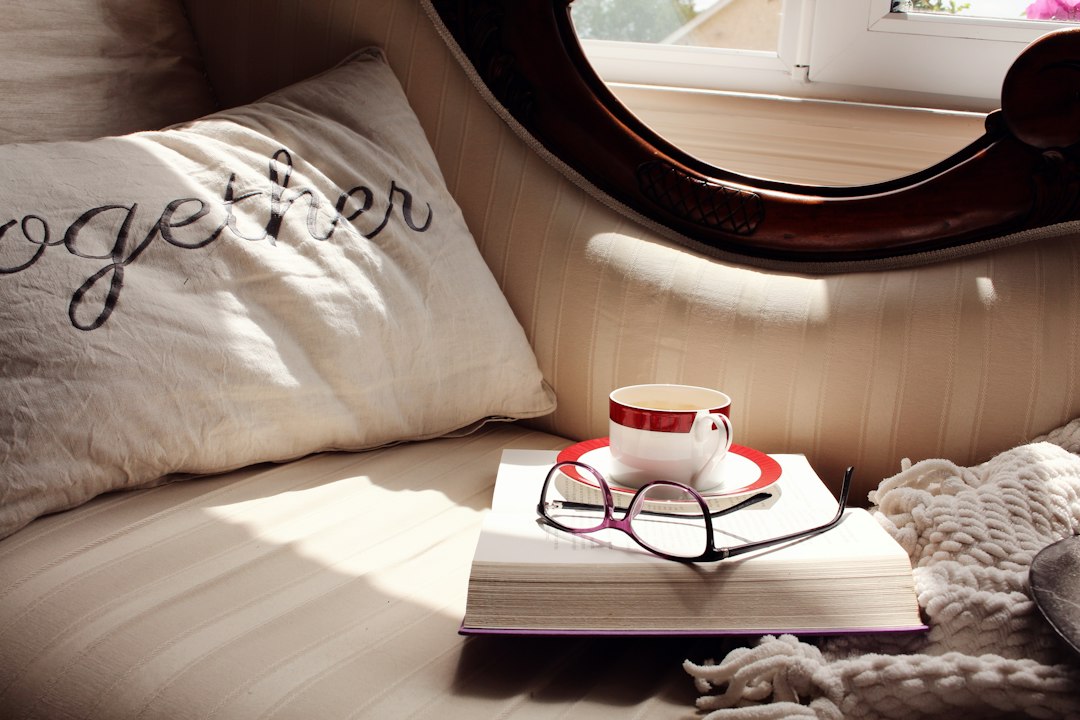
Start with one seat
Do not build a whole furniture arrangement unless the room can support it. One chair, floor cushion, or existing end of the sofa may be enough. You may also find How to Turn a Small Living Room Into a Guest Sleeping Area for One Night useful for a closely related small-home problem.
Keep current books close
Use one small basket, shelf, or side-table section for current reads. The full household library can live elsewhere.
See How to Keep Books and Magazines From Taking Over a Small Living Room.
Use existing lighting first
Natural light, a nearby lamp, or an existing wall light may be enough. Add a new lamp only if the reading spot truly needs it and the cord can be managed safely. If you are working on the same space, How to Store Grocery Backstock in a Small Home Without Turning Every Closet Into a Pantry covers the next decision in more detail.
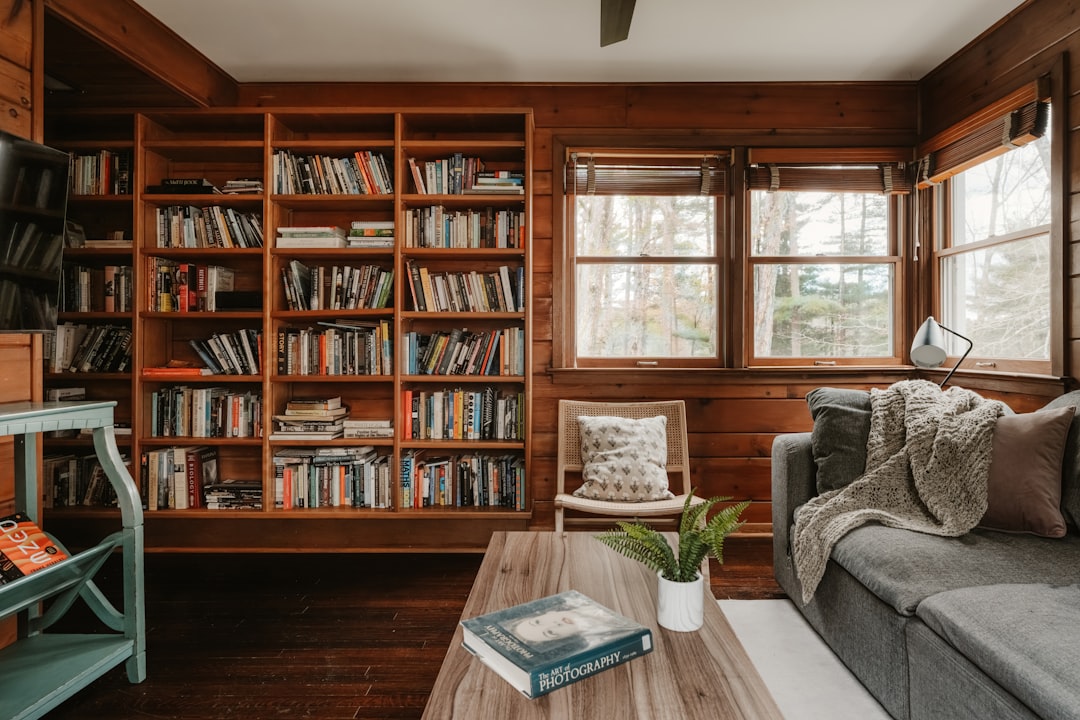
Keep the floor footprint small
A reading corner should not block circulation. Avoid adding ottomans, baskets, side tables, and floor lamps until the basic seat proves useful.
Make it easy for children to use
If children will read there, place a small rotating selection of books within reach. Keep the category limited enough that books can be returned independently.
Keep blankets to one active piece
A single throw can make the corner comfortable. A pile of blankets and pillows can make a tiny zone feel crowded.
Use the corner for reading—not general storage
Do not let the basket fill with mail, toys, chargers, or laundry. A defined purpose is what makes a small corner feel intentional.
The two-minute reading reset
- return books,
- fold the throw,
- remove cups or dishes,
- clear the floor,
- leave one current book ready.
Frequently asked questions
Do I need a dedicated reading chair?
No. Use existing seating if it is comfortable enough and the location feels calmer than the main activity zone.
How many books should stay there?
Keep a small current-reading selection rather than the whole collection.
Can a reading corner be in a bedroom?
Yes, if the room has enough circulation and the corner does not interfere with dressing or sleep routines.
A reading corner is a behavior cue, not a decorating project
One comfortable seat, reachable books, usable light, and a tiny reset are enough to create a calmer place to read in a small home.
