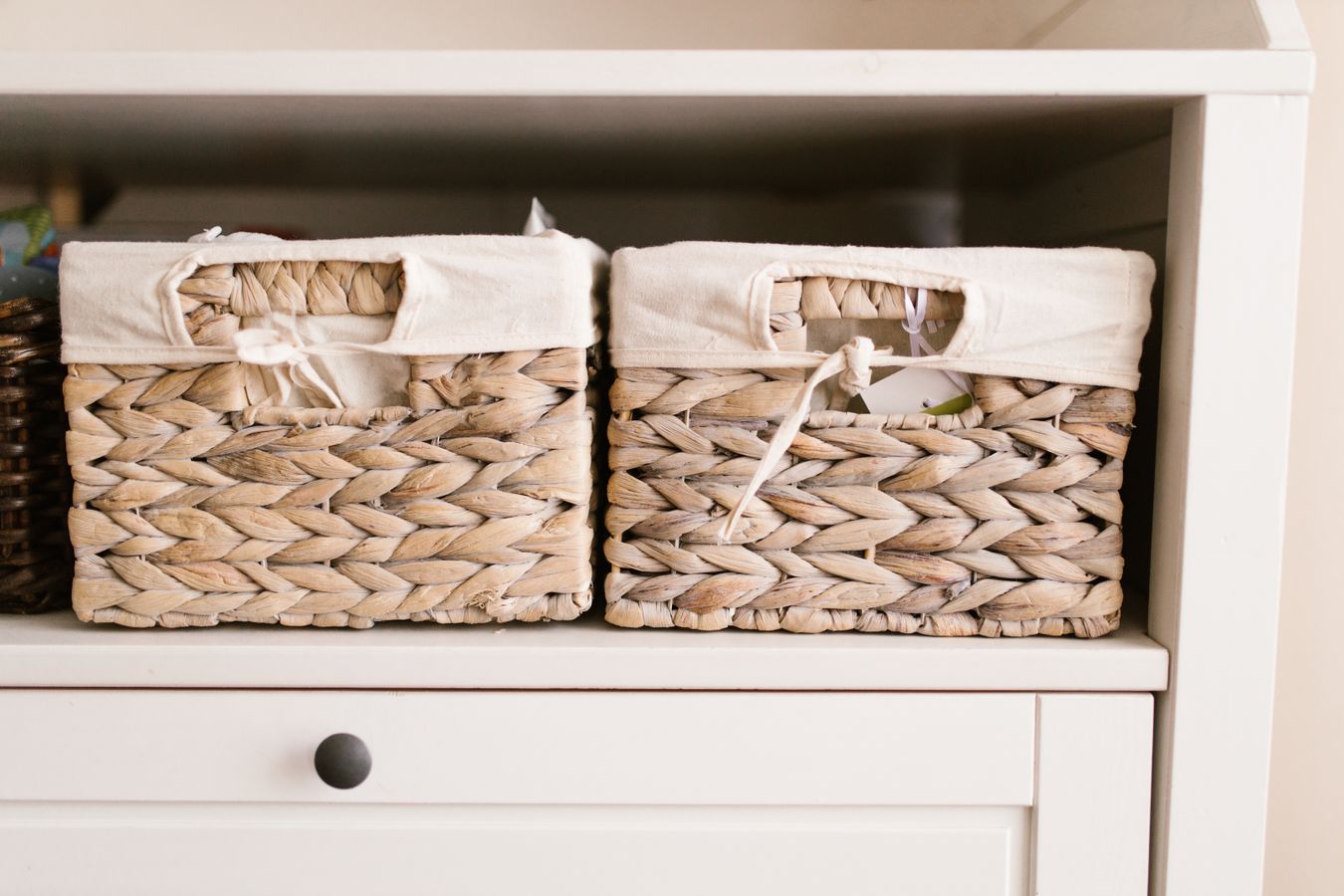
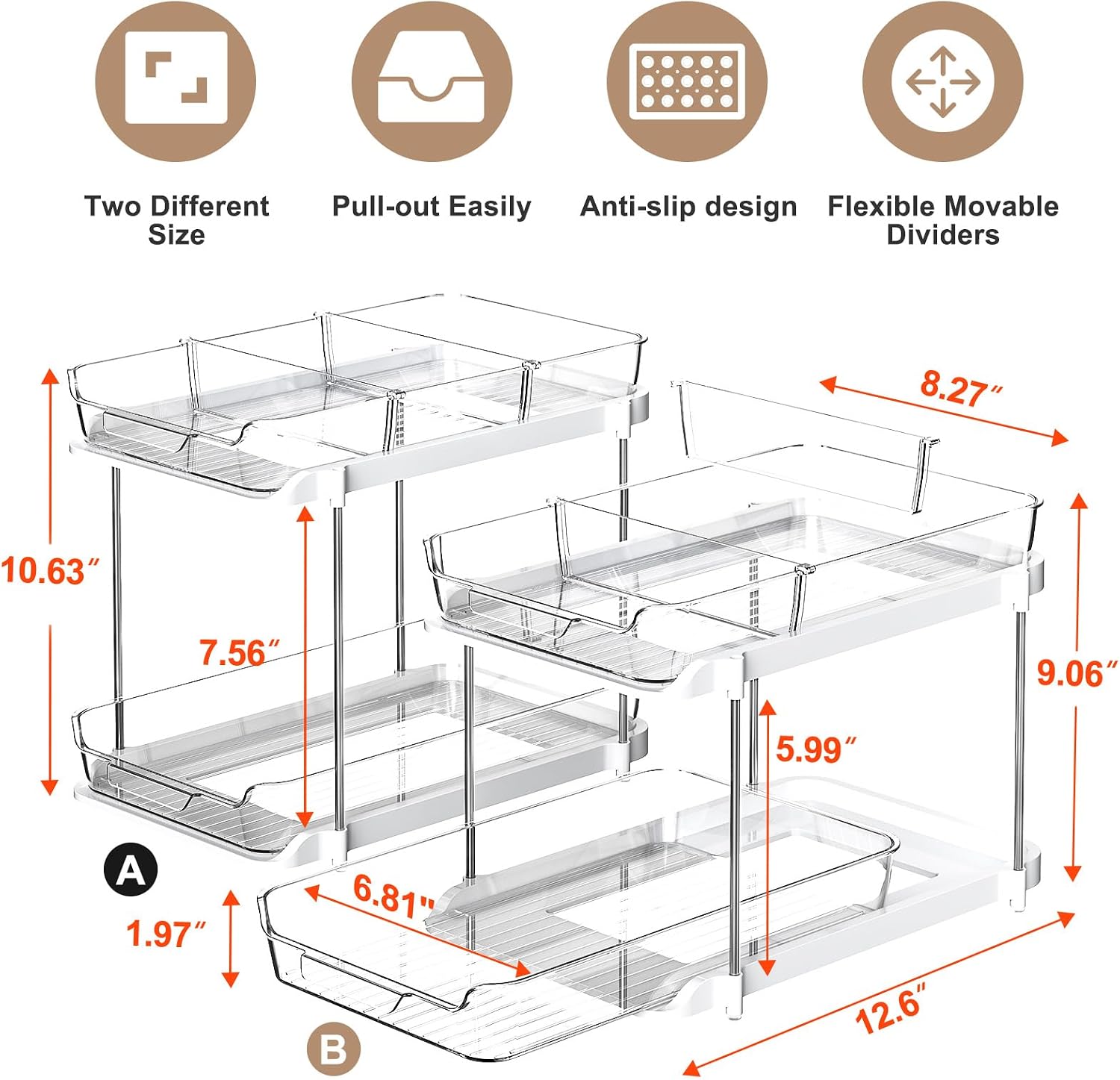
Buying extras can save trips and make busy weeks easier, but in a small home backstock can spread fast.
Extra pasta goes in one closet. Paper towels land in the bedroom. Snacks move under a bench. Duplicate condiments hide behind dishes. Soon the household technically has plenty of supplies but no one knows what is where. For the broader setup, How to Do a Seasonal Closet Switch in a Small Home Without Making a Bigger Mess is a useful next read.
The solution is to treat backstock as one controlled inventory, not as permission to use every empty corner.
Separate active food from backstock
Keep the food you are currently using in the kitchen or pantry zone. Unopened duplicates belong in a secondary backstock area.
This prevents four jars of the same ingredient from occupying prime kitchen shelves.
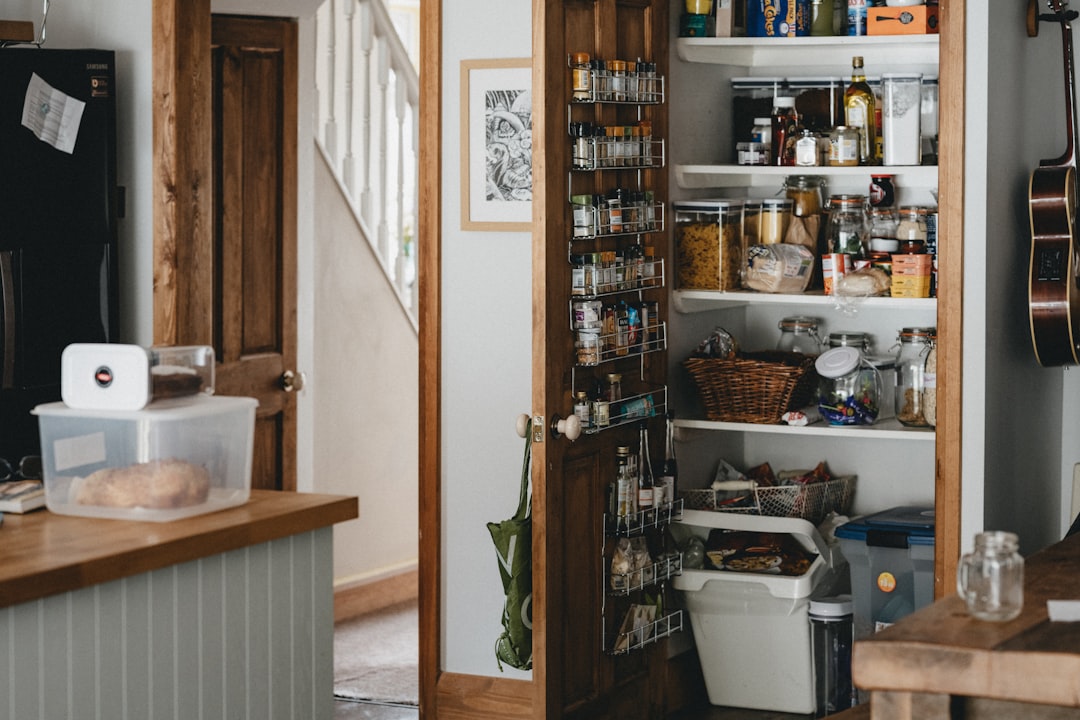
Choose one overflow location
A hall closet shelf, laundry shelf, utility cabinet, or small freestanding pantry can work if the space is appropriate for food storage. You may also find How to Organize a Small Linen Closet So Towels and Bedding Actually Fit useful for a closely related small-home problem.
Avoid splitting the same category across several rooms.
Limit backstock to repeat-use staples
Keep extras of items your household uses reliably. Rare ingredients, novelty snacks, and bulk purchases bought only because they were discounted can become storage debt.
Use a refill-first rule
When the active kitchen item runs low, refill from backstock before adding it to the shopping list. This keeps the overflow area moving instead of becoming a forgotten reserve.
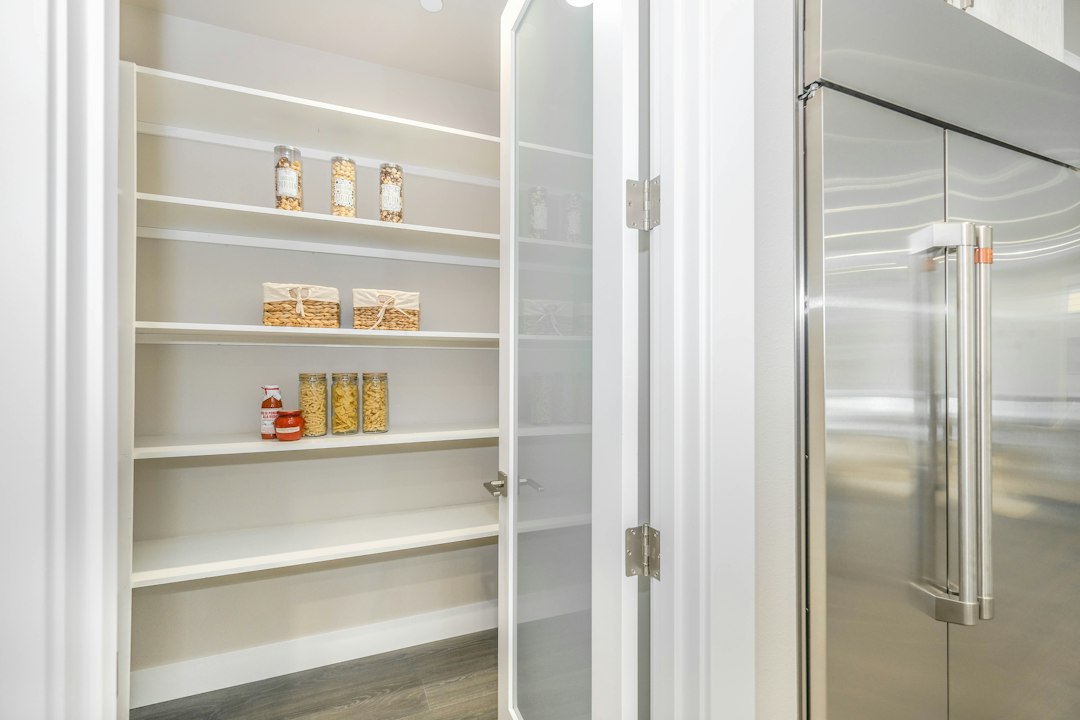
Group by broad category
Use simple groups such as breakfast, pasta/rice, canned goods, snacks, baking, and household paper goods. Do not create a separate bin for every ingredient. You may also find How to Create a Family Donation Station That Actually Leaves the House useful for a closely related small-home problem.
Put the oldest usable stock in front
When adding new items, rotate the category so older stock gets used first where appropriate.
Keep nonfood bulk separate
Paper towels, tissues, and household consumables can share the overflow zone, but keep them visually separate from food so the inventory is easy to scan.
Protect the kitchen from overflow creep
If active kitchen shelves are already full, do not move backstock into every cabinet. Review what is already there first.
See How to Organize a Small Pantry When Food Has to Share Cabinets With Dishes.
The 10-minute backstock check
- scan duplicates,
- move refill items to the kitchen,
- group like categories,
- note what is actually low,
- remove damaged packaging,
- keep the overflow zone below full capacity.
Frequently asked questions
How much backstock should I keep?
Keep the amount your household can realistically use within one defined storage zone.
Should bulk groceries stay in the kitchen?
Not necessarily. Keep active food in prime kitchen space and move unopened extras to one appropriate secondary zone.
How do I stop buying duplicates?
Check the backstock zone before making the shopping list.
Backstock should reduce stress, not create another room to manage
One overflow zone, broad categories, and a refill-first habit are enough to make bulk groceries useful without turning the whole home into pantry space. You may also find How to Store Bulk Household Supplies When You Don’t Have a Pantry useful for a closely related small-home problem.