
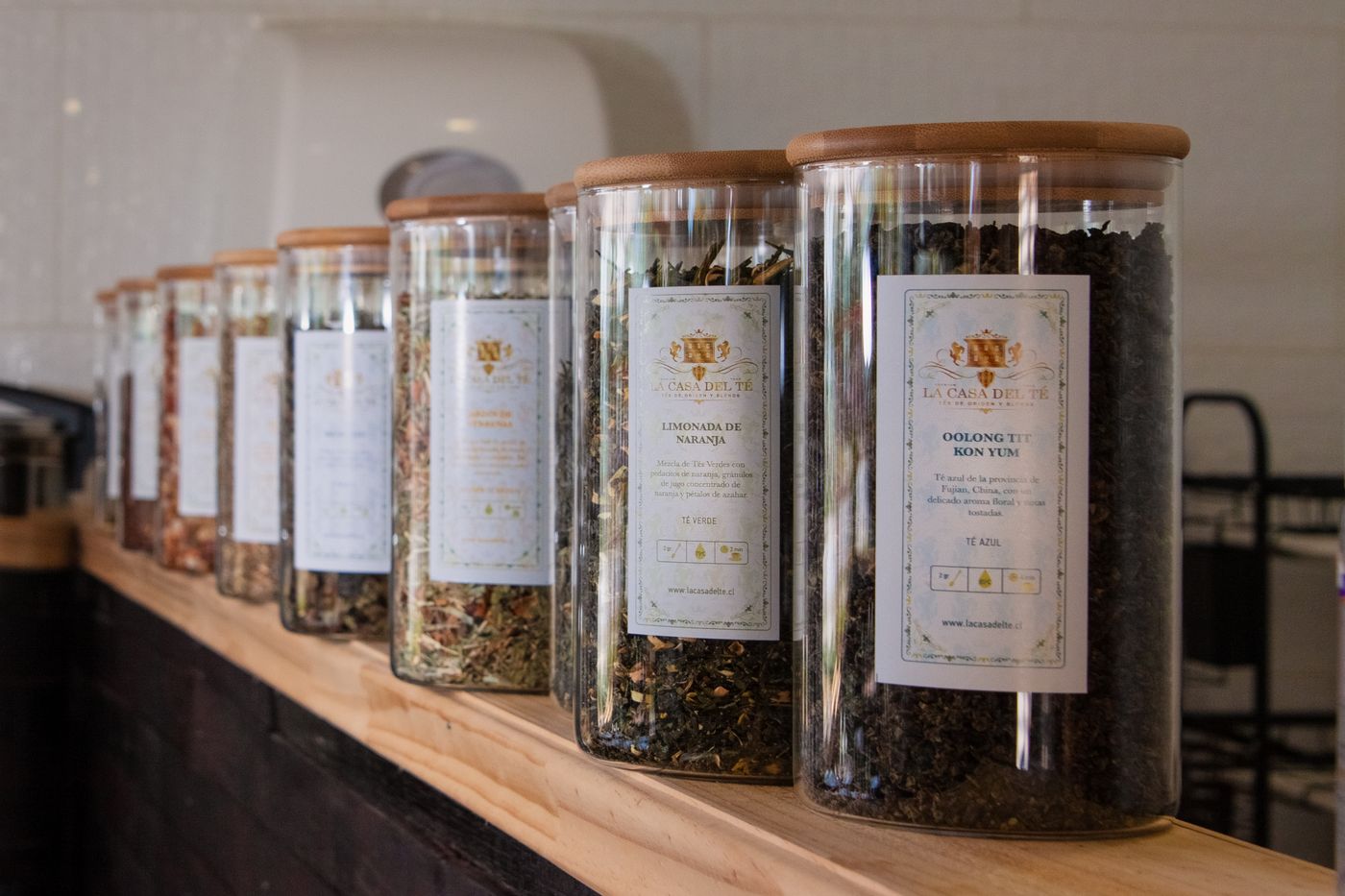
Loose-leaf tea becomes difficult to use when the attractive container survives but the blend’s identity does not. A dark leaf in a jar tells you little about its ingredients, intended brewing method, or the date on the original pack. An effective tea arrangement preserves those details while making the next cup easy to choose.
Pinterest’s autumn 2026 creator trend page includes interest in making drinks at home. This guide applies that context to a tea collection you already own. The organizing decision is modest: give each tea a readable identity and an appropriate storage place before buying a matching row of new jars.
Start with the original packs
Gather the teas from the places where they actually live: the kitchen cupboard, a gift box, the desk drawer, and perhaps a bag brought home from a trip. Keep each original pack beside its current container. Do not combine similar-looking leaves while sorting. Two blends with nearly identical names can have different ingredients or brewing instructions.
Read the maker, full blend name, ingredient information, package dates, and storage directions. Preserve any information relevant to the people who use it, including stated ingredients and allergens. If a container’s contents cannot be identified reliably, keep it out of the ready-to-brew group while you resolve that uncertainty. A decorative handwritten name is useful only when it accurately identifies what is inside.
Decide whether the original packaging already works
A sound resealable package may be a perfectly adequate part of the arrangement when used according to its instructions. Put packs in a shallow existing container that lets their names remain visible. Avoid transferring everything simply because the shelf would look more uniform. Every transfer creates another label and another opportunity to separate the tea from its original information.
If a suitable transfer is genuinely needed, choose a clean, dry food-storage container appropriate to the tea and retain the original label. Check the actual closure rather than assuming a decorative lid makes the container airtight. A transparent vessel in a photograph illustrates identification and retrieval; it does not establish that an exposed sunny shelf suits the contents.
Preserve identity with a small repeatable record
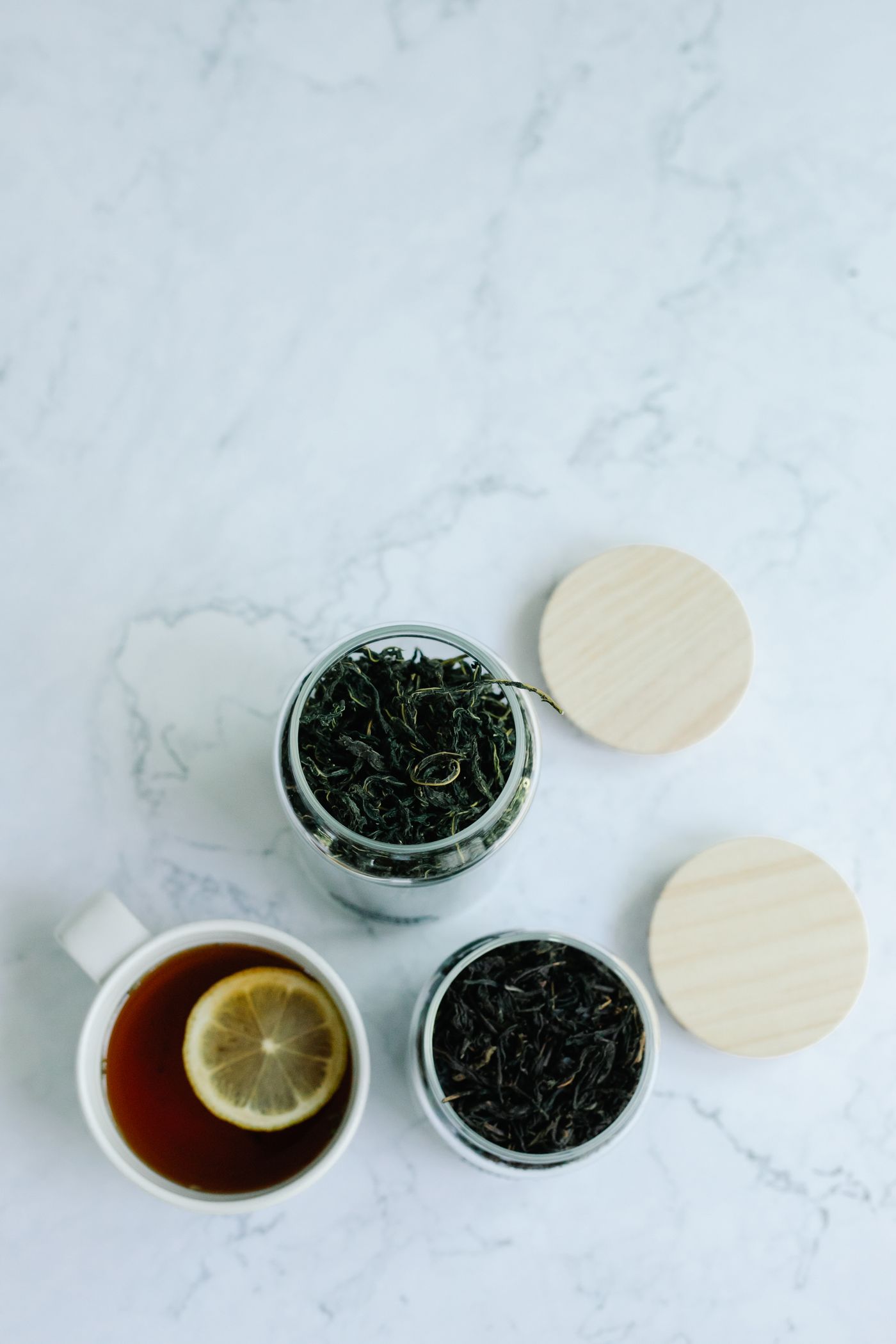
Use the same order of information for each tea: maker and blend, a pointer to the full original details, the package date as printed, and an opening date if that helps your household. Label the date’s meaning explicitly. A date recorded as opened is a household observation, while a manufacturer’s best-before date is information supplied with the product.
Keep those meanings separate. Do not invent a universal replacement date for every tea in the cupboard or quietly change the printed date when refilling a container. If you retain a clipped label, make sure the essential information remains complete and readable. A photograph can be a useful backup, but the person making a cup should not have to search several unrelated image folders.
For label choices, the guide to text, pictures, and color in home labeling can help. A color dot can identify an owner or group, but it cannot replace the blend and ingredient information. Choose a method that the actual tea drinkers can read under normal kitchen lighting.
Keep brewing directions accessible
Retain the directions supplied for the exact product. Record the amount, water guidance, and steeping information using the maker’s units if you create a working card. Do not replace those details with one generic rule for all tea. Different products may be intended for different preparation, and a household preference can be recorded separately from the original directions.
For example, a card might show the supplied instructions on one side and a dated personal note on the other: preferred in the smaller cup, or use the usual mug marked on its base. Write a personal adjustment only after the intended user has made it. A note about taste is useful evidence of that person’s preference, not an authoritative instruction for everyone who uses the kitchen.
Choose the storage position before the display
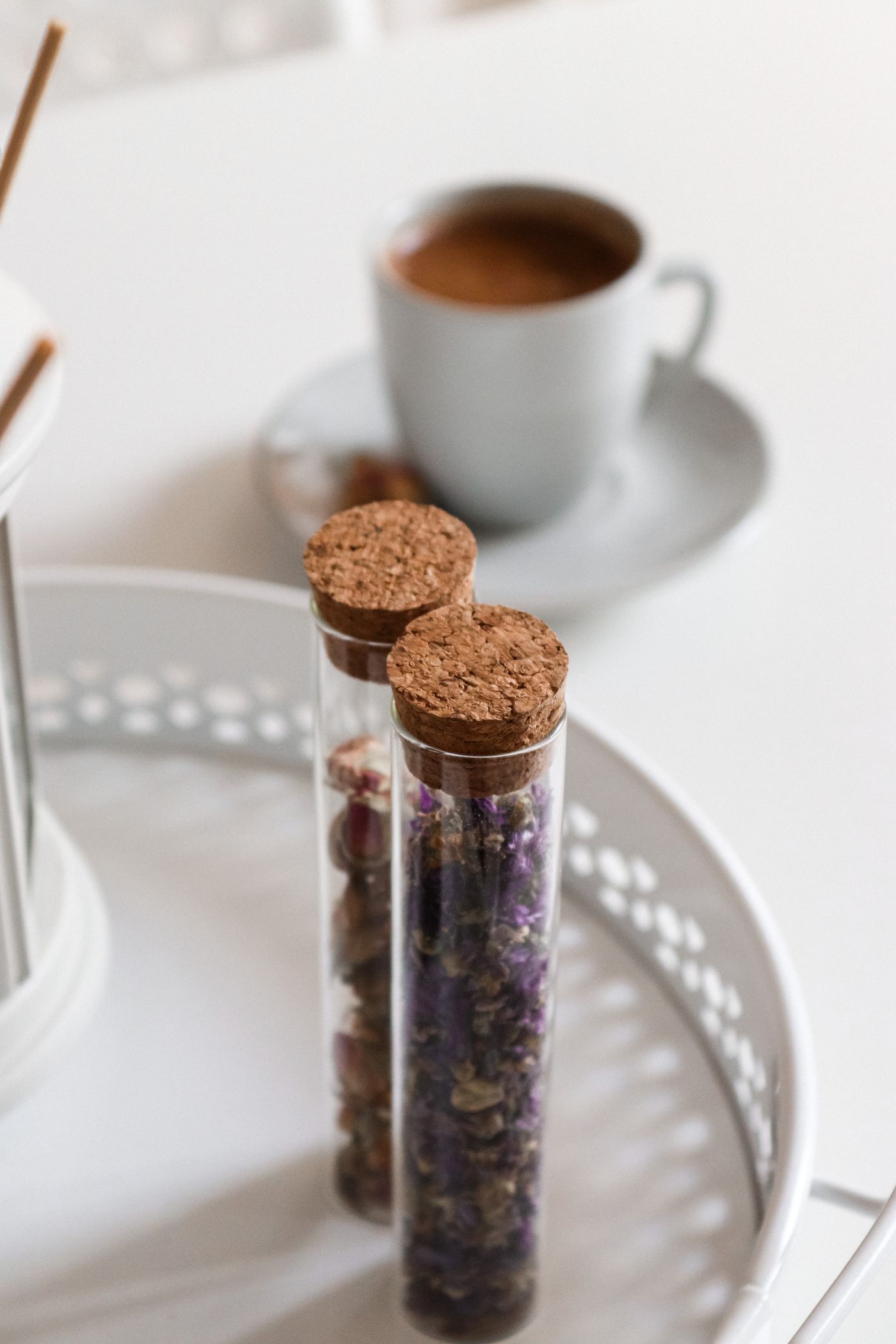
TWG Tea’s loose-leaf storage guidance recommends protection from light, air, moisture, heat, and strong odors, including suitable opaque airtight tins. Treat that as guidance from the named tea producer and follow your own product’s specific instructions. A shelf beside the stove or a damp sink edge can be convenient while still being an unsuitable permanent destination.
Walk through the kitchen and compare the realistic locations. Check what happens when cooking produces steam and when sunlight reaches the room. Keep the ready tea somewhere the intended users can retrieve it without shifting heavy appliances. A suitable cupboard close to the brewing area may provide a better arrangement than a permanently open display.
Separate the daily selection from the unopened reserve
Put the teas currently being used in the easiest appropriate position. Keep unopened duplicates identifiable behind or beside them, with their own original dates and labels intact. Do not pour a new package onto an unidentified remainder. If you use a refill container, finish or otherwise handle the earlier contents appropriately before cleaning, drying, and refilling it according to the product and container guidance.
Limit the daily selection to a quantity you can see and choose from. If the shelf is full of rarely selected blends, decide which ones still have a realistic use before expanding the storage. The capacity ceiling method is helpful here: choose an intentional boundary, then make purchase decisions within it.
Give the brewing tools a different boundary
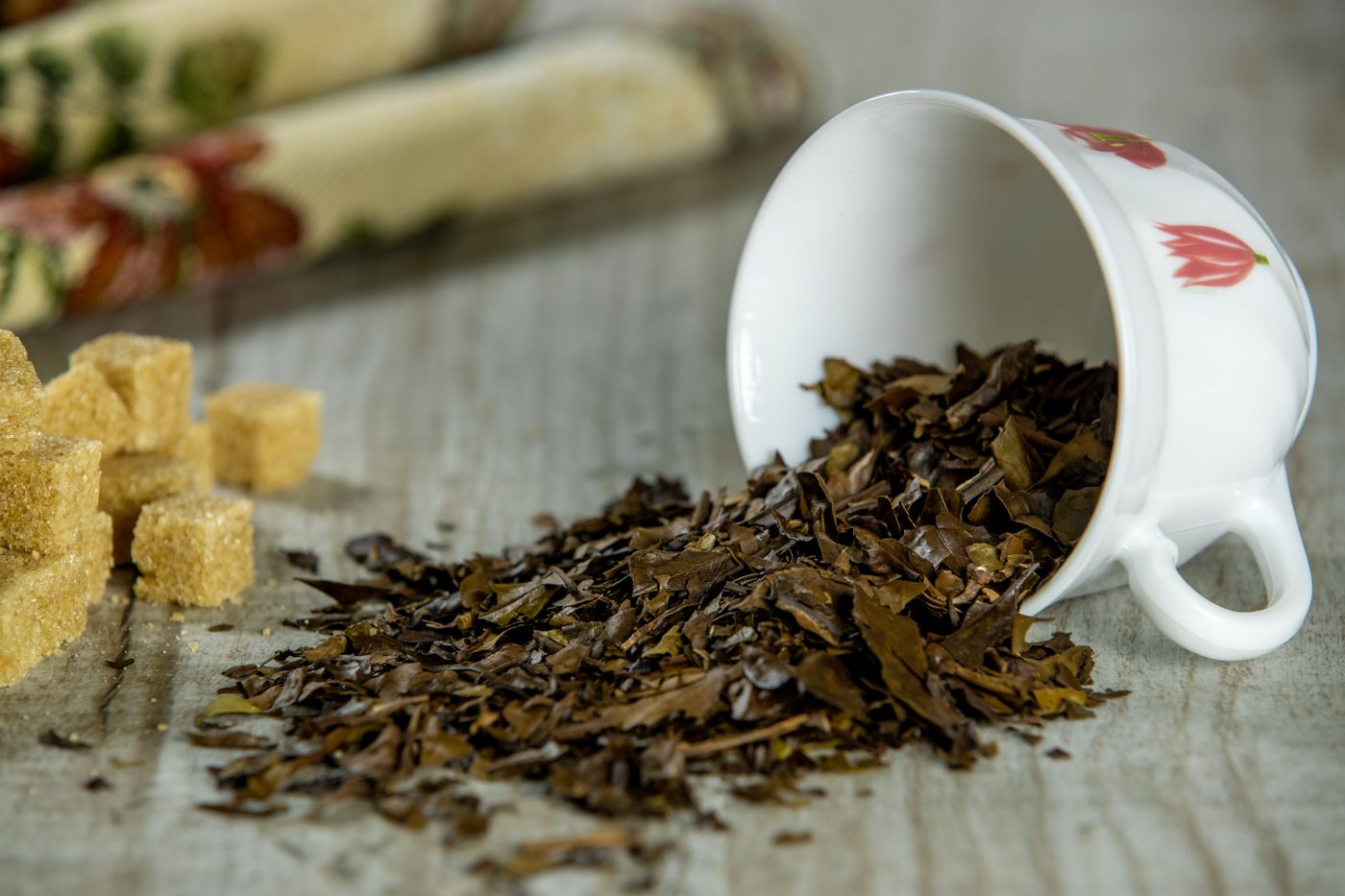
An infuser, scoop, cup, and tea container need different handling during a session. Keep a dry retrieval route for the tea and a clear destination for tools awaiting washing. Do not return a damp scoop to the container because it belongs with the tea in an organizing photograph. Follow the actual food-storage and utensil care instructions.
When comparing storage products, the OXO POP and ProKeeper+ container discussion provides a separate look at container features and cabinet space. It does not establish tea-specific suitability for every model. Start with the tea’s requirements, then assess the exact container and the space it would occupy rather than selecting a brand name first.
Keep a small choice list if the cupboard door hides everything
A brief list inside the appropriate cupboard can help someone choose without removing every package. Use recognizable names and update the list when a tea is finished. Avoid building a detailed inventory whose maintenance takes longer than making a cup. The container labels and original information should remain the reliable source when the list is out of date.
Shared households can give personal favorites a clear small group without duplicating the full setup for every person. If someone brings home a gift blend, place its original package into the routine before separating it from a card or decorative outer box. The moment of arrival is the easiest time to preserve identity.
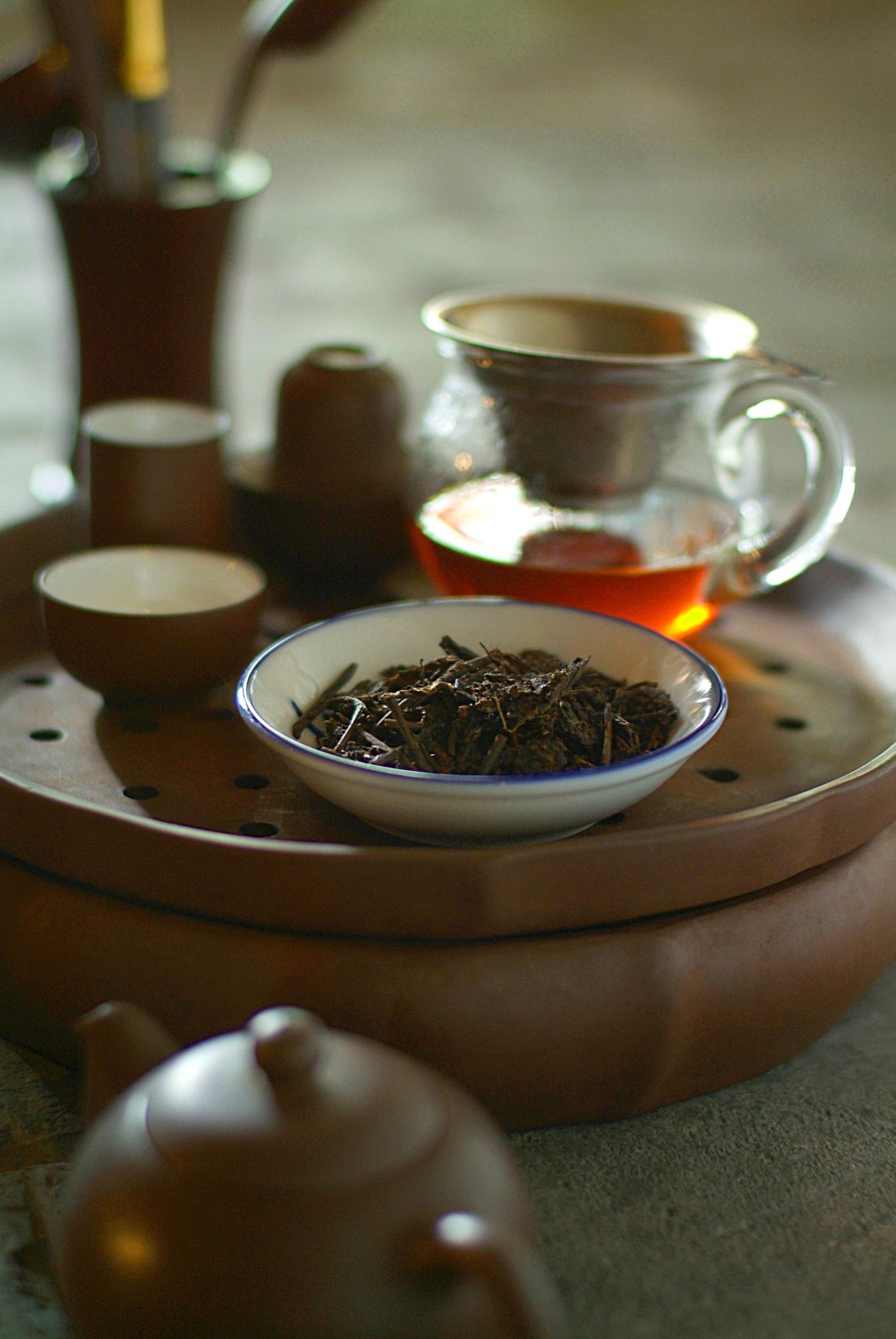
Test the arrangement with the next ordinary cup
Ask the next user to choose a tea, find its directions, retrieve a dry tool, and return the package to its proper place. Watch for the actual delay. A label facing backward requires a small positioning change; a lid that is difficult to handle may require a different suitable container. More dividers will not fix every problem.
Keep the successful parts and simplify the rest. You should be able to identify what you have, distinguish printed dates from household notes, and keep the stored tea in appropriate conditions. A few readable original packs can achieve that just as well as a coordinated collection, provided the system supports the cup you genuinely want to make.
Explore related decisions in our Home Organization hub.
Sources and editorial scope
Editorial research checked October 24, 2026. Published trend reports are context for these editorial applications, not verified live keyword rankings. Practical household guidance; photographs do not document a tested household or authenticate pictured materials.
