Seasonal items are easy to justify because you know you will use them again. The problem is that they can quietly occupy the same easy-access storage as the things you use every week. For the broader setup, Small Apartment Storage Ideas That Don’t Require Drilling is a useful next read.
In a small apartment, seasonal storage works best when you treat it as a scheduled rotation system, not permanent overflow. If you are working on the same space, Where to Store Important Documents in a Small Apartment covers the next decision in more detail.
Define what “seasonal” actually means
Seasonal items should have a predictable period when they are not needed. Common examples include winter coats, extra blankets, holiday decor, warm-weather gear, sports equipment, and seasonal clothing. If you are working on the same space, How to Organize Cleaning Supplies in a Small Home Without a Utility Closet covers the next decision in more detail.
Do not use “seasonal” as a label for anything you are simply avoiding deciding about.
Choose low-frequency zones first
Seasonal storage belongs in places that are less convenient for daily use:
- under the bed,
- top closet shelves,
- high cabinets,
- the back of a deep closet,
- one designated storage corner.
Prime drawers and reachable shelves should stay available for current life.
Set a container limit before you fill the space
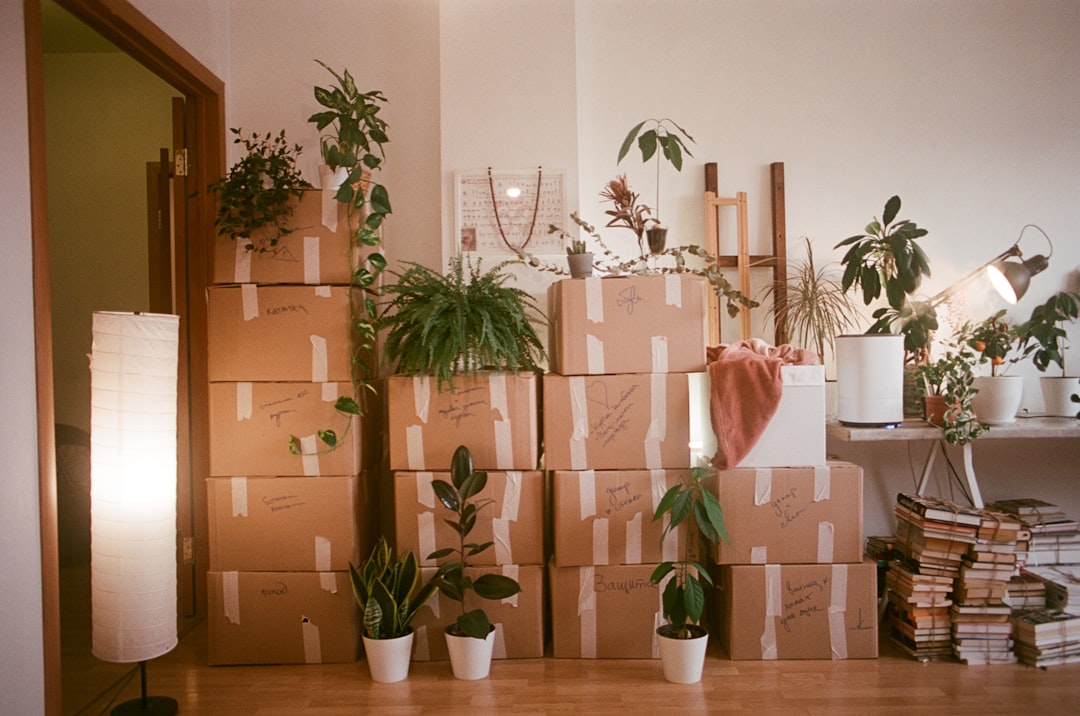
Choose how many bins or boxes the apartment can realistically support. That capacity becomes the boundary for the category.
If winter decor exceeds one bin, decide what deserves the limited space before adding a second stack.
Label by category and season
“Winter — scarves + gloves” is more useful than “seasonal.” “Holiday lights + tree decor” is better than “December.” Specific labels reduce the temptation to open every container during the next rotation.
Use clear containers only when visibility helps
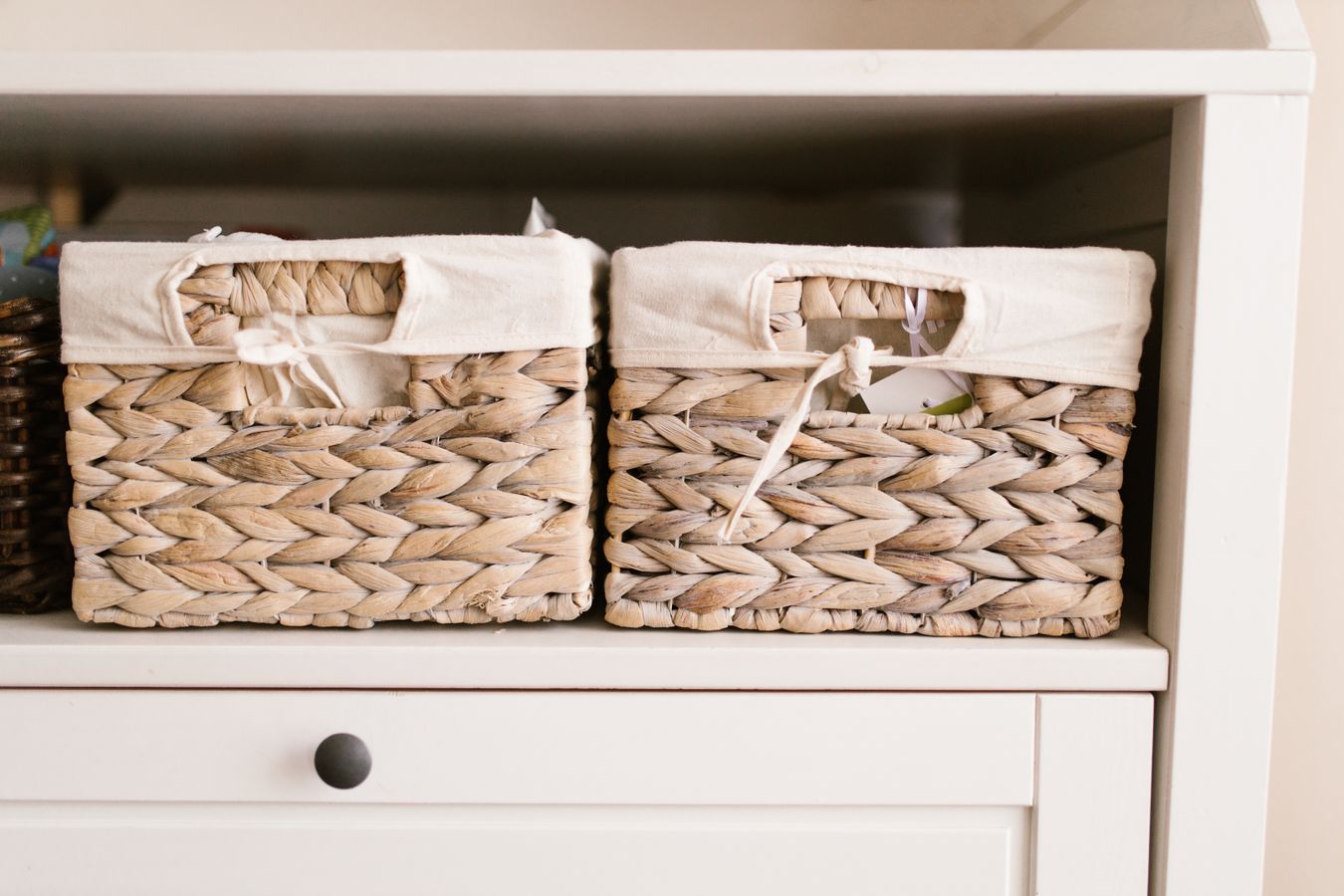
Clear bins are useful for mixed storage zones, but opaque boxes can reduce visual clutter in open shelving. Either works if labels are accurate and containers are easy to move. For the broader setup, How to Move Into a Smaller Home Without Re-Creating Your Old Clutter is a useful next read.

Do not make the stack too dependent
If reaching one winter coat requires unloading four heavy boxes, the system is too dense. Stack by likely retrieval order and keep the next season easier to access.
Store soft goods compactly—but not blindly
Fold bedding and clothing neatly enough to use the available volume. Compression can help some soft categories, but use methods appropriate to the material and storage conditions.
The goal is not maximum compression; it is predictable retrieval.
Create a seasonal swap date
Pick a natural transition—first cool week, first warm week, school-year change, or holiday season. During the swap:
- bring the incoming season forward,
- edit items that no longer fit or get used,
- clean items as appropriate before storage,
- return outgoing items to labeled containers,
- keep the container count stable.
Keep one “transition” category
Weather rarely changes overnight. Keep a small transition zone for light jackets, one extra blanket, or a few cross-season clothing items so you do not open the full seasonal storage repeatedly.
Holiday decor needs its own limit
Decor can grow every year. Give each holiday or the entire holiday category a fixed container boundary and review it before adding new pieces.
Sports and outdoor gear
Store by actual season of use, not by theoretical possibility. Bulky equipment that is used once a year should not occupy the same prime space as daily backpacks and shoes.
Seasonal storage and kids
Children change sizes quickly. Do not automatically store all outgrown clothing as seasonal. Separate future-size hand-me-downs from weather-based rotation.
See How to Store Outgrown Kids’ Clothes and Gear Without Taking Over the House.
A 30-minute seasonal reset
First 10 minutes
Pull out the incoming season and identify what is immediately usable.
Next 10
Review outgoing items for fit, condition, and real future use.
Last 10
Pack, label, and return the outgoing season while keeping container limits intact.
Frequently asked questions
Where should seasonal storage go in a studio apartment?
Use the least convenient but still practical zones, such as under-bed containers, top shelves, or a single designated storage wall.
Should I rent external storage?
That depends on cost, item value, frequency of access, and how much space the items consume. Review the category before paying to store low-value belongings long term.
How do I stop seasonal bins from multiplying?
Set the container limit first and make every new item compete for that existing capacity.
Seasonal storage should disappear from daily life
The best system keeps current-season items accessible while pushing predictable low-frequency categories out of prime storage. Use clear labels, stable limits, and a scheduled swap so the apartment does not feel like every season is happening at once.