
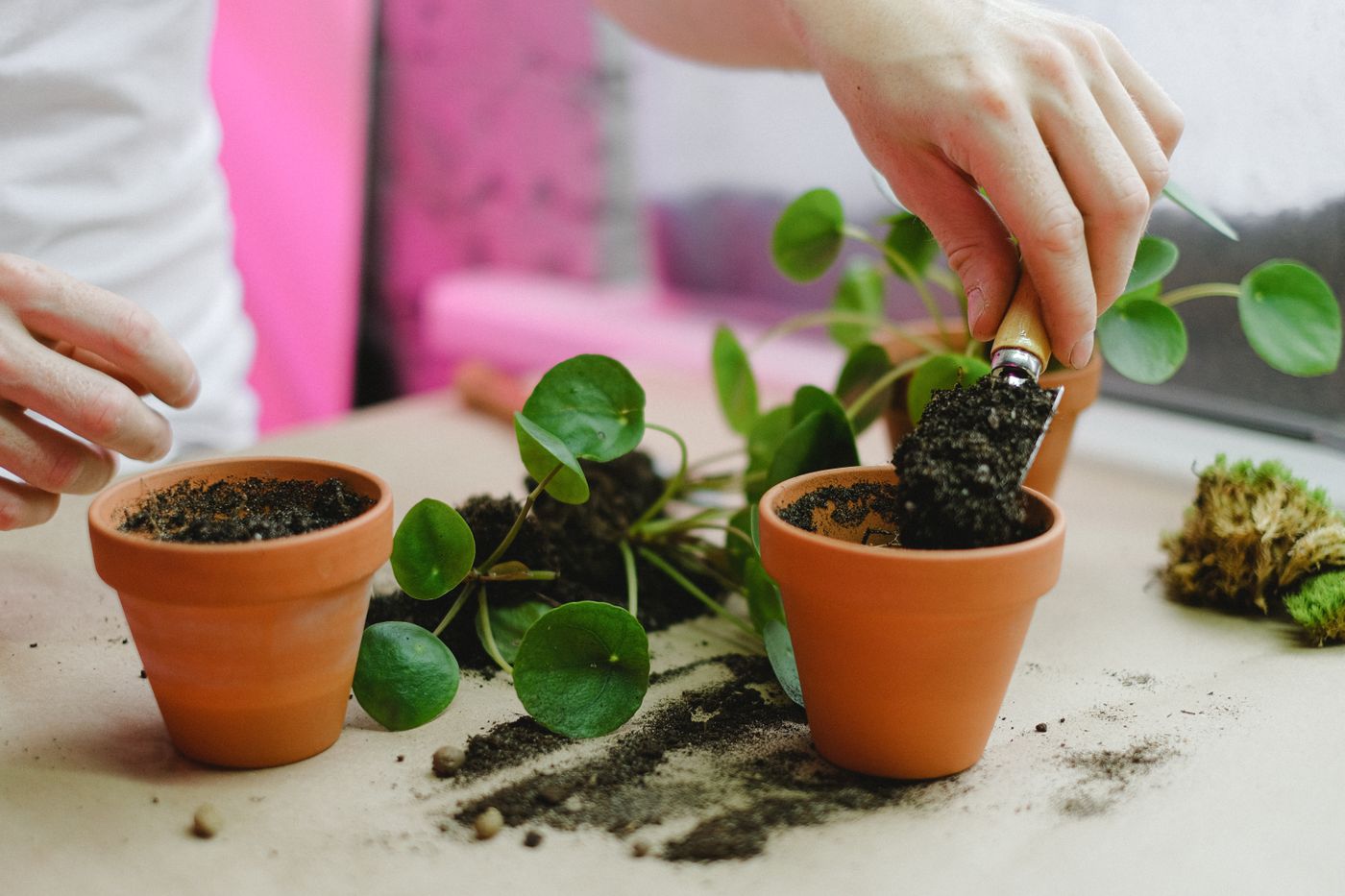
Repotting a houseplant can require more household space than the new pot’s diameter suggests. There is the existing plant, the replacement container, loose growing material, tools, and somewhere to put the old pot while your hands are occupied. Plan that complete temporary arrangement before borrowing a dining or work surface in a small rental.
Pinterest’s autumn 2026 trend page includes botanical interests. That context is not a reason to repot every plant in October. Use plant-specific guidance to decide whether and when repotting is appropriate, then plan the household surface for that particular job.
Confirm the plant task before arranging the room
Identify the plant and the reason for the proposed work. Penn State Extension’s repotting guidance discusses assessing the plant and suitable container and growing-medium choices. Use appropriate advice for your actual plant, season, and conditions. This article organizes the workspace; it does not provide a universal root-cutting, treatment, or repotting schedule.
If the task can wait until an appropriate time, plan the space now without disturbing the plant. A decorative container may not need to replace the growing pot at all. Separating the horticultural decision from the room-planning decision can prevent unnecessary work and a household surface occupied for a project that has no clear purpose.
Measure the plant as a complete moving object
Check the plant’s height and spread, the growing pot, any outer container, and the saucer. Include the foliage’s path when the plant is lifted and moved. A compact pot can carry broad leaves that catch on a doorway, shelf, or hanging light. Choose a route that accommodates the complete object and the person handling it.
Evaluate the weight before moving anything. A heavy or awkward plant may need appropriate help or another work location. Do not place it on a narrow household table simply because the pot fits inside the tabletop’s outline. The surface needs to support the intended task appropriately according to its construction and care requirements.
Choose a surface that tolerates the actual process
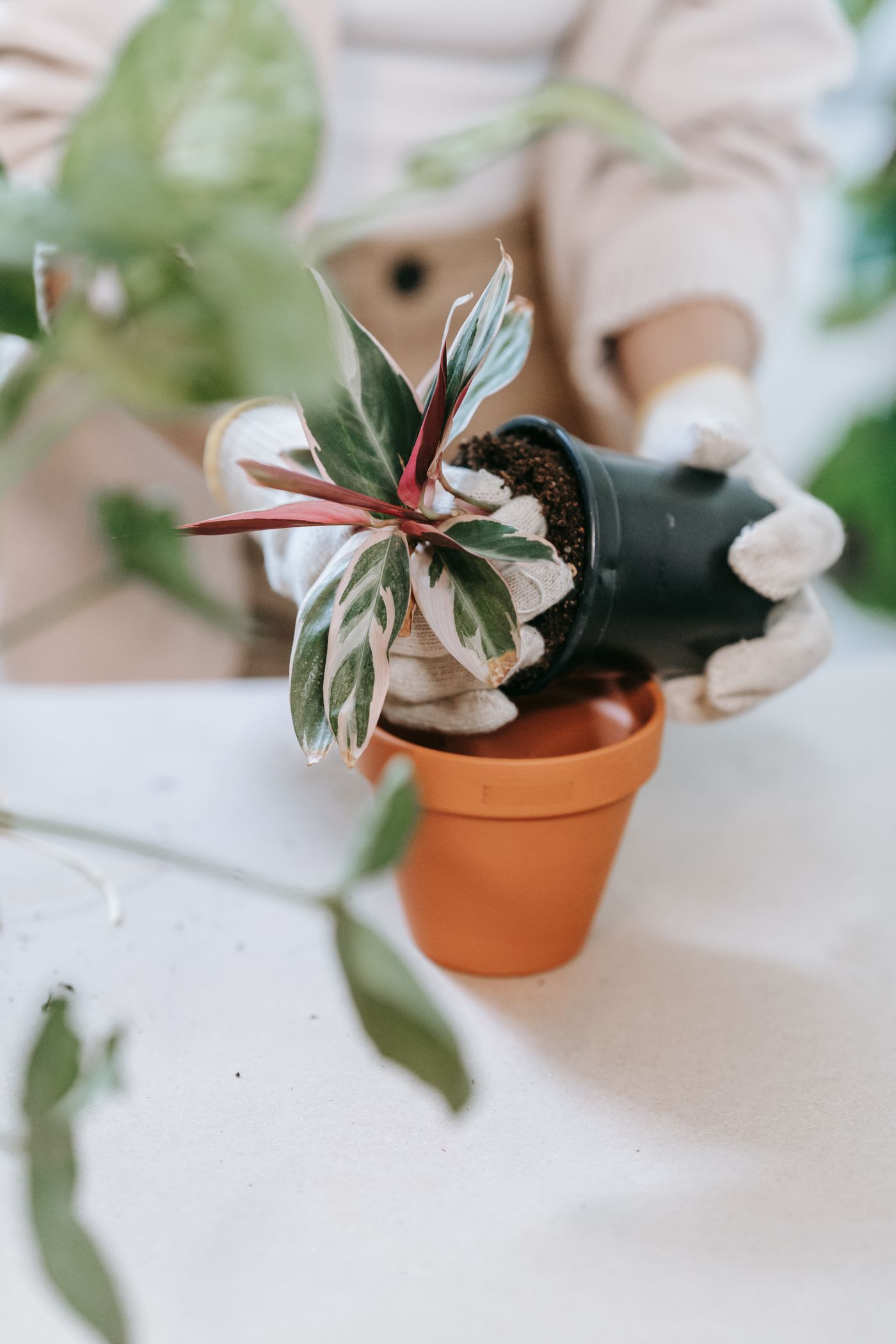
Consider water, loose material, pot edges, and the tools involved. A table used for meals may need different protection and cleanup from a suitable utility surface. Follow the furniture’s care requirements and choose an appropriate protective arrangement. A thin decorative cloth is not evidence of waterproof protection.
Keep the workspace within the part of the home where the process can be contained and completed. If the available indoor surface cannot support the task appropriately, choose another suitable location or arrange assistance. A small rental does not need a permanent potting bench, but it does need a realistic temporary surface for the work you intend to do.
Lay out the empty arrangement first
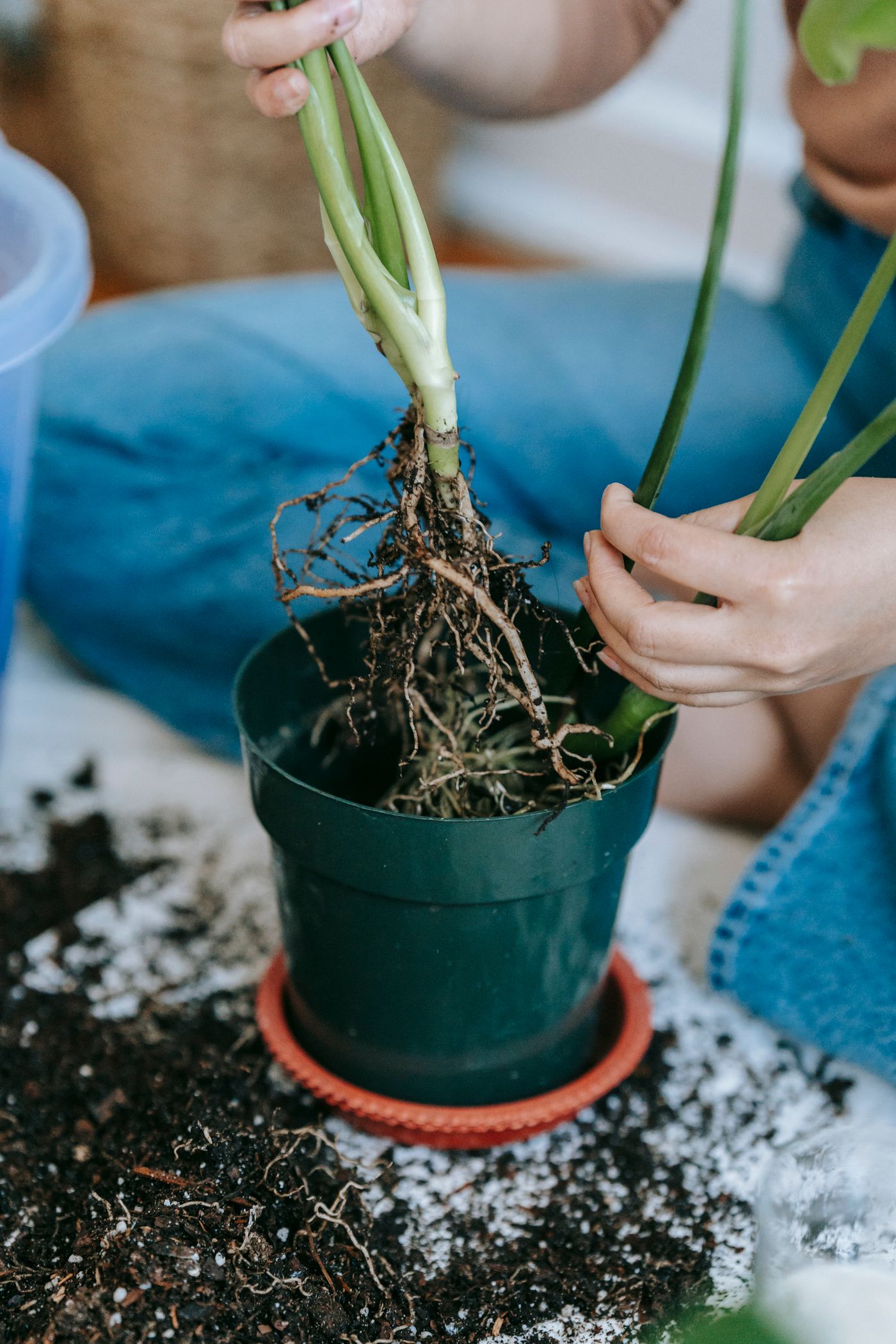
Before opening growing material or lifting the plant out, place the empty replacement pot, a suitable containment tray or other permitted work protection, and the tools where you expect to use them. Leave a defined landing space for the old container. Check that the arrangement can hold the actual stages of the task without requiring you to set material on the floor.
Walk through the reach sequence with clean empty components. Can you reach the new pot without stretching over the plant? Can you set a tool down without placing it on the meal-preparation area? The small weaving-surface guide illustrates a related way to plan the occupied work area before the main material arrives, although the containment needs here are different.
Keep loose supplies within a deliberate boundary
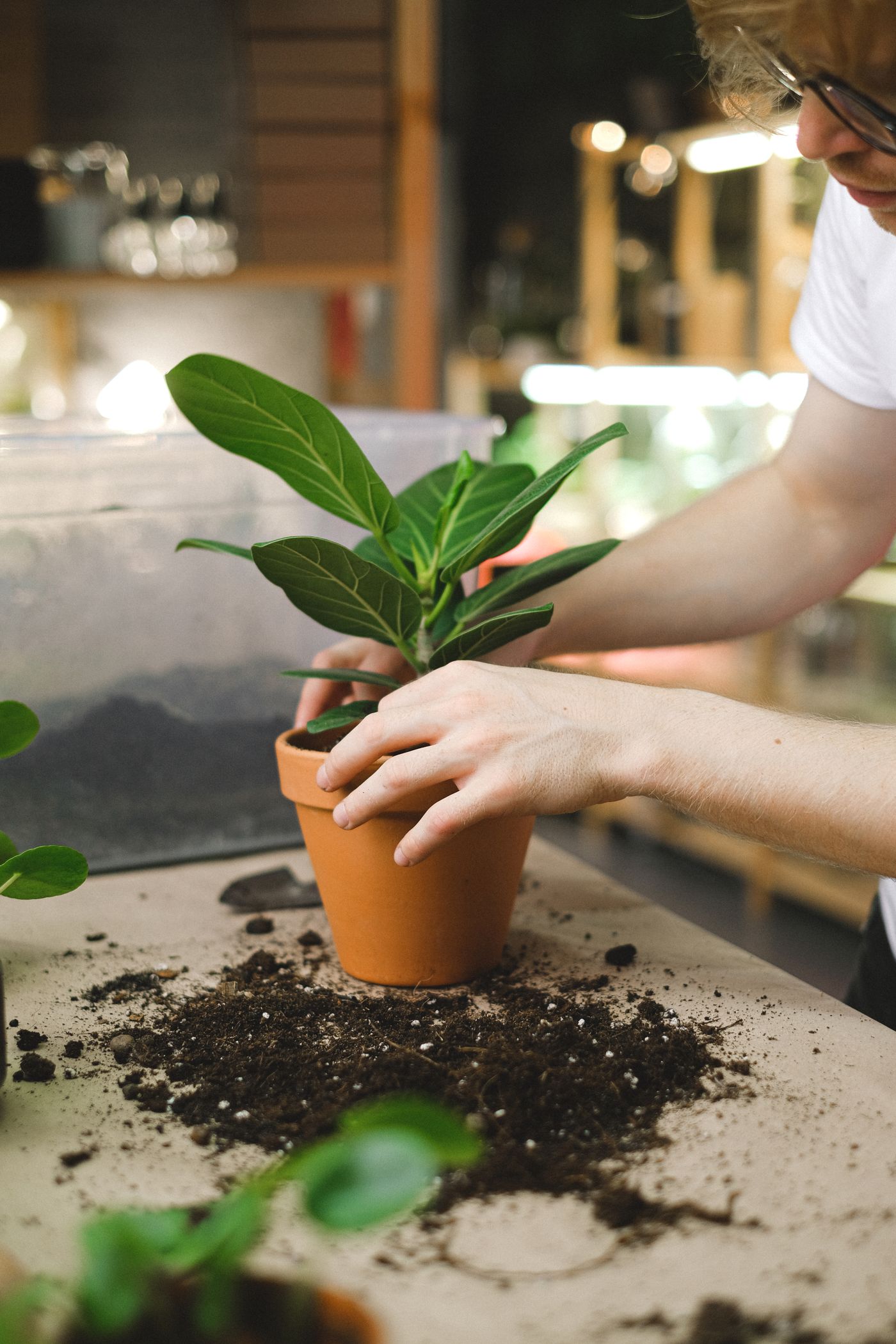
Bring only the materials appropriate to this plant and task. Keep their original identities and instructions available. An unlabeled bag left from another plant is not automatically the correct growing medium. Use a suitable scoop or tool and keep the opening positioned so loose material remains in the intended work area.
Choose a destination for unused supplies before opening them. The plant-care supply guide addresses long-term storage; this temporary setup concerns the space those supplies occupy while the work is active. Keep that distinction clear so a single repotting session does not turn the rental’s dining corner into permanent gardening storage.
Plan water handling separately
Check the plant-specific process and determine whether watering or draining belongs to this session and where it should happen. Do not assume the household sink is the right place for every stage. Loose growing material and ordinary plumbing use need a considered boundary. Keep accumulated solids out of a drain unless appropriate guidance specifically supports the intended disposal.
If the plant must move to a suitable watering or draining location, include that movement and its return in the plan. Protect surfaces and floors using arrangements appropriate to the materials involved. A container that is ready to display may still need its specified watering and draining stage completed before returning to its usual position.
Keep household use clear during the work
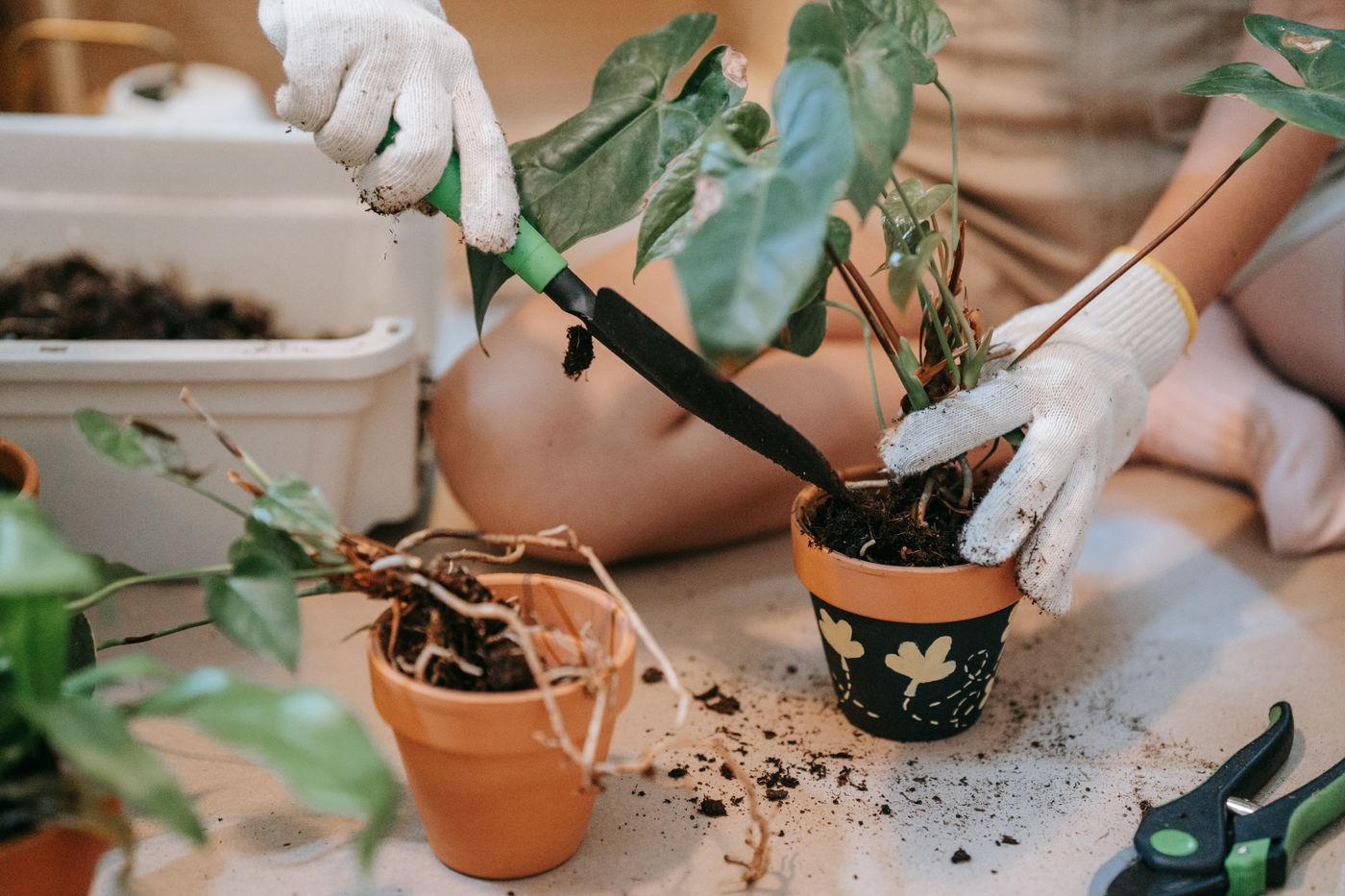
Agree on the time window when the chosen surface can be borrowed. Leave the normal walkway, door, and necessary storage access usable while the plant and supplies are in place. The arrangement should work with occupied chairs and ordinary household movement, not just with the room emptied for a photograph.
Keep tools, loose material, and the plant appropriate to the people and pets who can access the area. An adult should manage the actual task where needed. This is a practical access decision tied to the materials present, rather than a reason to dismantle the entire room. A clear boundary and a short planned session can be enough for a suitable small job.
Plan what happens if the task pauses
Check whether the plant-specific process allows the stopping point you are considering. Avoid beginning a stage you cannot complete within the available time. A household interruption can leave a plant, material, and tools spread across the only eating surface. Plan the realistic stopping sequence before the plant leaves its existing container.
If a longer project or unexpected problem arises, obtain appropriate plant guidance and move the work only through a suitable planned route. Do not hide a partly completed job in a cupboard simply to restore the room’s appearance. The goal is to preserve a clear next action while keeping the plant and household space appropriately managed.
Return the plant to its actual display conditions
Once the plant has completed the required process, check the full pot, saucer, and any outer container before returning it. Follow the plant’s aftercare guidance and the container’s intended use. A new pot can change the complete footprint and weight even when the plant itself has barely changed.
If a freestanding support is part of the display, reassess it using the plant-stand layout guide. If the plant sits on a shared surface, check the space around neighboring furniture and household objects again. A repotting session should not quietly convert a manageable plant position into a wider obstacle.
Close the workspace before storing the supplies
Collect loose material using an appropriate method for the surface and materials. Complete the furniture’s required cleanup, clean tools according to their instructions, and put unused supplies back into suitable identified storage. Keep containers still awaiting cleaning separate from those ready to use. The room should regain its ordinary purpose after the task.
Record any useful plant identity and work date without inventing a fixed next-repotting date. For a larger container, the household delivery-route guide helps assess the complete object’s route through doors and furniture. The temporary surface plan is successful when the actual plant task is complete or clearly managed, supplies are identified, and the rental’s everyday table and route are available again.
Explore related decisions in our Small-Space Living hub.
Sources and editorial scope
Editorial research checked October 24, 2026. Published trend reports are context for these editorial applications, not verified live keyword rankings. Practical household guidance; photographs do not document a tested household or authenticate pictured materials.
