A sofa can fit along a living-room wall and still fail to reach that wall. The lift is too shallow, a landing leaves no room to turn, or the doorway is narrower than the route measured on a floor plan. These problems are easier to investigate before delivery than while a driver waits outside with a large piece of furniture. You may also find Plan a Bedroom Door Swing Beside a Dresser Before Moving Furniture useful for a closely related small-home problem.
A furniture route survey records the journey from the delivery point to the final position. It is a practical information sheet for you, the seller, building management, and an experienced delivery team. It is not a guarantee that a heavy or awkward item can be moved safely. Use it to ask better questions before purchasing, scheduling, or paying for a move.
Start with the exact item and the exact service
Identify the furniture’s model, size, and configuration. Different versions of a sofa can have different arm heights, bases, and removable parts. Ask for packaged dimensions as well as assembled dimensions. If delivery includes assembly in the room, the largest component or carton may matter more than the final furniture footprint. If it arrives assembled, a small flat-pack carton shown elsewhere on the listing is irrelevant. For the broader setup, Make Room to Assemble Flat-Pack Furniture in a Small Living Room is a useful next read.
Write down what the seller confirms can be removed and who will remove it. Legs, doors, or backs may be detachable on one model and fixed on another. Do not assume a dismantling option based on an online photograph. Ask whether the delivery service includes removing packaging, carrying upstairs, taking apart the furniture, and reassembling it. Separate an included service from something that needs another appointment.
Before measuring a piece you may not need to bring, revisit downsizing before a move. The route survey is most valuable for furniture that has already earned a place in the destination home.
Draw the route as a series of numbered stops
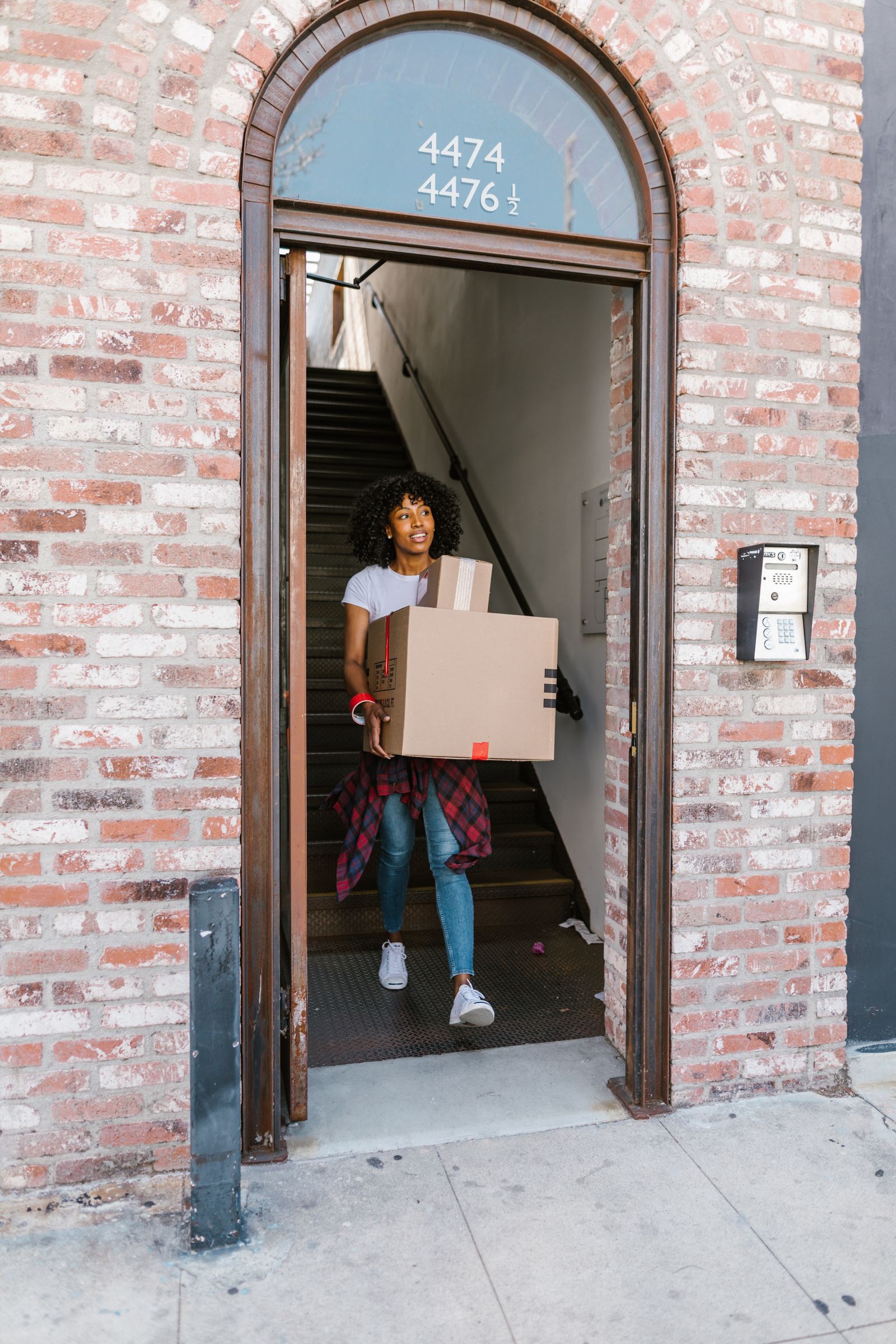
Begin at the actual unloading point. That might be a driveway, loading bay, curbside location, or building entrance specified by management. Trace the permitted path through entrance doors, corridors, lifts or stairs, the apartment doorway, and the final room. Number every change of direction. Use those same numbers on photographs and notes so another person can follow your survey without guessing.
Keep routes permitted by the building separate from routes that merely look convenient. A rear entrance may be locked, a service lift may require booking, and a passage may be unavailable during certain hours. Ask management about delivery access, bookings, protection requirements, and items that cannot be brought through a particular route. Record a contact or confirmation without sharing private access codes on a general delivery sheet.
For a detached home, inspect gates, porch turns, steps, and the distance between the street and the entrance. Do not overlook the outside portion because it is not part of a floor plan. A sharp turn immediately after a gate may be more restrictive than the front door itself. Note uneven surfaces or fixed obstacles for the delivery team to assess.
Measure the usable opening rather than the door label
Open each door as it will be available during the move. Measure the usable width and height inside the frame, and record features that reduce the opening. Hinges, handles, a closer, or a door that cannot swing fully may change the space available. A standard door size written on a drawing is not a substitute for measuring the present route.
Do not remove a door or building hardware just to obtain a more favorable measurement. If removal is proposed, ask the responsible person whether it is allowed, who will perform it, and how it will be restored. Keep a current-opening measurement and a separately confirmed alternative. That makes clear which route exists now and which depends on agreed preparation.
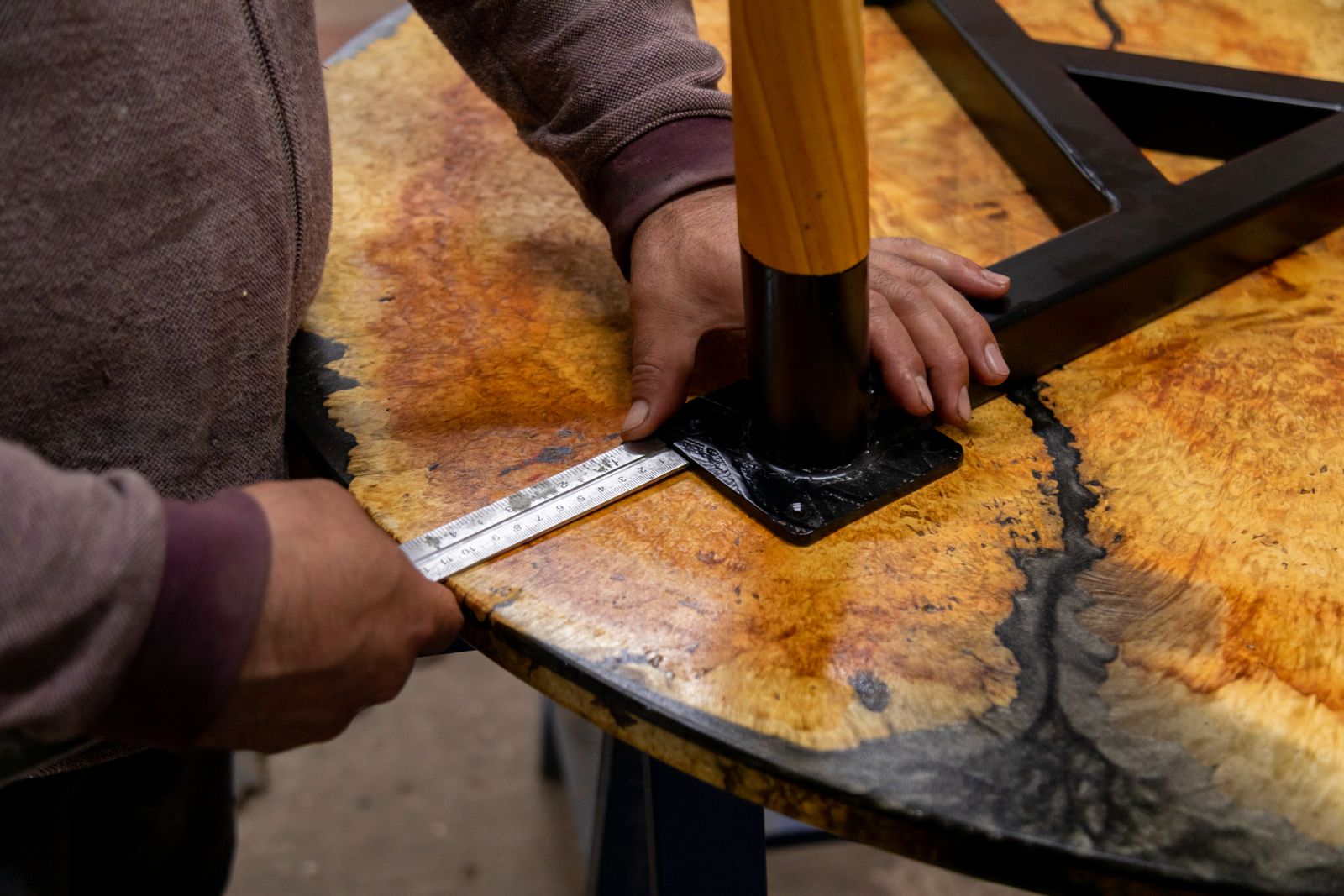
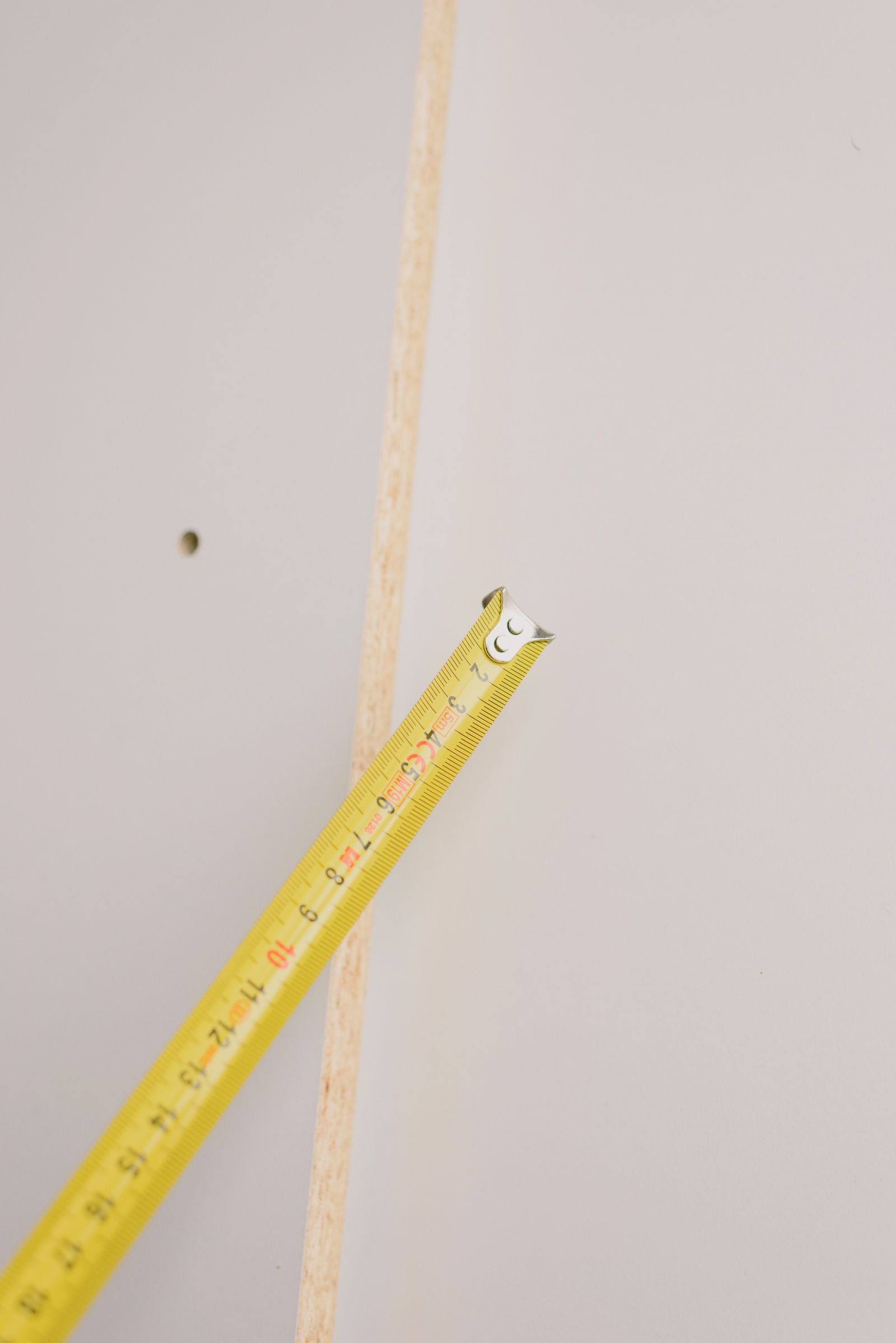
Use a suitable measuring tool and repeat important measurements. Record units consistently and avoid rounding a tight opening upward. A useful note is “clear opening with door fully open,” accompanied by a photograph showing where you measured. If you cannot reach or measure a feature safely, mark it unknown and request assessment. Guessing produces a confident-looking sheet with an unreliable number.
Give every corner its own sketch
A long item needs space to change direction. Record the corridor widths on both sides of a turn, the length of the approach, and the length of the exit. Sketch nearby walls and fixed objects. Include the overhead space if the delivery team might need to assess rotating the item. Avoid relying on one doorway measurement to represent an entire corner.
For stairs, record the shape of the run and landing, the narrowest accessible width, and changes in overhead clearance. Include rails and other fixed projections in your notes. Photographs taken from both directions can help an experienced team understand the geometry. Stair handling involves more than geometry, so leave moving technique and staffing to qualified people rather than turning the survey into a do-it-yourself lifting plan.
Diagonal dimensions can be relevant, but a diagonal calculated from a simple rectangle does not describe all the motion needed to move a bulky item through it. The furniture has depth, projecting parts, and a turning sequence. Treat a mathematical estimate as a question for the seller or delivery team, not as a pass/fail certificate. Ask them to assess the complete route and exact item together.

Check the lift and the building’s practical limits
For a lift, record the usable door opening and internal cabin dimensions. Note rails, protective padding, or fixtures that reduce usable space. Obtain the building’s delivery procedure, permitted load information, and any restrictions from management. Do not infer acceptable load or handling from the size of the cabin. The route needs to comply with the building’s rules even when a carton appears to fit.
Ask whether a service lift must be reserved and whether the booked delivery window matches its availability. Confirm who will meet the team and how they will contact you if the entrance is locked. A correct dimensional survey cannot compensate for an unavailable lift. Keeping access arrangements beside the measurements makes the sheet useful on the delivery day.
If the lift route is uncertain, ask for an assessment of the permitted alternative before ordering. Stair access might change the delivery cost or exclude the item from the seller’s service. Request the seller’s policy for unsuccessful delivery, cancellations, returns, and extra handling. Read those terms for the selected item and address; do not assume the policy for a smaller parcel applies.

Coordinate the preparation with your first packing decisions. Keep essential move-day items reachable while moving boxes out of the delivery route.
Finish the route at the position where the furniture will stay
For the part of the survey just inside the front door, explore our Entryway guides. Keep the everyday arrival area usable after the delivery has finished, not only while the room is empty for measuring.
Measure the room doorway, the turn inside it, and the final location. Mark the furniture footprint with a removable method appropriate to the floor. Include normal use: opening drawers, reclining a seat, pulling out a chair, or accessing nearby storage. Furniture that arrives successfully can still make the room difficult to use. Delivery fit and everyday fit are separate checks on the same sheet.
For an entryway bench or cabinet, open the front door and existing cupboard doors during the trial. Include the place where someone stands to remove shoes or receive a parcel. A slim cabinet may still project into that working area when its doors open. For a bedroom piece, consider the route around the bed and access to windows or wardrobes, rather than only the empty wall.
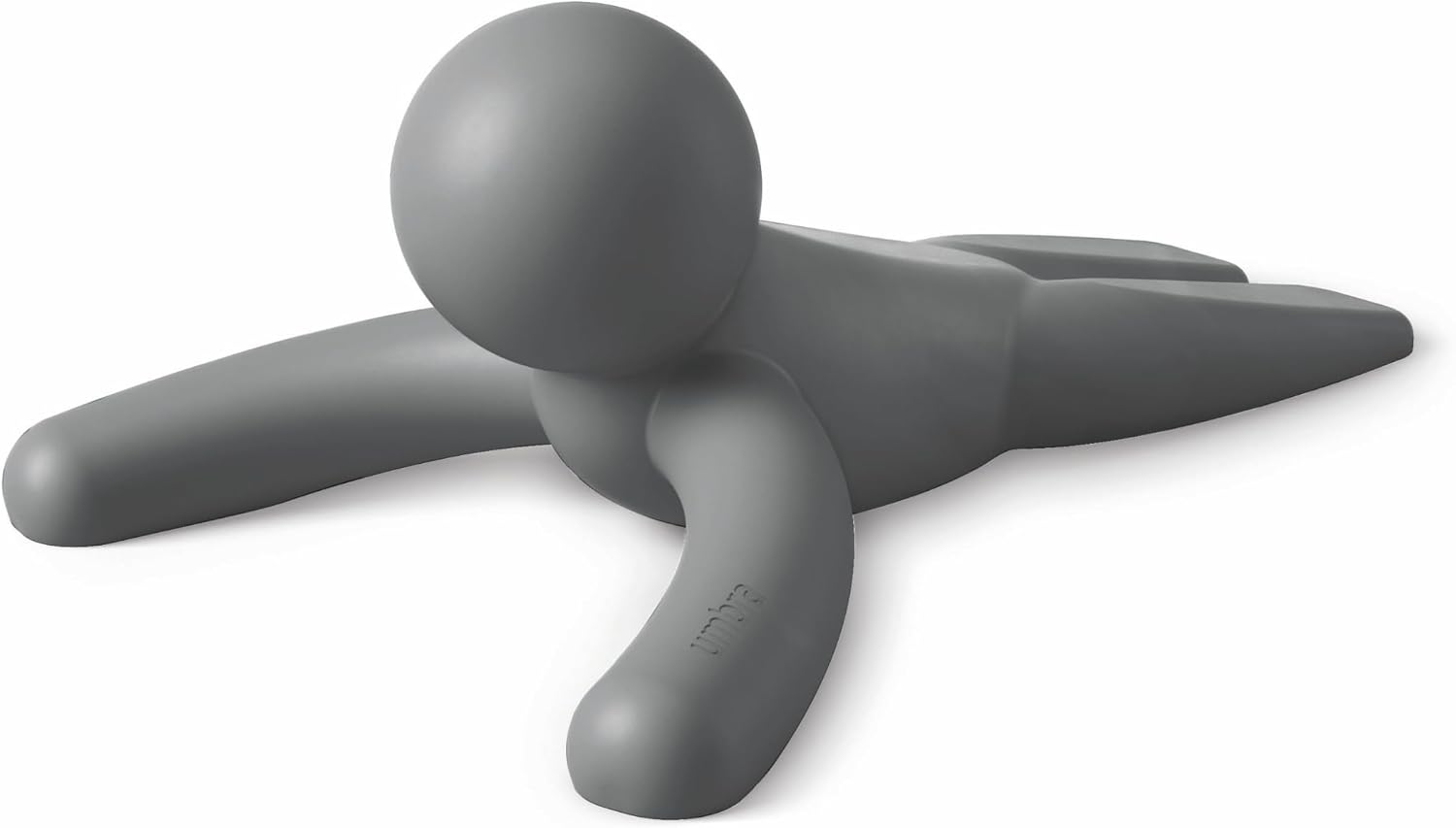
List movable objects that need a temporary destination on delivery day. Put that destination outside the route. A pile of boxes just beyond the apartment door may recreate the obstruction you carefully measured around. Arrange preparation before the team arrives, leaving any heavy furniture relocation or dismantling to people suited to that task. If you are working on the same space, Umbra Buddy Door Stop Review: Check the Gap Before Buying the Character covers the next decision in more detail.

For items that fold or disassemble for storage, include the whole setup cycle. Our guide to storing folding tables and extra chairs illustrates why an empty storage footprint does not describe every movement needed.
Send a concise survey and ask for a specific assessment
A useful survey contains the exact item, packaged and assembled dimensions supplied by the seller, a numbered route sketch, measurements with units, photographs of each restriction, and any unknowns. Finish with a precise question: “Can your delivery service bring this model through this route, and what preparation is required?” Include the delivery address through the seller’s appropriate channel, not in a publicly shared document.
Save the response alongside the order. If the team requests a site visit or additional measurement, resolve that before committing where possible. A statement that an item “should fit” based on incomplete information deserves a follow-up about the missing turn, opening, or carton. Keep the uncertainty visible instead of quietly replacing an unknown with a favorable assumption.
This survey also helps when moving furniture you already own. Update the route for the destination and share it with the mover before the quotation is finalized. See our Small Space Living guides for planning what earns room in the new home. A route survey is most useful when it helps you change the decision early: choosing a smaller configuration, a model delivered in components, or a different delivery arrangement.