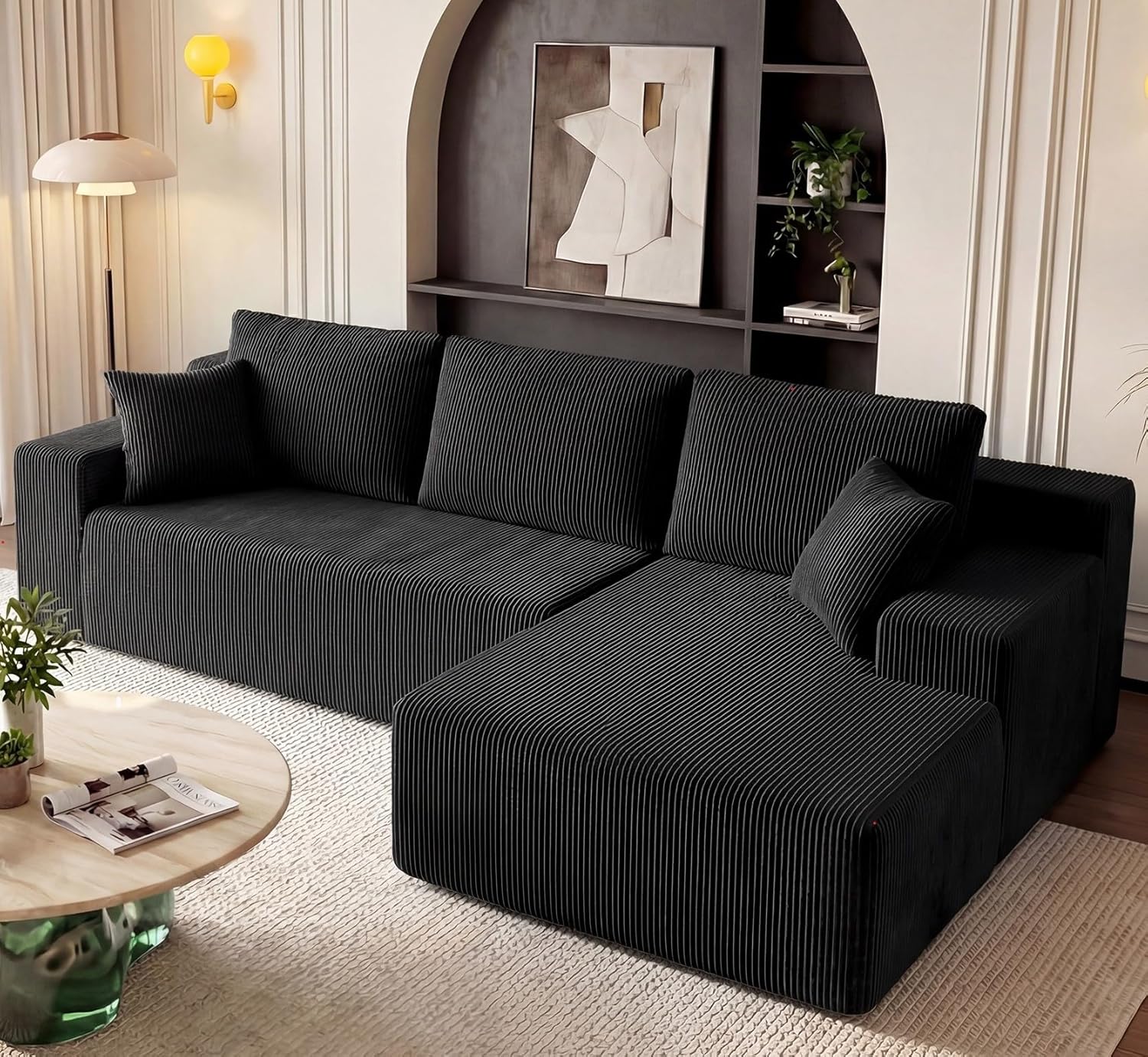
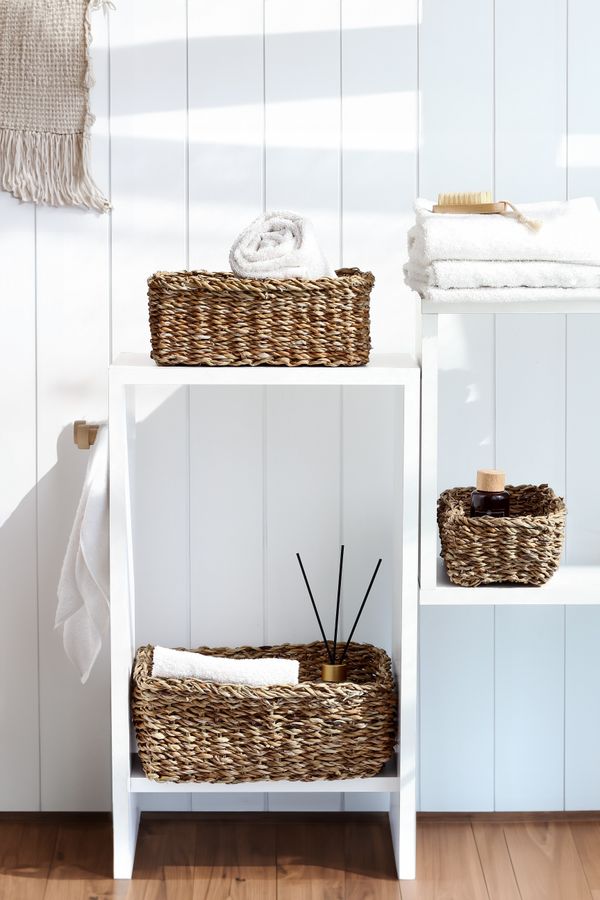
A small living room can feel crowded even when the furniture technically fits.
The problem is often not square footage. It is blocked sightlines, too many small objects, furniture sitting in the wrong places, and floor space that has been broken into tiny unusable pieces. You may also find A Simple Seasonal Declutter Before Bringing Holiday Decor Into a Small Home useful for a closely related small-home problem.
Before buying anything new, try changing the room’s visual and physical flow.
Find the main walking path first
Stand at the room entrance and notice the route people actually take to the sofa, kitchen, hallway, balcony, or stairs.
If the path zigzags around a coffee table, toy bin, floor lamp, or chair, the room will feel smaller than it is.
Move furniture enough to create one obvious route.
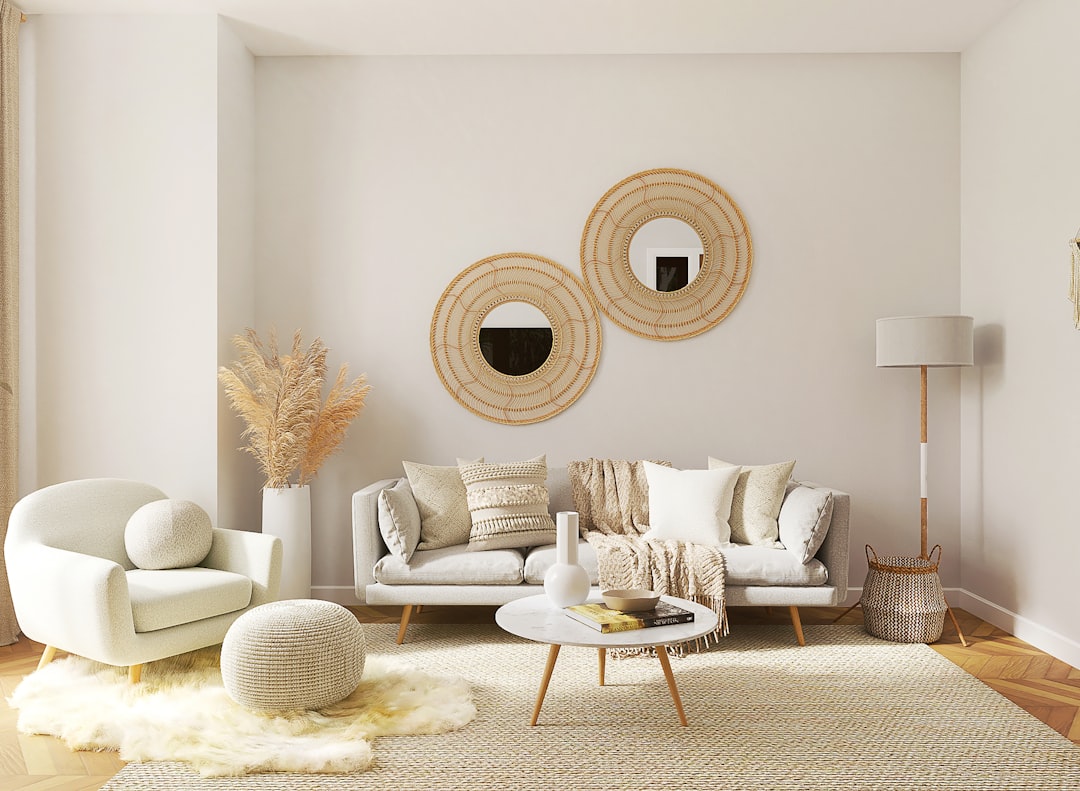
Pull furniture into fewer, clearer groups
Scattered small pieces make the room feel fragmented. A sofa, chair, side table, and lamp can often feel calmer when they read as one seating group instead of four separate objects. For a related step-by-step approach, see How to Make a Small Dining Area Work for Meals, Homework, and Crafts.
Group function together and leave more uninterrupted floor around it.
Remove one piece before adding anything
If the room feels tight, test the layout without the least useful piece: an extra side table, decorative stool, spare chair, bulky basket, or unused media furniture.
Live with the change for several days before deciding whether the item deserves to return.
Keep the largest surface visually quiet
In many living rooms, the coffee table, media console, or sofa is the visual center. If that surface carries several unrelated categories, the room feels busier.
Keep only the objects that support how the room is used every day.
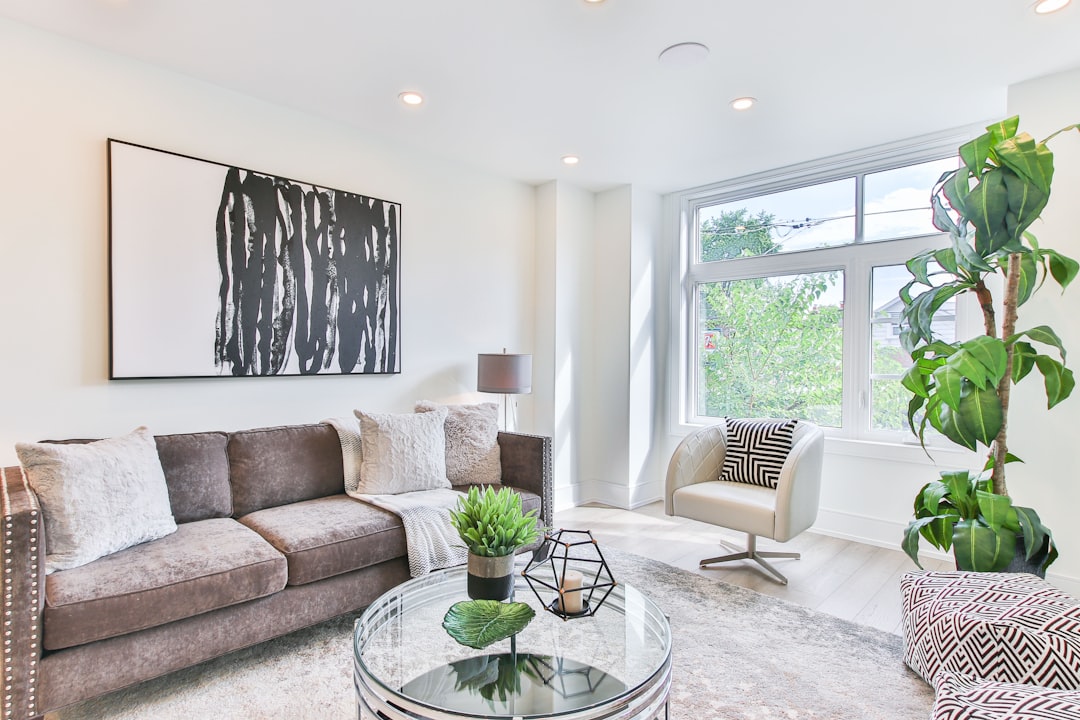
Reduce floor storage
Baskets can be useful, but several baskets around the perimeter still occupy floor area. Consolidate blankets, toys, and magazines into fewer storage points. For a related step-by-step approach, see How to Keep Area Rugs Clean in a Small Family Home With Kids.
For soft goods, see How to Store Blankets and Extra Pillows in a Small Living Room Without Making It Look Full.
Use height strategically
If the room has useful wall space, moving one category upward can free the floor. But filling every wall with shelves can make a small room feel visually crowded.
Use vertical storage where it solves a specific problem, not as a reflex.
Let some furniture show floor beneath it
Furniture with visible space underneath can create a lighter visual effect, but there is no need to replace what you own just for this reason.
Instead, make sure floor space around and under existing pieces is not stuffed with loose storage.
Use the rug to unify, not divide
If you have an area rug, place it so it helps define the seating zone rather than creating a tiny island in the middle of the room. Use a layout appropriate to the rug size and furniture arrangement. For the broader setup, How to Use Under-Bed Storage Without Creating a Hidden Clutter Zone is a useful next read.
Keep window access clear
Heavy furniture or stacked storage in front of windows can make the room feel boxed in. Preserve daylight and visual access where practical.
Reduce the number of competing focal points
A TV wall, gallery wall, crowded bookshelf, toy corner, and decorative display can all compete for attention. Choose one or two strong visual areas and let the others stay simpler.
Try the “one-step-back” test
Stand just outside the room and look in. What do you notice first?
- a blocked floor path,
- a pile beside the sofa,
- too many objects on the coffee table,
- a chair nobody uses,
- several small storage containers.
Fix the first thing that visually interrupts the room.
A 20-minute no-buy living-room reset
- clear the floor path,
- remove one low-use furniture piece temporarily,
- clear the main surface,
- consolidate floor baskets,
- reset blankets and pillows,
- move toys to their assigned zone,
- step back and reassess the layout.
For homes with kids
Protect open floor space rather than filling it with permanent play furniture. Use flexible toy storage close to the play area, then return the floor to shared use afterward.
See How to Arrange Furniture in a Small Living Room With Kids.
Frequently asked questions
Should I push all furniture against the walls?
Not automatically. The best arrangement is the one that improves circulation and creates a clear seating zone for your specific room.
Do mirrors make a room feel bigger?
They can change light and sightlines, but layout, clutter, and circulation usually have a bigger effect on daily function.
What should I remove first?
Test the least-used furniture piece or the largest source of floor clutter first.
Make the room easier to read
A living room feels larger when the eye can see clear paths, grouped functions, calmer surfaces, and some open floor. Rearrangement and subtraction often create more space than another storage product.