A small living room with kids has to do more than look balanced. It has to support sitting, playing, walking, reading, watching TV, snack cleanup, toy storage, and sometimes homework—all without turning the room into an obstacle course. If you are working on the same space, How to Organize Toys in a Small Living Room Without Making It Look Like a Playroom covers the next decision in more detail.
The best layout starts with movement and safety, not with squeezing in the maximum number of seats.
Start with the walking path
Mark the route from the doorway to the sofa, windows, balcony, hallway, and any frequently used storage. Keep that route as direct as possible. You may also find GRUSIGN vs Korser vs CUBENTE comparison for small homes useful for a closely related small-home problem.
If people must step around a coffee table or squeeze between furniture every time they cross the room, the layout is working against daily life.
Choose one anchor piece
In most small living rooms, the sofa is the anchor. Place it first, then decide what the room still needs.
A common mistake is placing the sofa, media unit, two chairs, coffee table, toy shelf, side tables, and floor lamp before checking whether the room still has open floor space. If you are working on the same space, How to Make One Small Room Work for Two or Three Purposes covers the next decision in more detail.
Protect one flexible floor zone
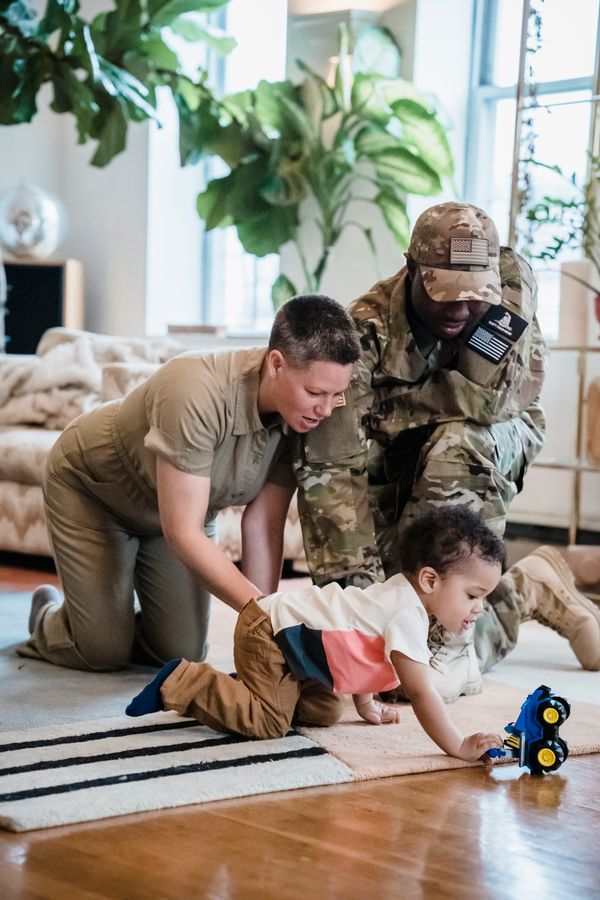
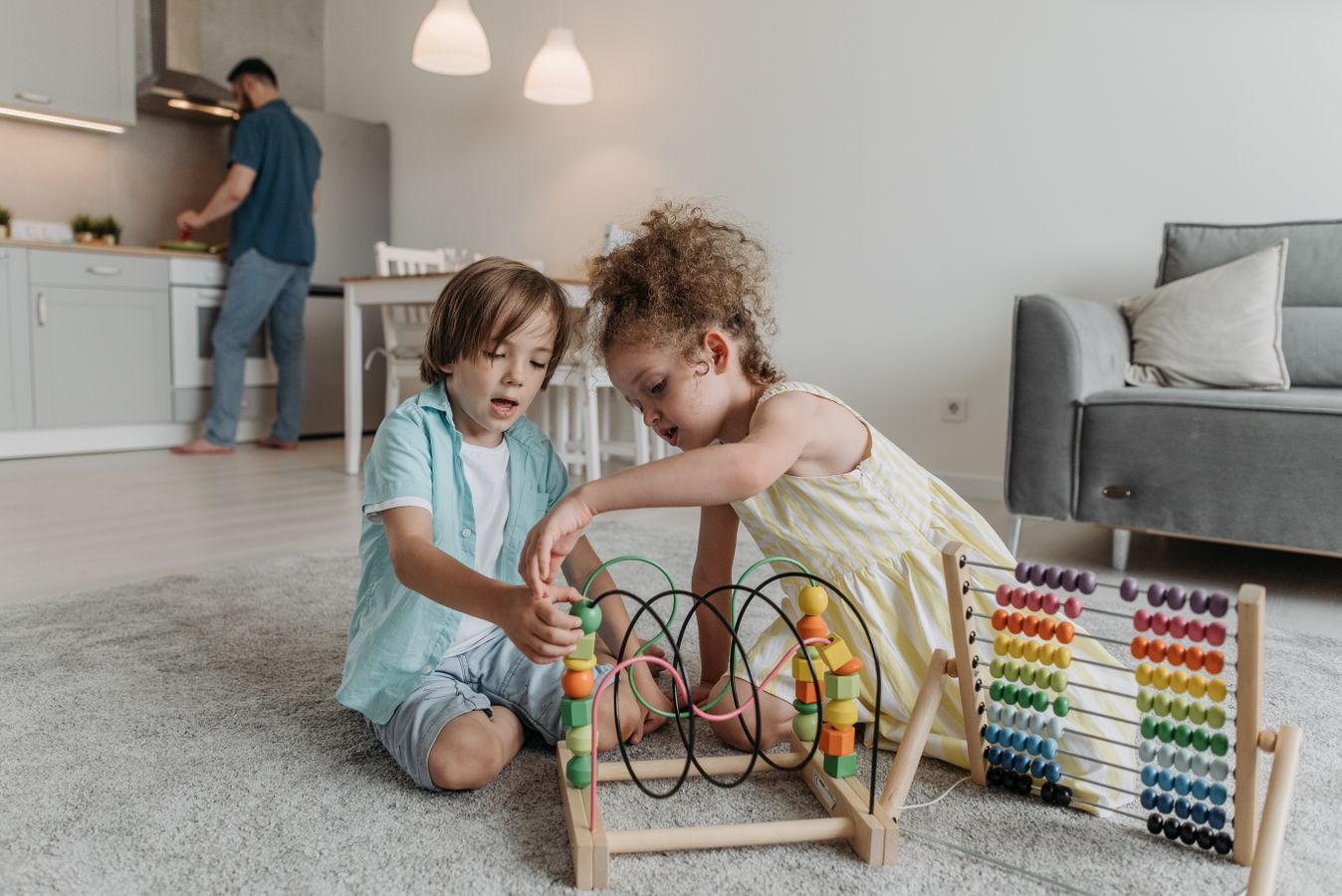
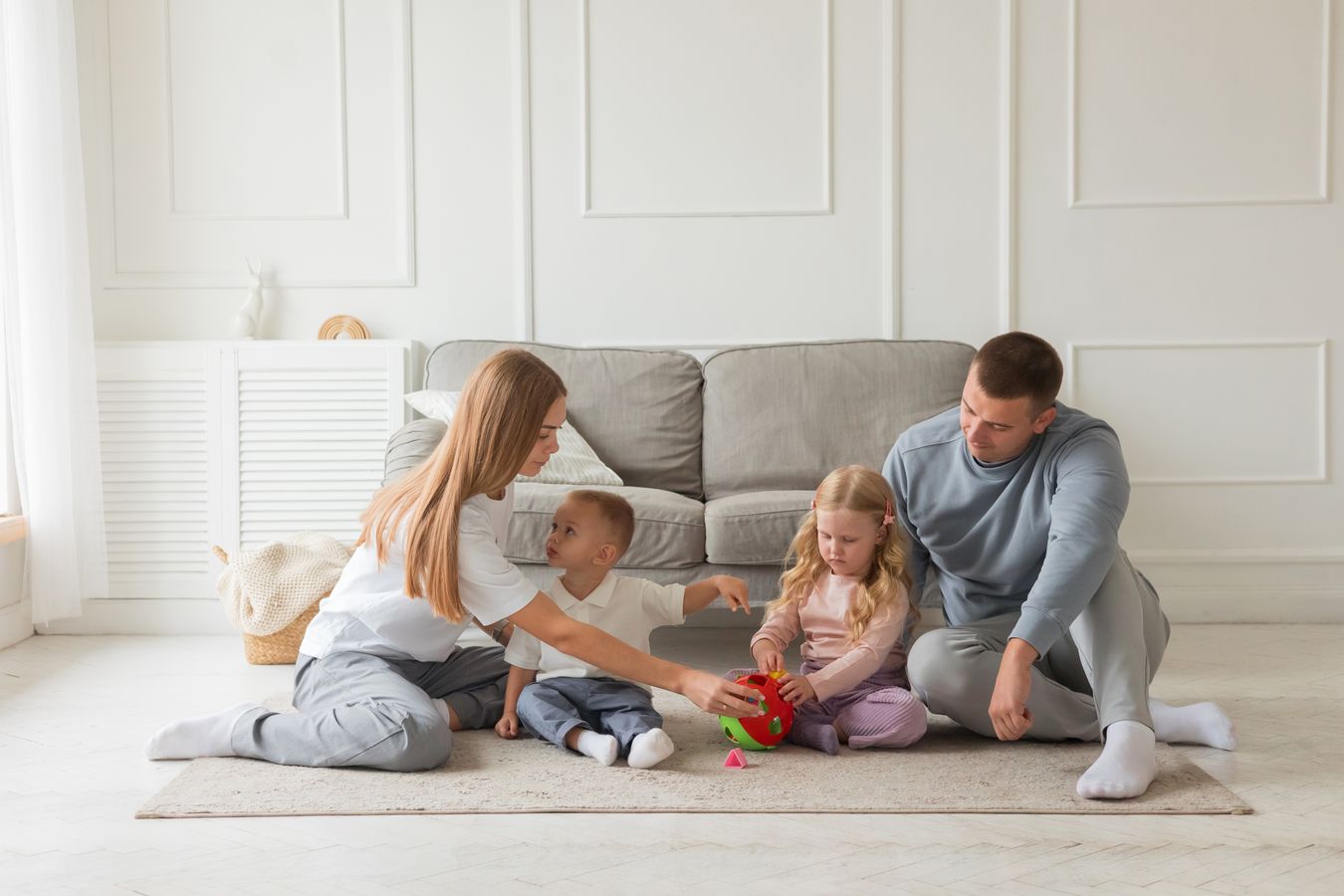
Children need floor space more than they need another small piece of furniture.
Keep one area that can support blocks, puzzles, stretching, or family games. The zone does not need to be permanently empty; it needs to be easy to clear. You may also find A Toy Rotation System for Small Homes That Parents Can Actually Maintain useful for a closely related small-home problem.
Keep tall storage out of climbing temptation zones
Where children live or visit, furniture placement should consider tip-over risk. The U.S. Consumer Product Safety Commission recommends anchoring furniture and TVs according to manufacturer instructions and keeping tempting objects off higher surfaces that may encourage climbing.
Do not treat a tall bookcase as a toy display if children have to climb to reach favorite items.
Use low storage for kid-accessible categories
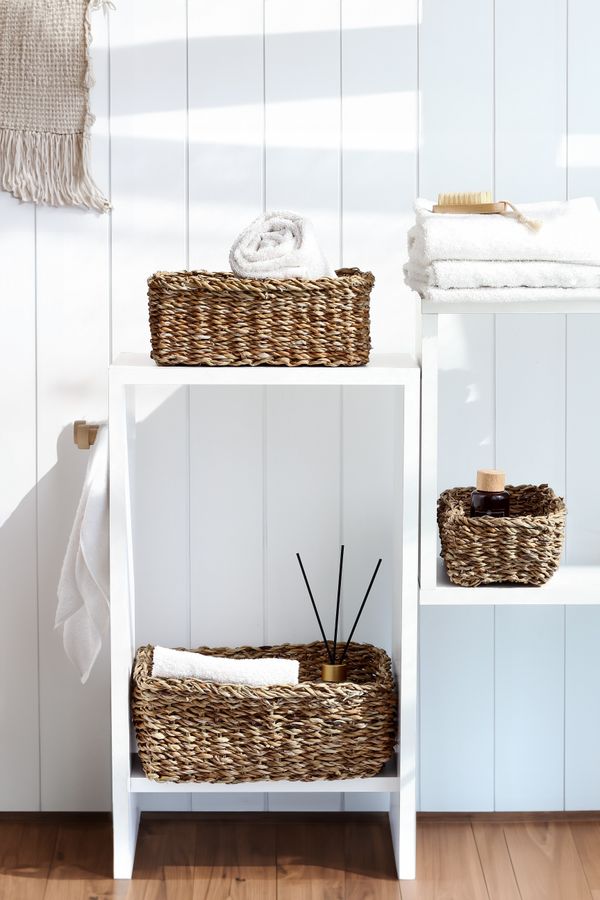
Low bins, a bench, or a short cabinet can keep current toys reachable while preserving adult storage higher up.
Broad toy categories are easier to reset than many small bins.
Choose a coffee-table strategy
You have three good options:
- small/lightweight table: easy to move for play,
- storage ottoman: soft-edged surface plus hidden storage,
- no central table: use side tables if floor play matters more.
Do not keep a large table simply because a living room is “supposed” to have one.
Keep sightlines open
Adults should be able to see the main play area from normal seating when practical. Avoid placing tall furniture where it blocks the room into blind corners.
Put toy storage near play, not across the house
If cleanup requires carrying every toy to another room, the living room will stay messy longer.
Keep one contained current-toy zone in the room and rotate excess toys elsewhere.
Use the perimeter for permanent furniture
In compact rooms, large permanent pieces usually work best around the edges, leaving the center more adaptable.
This does not mean every wall needs furniture. Leave visual gaps so the room does not feel lined with storage.
Create a reading corner without adding a full chair
A floor cushion, end of the sofa, or small pouf near a book basket may be enough. Add a separate chair only if someone will actually use it often.
TV placement: do not let the screen dictate everything
The TV matters, but it should not force the sofa into the only useful play zone. Consider whether the screen can sit on a smaller media unit, be mounted using appropriate hardware, or shift to a different wall.
If a TV or furniture can tip, follow manufacturer instructions and CPSC anchoring guidance.
Use the “two-minute toy reset” test
At the end of play, can the visible toys return to storage in about two minutes?
If not, either too many toys are active or the storage is too complicated.
Layout option 1: sofa on the longest wall
Best when the room is narrow. Put the sofa on the longest uninterrupted wall, keep toy storage on a short wall, and preserve the center for play.
Layout option 2: floating sofa to create zones
In an open-plan space, a sofa can divide living from dining or play. Leave enough circulation behind it so the boundary does not become a bottleneck.
Layout option 3: corner seating + open center
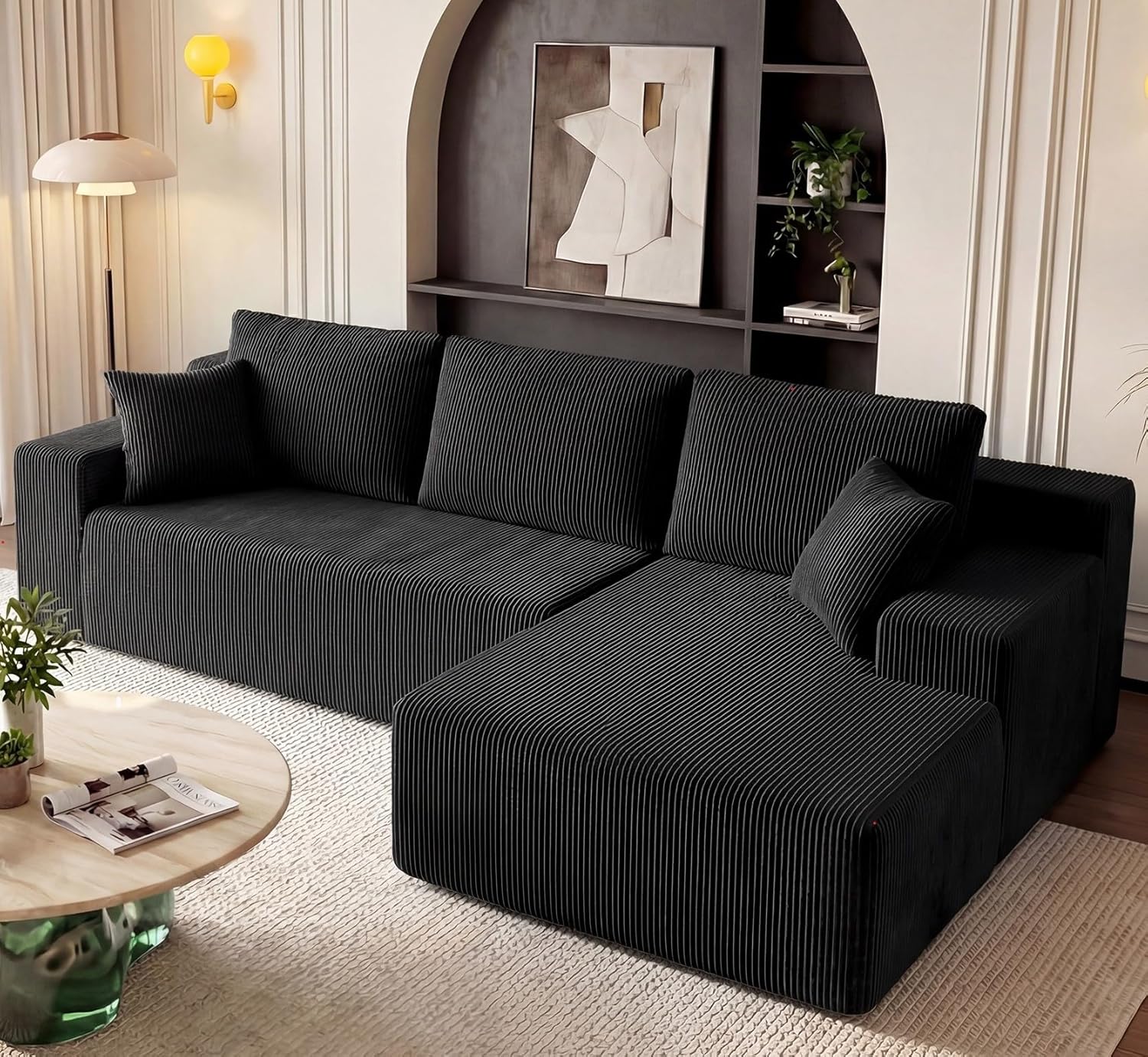
A compact sectional can work if its dimensions match the room and it replaces multiple chairs. The goal is not “sectionals save space”; the goal is fewer separate furniture footprints.
What to remove before buying smaller furniture
- extra side tables,
- unused accent chairs,
- large toy furniture nobody uses,
- oversized decor on floor surfaces,
- storage pieces holding low-value clutter.
Removing one unnecessary piece may solve the layout without buying anything.
A family-living-room checklist
- ☐ clear walking path,
- ☐ one flexible floor zone,
- ☐ main seating comfortable for adults,
- ☐ current toys easy for kids to reset,
- ☐ tall/heavy furniture secured appropriately,
- ☐ no storage blocks doors or vents,
- ☐ the room can reset quickly.
Frequently asked questions
Should a small living room have a coffee table?
Only if it earns the floor space. Families who use the center for play may prefer a small movable table, ottoman, or side tables.
Is a sectional good for a small room?
It can be if it replaces several separate seats and fits the room without blocking circulation. Measure before buying.
Where should toys go?
Keep a limited amount near the play area. Store overflow or rotated toys elsewhere.
Arrange the room for the way your family moves
A small family living room succeeds when adults can sit comfortably, children can play, and everyone can cross the room without moving furniture first.
Protect the walking path, keep one flexible floor zone, use low simple storage, and let every permanent furniture piece justify the space it occupies.
Sources
- Anchor It! — U.S. Consumer Product Safety Commission — https://www.cpsc.gov/Safety-Education/Safety-Education-Centers/AnchorItgov