Renters often have two competing goals: create enough storage to make a small apartment work, and avoid permanent changes that could violate the lease or damage walls. If you are working on the same space, Where to Store Important Documents in a Small Apartment covers the next decision in more detail.
The answer is not covering every wall in adhesive hooks. A better no-drill storage plan starts with freestanding and furniture-based solutions, then uses removable systems only where they are appropriate for the surface and load. For a related step-by-step approach, see How to Organize Important Family Papers in a Small Home.
Start with the safest hierarchy
- Freestanding storage
- Furniture-integrated storage
- Over-door or tension-mounted solutions
- Removable adhesive products used within manufacturer instructions
Always check your lease, wall material, door clearance, and product instructions before installation.
1. Slim freestanding shelves
A narrow shelf can add vertical storage without attaching to the wall. Use it in an entryway, kitchen edge, bathroom, or beside a desk.
Keep heavier items lower. Where children are present, consider tip-over safety and manufacturer guidance for securing furniture.
2. Over-door organizers
These work well for lightweight categories such as scarves, cleaning cloths, accessories, pantry packets, or bathroom supplies. If you are working on the same space, How to Make One Small Room Work for Two or Three Purposes covers the next decision in more detail.
Check that the hardware does not prevent the door from closing correctly.
3. Tension rods for lightweight zones
Tension rods can create temporary hanging space in closets, under sinks, or inside certain recesses when the product is designed for that span and load. For the broader setup, Small Apartment Paper Organization: A Simple System That Stays Tidy is a useful next read.
Do not overload them or use them where falling items could create a hazard.
4. Rolling carts
A narrow cart can act as mobile pantry storage, art storage, bathroom overflow, or work supplies.
The biggest benefit is not the wheels—it is the ability to move the storage out of the way when another function needs the space.
5. Under-bed storage
Use it for seasonal clothing, spare bedding, luggage accessories, or infrequently used gear.
Avoid putting daily essentials there if pulling containers out becomes annoying enough that items stay on the floor instead.
6. Storage ottomans and benches
They are useful when they replace both seating and a separate storage basket.
Choose the item for the room first; treat hidden storage as the bonus.
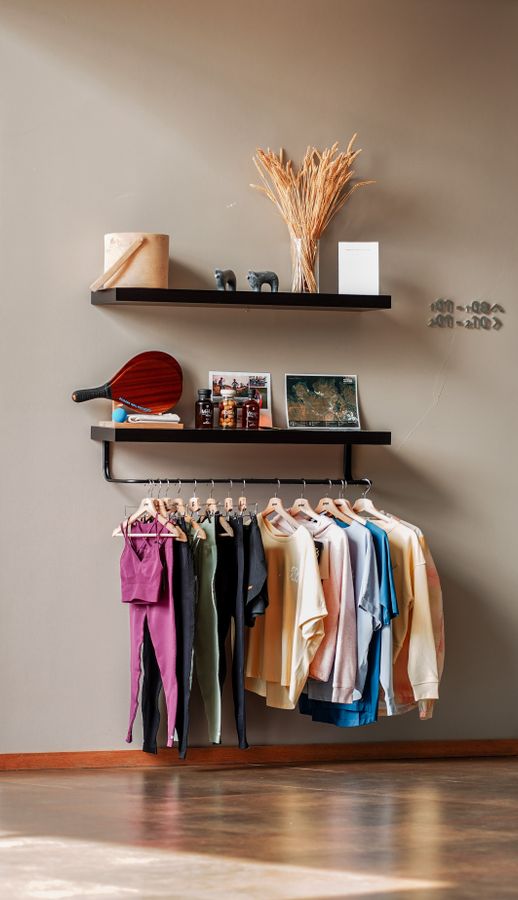
7. Leaning ladders and freestanding rails
A towel ladder, garment rail, or leaning shelf can add vertical function without drilling, provided it is stable and appropriate for the household.
In homes with young children, prioritize stability and avoid creating climbable setups.
8. Magnetic storage where a suitable metal surface already exists
Magnetic hooks or containers can work on compatible refrigerators or metal surfaces without wall changes.
Use lightweight items and check the product’s rated use.
9. Cabinet shelf risers
Not every storage problem needs the wall. Risers can double usable vertical space inside cabinets without modifying the apartment.
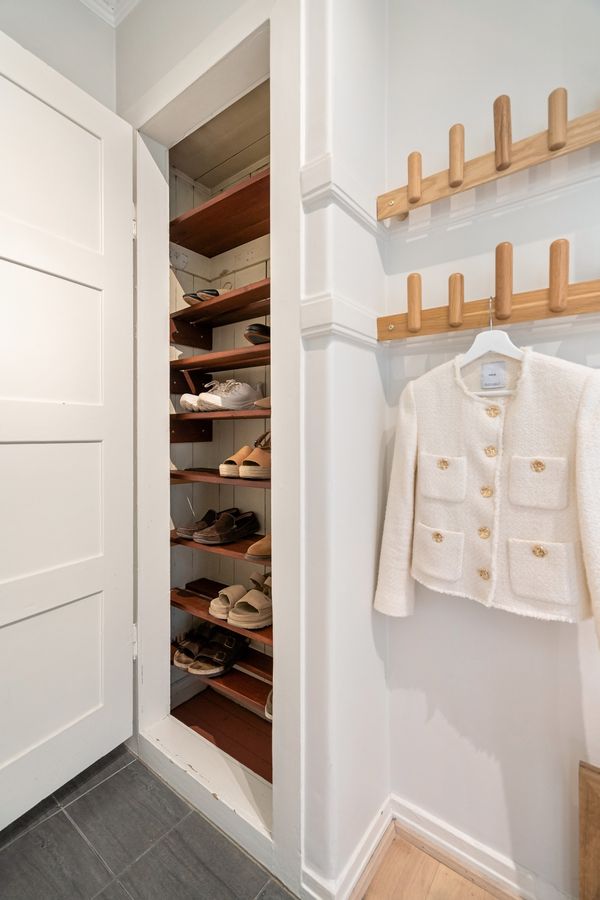
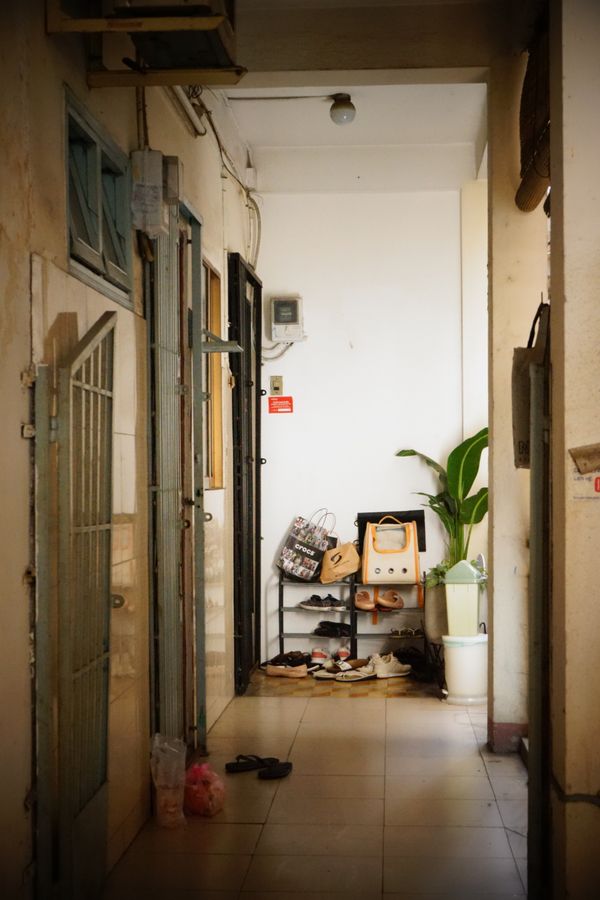
10. Freestanding shoe storage
A narrow shoe rack or bench can turn an entryway floor pile into a defined footprint.
Keep only current-season footwear in the prime zone.
11. Removable adhesive hooks—use selectively
Adhesive products vary by wall finish, humidity, load, and removal method. Follow the manufacturer’s surface preparation, weight, and removal instructions.
Test in an inconspicuous area if appropriate and permitted by your lease.
12. Use empty luggage as storage
Suitcases consume space whether empty or full. Store travel accessories, off-season clothing, or other low-frequency soft goods inside them.
Do not use luggage for items you will forget or need weekly.
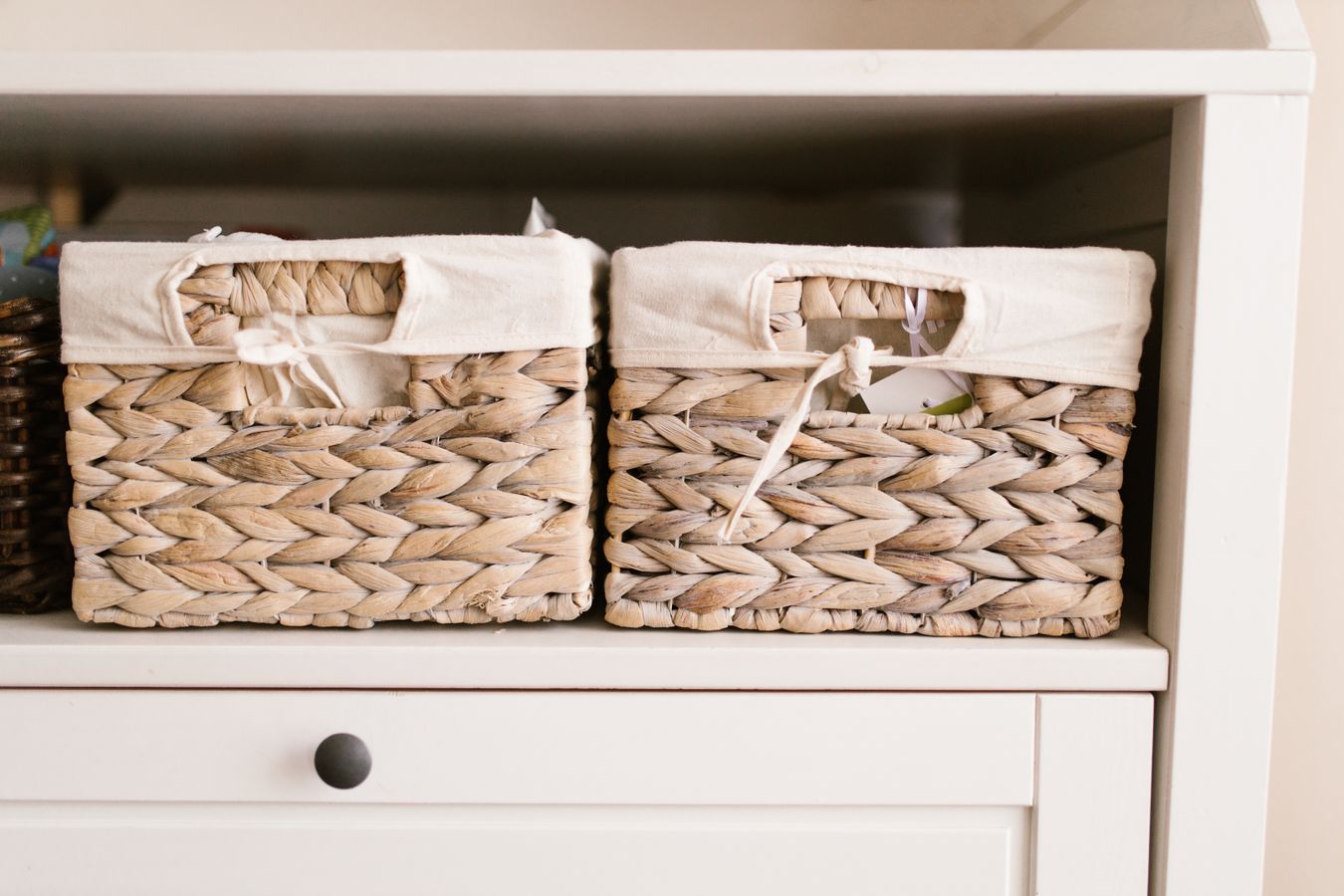
13. Shelf-top baskets
The top of a freestanding bookcase or wardrobe can hold lightweight labeled baskets if they remain stable and accessible.
Use these for seasonal or occasional categories, not daily clutter.
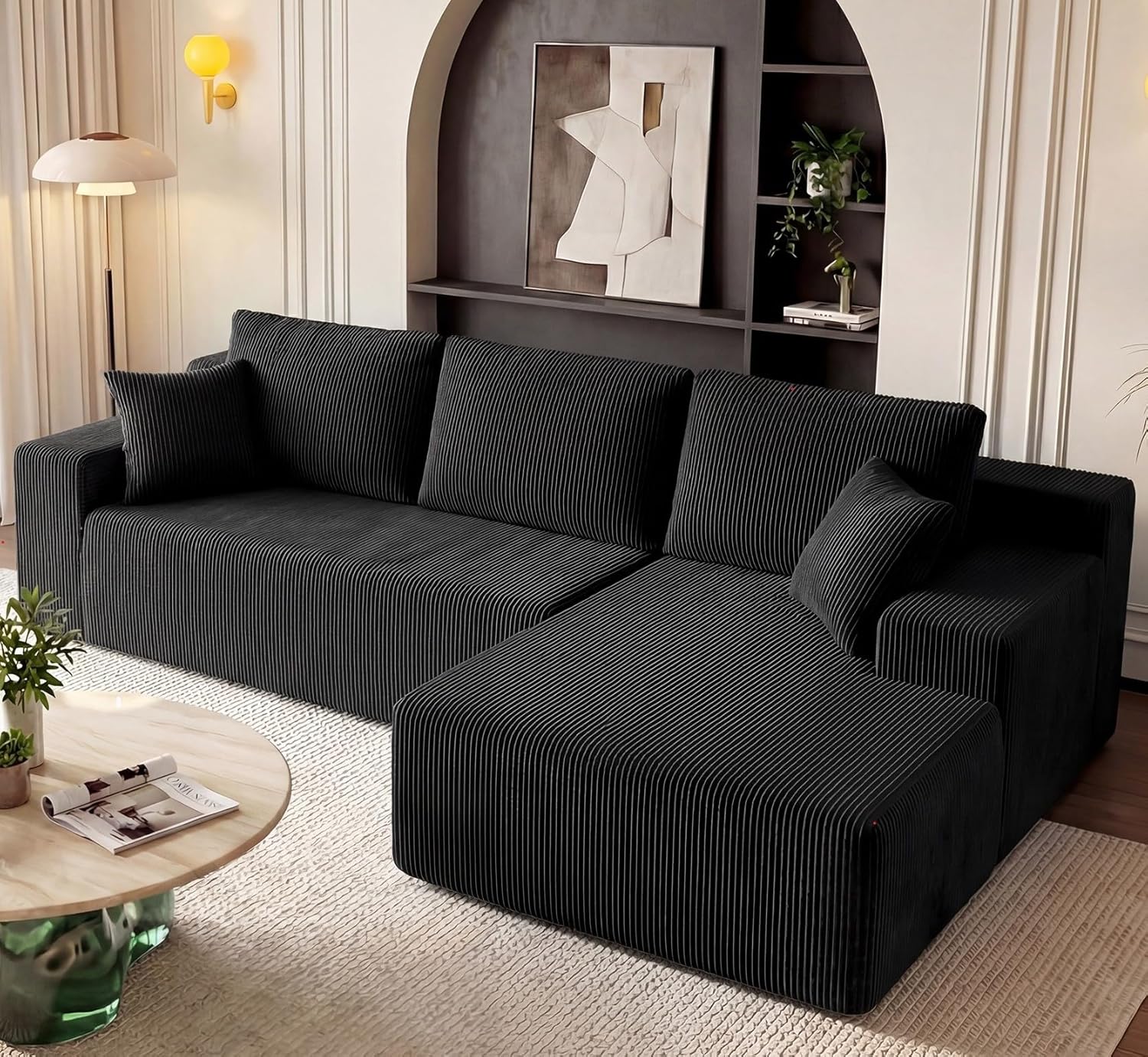
14. Back-of-sofa or console storage
A narrow console behind a sofa can add landing space or closed storage in an open-plan apartment—if it does not shrink the main walkway.
15. Stackable bins inside existing closets
Use the closet’s vertical space without attaching anything to the wall. Keep labels broad and containers light enough to remove comfortably.
What not to do
- Do not assume “removable” means damage-free on every wall.
- Do not overload doors or tension products.
- Do not block exits, vents, electrical panels, or required access.
- Do not place heavy items high simply to free floor space.
- Do not buy organizers before measuring the exact opening.
Room-by-room renter storage
Kitchen
Rolling cart, shelf risers, magnetic lightweight storage, under-sink bins.
Bathroom
Over-door organizer, freestanding narrow shelf, shower caddy designed for the space.
Bedroom
Under-bed containers, garment rail, storage bench, closet stackers.
Living room
Storage ottoman, narrow console, baskets within existing furniture.
Entryway
Freestanding hooks/coat stand, shoe rack, small landing table.
A no-drill storage audit
Before buying anything, find unused capacity in this order:
- inside existing furniture,
- under furniture,
- inside closets/cabinets,
- behind doors,
- free vertical floor area,
- removable wall solutions last.
Frequently asked questions
Are adhesive hooks always renter-safe?
No. Suitability depends on the product, wall finish, preparation, weight, removal technique, and lease rules. Follow manufacturer instructions and your rental agreement.
What is the best renter storage for heavy items?
Freestanding low storage is usually more appropriate than adhesive solutions. Keep heavy items low and stable.
How do I add storage without making the apartment feel crowded?
Prioritize storage that replaces clutter already occupying the floor and avoid adding freestanding pieces to every empty wall.
Use the apartment you have before modifying the walls
Good renter storage begins with furniture, closets, doors, and underused volume. Add removable wall products selectively, not as the foundation of the system.
The goal is storage that improves the apartment today without creating unnecessary repair work when you move.