Toys & Play Areas
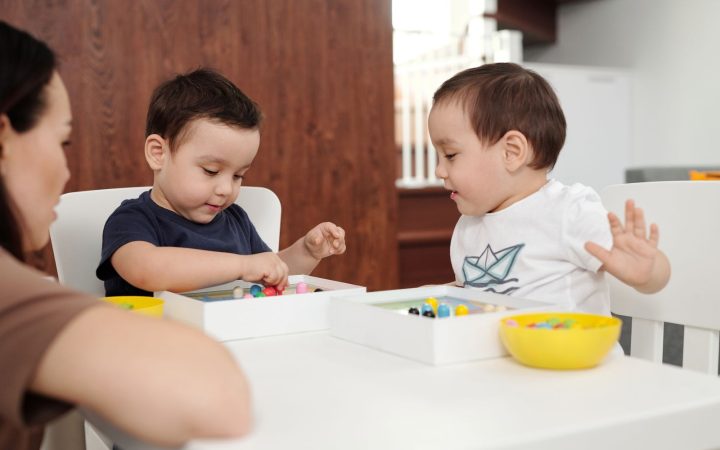
Borrowed Toys Between Families: Agree on the Set, Use, and Return
Agree on toy ownership, suitability, contents, permitted use, and an adult-managed return, with appropriate child participation.

Practical ideas for small family homes
Toy storage, play zones, rotations, and cleanup systems children can actually use.
Start here
Three practical starting points to help you make progress without overhauling the whole house at once.
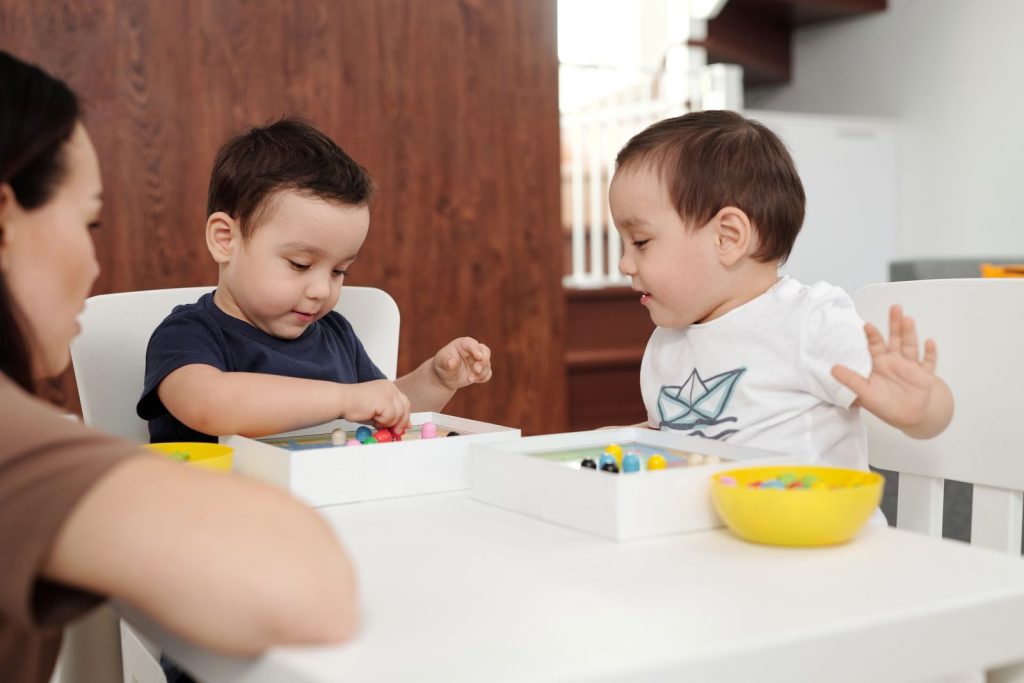
Agree on toy ownership, suitability, contents, permitted use, and an adult-managed return, with appropriate child participation.
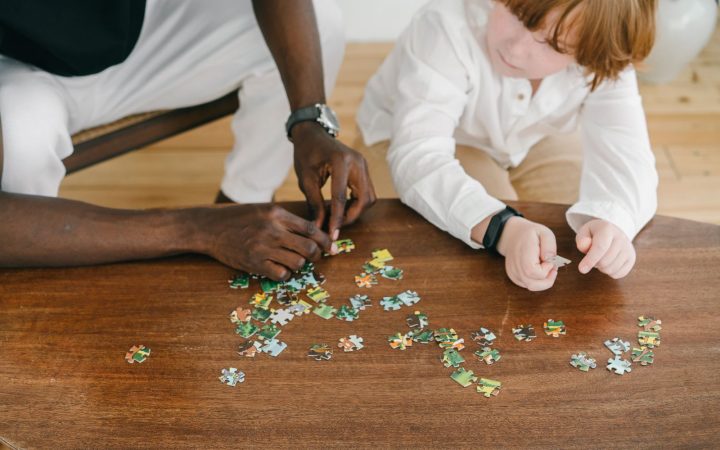
Give an unfinished puzzle a portable work surface, sorted-piece storage, and a dining-table reset that preserves the next session.
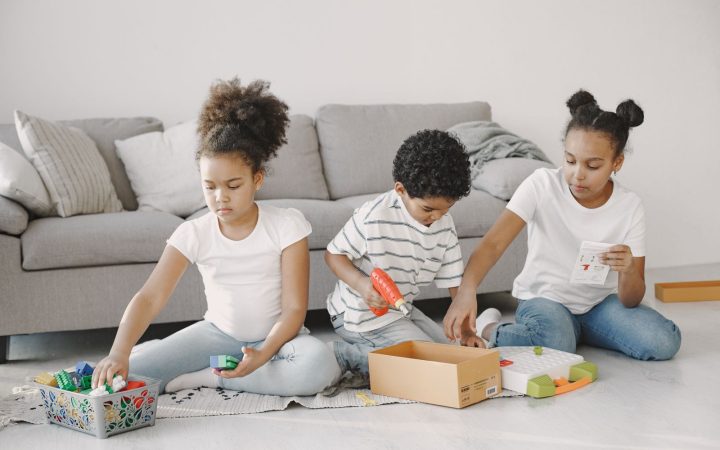
Host a manageable playdate with a belongings spot, contained activities, a snack handoff, and a calm pickup check.
A simple rhythm
The best family systems are easy to see, easy to use, and simple enough for more than one person to maintain.
Notice the gear, task, or transition that causes the same mess or delay each day.
Use clear homes, simple labels, and fewer decisions for busy family moments.
Build a system that adults and kids can both understand and use consistently.
Use a short family reset before clutter and unfinished chores start to pile up.
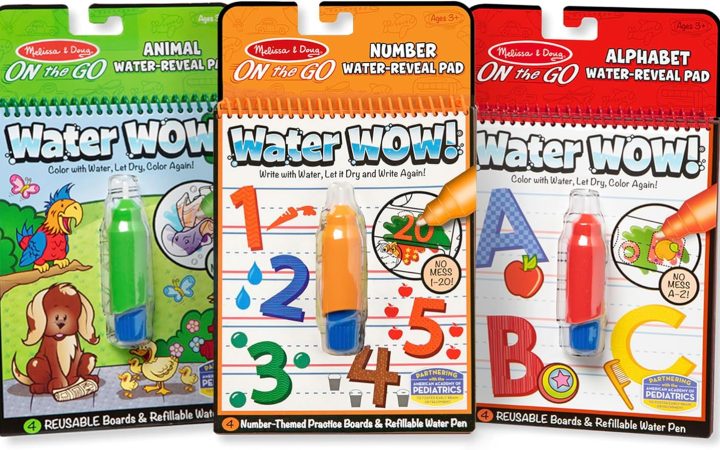
Review the Animals, Alphabet and Numbers Water Wow! set for reusable table activities, refill work, drying time and the limits of water-reveal art.
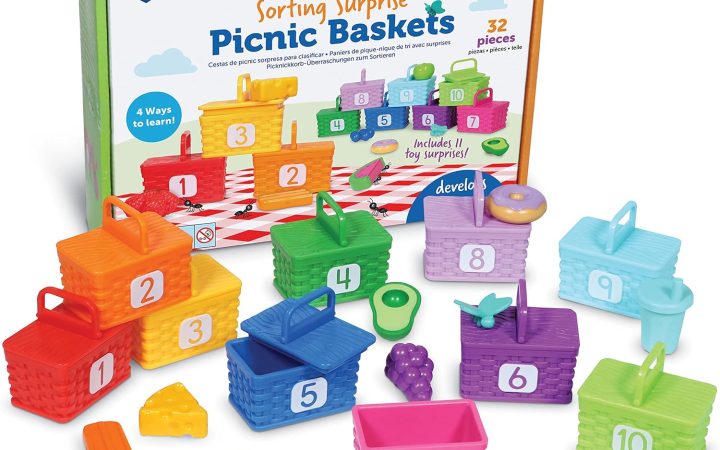
Assess Learning Resources picnic baskets for matching games, adult participation, small-table space and storing the pieces after play.
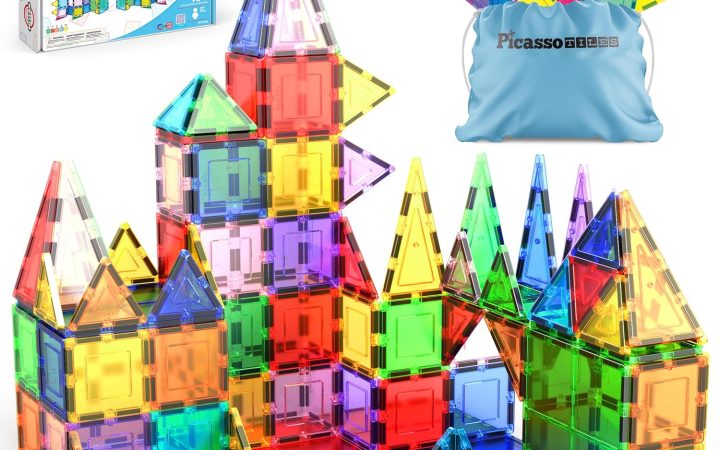
Review the PicassoTiles 100-piece set by play-space needs, useful shape mix, sibling sharing, inspection and a realistic cleanup routine.
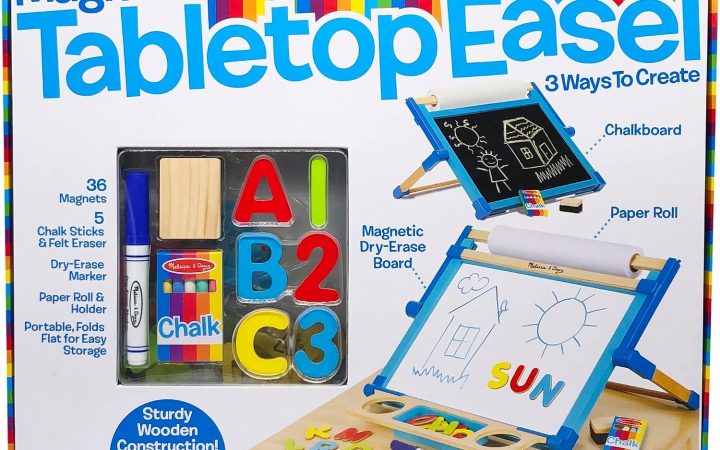
Review the Melissa & Doug tabletop easel by table height, storage, drawing surfaces, paper refills and the cleanup routine it needs.
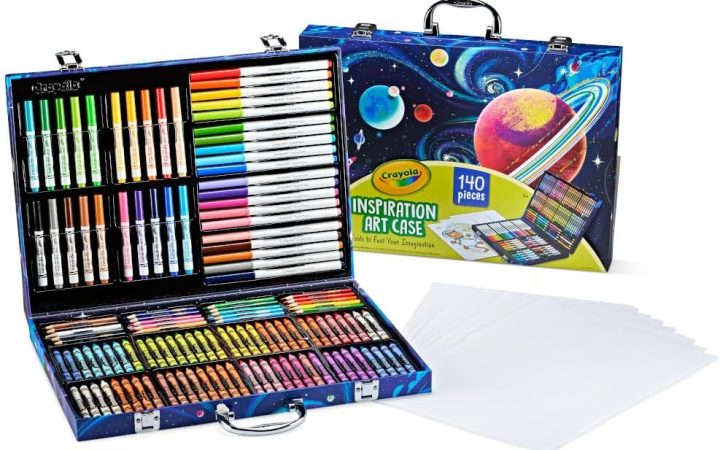
Review the Crayola space-themed art case for shared-table drawing: open-case footprint, supply selection, cleanup and refill practicality.
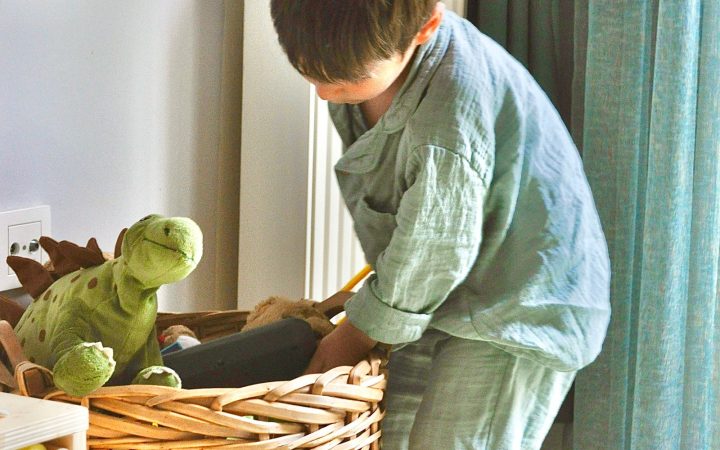
A research-based assessment of practical fit, daily use and alternatives for a small home.

A four-tier front-facing rack can make books easier to choose; the Humble Crew WO321 still needs measured floor space and a safe setup.
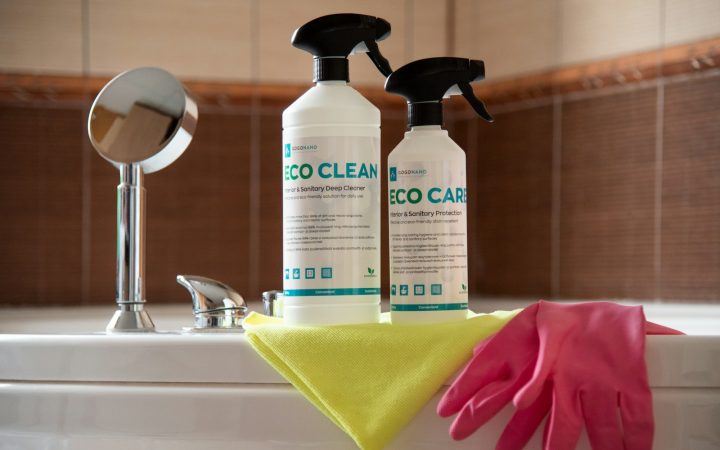
Check the fit, daily routine and limits before adding this product to a small home.
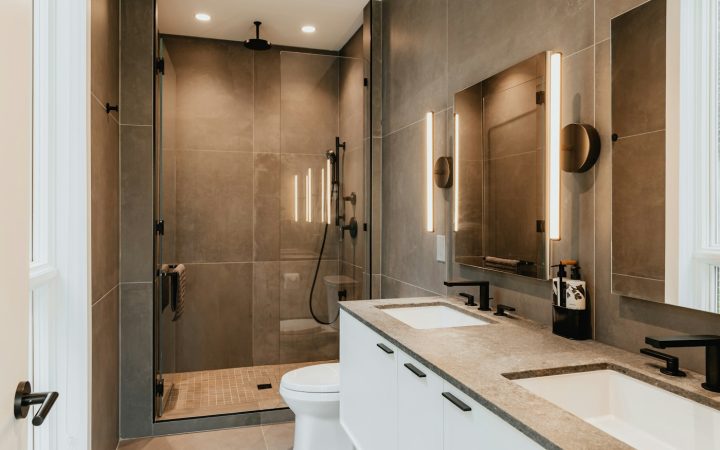
Keep bath toys, kid shampoo, cups, washcloths, and bath-time extras under control with a small active set, a real drying route, and fewer products living on the tub…
A useful note for your week
Simple tips, new articles, and inspiration delivered to your inbox each week.
Practical guidance
Toy organization should support play and make cleanup understandable. A small home may need a play zone to share space with family seating, homework, or meals. These guides explore practical category sizes, accessible storage, and clear boundaries for what stays in the active play area.
Separate toys that mix badly, such as small sets and bulky items, while avoiding so many categories that returning them becomes difficult. Consider age suitability, small parts, storage stability, and supervision when deciding what can be reached independently.