Disclosure: As an Amazon Associate, Small Home Rhythm may earn from qualifying purchases. Price, stock, variant and seller may change.
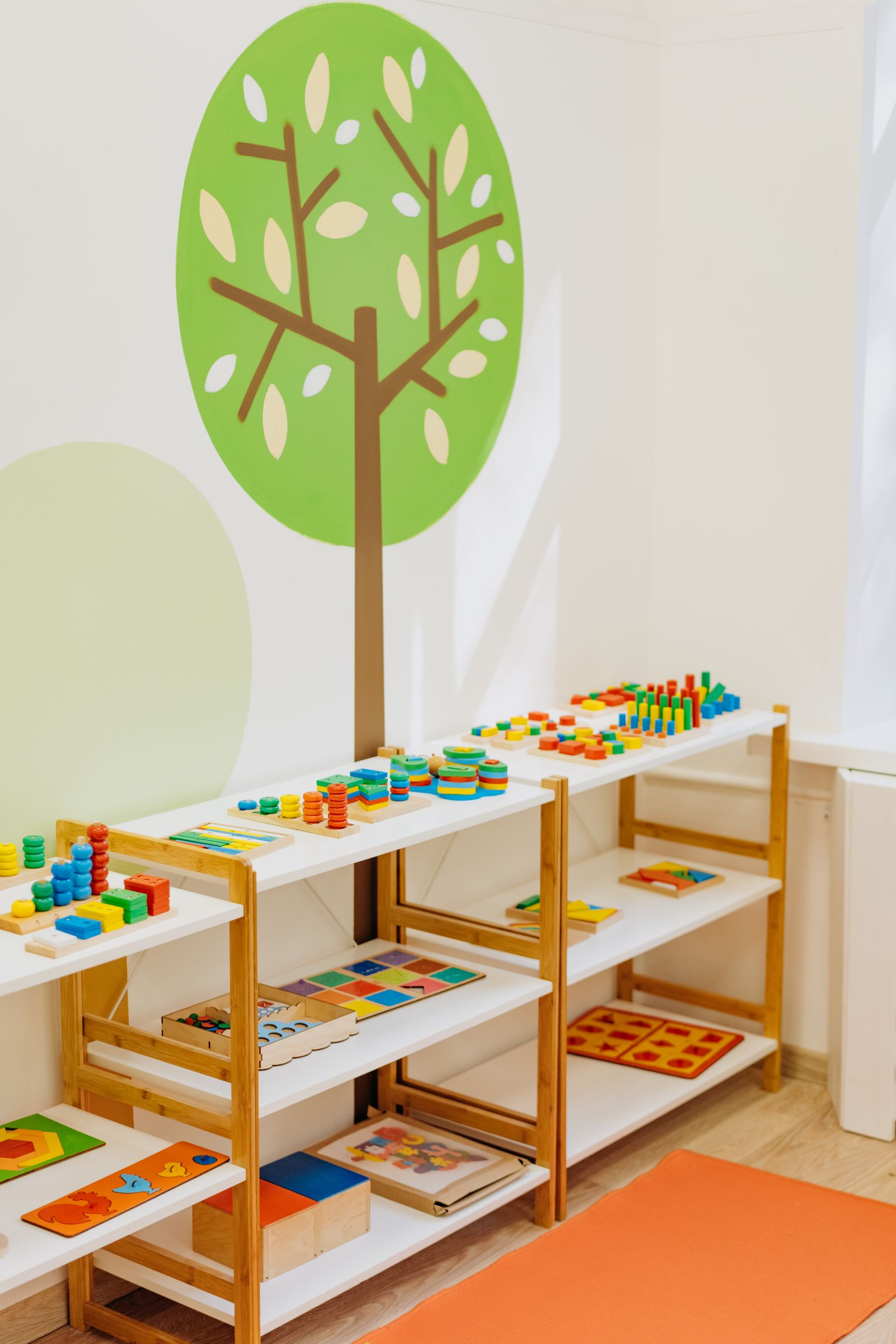
3 Sprouts Toy Chest Review: Can a Soft Bin Tame a Small Playroom? This research-based review looks at the exact Large Toy Chest with Lid, crocodile listing through the everyday constraints of a kids’ room: clearance, access, upkeep and the alternative you already own. We have not physically tested this item. A product photograph identifies the listed product, while room photographs illustrate context rather than hands-on use.
One large container can hide a lot
A large toy chest makes a room look quieter quickly, but it can turn cleanup into tossing everything into one deep pile. Sort the toys by what children can find independently. Large plush items and bulky vehicles may suit a chest; tiny blocks and game pieces often need smaller containers. If retrieval empties the entire bin onto the floor, the storage system creates its own mess. The question is not how much it holds but whether the contents remain usable. For the broader setup, Munchkin STEP Diaper Pail Review: Is the Refill System Worth Nursery Floor Space? is a useful next read.
Measure the lid swing
The soft-sided chest needs a floor rectangle plus space for a child to open its lid and lift toys out. Put painter’s tape in the intended spot and leave the doorway, wardrobe and play route clear. A chest against the wall may still block a closet door when its lid is open. Check the current dimensions of the exact crocodile version, and remember that soft sides can shift when full or empty. Do not buy based on a staged room with more free floor than yours.
Cardboard reinforcement has a limit
The listing describes cardboard-reinforced sides and a collapsible design. This is a storage bin, not a bench, climbing step or seat. Children often test furniture in ways adults did not intend, so choose a placement that does not invite standing on the lid. Keep the maker’s assembly and care guidance with the product. A rigid storage bench may be more appropriate if the family actually needs a place to sit, though it brings different weight and safety considerations.
Lids and everyday access
A lid visually contains toys, yet an extra motion can make cleanup harder for a younger child. Observe how your child puts away toys today: do they return an item to an open basket, or leave it beside a closed one? Consider leaving the lid open during active play and closing it afterward, if the maker’s instructions allow. The goal is a repeatable habit that a child can participate in, not a perfectly hidden collection.
The crocodile is not a label
The animal design can make storage approachable, but it does not tell a child where specific toys belong. Keep the category broad and clear: perhaps stuffed animals or large building pieces. If several chests are added, the room may lose more floor than it gains in order. A photo label or a simple verbal rule can be more useful than matching prints. The container should support a limited toy rotation, not enable unlimited acquisition. For a related step-by-step approach, see Sorting Surprise Picnic Baskets Review: A Small-Table Toy With a Clear Cleanup Job.
A five-minute cleanup trial
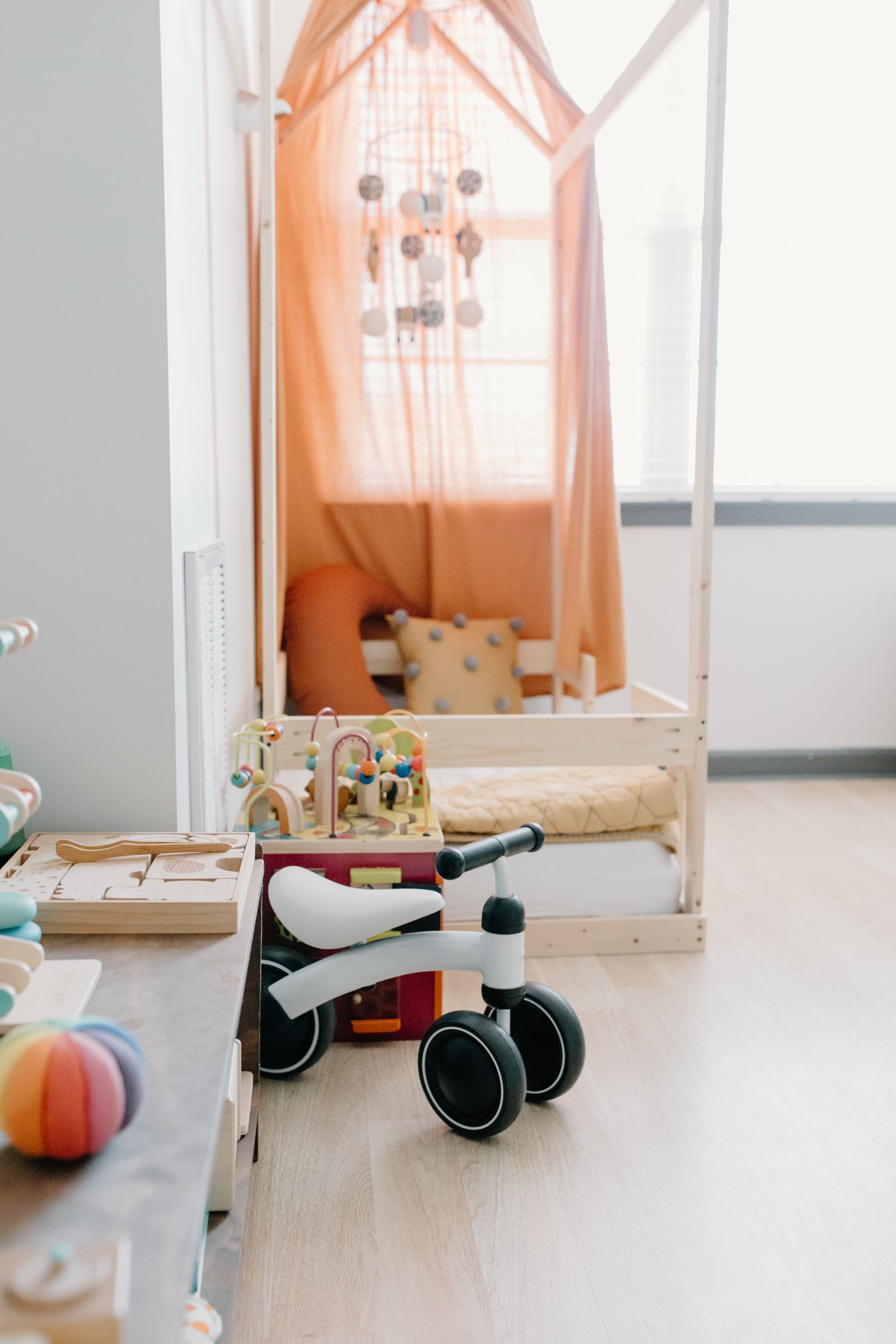
Before ordering, give the same number of toys a temporary home in a laundry basket of similar size. Ask the child to put them away at the end of play for several days. Track whether the bin stays in place, whether items are easy to reach and whether the lid would help. This low-cost rehearsal shows whether the friction is lack of a container or too many categories, broken parts or toys that no longer get used.
Material and spills
A fabric exterior may look softer in a child’s room than hard plastic, but it needs care when snacks, paint or water reach it. Follow the current product instructions for cleaning and do not assume the entire reinforced bin can be machine washed. Keep damp items out until dry. If the room has frequent wet play or spills, a washable plastic container may be simpler. The ease of cleaning matters as much as appearance in a busy family home. For a related step-by-step approach, see Munchkin Super Scoop Review: Can a Bath Toy Net Dry in a Small Family Bathroom?.
Keep the exit route open
A toy chest often lands near the bed or door because those are the remaining open edges. Check that it does not narrow the route to the bathroom at night or obstruct a door. Put it where the child can reach the top without climbing. If several adults share cleanup, agree on its place so it is not moved every day. The usable floor around the container counts as part of its footprint.
Outgrowing a catchall
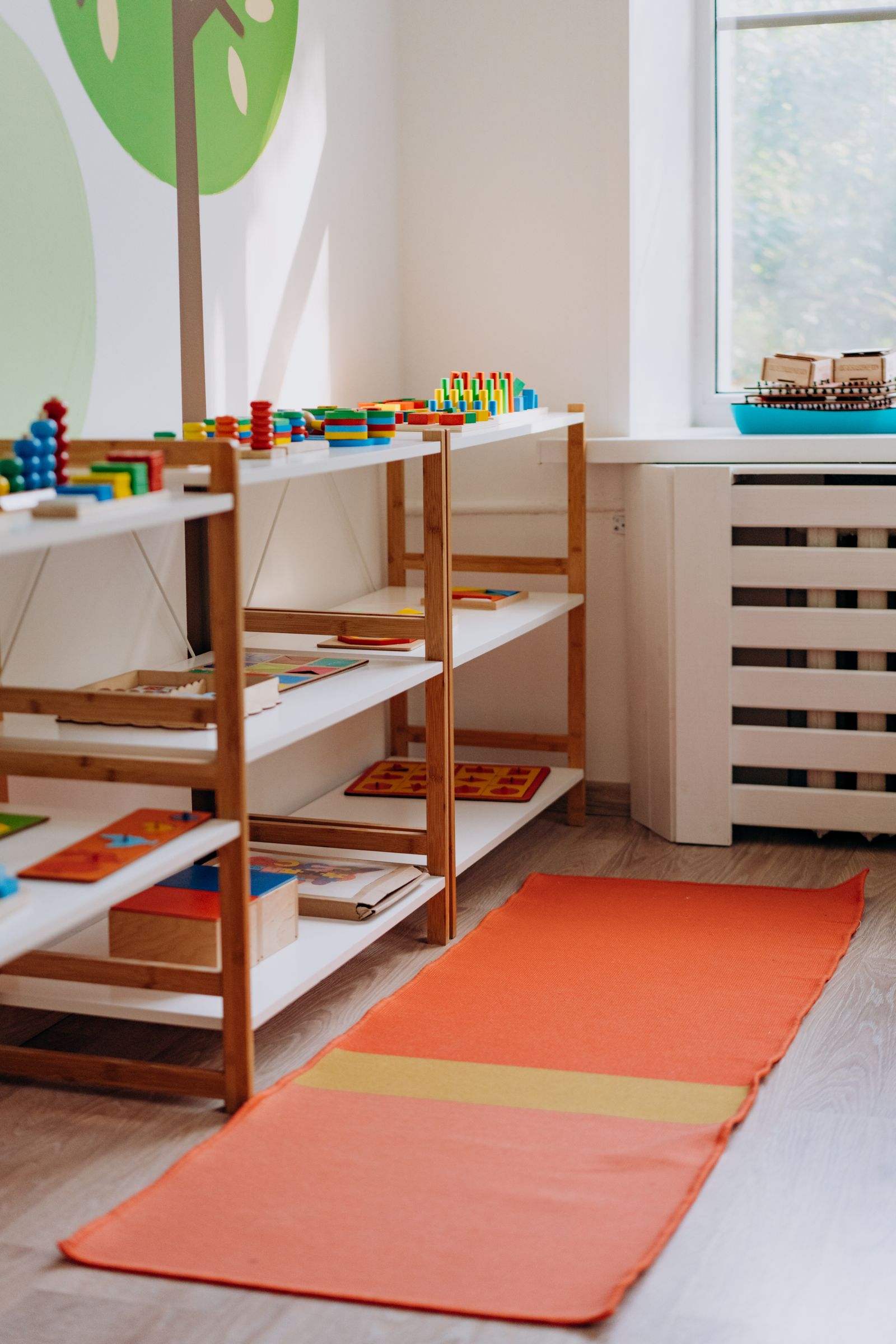
Toys change with age: small pieces, board games and art supplies ask for separate storage. A chest may work for a phase and then become the home for blankets or costumes. That can be useful, but it is not a reason to keep it when floor space is scarce. Review the contents every season and remove broken or unused items. A larger bin should never postpone decisions about what actually belongs in the room.
Current listing and safety
The linked ASIN identifies the crocodile version of the 3 Sprouts large toy chest. Verify its dimensions, materials, assembly and any age or safety instructions on the current listing. This article is based on product research and room-planning exercises, not a load test or use in a real nursery. Caregivers should supervise use and keep the chest away from hazards such as cords, heaters and blocked exits.
A toy rotation instead of a bigger box
Before ordering a chest, remove toys that are broken, incomplete or no longer chosen. Divide the remaining items into daily play, rotation storage and keepsakes. Try one temporary basket for the daily group. If the child can find and return those toys independently, the large 3 Sprouts bin may serve as an attractive permanent home. If small pieces disappear at the bottom, use several shallow containers instead. A lid can hide disorder from adults without improving the child’s ability to play, so watch the child rather than the room’s appearance. Keep the lid and handles clear of rough play and read the current safety guidance. In a narrow bedroom, position the chest where it does not become an obstacle during bedtime or an invitation to climb near furniture. The goal is easier play and cleanup at a safe height.
Who is this for?
A family that wants one reachable home for a limited set of bulky toys and can supervise how children use the lidded bin. The choice is strongest when the product addresses a recurring task and has a known place to live between uses. Put the existing tool or routine beside it in your comparison. If the proposed purchase merely moves clutter from one surface to another, the small-home advantage disappears. Check that everyone who shares the room can still use it comfortably.
When should you skip it?
A household needing fine categories for many tiny parts or a child who cannot safely manage the lid. A product can be well made and still be wrong for your layout. Decide whether the constraint is a missing tool, an overloaded storage area, or a routine that needs fewer steps. Do not let a staged product photo substitute for measurements and a walk through your actual room. Waiting until the need is clear is also a valid purchase decision.
What would I compare instead?
Low open baskets for daily toys, or a front-facing shelf for books and smaller categories. Compare total effort, not only the upfront price: storage, cleaning, setup, replacement parts and the minutes involved on a busy day. An alternative that is already in your home has no new footprint. If you would buy a second item to make this one usable, include both in the budget and space calculation. The most useful choice is the one you will actually maintain.
Questions to settle before ordering
Measure the intended spot, including doors, drawers, hands and walking clearance when Large Toy Chest with Lid, crocodile is in use. Read the live specifications and care instructions for ASIN B00LIWZ3TM. Confirm the selected variant, box contents, seller, return terms and warranty where applicable. A listing can change after this article is written. Check recent customer questions for recurring compatibility concerns, but distinguish one household’s experience from your own measurements.
Amazon product and current listing
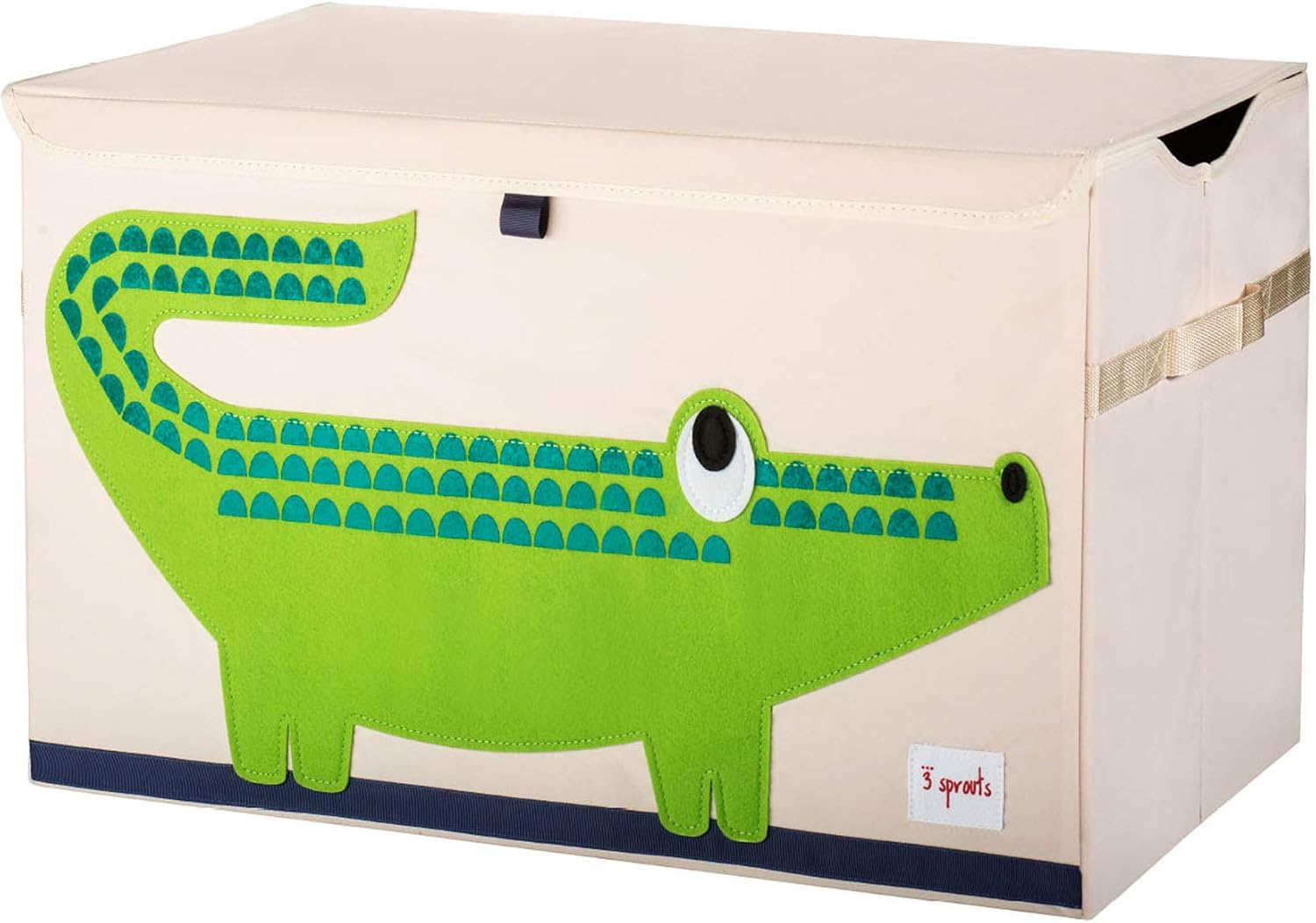
Check the current Large Toy Chest with Lid, crocodile listing on Amazon. The photograph is from the linked listing. It helps identify the product and is not evidence that we tested it, installed it or measured performance. Confirm the exact variant and current details on Amazon before purchase; we do not quote a fixed price or promise availability.
The small-home verdict
A family that wants one reachable home for a limited set of bulky toys and can supervise how children use the lidded bin. If that describes your household and the fit exercise works, this model is worth comparing with the existing solution. Low open baskets for daily toys, or a front-facing shelf for books and smaller categories. If the alternative solves the task with less storage or upkeep, keep it. The buying decision should remain tied to a real routine and a measured location rather than a general claim that every small home needs another product.
Explore our Buying Guides and the Kids’ Room room guide for related ideas.
Sources
- Amazon product listing — ASIN B00LIWZ3TM
- Manufacturer or product information — 3 Sprouts product information
Sources
- Amazon product listing — https://www.amazon.com/dp/B00LIWZ3TM
- Manufacturer/product information — https://www.3sprouts.com/collections/toy-chest