Borrowing a toy from another family can be a useful way to enjoy something different without buying and storing another set. It also creates a small responsibility: the toy belongs to someone else, its pieces need to remain identifiable, and both families need to know when it will return.
A simple adult-to-adult agreement makes the loan easier for the children. Decide what is being borrowed, whether it suits the receiving household, how it will be used, and how the return will happen. Then give the child a manageable part of the routine without making them responsible for the whole arrangement.
Confirm that the loan is actually agreed
A child offering another child a favorite toy is not always a complete household agreement. Check with the responsible adults and confirm the owner is comfortable with the loan. Clarify whether the toy is borrowed, given away, or simply coming over for one visit.
Discuss the length of the loan and the intended return opportunity. A concrete day or agreed visit is easier to remember than sometime next week. If plans change, the adults can communicate and agree on a new arrangement rather than asking children to negotiate a confusing deadline.
Be specific about permitted use. Is the toy intended to stay indoors? Can siblings use it when appropriate? Are its instructions available? Do not assume the lending family has approved every possible use merely because the toy arrived in a bag.
Check suitability before the toy enters play
Read the maker’s age guidance, warnings, and use instructions for the exact toy. Consider everyone who can access the receiving room, including younger siblings. A toy suitable for the borrowing child may still need controlled storage because another child uses the same space.
The CPSC’s toy guidance says to keep toys with small parts and small balls away from children younger than three. Borrowing does not remove those age-related concerns. Adults should assess the exact toy and household access rather than treating a familiar friend’s belongings as automatically suitable.
Confirm model identity and check relevant recall information when assessing continued use. Inspect condition and ask the lending adult about any missing or damaged parts. An unresolved issue is a reason to pause the loan, not to repair or modify someone else’s toy without agreement and appropriate maker guidance.
If the set does not suit the household, decline or return it politely. The purpose is enjoyable play under appropriate conditions. You do not need to create a complex supervision arrangement just to avoid saying that a particular loan does not work.
Record the complete set with a short contents note
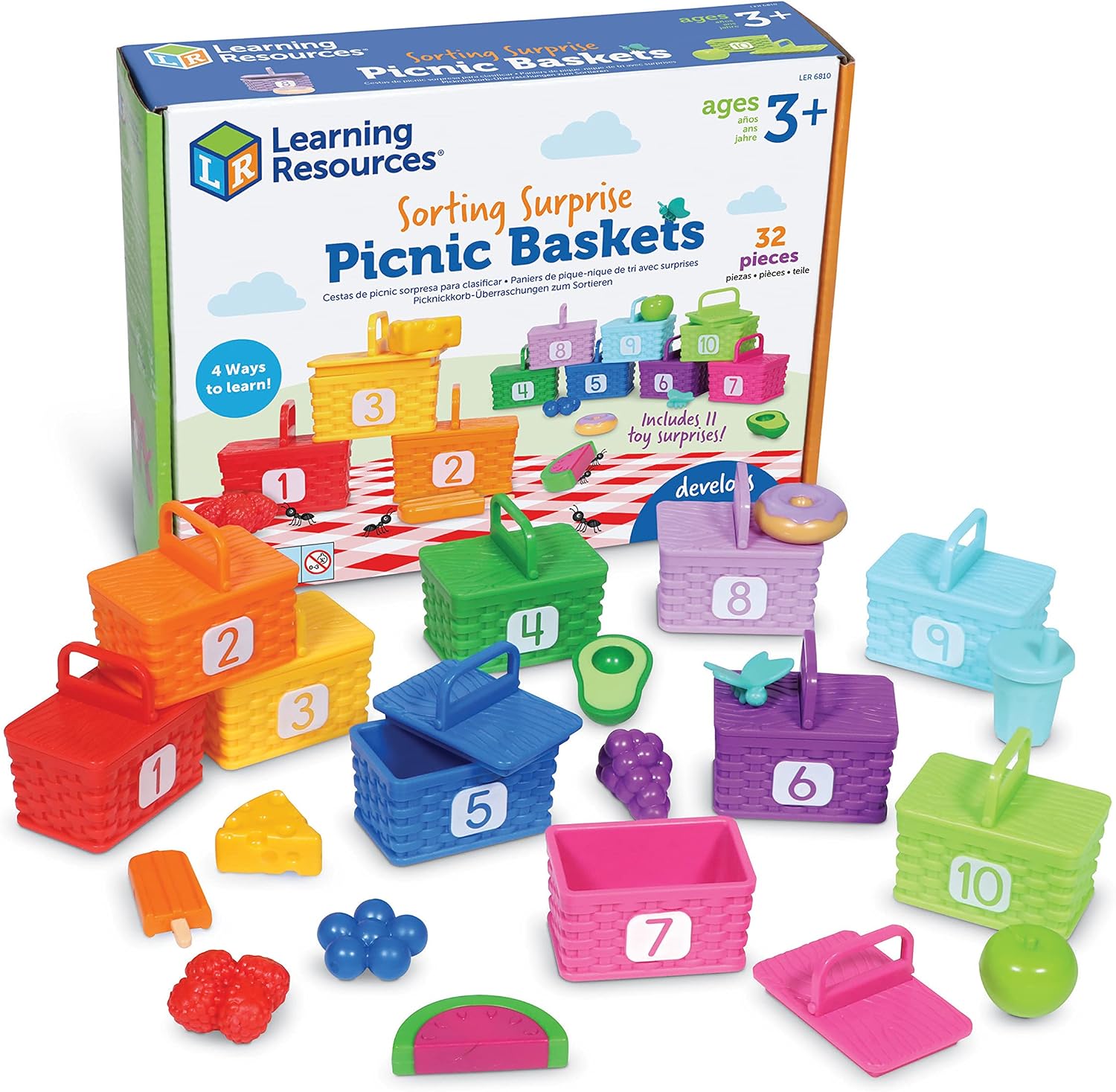
Count or identify the pieces with the lending adult when practical. A simple set might need only a photo of the main toy and its accessories. A larger set may need a short list: vehicle, two figures, ramp, and instruction sheet. Use the actual included pieces rather than a retailer’s picture of a different package.
Note any missing pieces or existing wear honestly at the beginning. The record is there to make the eventual return clear, not to turn a friendly loan into a formal inspection. Both households should understand what was supplied.
Keep the note with the loan’s outer storage or in an adult’s household record. Avoid marking the toy permanently or attaching labels that affect its intended use. An appropriate outer identifier can say whose set it is and when it returns without changing the borrowed item. You may also find A Toy Rotation System for Small Homes That Parents Can Actually Maintain useful for a closely related small-home problem.
Give the borrowed set a separate, accessible home
For example, suppose a family lends a pretend-play vehicle with two figures and a detachable trailer for the weekend. The adults record those four components, agree that the set stays in its permitted play area, and choose a suitable container for return. The child can help gather the appropriate pieces after play, while the adult checks condition and the complete contents.
If the trailer is missing on Sunday, the record tells everyone what to look for and where it was last used. The adults can explain the incomplete return and agree on a practical next step. Without that simple beginning, the borrowing family might remember only a vehicle and the lending family might expect a larger collection. A brief agreed description prevents an avoidable disagreement about the original loan.
Choose suitable storage that follows the toy’s requirements and the household’s access needs. Keep the borrowed set recognizable instead of merging its pieces into a large collection of similar toys. Its home should make both choosing and putting away straightforward. You may also find How to Organize Bath Toys and Kids’ Bathroom Products Without Filling the Tub useful for a closely related small-home problem.
If it is appropriate for the child to handle the set independently, show them the return location. A short instruction such as borrowed train pieces go back in this container is easier to use than an elaborate sorting rule. Adult control still applies to parts or uses the child should not manage alone.
Our guide to storage children can use can help with the return location. For sets involving games or puzzles, see keeping board games and puzzles organized, while retaining the borrowed set’s separate ownership.
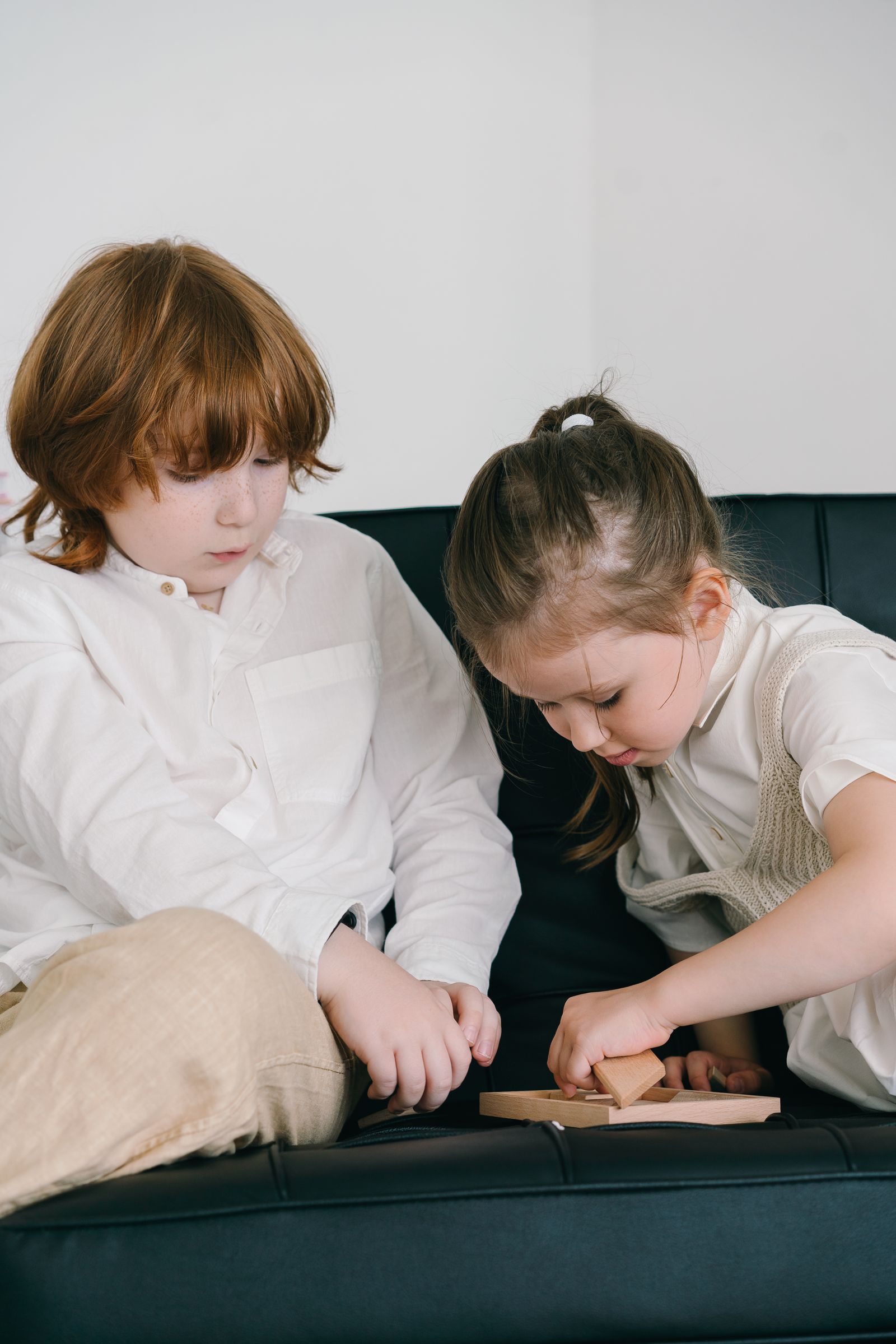
Use a small check at the end of each play session
Return the visible pieces together before the next activity spreads across the room. A short check after play is easier than searching through a week’s worth of household toys on the return day. Use the contents note as a reminder rather than expecting a child to memorize every accessory.
Let the child help in an age-appropriate way: gathering suitable pieces, choosing the set’s storage place with an adult, or saying what they enjoyed. Adults should handle suitability decisions, small-part control where required, and communication about problems.
Keep those roles connected to your ordinary family responsibility routine. A child can have a clear small job while an adult retains ownership of the loan’s deadline and final check.
If the toy is used during a visit with friends, explain its return location at the start. Connect that arrangement to our small-living-room playdate routine so a borrowed set does not get mixed into the final pickup.
Handle missing or damaged pieces promptly
When a piece is missing, pause and search the recent play area with an adult. Keep the remaining set together. Do not replace the piece with something similar from another brand or model and assume that the set is restored.
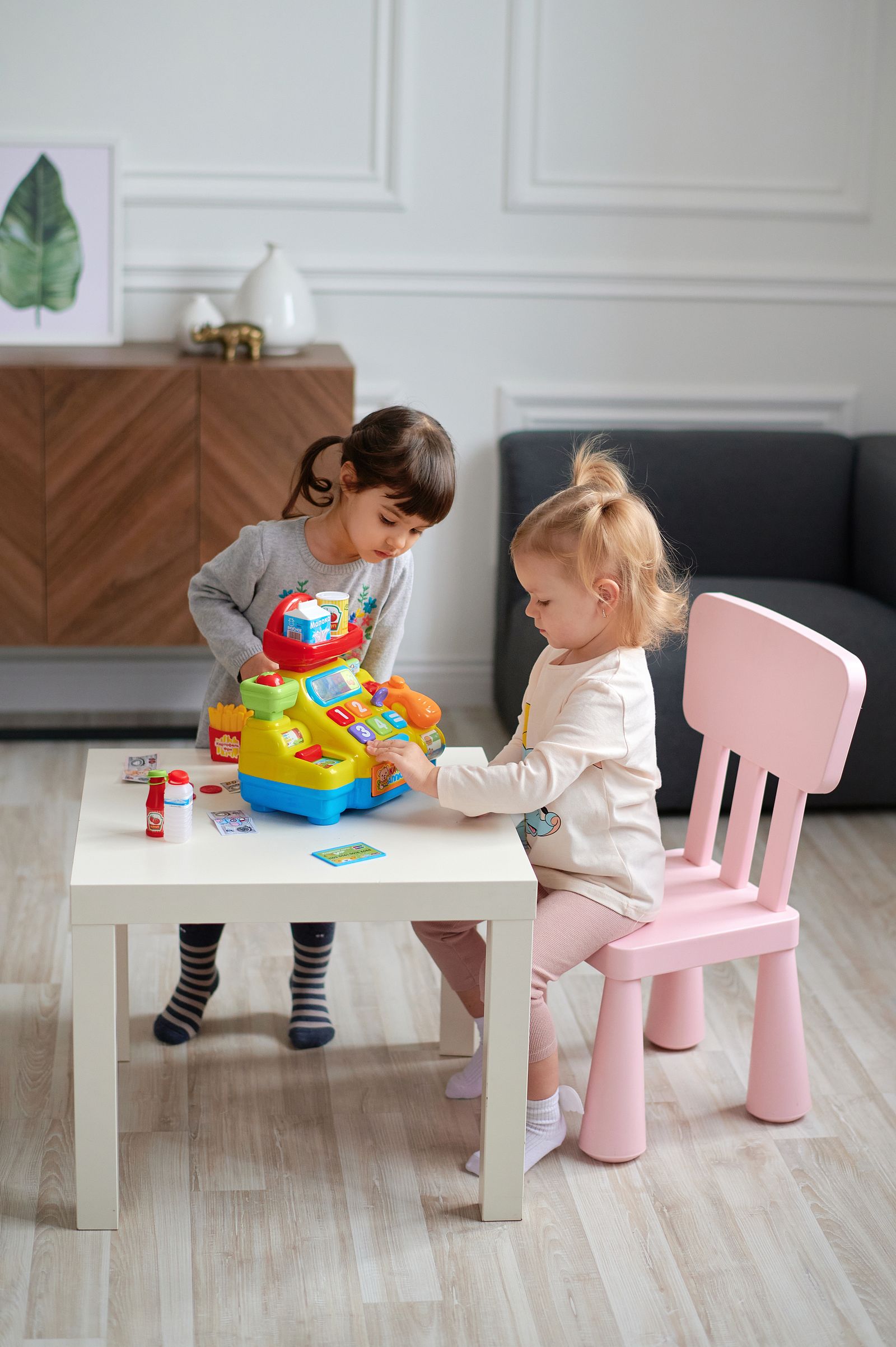
Tell the lending adult what happened and what has been found. Agree on the next step together. If damage affects continued use, follow the appropriate maker guidance and keep the item out of play while the question is unresolved.
A child can learn to report a problem without being made responsible for negotiating cost or replacement. A calm factual conversation is more helpful than hiding the issue until the handoff. Avoid promising a repair or purchase before the adults understand what is needed.
Prepare the return before leaving the house
Check the contents against the original note. Follow the toy’s exact approved care instructions and any reasonable loan agreement about condition. Do not apply an improvised cleaner or wash an electronic, fabric, or composite toy with a method intended for a different item.
Finish any permitted cleaning and drying before packing. Keep instructions and supplied accessories with the correct set. Put the loan in suitable transport storage, accounting for the toy’s construction and any controlled-access parts.
Agree on the adult handoff and confirm it has happened. A bag left somewhere for later pickup can prolong the uncertainty. Use the Family Home collection for the surrounding household routines if reminders or responsibility are getting lost.
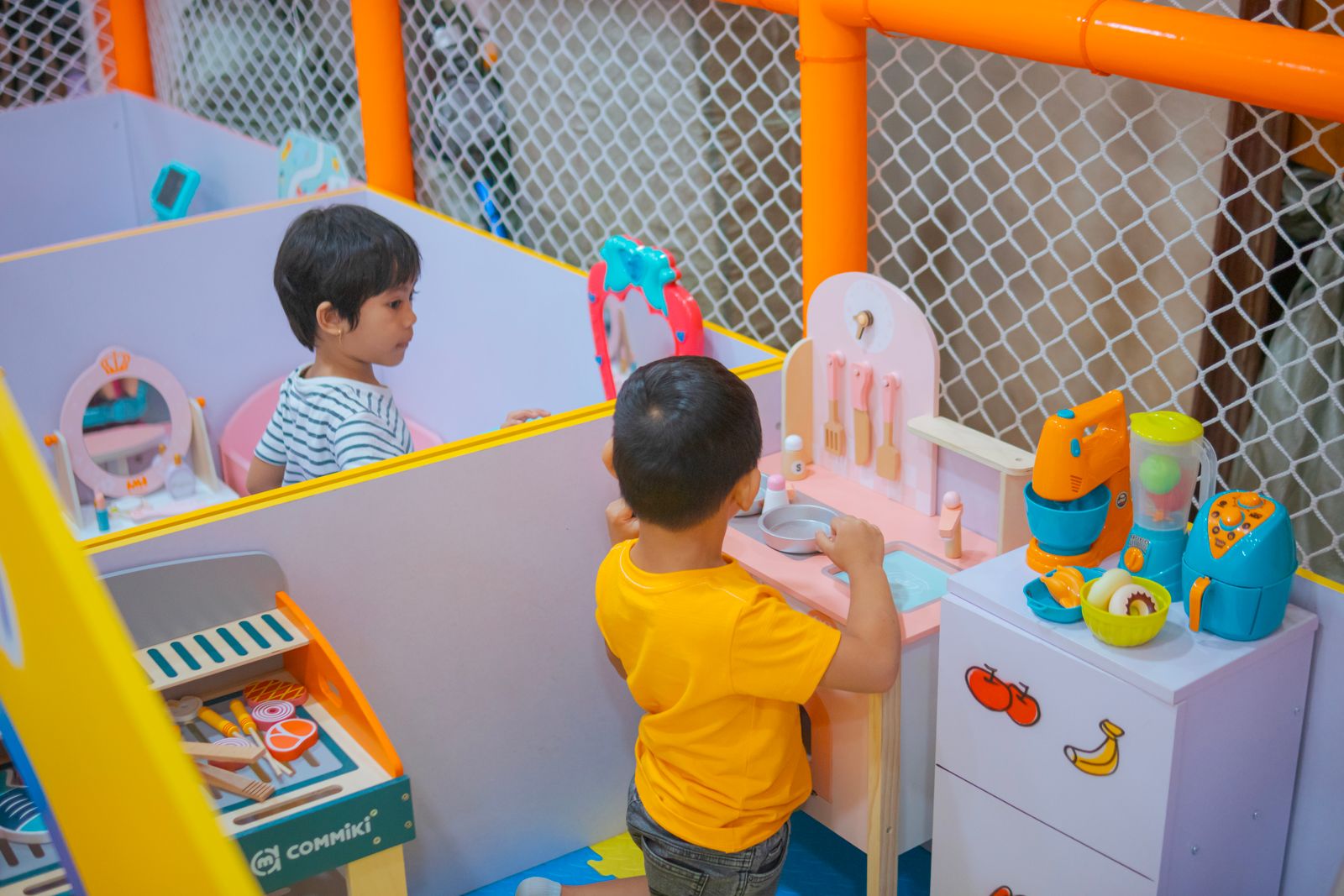
After the return, decide whether this kind of loan worked for both households. A complete, suitable set with a clear return can be easy to repeat. A complicated kit that repeatedly loses pieces may be better enjoyed during visits. Borrowing is useful when it supports play and relationships without leaving either family with an unfinished responsibility.
Keep only the record needed to close the current loan, then retire it when both adults confirm the return. A household does not need a permanent archive of every friendly exchange. The useful habit is a clear beginning and ending that both families can trust next time.