Toy rotation does not need a spreadsheet or a storage room full of labeled bins.
In a small living room, the goal is simply to keep fewer active choices visible at once so cleanup stays manageable and the room can still function for adults. For the broader setup, A Toy Rotation System for Small Homes That Parents Can Actually Maintain is a useful next read.
Choose four to six active categories
For example: blocks, vehicles, pretend play, puzzles, art, and stuffed animals. The exact mix depends on the child.
Keep favorites exempt
If one toy is used every day, it does not need to rotate just to satisfy the system.
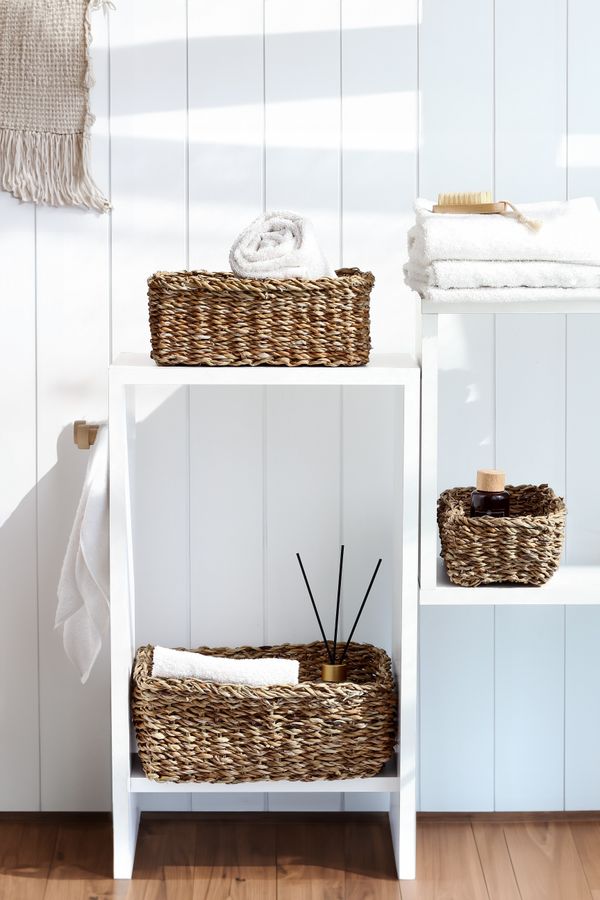
Store inactive toys out of the main play view
Use a closet shelf, under-bed bin, or another low-frequency storage zone. The inactive toys should not occupy the same living-room footprint. If you are working on the same space, How to Create a Calm Living Room When Kids Use It All Day covers the next decision in more detail.
Rotate by category, not individual toy
Moving every toy one by one creates too much work. Swap one broad category for another.
Use the weekly reset as the rotation point
Choose a predictable day—Sunday evening or another household reset time—to review what has been used.
Do not rotate just because a week passed
If children are deeply engaged with a category, keep it. Rotation should support play, not interrupt it.
Use rotation as an editing signal
If a toy category returns and still gets ignored, consider whether it deserves storage at all.
The 10-minute swap
- return loose toys to broad categories,
- choose one or two inactive categories to bring out,
- move one or two low-interest active categories away,
- keep favorites,
- clear the living-room floor.
Pair it with fast cleanup
Use The One-Basket Toy Cleanup System for a Small Living Room.
Frequently asked questions
How often should I rotate toys?
Weekly is an easy checkpoint, but rotate based on interest rather than the calendar alone.
How many toys should be visible?
Keep enough variety for play while staying within the room’s actual storage boundary.
Should kids choose the rotation?
They can help choose favorites or categories, especially as they get older.
Rotation is about reducing active volume
When fewer toy categories are visible, children can still play deeply while the living room stays easier to reset.