Some evenings you do not have the energy to sort every toy into its exact category.
You still want the floor back.
A one-basket cleanup can solve that problem—as long as the basket is treated as a temporary collection tool, not a permanent place where every toy disappears. If you are working on the same space, How to Set Up a Shared Homework and Work Station in a Small Home covers the next decision in more detail.
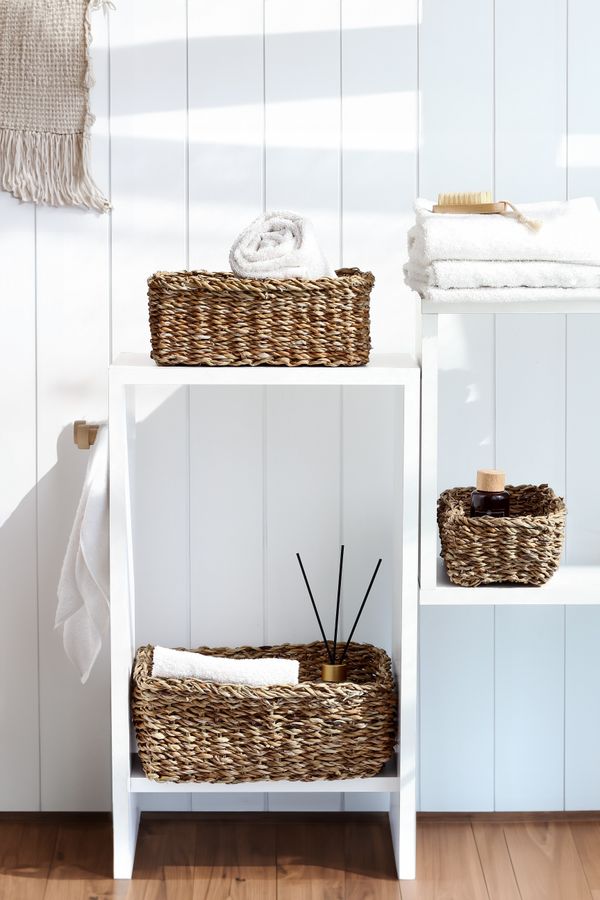
Choose one basket that is easy to carry
The basket should be large enough for a typical evening’s loose toys but small enough that one adult or older child can carry it safely.
Do not choose the biggest container in the house. A giant basket invites the family to postpone decisions indefinitely.
Use the basket only for out-of-place toys
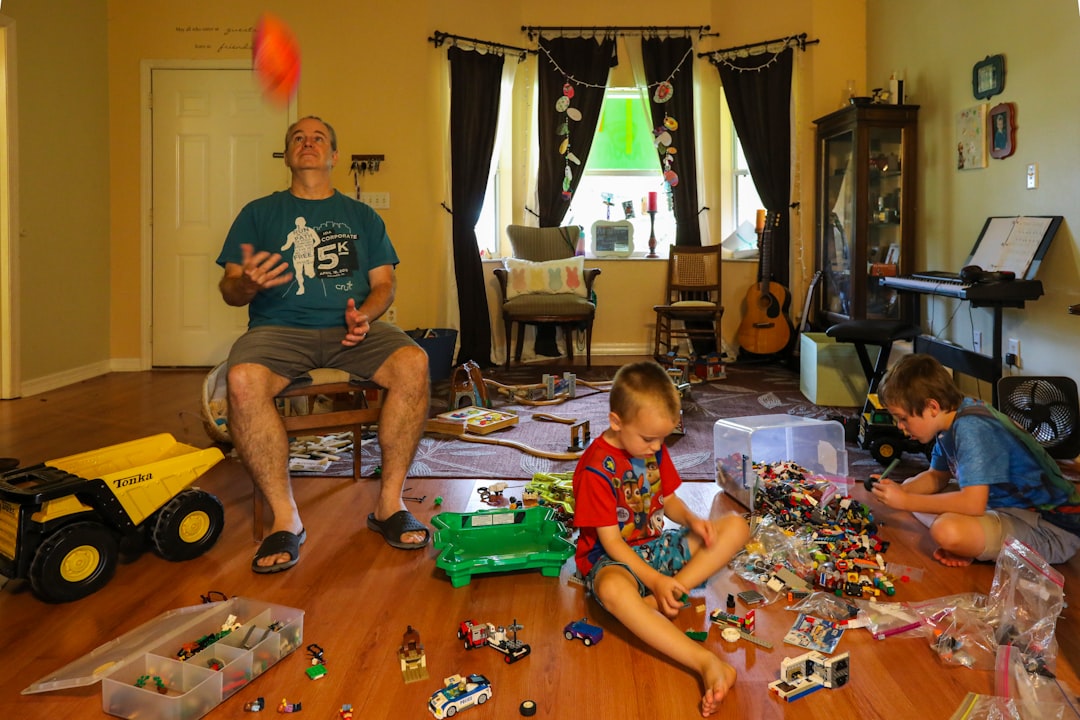
Walk the living room once and collect toys that are blocking the floor, sofa, or main surfaces.
Do not add dishes, dirty clothes, papers, shoes, mail, or random household items. Those categories already have other routes. You may also find How to Keep a Shared Kids’ Bedroom Tidy When the Kids Have Different Habits useful for a closely related small-home problem.
Skip detailed sorting during the pickup
The fast reset has one job: restore the room. Put blocks, cars, dolls, puzzles, and pretend-play pieces into the temporary basket without sorting. You may also find The 20-Minute Small-Home Reset Before Guests Arrive useful for a closely related small-home problem.
Return the basket to the real toy zone
Once the living room is clear, move the basket beside the permanent toy storage. It should not live behind the sofa or under a console for days.
Empty the basket at the next low-stress moment
Choose a predictable time: before the next play session, during the morning reset, or with the child after breakfast.
The basket must return to empty or nearly empty before the next emergency pickup.
Keep permanent toy categories broad
If emptying the basket requires fifteen tiny decisions, the larger toy-storage system is too detailed.
Use broad homes such as:
- blocks/building,
- vehicles,
- pretend play,
- figures/animals,
- books,
- soft toys.
Do not use the basket to hide broken sets
Puzzle pieces, incomplete kits, and broken toys often accumulate because nobody knows where they belong. Deal with those during the basket-emptying step instead of returning them endlessly.
Give children one part of the system
A younger child can help fill the pickup basket. An older child can help carry it to the toy zone or empty one category.
The cleanup becomes easier when the child’s responsibility is concrete.
The five-minute evening version
- one person holds the basket,
- everyone picks up loose toys,
- floor path clears,
- sofa and coffee table clear,
- basket moves to the toy zone,
- stop.
The next-morning emptying version
- place basket beside permanent toy storage,
- pull one category at a time,
- return complete toys,
- remove broken/unwanted items,
- leave the pickup basket empty.
When the basket fills every night
If one basket is overflowing daily, the living room may have too many active toys. Reduce visible categories or use a toy rotation. For a related step-by-step approach, see How to Create a Calm Living Room When Kids Use It All Day.
See A Toy Rotation System for Small Homes That Parents Can Actually Maintain.
Connect it to the calm-living-room system
Use How to Organize Toys in a Small Living Room Without Making It Look Like a Playroom for the permanent storage plan.
Frequently asked questions
Isn’t a cleanup basket just hiding clutter?
It becomes hidden clutter only if the basket is not emptied back into permanent storage.
How big should the basket be?
Use a size that handles one normal cleanup but remains easy to carry and empty.
Can I use several baskets?
You can, but one temporary basket keeps the reset fast. Multiple baskets often turn the quick system into another sorting project.
Use the basket to buy time, not avoid the system
A one-basket reset is useful because it separates “clear the room now” from “sort toys perfectly.” Just make sure the basket has an ending.