When children play in the living room every day, hiding every toy in another room usually creates more work. But leaving every toy visible can make the main shared space feel like a permanent playroom. For the broader setup, A Toy Rotation System for Small Homes That Parents Can Actually Maintain is a useful next read.
The goal is not to erase signs that children live in the home. It is to create a toy system with an off-duty state.
Start with an active-toy limit
Decide how much toy volume the living room can hold comfortably.
Use one shelf, cabinet, bench, or group of baskets as the boundary. When the boundary is full, rotate or remove something before adding more. If you are working on the same space, What to Get Rid of First When Your Small Home Feels Too Full covers the next decision in more detail.
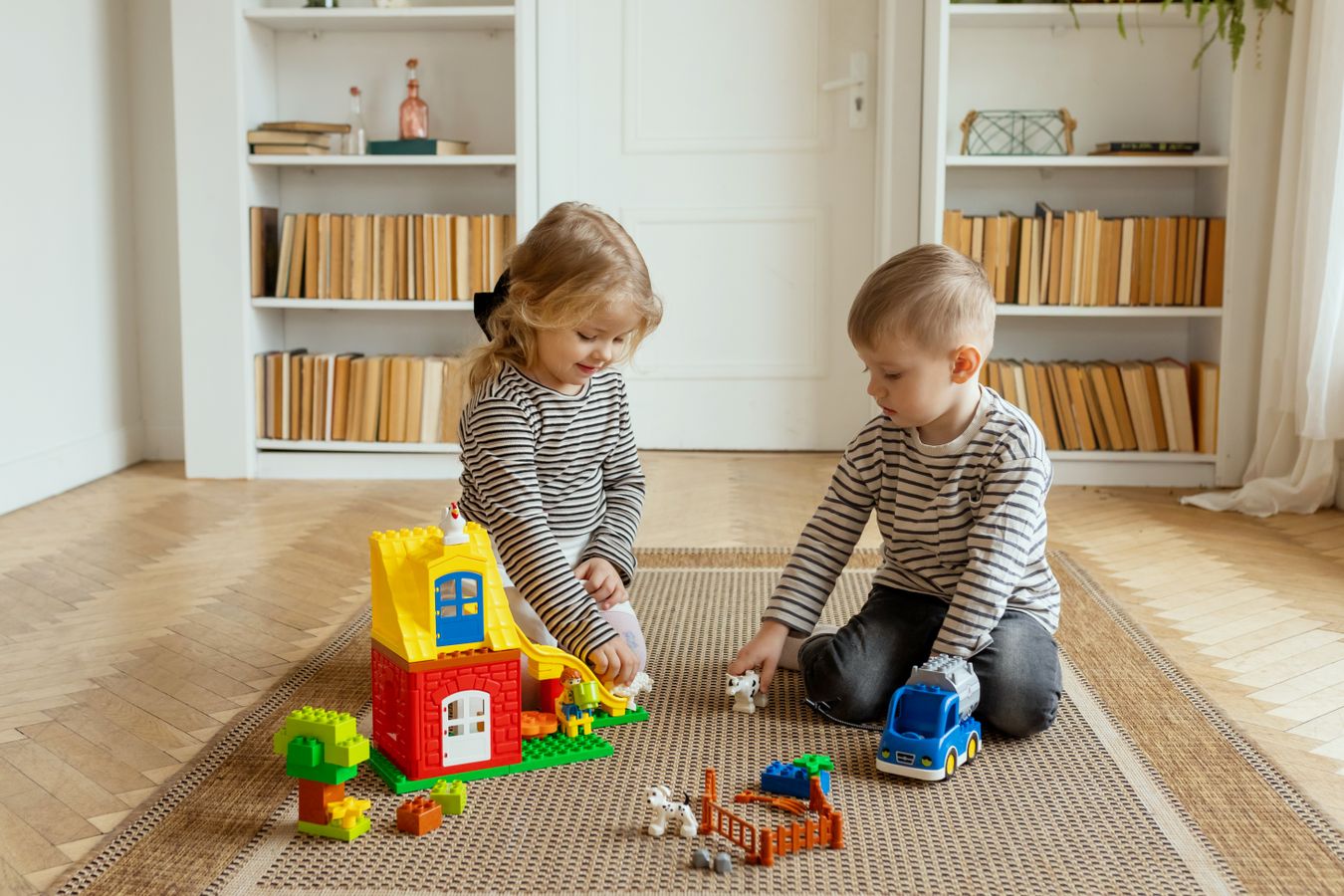
Use broad categories
Young children do not need twelve micro-categories.
Try:
- building,
- vehicles,
- pretend play,
- art,
- books,
- puzzles/games.
The categories should be simple enough that a child can help reset them.
Keep the lowest storage kid-accessible
Current toys belong where children can reach and return them safely.
Tall furniture should be secured according to manufacturer and CPSC guidance where appropriate, and tempting toys should not be placed high enough to encourage climbing. For the broader setup, How to Declutter a Small Home When You Don’t Know Where to Start is a useful next read.
Use closed storage for visual reset
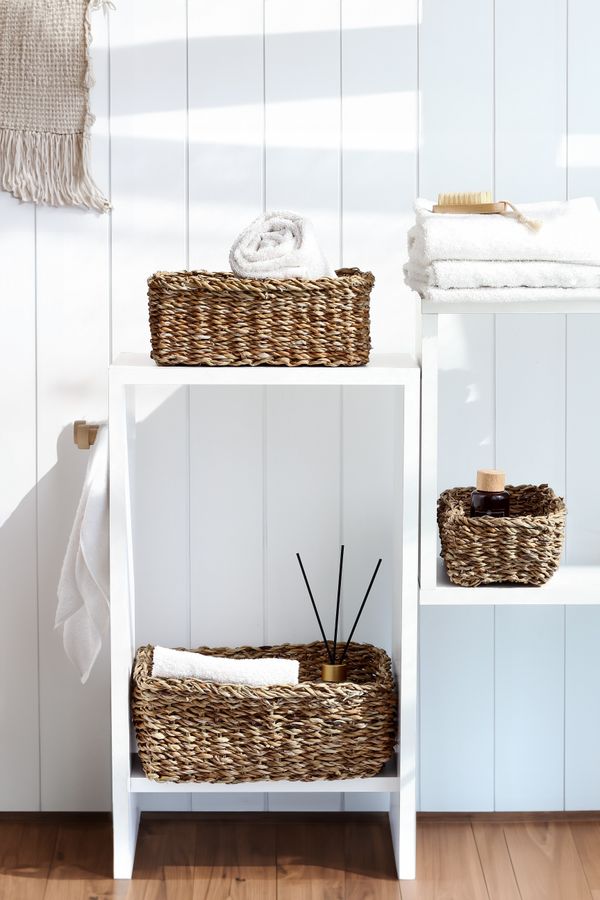
A cabinet, storage bench, drawers, or opaque baskets can let the room return to adult mode after play.
You do not need every toy hidden. Hide the visually busy categories and let a few attractive or current items remain visible.
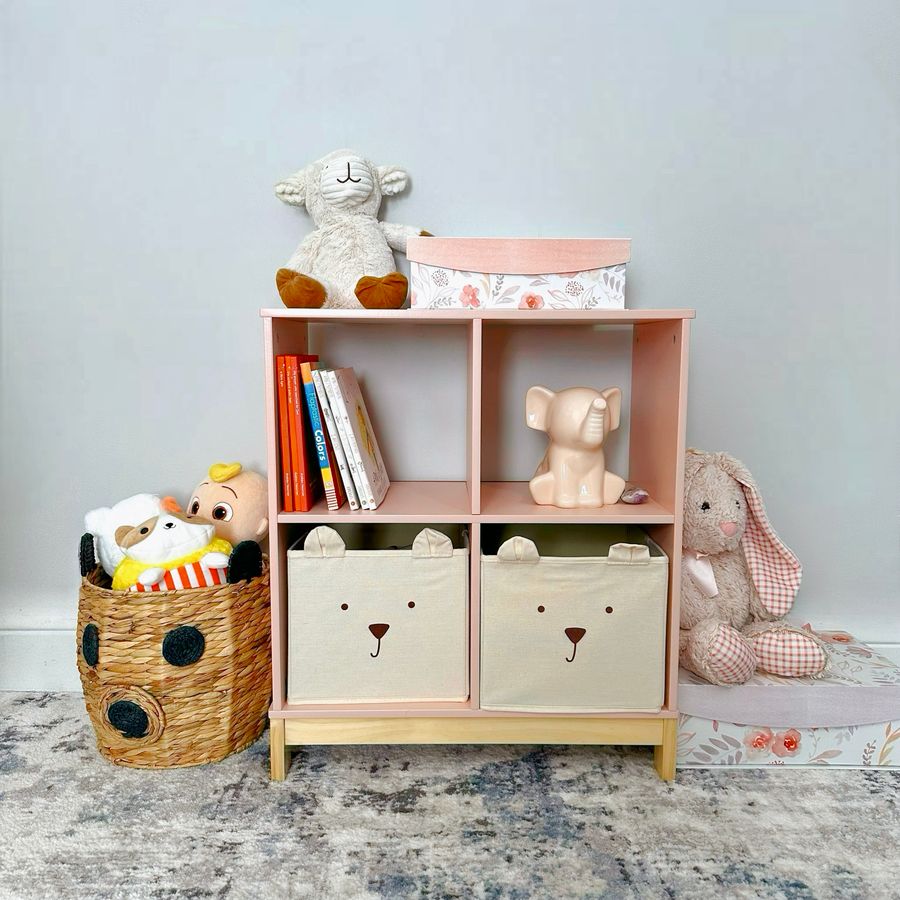
Separate display toys from dump-bin toys
Books, a wooden puzzle, or a favorite building set may work on open shelves. Tiny mixed pieces are usually easier in closed bins.
Choose storage based on how the category behaves when messy.
Create one play surface
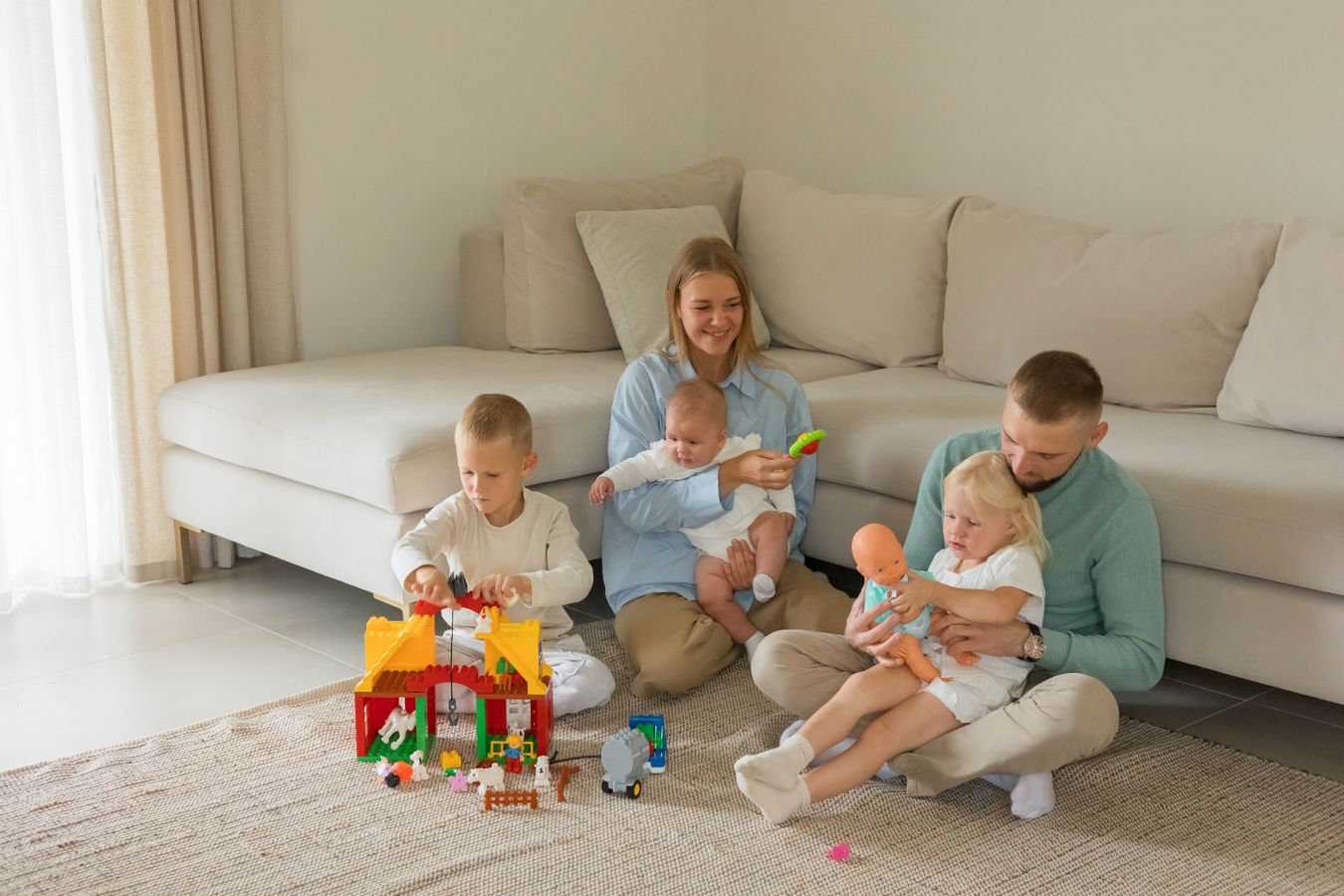
A rug or clear floor area can define where toys spread during play.
At reset time, anything outside the boundary goes back to storage.
Do not use the sofa as toy storage
If baskets live permanently on seating, the room loses adult function. Keep toy storage beside or under furniture rather than on the furniture people need to use.
Use furniture that belongs in the living room first
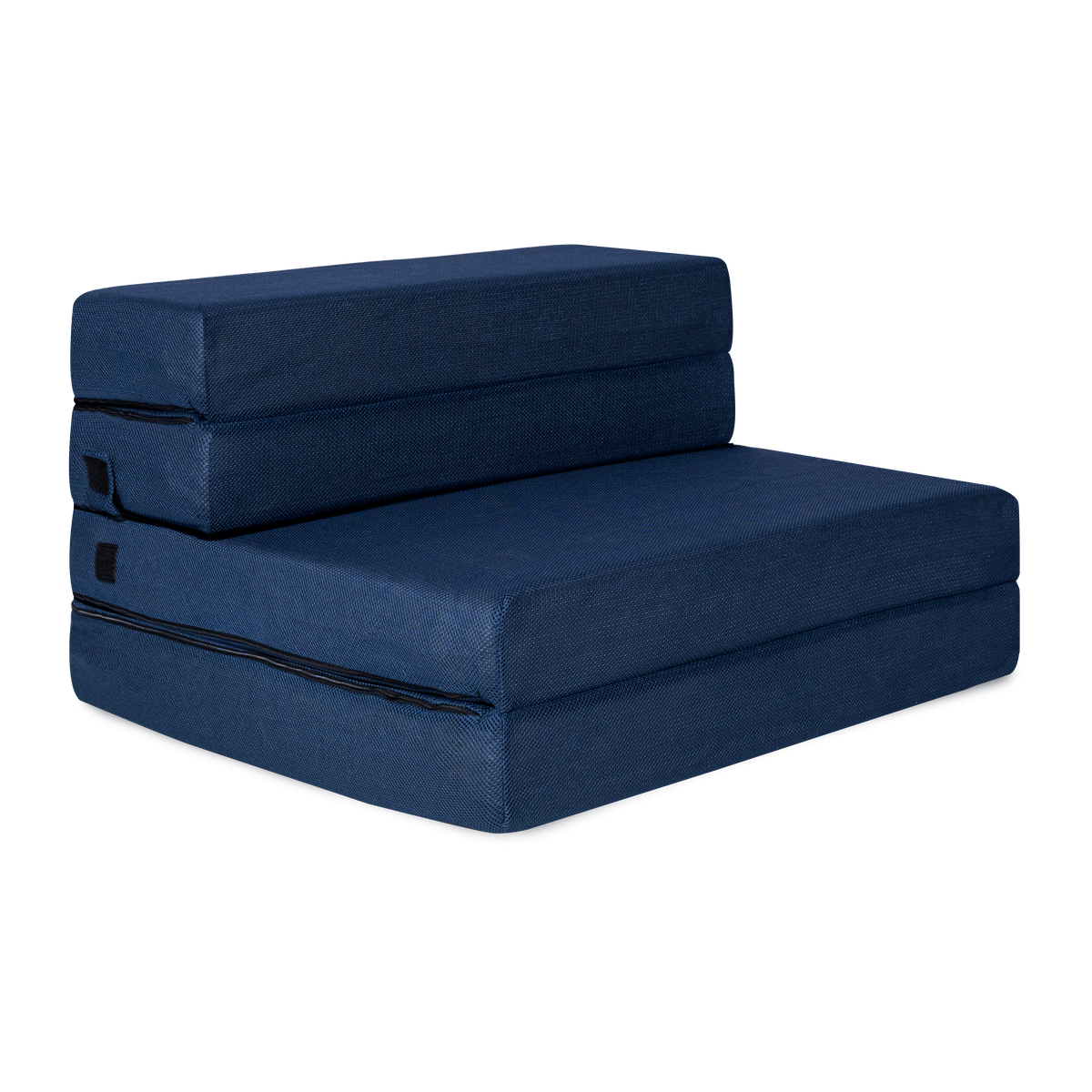
A storage ottoman or bench can be useful when it looks and functions like living-room furniture even when no toys are inside. For a related step-by-step approach, see How to Arrange Furniture in a Small Living Room With Kids.
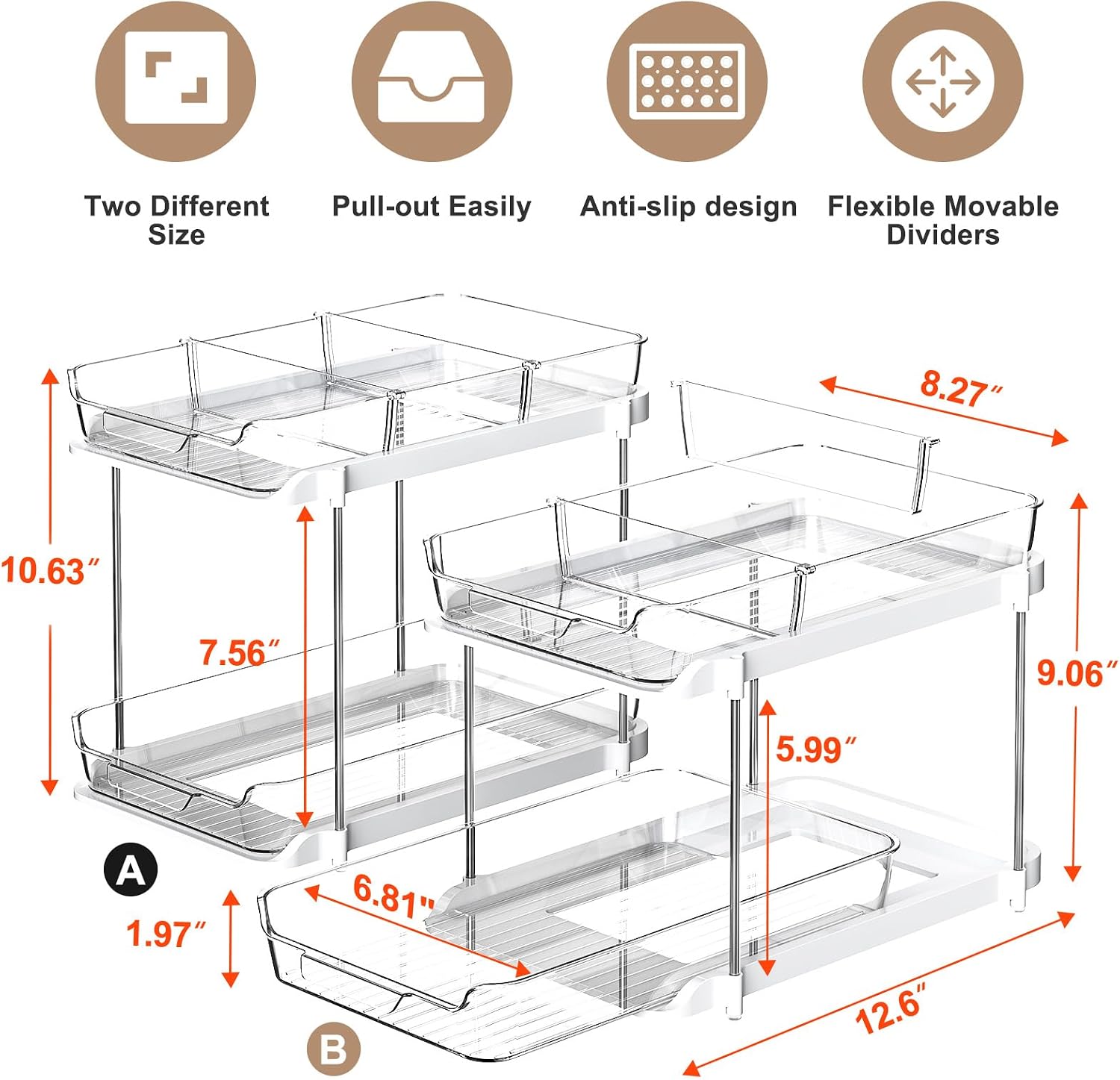
A bright plastic storage tower may organize toys well but visually turn the room into a dedicated play space.
Keep large toys on a one-for-one footprint
Dollhouses, ride-on toys, activity tables, and play kitchens consume floor space quickly.
Choose a defined number of large items that can stay active at once. Rotate or relocate the rest.
The five-minute evening toy reset
- Books to shelf.
- Large toys to parking spots.
- Loose categories into broad bins.
- Blankets/cushions reset.
- Floor cleared for adult use.
If this takes much longer than five minutes most nights, reduce the number of active toys or simplify categories.
Let the room still look like a family lives there
One basket of blocks, a row of children’s books, or a small art tray does not ruin the room.
The visual goal is not “no toys.” It is contained toys with clear boundaries.
Use color strategically
If the toys are already colorful, neutral storage can reduce visual noise. You do not need beige toys; you need a calmer frame around them.
Where to store rotated toys
Use a closet shelf, under-bed bin, kids’ room storage, or another low-frequency zone. The rotation storage should not be harder to access than the rotation routine can support.
Safety check for living-room toy storage
- Follow furniture and storage manufacturer instructions.
- Anchor appropriate tall/heavy furniture and TVs.
- Keep heavy items low.
- Avoid creating climbable toy displays.
- Keep pathways and exits clear.
Frequently asked questions
How many toy bins should be in the living room?
Use the smallest number that supports the categories your child actually plays with. The furniture footprint is a better limit than an arbitrary bin count.
Should toys be hidden completely?
No. Keep daily favorites accessible and hide the categories that create the most visual clutter.
What if the child plays with everything?
Try a short rotation period rather than removing toys permanently. The goal is fewer active choices, not deprivation.
Give the living room a play mode and an off-duty mode
Children can use the living room fully during the day without the room staying in play mode all night.
Limit active volume, use broad categories, keep storage low and simple, hide visually busy items, and design a five-minute reset. The room can be family-friendly without looking like a dedicated playroom.
Sources
- Anchor It! — U.S. Consumer Product Safety Commission — https://www.cpsc.gov/Safety-Education/Safety-Education-Centers/AnchorItgov