A small home can be clean and still smell “lived in.” Dinner lingers after the dishes are done. Damp towels dry slowly in a tiny bathroom. Shoes gather near the front door. A sofa holds onto snack crumbs, body oils, and yesterday’s movie-night blanket. Trash, recycling, laundry, cooking steam, and closed windows all share the same limited volume of air. You may also find How to Clean a Small Kitchen Without Moving Everything Off the Counters useful for a closely related small-home problem.
That is why keeping a compact home fresh is not about constantly spraying fragrance or deep-cleaning every room. A better approach is to control the handful of places where odor starts, help moisture leave the home, and refresh the soft surfaces that quietly hold onto everyday smells. For the broader setup, A Realistic Deep-Cleaning Checklist for a Small Home is a useful next read.
Think of this as a small-home odor control system, not a cleaning marathon.
The basic order is simple:
Find the source → remove or dry it → move stale air out → refresh odor-holding surfaces → maintain the high-impact zones.
When you follow that order, a home can smell cleaner without requiring you to scrub everything every day.
Start with the cause map: what kind of smell are you actually dealing with?
Before cleaning, identify the type of odor. Different smells point to different sources, and treating the wrong source wastes time.
| If the home smells like… | Check these first | Best first move |
|---|---|---|
| Last night’s dinner | Trash, sink, stovetop, range hood area, dish towels | Remove food residue and ventilate the kitchen. |
| Damp or musty | Bathroom towels, bath mats, laundry, leaks, condensation, drying racks | Dry the material and address moisture. |
| Stale or closed-up | Low ventilation, bedrooms, closets, upholstered furniture | Increase fresh-air exchange when conditions allow. |
| Sour | Dishcloths, sponges, mop heads, laundry, hidden spills | Wash or replace the damp source. |
| “Gym bag” smell | Shoes, sports gear, coats, entryway baskets | Dry and separate high-odor gear. |
| Pet-like | Pet bedding, litter area, rugs, upholstery, accidents | Clean the actual source before deodorizing the room. |
| Sweet or perfumed but still unpleasant underneath | Masked odor source | Stop adding fragrance temporarily and locate the original smell. |
This is the central principle of odor source control: remove the thing creating the smell before trying to change how the room smells.
Layer 1: remove odor sources before adding fragrance
A scented candle, room spray, plug-in, or diffuser may change the scent profile of a room, but it does not remove food residue, damp fabric, dirty trash containers, stale cooking grease, or a wet bath mat. For a related step-by-step approach, see A Room-by-Room Organization Plan for a Small Home.
That matters especially in a small home, where fragrance and odor can stack on top of each other. Instead of smelling “fresh,” the room may smell like lemon spray plus old cooking oil.
Use this sequence:
- Locate the strongest source.
- Remove, wash, dry, or empty it.
- Ventilate the area when practical.
- Only then decide whether you want any added fragrance.
The U.S. Environmental Protection Agency describes source control as one of the main strategies for improving indoor air quality and notes that, for many indoor-air problems, controlling the source is the most effective approach.
Layer 2: use ventilation strategically, not automatically
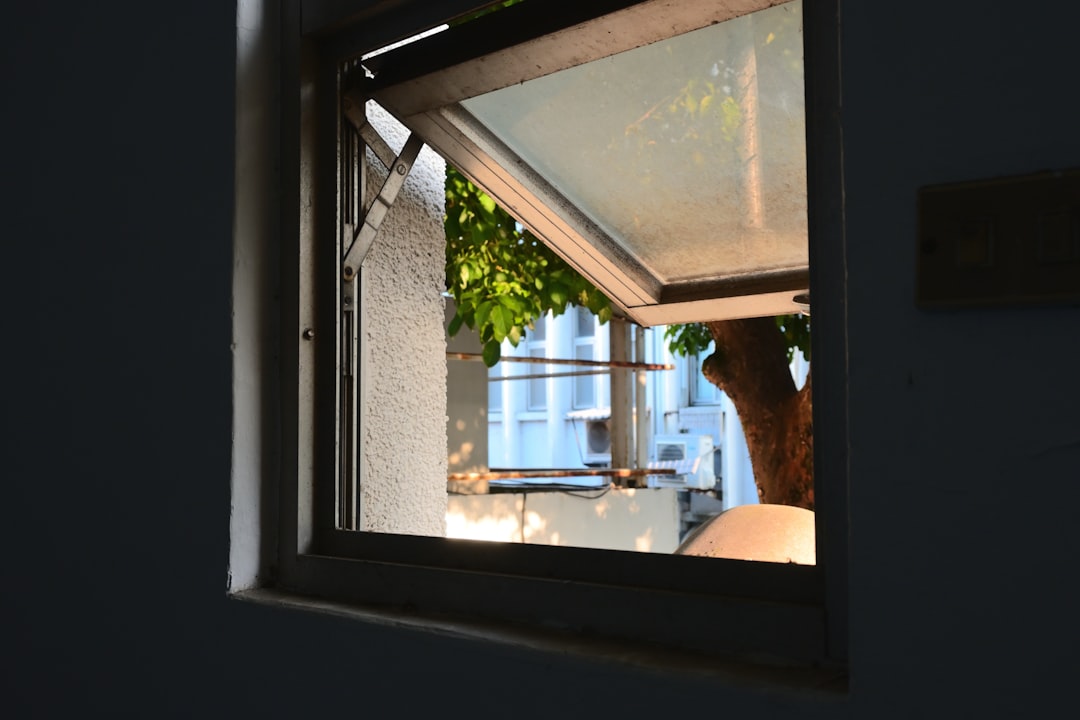
Fresh air can help dilute cooking smells, moisture, and stale indoor air, but “open every window all day” is not always practical. Outdoor heat, humidity, wildfire smoke, pollen, traffic pollution, or cold weather may make that a poor choice.
Use targeted ventilation habits instead.
- Run a kitchen exhaust fan that vents outdoors while cooking when available.
- Use the bathroom exhaust fan during and after showers.
- Open windows briefly when outdoor conditions are suitable.
- Create cross-ventilation by opening windows or doors on opposite sides of the home when practical.
- Do not block HVAC returns or vents with furniture, baskets, or laundry.
EPA guidance emphasizes three broad indoor-air strategies: source control, ventilation, and filtration. It also recommends controlling moisture and keeping indoor humidity below 60%, ideally in the 30–50% range, because excess moisture can contribute to indoor-air problems.
The kitchen: control food odors at the source
In many small homes, the kitchen is open to the living room, dining area, hallway, or even bedroom corridor. That means cooking odors spread before you notice them.
You do not need to deep-clean the entire kitchen after every meal. Focus on the odor-producing points.
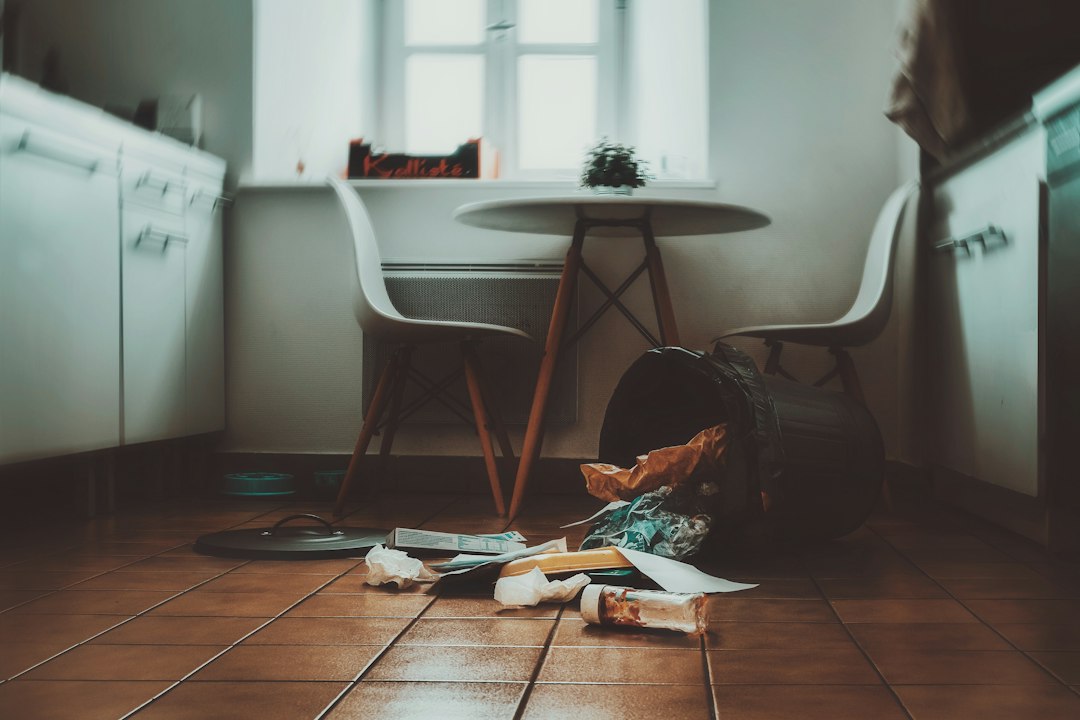
1. Empty high-odor trash sooner than low-odor trash
Do not wait for the bag to be physically full if it contains fish packaging, meat trays, spoiled produce, takeout leftovers, or other food waste likely to smell quickly.
A smaller trash can can actually help a small home because it forces more frequent removal instead of storing several days of food waste indoors.
2. Wash the trash container itself
If a new bag smells bad as soon as you install it, the odor may be in the bin, lid, hinge, or floor underneath—not the trash bag.
Clean the container with a product appropriate for the material and follow the product label. Let it dry fully before adding a new liner.
3. Do not leave wet food residue overnight
Check:
- sink strainer,
- dishcloths,
- sponge or scrubber,
- cutting boards,
- recycling containers,
- stovetop splatter,
- dishwasher filter or removable parts according to the manufacturer’s instructions.
A small amount of damp organic residue can affect the whole room more than a dusty shelf.
4. Clean grease near the cooking zone
Cooking odors can cling to greasy films on the backsplash, range hood exterior, cabinet fronts near the stove, and nearby walls. You do not need to degrease the whole kitchen daily. Wipe the active cooking zone often enough that residue does not build into a persistent smell.
The bathroom: moisture control is odor control
Bathrooms often smell “musty” not because they are visibly dirty, but because materials stay damp for too long.
EPA guidance on mold and moisture recommends using bathroom ventilation, increasing air movement, and drying damp materials. It also advises addressing water leaks and excess humidity instead of simply covering the smell.
Give every towel enough air to dry
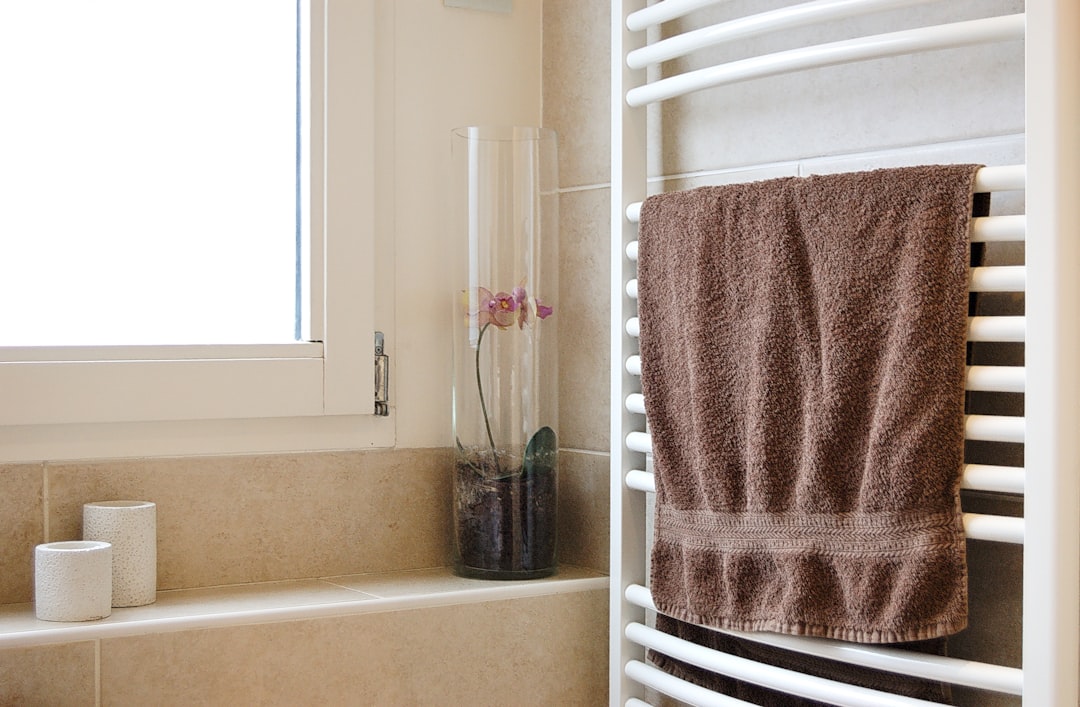
A bath towel folded over itself on a small hook may remain damp much longer than one spread across a bar. If several family members share one tiny bathroom, the drying layout matters.
Use a wide towel bar, spaced hooks, an over-door rack, or another setup that allows fabric to dry rather than stay bunched.
Rotate bath mats before they become sour
Bath mats receive water repeatedly and may dry slowly, especially on cool floors. Follow their care labels and wash them before they develop a persistent damp odor.
Dry the shower zone, not every bathroom surface
You do not need to wipe the entire bathroom after every shower. Target the places that stay wet the longest:
- shower curtain or liner,
- tub edges,
- shower door tracks,
- bath mat,
- towels,
- puddles around the sink or toilet base.
If you notice recurring condensation, water staining, or visible mold, treat that as a moisture problem rather than an odor problem.
The living room: soft surfaces can hold the smell of daily life
Hard floors and tables are easy to wipe, but much of a living room is made of fabric: sofa upholstery, throw blankets, pillows, rugs, curtains, pet beds, and baskets lined with textiles.
These surfaces collect crumbs, hair, skin oils, dust, pet dander, and cooking odors.
A useful soft-surface refresh routine focuses on maintenance rather than constant washing.
Weekly or as needed
- Vacuum rugs and the area around the sofa.
- Vacuum upholstery if the manufacturer allows it.
- Shake out washable throws and blankets.
- Remove crumbs from sofa seams.
- Wash removable covers according to their care labels.
Monthly or based on use
- Wash frequently used throw blankets.
- Clean under sofa cushions if the design allows.
- Vacuum behind and under upholstered furniture.
- Refresh curtains or fabric shades according to manufacturer instructions if they collect cooking odor or dust.
The goal is not to perfume fabric. It is to remove the material that holds odor.

The bedroom: deal with textiles before adding scent
Bedrooms often smell stale because they contain a high concentration of textiles in a closed space: bedding, pillows, clothing, curtains, rugs, upholstered headboards, and laundry hampers.
Instead of spraying the room, check the highest-impact items.
Bedding
Wash sheets and pillowcases on a schedule that suits your household, following fabric-care instructions. If a comforter, duvet, or blanket smells stale, check its care label and cleaning requirements instead of repeatedly masking it with fragrance.
Laundry hamper
A hamper holding damp workout clothes, towels, socks, or children’s clothing can affect the whole bedroom. Let damp items dry when appropriate before burying them under dry laundry, or process them sooner.
Closet air
A packed closet limits air movement and can trap shoe, clothing, or moisture odors. Avoid storing damp clothing, and leave enough space that clothes are not permanently compressed together.
Mattress area
Vacuum accessible dust around the bed frame and under the bed as part of normal floor care. If the mattress itself has a persistent unusual odor, follow the manufacturer’s care guidance and investigate moisture, spills, or other specific causes.
The entryway: stop outdoor and shoe odors at the door
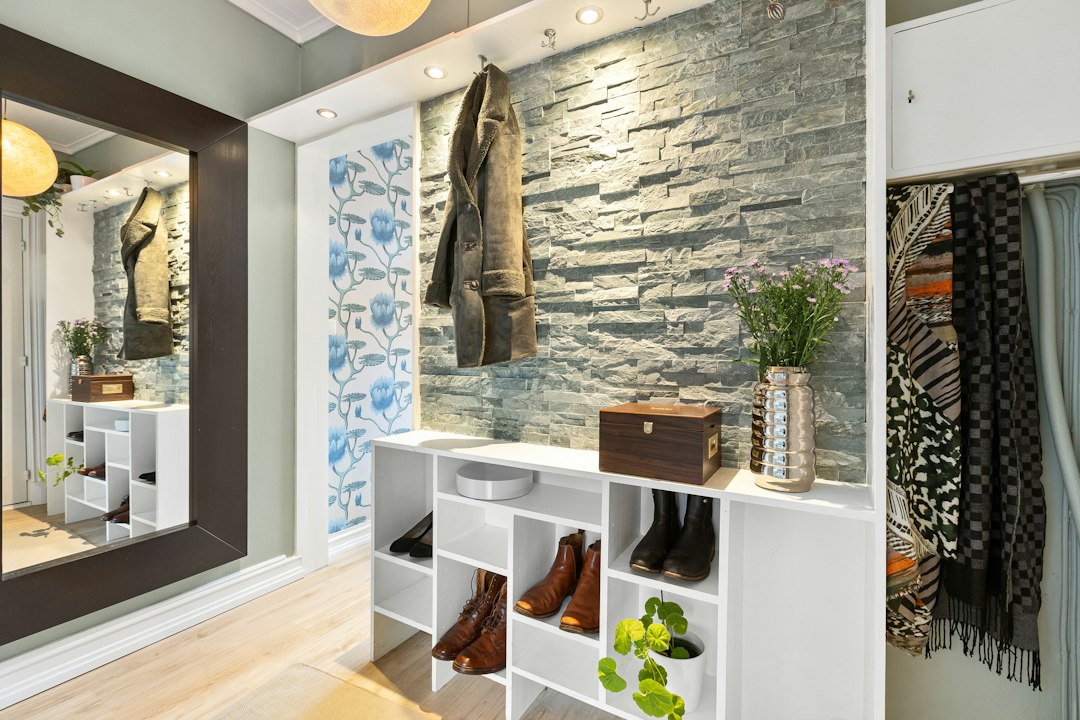
The entryway is small, but it can hold concentrated odors from shoes, coats, umbrellas, gym bags, backpacks, strollers, and sports equipment.
Create a dry-before-store rule.
Wet shoes should not go immediately into a closed cabinet. Damp raincoats should not be packed into a basket. A wet umbrella should not drip into a fabric bin.
Give damp gear a temporary drying position before it enters closed storage.
Keep only the active shoes near the door
If ten pairs are sitting in a two-person entryway, odor and clutter both increase. Store off-season or rarely worn shoes elsewhere if possible.
Wash entry rugs before they smell
Entry mats catch wet dirt, outdoor debris, and moisture. Vacuum or shake them regularly and wash them according to their care instructions.
Empty sports and school bags
A forgotten snack, damp swimsuit, sweaty jersey, or used lunch container can create a whole-house mystery smell. Add a quick bag-emptying step to the return-home routine.
The laundry area: never confuse “clean” with “dry”
Clean clothing can still smell unpleasant if it stays damp too long.
Move wet laundry to the dryer or drying rack promptly when practical. Make sure air-dried items are fully dry before folding or placing them in drawers.
If your laundry area is part of a closet, bathroom, hallway, or kitchen, keep the surrounding area dry and ventilated according to your home and appliance setup.
For the full workflow, see our simple laundry routine for families in small homes and how to keep laundry from taking over a small home.
Floors and rugs: clean what lands on them
Floors do not usually generate odor on their own. They hold what the household drops onto them.
That includes:
- food crumbs,
- pet hair,
- outdoor moisture,
- soil from shoes,
- spilled drinks,
- dust under furniture,
- small bits of organic debris.
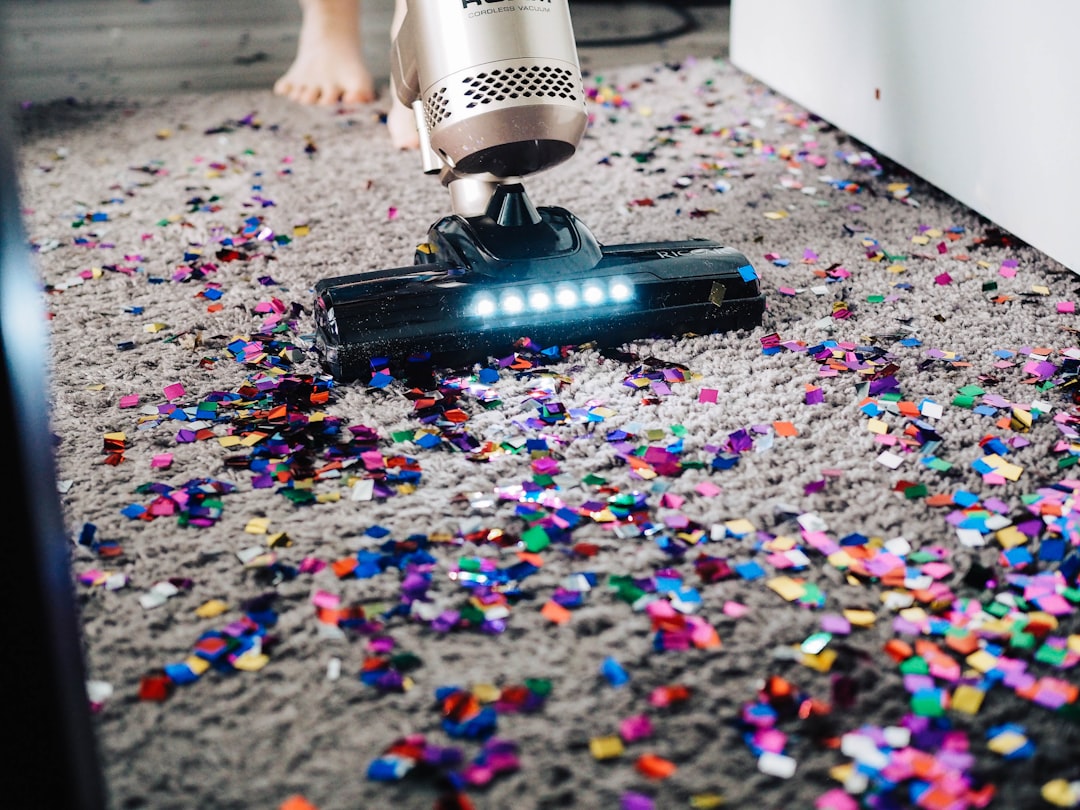
In a small home, regular vacuuming or sweeping can make a noticeable difference because the same floor area is used intensively.
Prioritize:
- under the dining table,
- around the sofa,
- kitchen edges,
- entryway,
- under pet feeding areas,
- beneath furniture where crumbs collect.
When a spill happens on carpet or upholstery, follow the manufacturer’s cleaning guidance. Avoid soaking materials so heavily that they remain damp for long periods.
Do a “wet-item sweep” every evening
Many persistent small-home odors come from one damp object that was forgotten.
Before bed, spend one minute looking for:
- wet dishcloths,
- damp kitchen towels,
- bath towels bunched on hooks,
- children’s swimsuits,
- sports clothing,
- wet shoes,
- mop pads,
- cleaning cloths,
- laundry left in the washer.
Hang, spread, wash, or move them to an appropriate drying location.
This tiny damp-item control habit often prevents more odor than adding another cleaning product.
Create a five-zone odor check instead of cleaning the whole house
If the home smells off but you do not know why, check these zones in order:
Zone 1: kitchen
Trash, sink, food residue, dishcloths, recycling, cooking grease.
Zone 2: bathroom
Towels, mats, shower curtain, toilet area, moisture.
Zone 3: laundry
Wet washer load, damp hamper, drying rack, workout clothes.
Zone 4: entryway
Shoes, bags, coats, umbrellas, sports gear.
Zone 5: living and sleeping textiles
Sofa throws, pet bedding, sheets, pillows, rugs, curtains.
You can usually locate the main problem in a few minutes without wiping every baseboard in the home.
Use a three-layer maintenance rhythm
A home that smells fresh does not need constant deep cleaning. It needs a few tasks at the right frequency.
Daily layer: remove active odor sources
- Deal with high-odor food waste.
- Hang wet towels and cloths to dry.
- Do not leave wet laundry sitting unnecessarily.
- Rinse or wash heavily soiled food-contact items.
- Dry wet shoes or gear.
- Ventilate after cooking or showering when appropriate.
Weekly layer: refresh odor-holding zones
- Vacuum high-use rugs and upholstery as appropriate.
- Wash kitchen and bathroom textiles.
- Check the refrigerator for forgotten food.
- Clean the trash container if needed.
- Wash frequently used throw blankets.
- Clean entry mats.
Periodic layer: investigate hidden buildup
- Move furniture enough to vacuum trapped debris.
- Clean behind or under trash and recycling containers.
- Check under sinks for leaks.
- Inspect bathroom caulk, corners, and ventilation areas for moisture problems.
- Clean range hood components according to manufacturer instructions.
- Wash pet bedding according to product guidance.
- Review closets or shoe storage that stays closed most of the time.
What about baking soda, charcoal, odor absorbers, and air fresheners?
They can be secondary tools, but they should not replace source control.
Baking soda
It is commonly used as an odor absorber in certain household contexts, but do not assume it is appropriate for every fabric, appliance, or surface. Follow manufacturer instructions and avoid sprinkling powders into places where they may be difficult to remove or damage equipment.
Activated charcoal products
These may help with some odors in enclosed spaces, but they are not a substitute for removing spoiled food, drying damp material, cleaning pet accidents, or fixing water leaks.
Air fresheners and scented products
Use them only if you enjoy the scent and they are appropriate for your household. They should be the final layer, not the first response to an unexplained odor.
Air cleaners
EPA describes air cleaning and filtration as a supplement to source control and ventilation. If you use an air cleaner, select one appropriate for the room and your specific needs rather than expecting it to solve every odor source.
Do not mix cleaning products to “make them stronger”
More product is not always better, and combining cleaning products can be dangerous.
Use products according to their labels. Do not mix cleaners unless the label explicitly instructs you to do so. For most everyday odor problems, the solution is usually simpler: remove the source, clean the affected material correctly, dry it, and ventilate.
When a smell is a warning sign, not a housekeeping issue
Some odors should not be treated as ordinary cleaning problems.
Investigate promptly if you notice:
- a persistent gas-like smell,
- burning or electrical odors,
- sewage odors that do not resolve,
- a strong chemical smell with no obvious safe source,
- persistent damp or musty odor with water staining or visible mold,
- odor following flooding or major water damage.
Follow your utility, appliance, building, landlord, or emergency guidance as appropriate. Do not mask a potentially hazardous odor with fragrance.
A 10-minute fresh-home reset for days when you cannot clean
If guests are coming, the house feels stale, or you simply want a quick reset, do this instead of trying to clean everything. If you are working on the same space, How Often Should You Clean Everything in a Small Home? covers the next decision in more detail.
Minutes 0–2: remove the strongest sources
Take out high-odor trash, put food away, and deal with any wet cloths.
Minutes 2–4: reset the sink and kitchen textiles
Clear obvious food residue and replace damp dish towels if needed.
Minutes 4–6: do the wet-item sweep
Check bathroom towels, bath mat, laundry, shoes, and sports gear.
Minutes 6–8: ventilate strategically
Run appropriate exhaust fans or briefly open windows if outdoor conditions permit.
Minutes 8–10: refresh one soft-surface zone
Vacuum the rug near the sofa, shake out a washable throw, or clear crumbs from upholstery.
That ten-minute routine targets the sources most likely to affect the whole home.
How to keep a small home fresh when you cook every day
If daily cooking is the main odor source, combine odor control with your kitchen routine.
- Use the exhaust fan while cooking when available.
- Contain scraps early instead of leaving them on the counter.
- Wash or dry dishcloths before they turn sour.
- Wipe obvious grease near the cooking zone.
- Empty food-heavy trash sooner.
- Ventilate after strong-smelling meals when conditions allow.
For the complete kitchen workflow, see how to keep a small kitchen clean when you cook every day.
How to keep a small home fresh with kids
Children introduce unique odor sources because wet, sticky, and forgotten items travel.
Create a few automatic destinations:
- lunch containers go directly to the kitchen,
- wet swimsuits go to one drying point,
- sports shoes stay in a ventilated entry zone until dry,
- used towels return to bathroom bars,
- snack wrappers leave backpacks every day,
- spills are cleaned while they are still easy to locate.
You do not need children to understand “odor management.” You need the household routine to move high-odor items to the right place quickly.
How to keep a small home fresh with pets
Pet odor is easier to manage when you separate the source from the whole-house environment.
Depending on your pet and home, focus on:
- pet bedding,
- litter areas,
- food bowls and feeding mats,
- favorite upholstered spots,
- rugs near entrances,
- accidents,
- wet fur after outdoor time.
Clean and maintain pet items according to the product and veterinary guidance appropriate to your animal. If a pet develops a new or unusual persistent odor, consider whether the source may require veterinary attention rather than stronger household fragrance.
Frequently asked questions
How can I make my house smell good without cleaning all day?
Focus on the highest-impact odor sources: food waste, wet textiles, laundry, shoes, bathroom moisture, and soft furnishings. Remove the source first, ventilate when practical, and clean the surfaces that actually hold odor.
Why does my small apartment smell stale even when it is clean?
Small homes can accumulate cooking moisture, body odors, fabric odors, and stale air quickly because there is less air volume and many activities happen close together. Ventilation, moisture control, and refreshing textiles may help more than additional surface cleaning.
Should I leave windows open all day?
Not automatically. Ventilation is useful, but outdoor weather and air quality matter. Brief targeted ventilation, kitchen and bathroom exhaust fans, or a properly maintained mechanical ventilation system may be more appropriate depending on the situation.
What is the best way to get rid of a musty smell?
Look for moisture first. Damp towels, wet carpet, leaks, condensation, poorly dried laundry, or water-damaged materials can create musty odors. EPA guidance emphasizes moisture control, drying damp materials, and addressing leaks rather than simply covering the odor.
Why do my towels smell bad even after washing?
If clean towels repeatedly smell musty, check whether they are drying fully between uses, whether the washing machine is being used and maintained according to its instructions, and whether towels are being stored before they are completely dry.
Are scented candles enough to make a home smell clean?
They can add a scent you enjoy, but they do not remove the source of food, moisture, trash, laundry, shoe, or pet odors. Treat fragrance as optional ambience after source control.
The freshest small homes are not necessarily the most frequently cleaned
A fresh-smelling home is usually the result of a few invisible systems working well.
Food waste leaves before it turns. Towels dry fully. Wet laundry moves. Shoes and sports gear do not disappear into closed storage while damp. Upholstery and rugs are cleaned often enough to avoid buildup. Kitchen and bathroom moisture gets a path out. Hidden leaks are not ignored.
That is the core of keeping a small home smelling fresh: not constant cleaning, but consistent control of odor, moisture, and fabric buildup.
When you know where smells start, you can clean less randomly and respond more precisely. The house does not need to smell like perfume. It should simply smell like nothing is waiting too long to be removed, washed, dried, or aired out.
Sources
- Improving Indoor Air Quality — U.S. Environmental Protection Agency — https://www.epa.gov/indoor-air-quality-iaq/improving-indoor-air-quality
- What can I do to improve indoor air quality in my home? — U.S. Environmental Protection Agency — https://www.epa.gov/indoor-air-quality-iaq/what-can-i-do-improve-indoor-air-quality-my-home
- A Brief Guide to Mold, Moisture and Your Home — U.S. Environmental Protection Agency — https://www.epa.gov/mold/brief-guide-mold-moisture-and-your-home
- Improving Your Indoor Environment — U.S. Environmental Protection Agency — https://www.epa.gov/indoor-air-quality-iaq/improving-your-indoor-environment