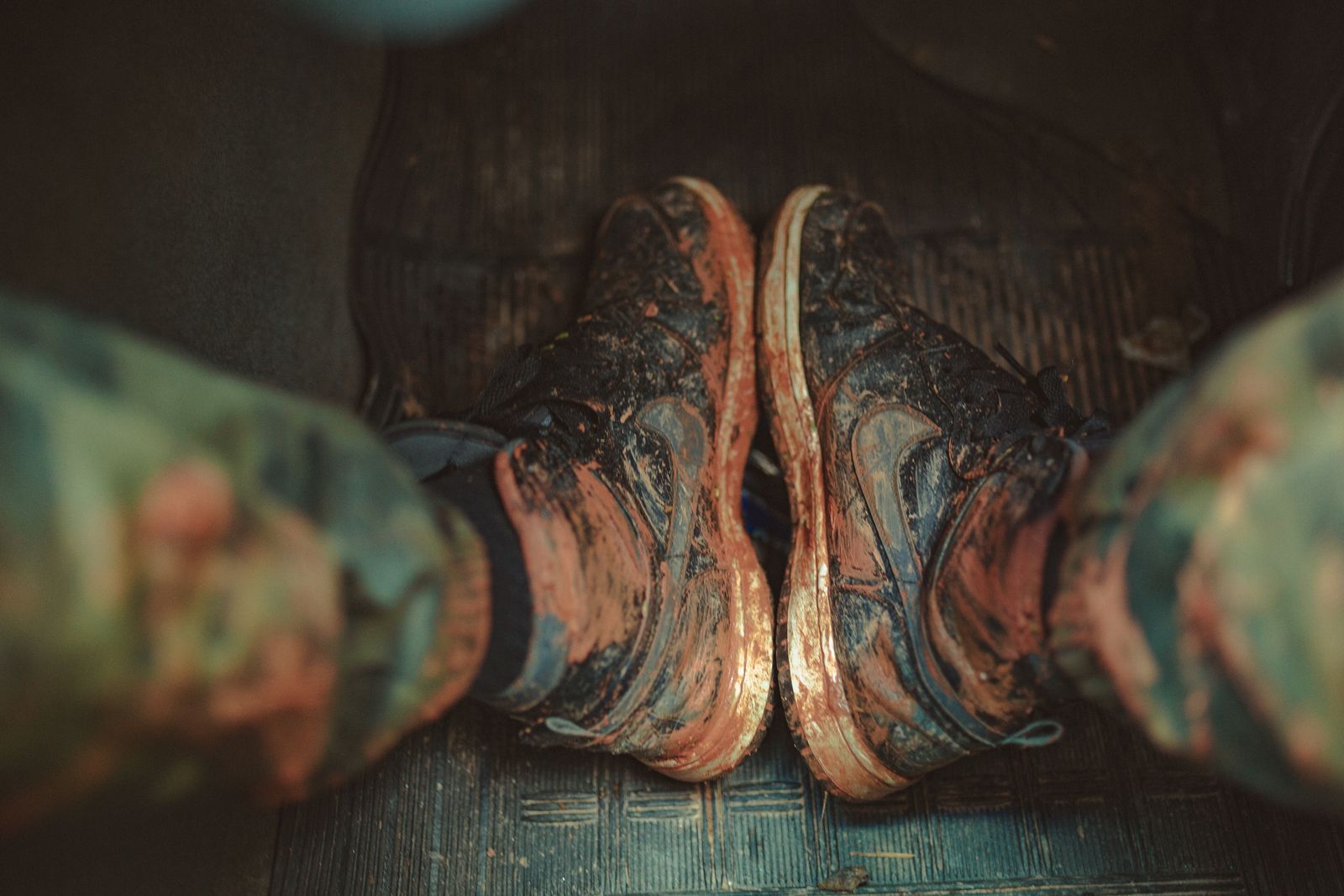
A small entryway can spread one rainy or snowy walk through the whole home. Mud dries into grit, road salt leaves pale residue, wet shoes migrate under chairs, and a soaked mat becomes a second source of moisture.
The fix is a contain–dry–clean sequence that handles the mess before it crosses the threshold.
Create a dirty side and a clean side
Use the outside or threshold zone for the first scrape, then an indoor mat or tray for remaining moisture. Keep the walking route from door to shoe-removal spot as short as possible.
Let mud dry when that is safer for the surface
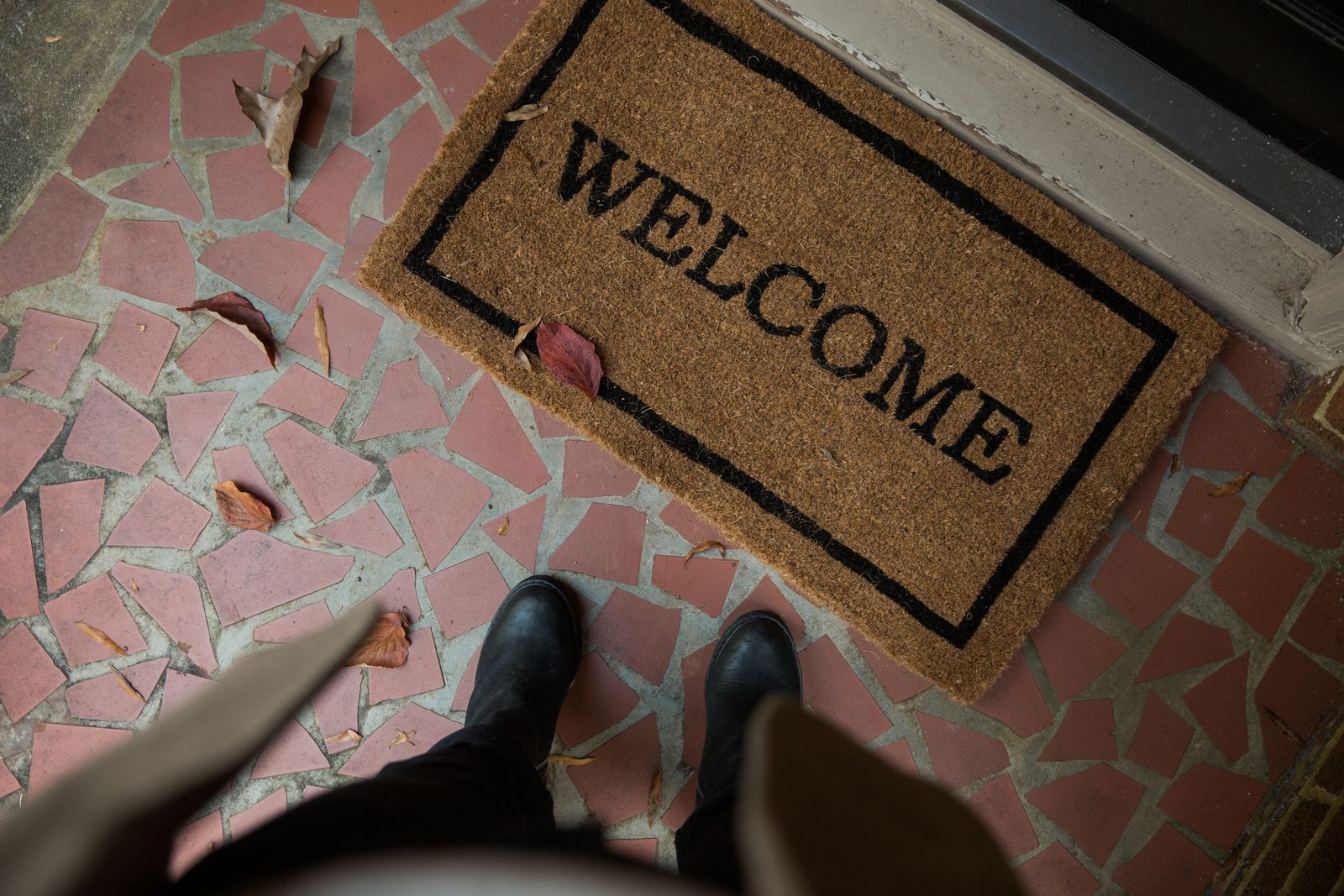
On many hard surfaces, dry soil can be swept or vacuumed more cleanly than smeared wet soil. For delicate floors, follow the flooring manufacturer’s care instructions and avoid abrasive grit.
Treat road salt as a separate problem
Salt residue can require a different cleaning method from ordinary dirt. Use the method recommended for your floor material, rinse or wipe as directed, and dry promptly. Do not assume one acidic or alkaline DIY mix is safe for every finish.
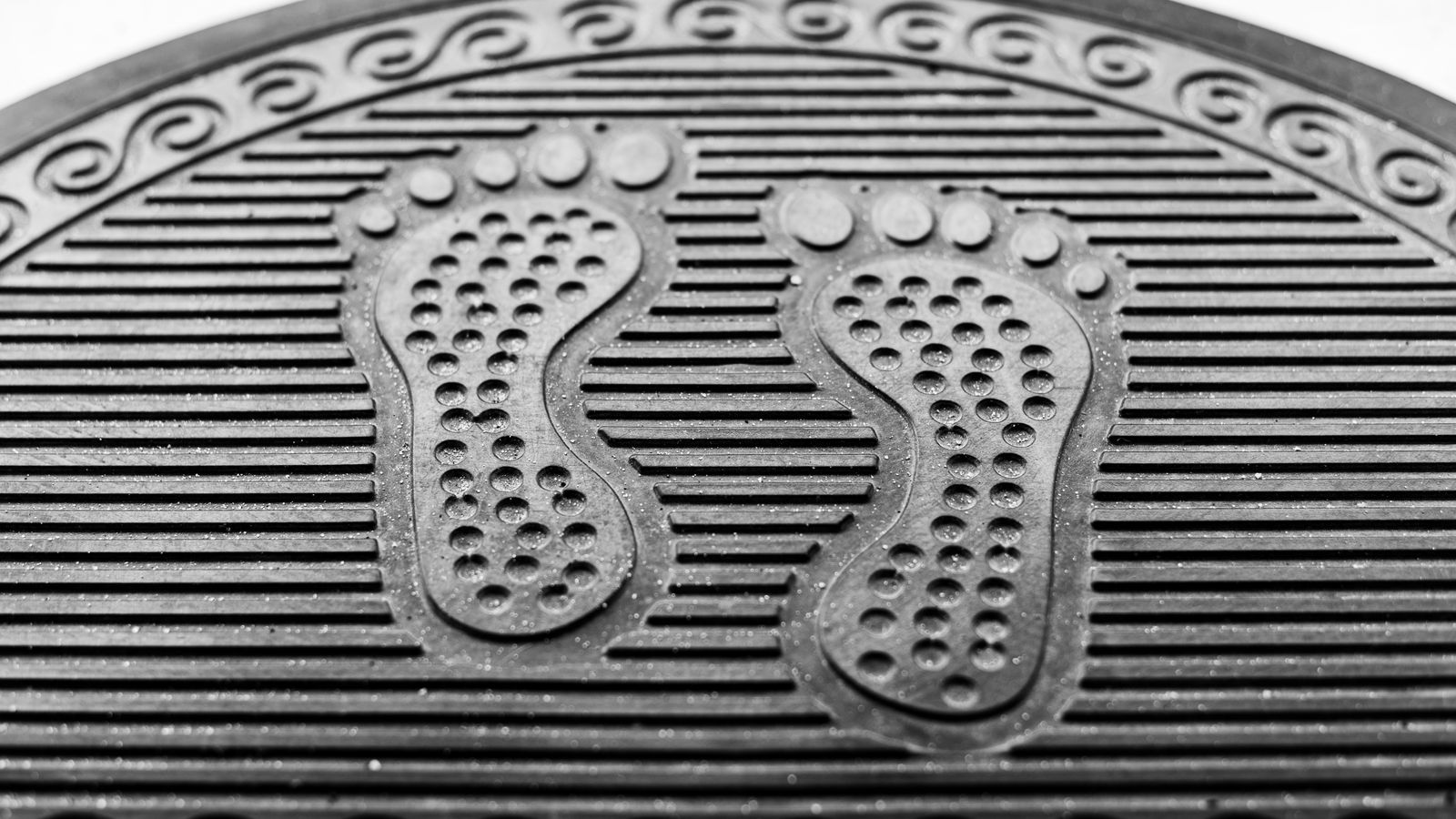
Give wet shoes a parking boundary
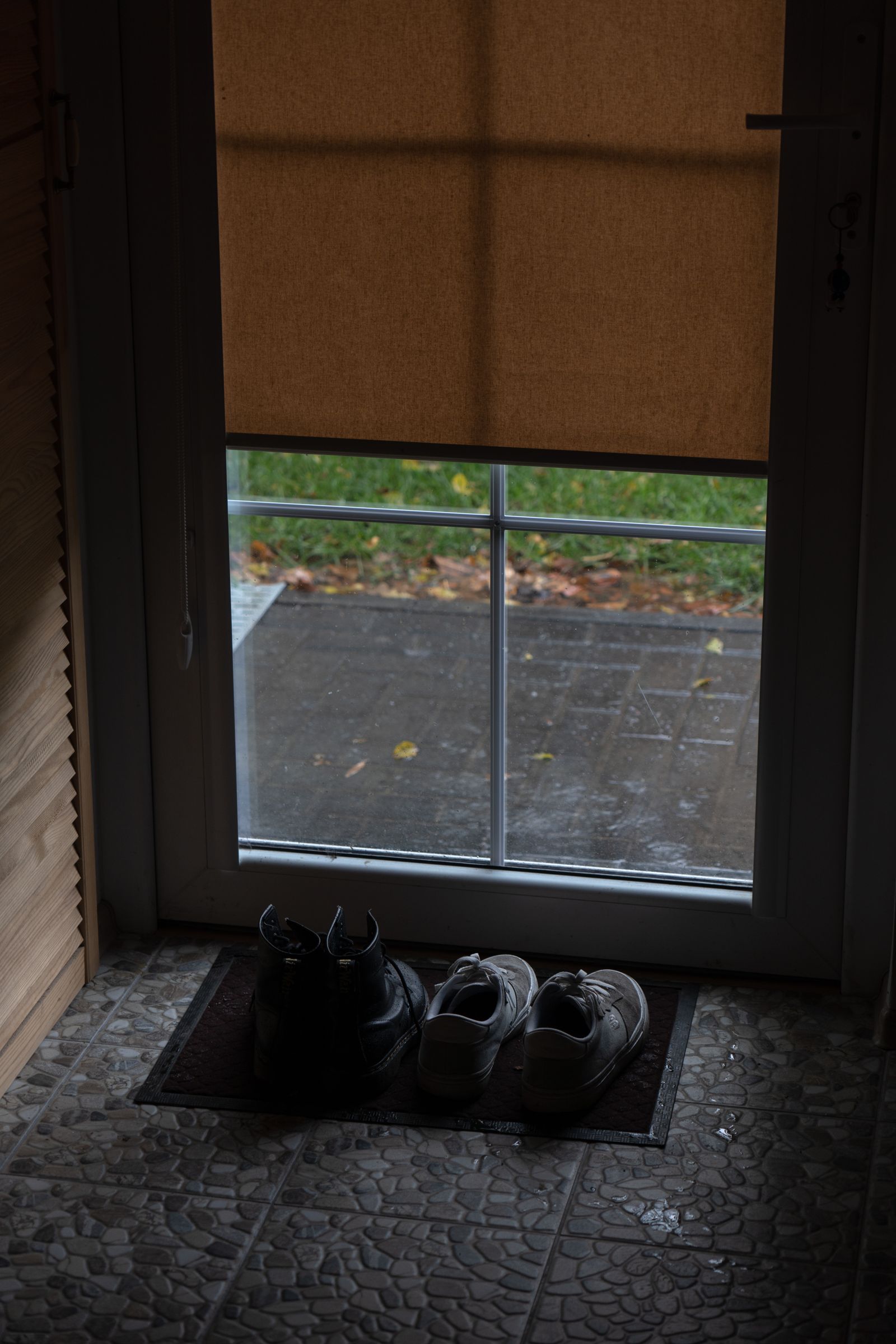
A boot tray, washable mat, or easy-clean floor section keeps water and grit from traveling. The container should be large enough for real family shoes but small enough that it does not become long-term shoe storage.
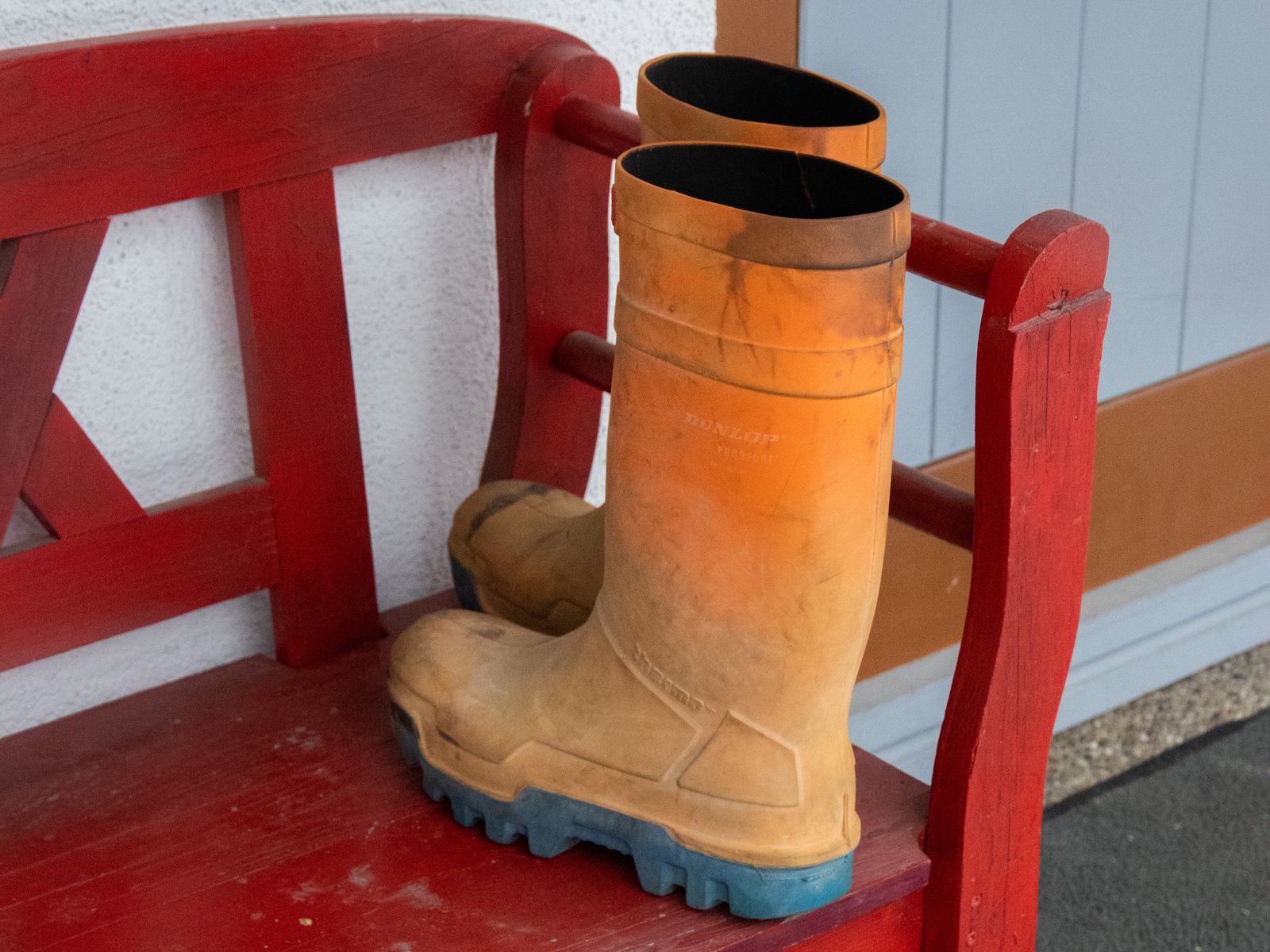
Dry the mat instead of letting it stay wet
Shake or vacuum dry debris first. Clean according to the mat’s material, then dry thoroughly before returning it. Two smaller washable mats can be more practical than one huge mat that never dries indoors.
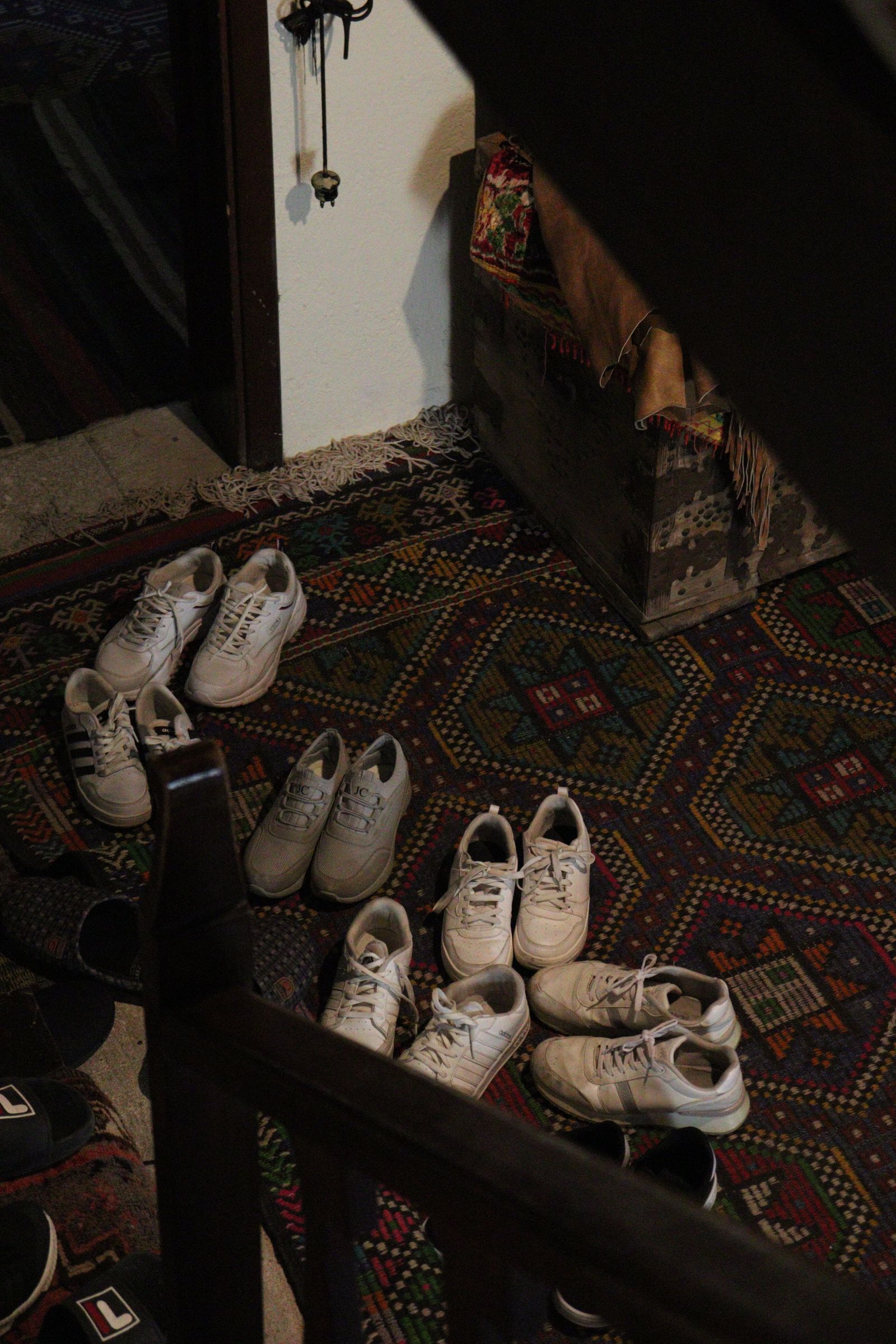
Choose cleanup supplies from the actual surfaces
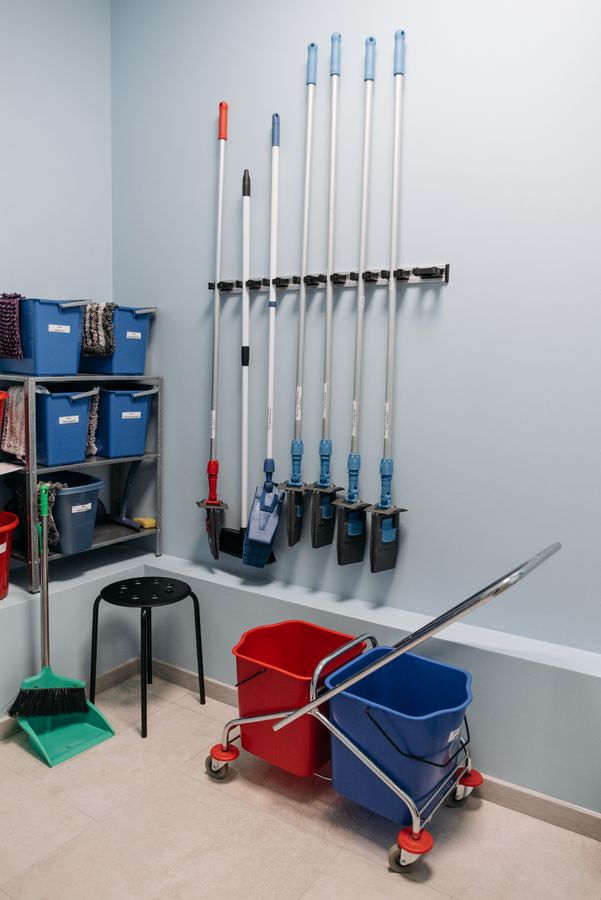
Keep only the tools and products confirmed for the floor, mat or tray you own. Those surfaces may need different methods. Store products according to their labels rather than assuming a box beside the door is suitable for every cleaner.
| Job | Before choosing a method | Finish check |
|---|---|---|
| Loose tracked soil | Check surface instructions and whether the tool is appropriate for the debris | The route is cleared without carrying debris farther indoors |
| Salt or persistent residue | Identify the finish and its recommended treatment | Complete the directed wiping, rinsing or drying steps |
| Mat or boot tray | Read its separate care instructions and plan the return | Its required care is complete before normal use resumes |
| Used cleanup tools | Identify the residue and tool-care requirements | Ready tools are separate from those still awaiting care |
Do not use an unidentified stain as a reason to try stronger household mixtures. Resolve the material and recommended method first. A universal acidic, alkaline or abrasive recipe cannot account for every floor finish.
Finish the cleanup without resetting wet gear too early
Move ready footwear to its named home, keep unfinished care in the appropriate location and restore the normal route. An evening reminder can prompt the check, but it does not establish that a mat, shoe or coat has finished drying.
Use the rainy-day arrival plan for where wet belongings go before cleanup. The shoe-care kit guide concerns confirmed footwear products and tools; do not automatically use those supplies on the surrounding floor.
Keep the next task within its own scope
Browse the Cleaning hub for related household routines. If the same mess returns because too many shoes occupy the doorway, review active family shoe storage rather than enlarging the cleaning kit.
My conclusion
A clean small entryway depends less on deep cleaning than on stopping transfer: scrape outside, park wet shoes, remove grit dry when appropriate, clean the correct surface, and dry the mat fully.