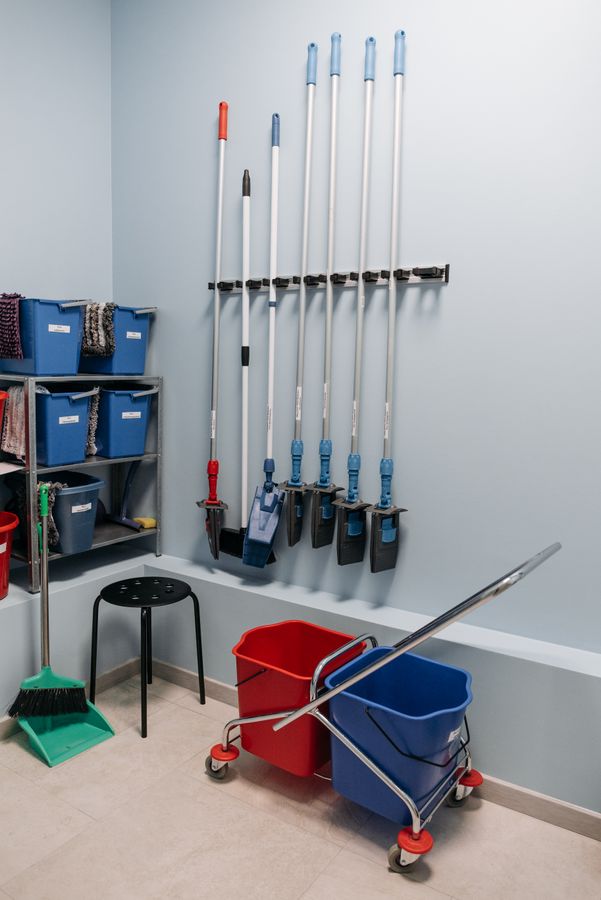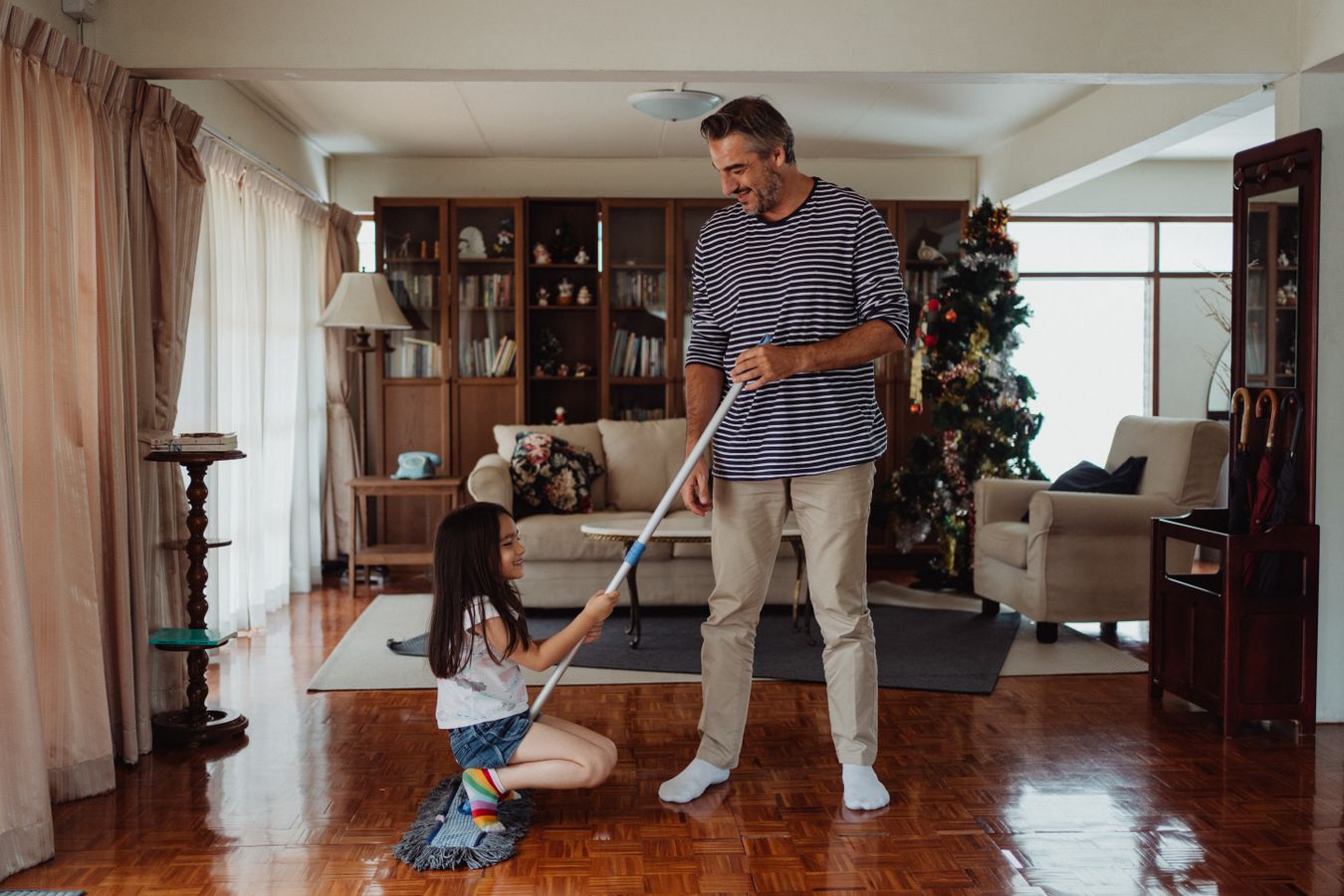
In a small home, one dirty entryway can affect every room. Shoes cross the same short walking paths, children move between rooms quickly, crumbs travel from the table, and there may be very little unused floor area to absorb the mess. For the broader setup, How to Reset a Multipurpose Room Between Work, Play, and Guests is a useful next read.
The most effective floor-cleaning strategy starts before the vacuum or mop: reduce what reaches the floor, contain what does, and clean the traffic path first. For the broader setup, How to Keep a Small Home Smelling Fresh Without Constantly Cleaning is a useful next read.
Map the dirt route
Watch where mess enters and where it travels. Common routes include:
- front door → hallway → living room,
- kitchen → dining area,
- bathroom → hallway,
- back door → kitchen,
- kids’ play area → sofa and bedrooms.
Those routes deserve more frequent attention than low-traffic corners.
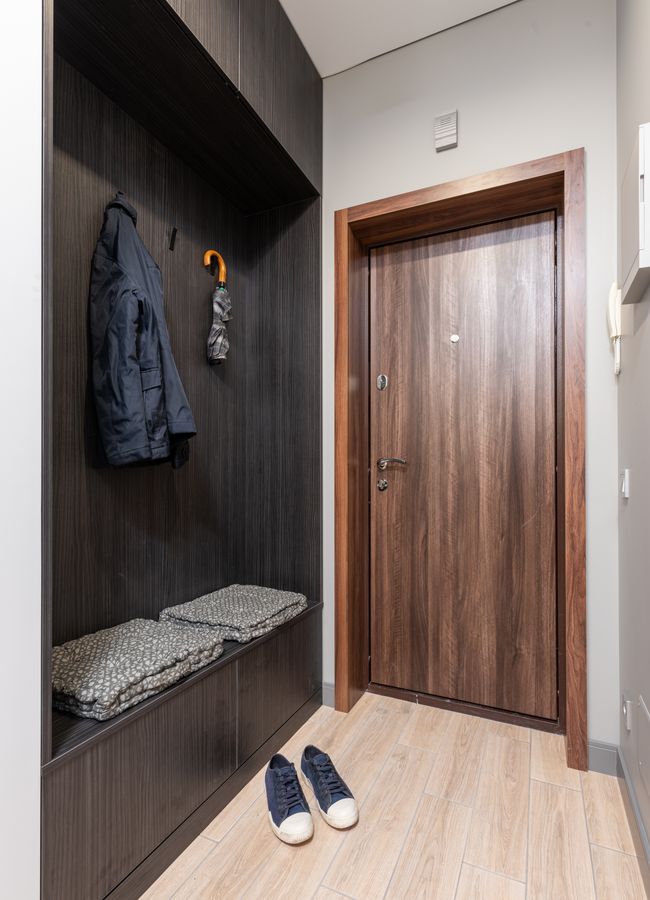
Create a real shoe boundary
Use a mat, tray, narrow rack, bench shelf, or simple floor footprint. The goal is for outdoor shoes to stop near the entry rather than migrate through the home.
Keep only current-use shoes in the zone. Overflow makes the system harder to follow.
Give children an obvious shoe spot
Make the place easy to see and easy to reach. If the child has to open a difficult closet or move adult shoes first, the system will often fail. For the broader setup, How to Build a Home Binder System That Actually Works in a Small Space is a useful next read.
Use a two-minute crumb pickup after meals
Do not wait for full-floor cleaning when the mess is limited to the dining area. Sweep or vacuum the visible crumb zone and move on.
Small targeted cleaning prevents one meal’s debris from being tracked through the home.
Keep the floor free of storage
Toy baskets, laundry, backpacks, shoes, and boxes on the floor slow every cleaning session. Move storage to defined parking spots so the main paths stay accessible.
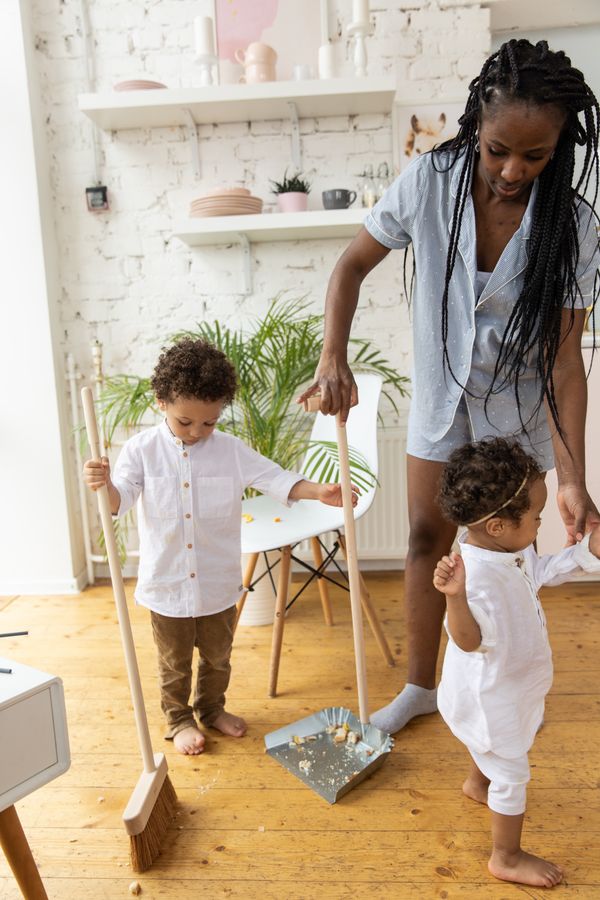
Clean high-traffic zones more often than whole rooms
A quick pass through the entry, kitchen, dining area, and living-room path may provide more visible benefit than cleaning every edge equally.
Use your floor manufacturer’s guidance for appropriate tools and cleaning methods.
Build a “quick floor” tool setup
Choose the tool that is easiest for your home: compact broom, handheld vacuum, lightweight vacuum, or another appropriate option. Store it where the mess happens often enough to justify the access.
If the tool requires a ten-minute setup, small messes will wait.
Use mats strategically
An entry mat can capture some outdoor debris, but it must be easy to shake out, vacuum, or wash as appropriate. A filthy mat becomes another source of dirt.
Handle wet shoes separately
Give wet or muddy shoes a temporary drying zone rather than moving them directly into closed storage. Use a washable tray or mat where practical. For a related step-by-step approach, see How to Create a Sports-Gear Drop Zone in a Small Family Home.
Protect the living-room play zone
If kids play on the floor, do a quick debris check before spreading toys, puzzles, or blankets. This prevents crumbs and grit from getting mixed into play materials.
The 10-minute floor reset
- return shoes to the entry zone,
- lift toys and bags off the main path,
- vacuum/sweep entryway,
- clean dining crumbs,
- pass through kitchen traffic area,
- finish the main living-room path.
When to mop
Mop or wet-clean hard floors according to the floor material and household need. Do not assume every surface should be treated the same way. Use the manufacturer’s cleaning instructions where available.
Family participation
Children can help with low-risk tasks appropriate to their age: putting shoes away, lifting toys, returning bags, or helping clear the floor before an adult cleans.
The biggest contribution is often making the floor available.
Pair floor cleaning with the entryway system
If outdoor dirt is the main problem, strengthen the arrival routine rather than only increasing vacuum frequency.
See A Small Entryway System for Backpacks, Shoes, Coats, and School Papers.
A weekly floor rhythm
Use quick targeted pickups during the week, then schedule a more complete floor clean based on your household, pets, flooring, and traffic. For a whole-home frequency guide, see How Often Should You Clean Everything in a Small Home?.
Frequently asked questions
Should we have a no-shoes house?
That is a household choice. The practical goal is to reduce outdoor dirt moving through the home, whether through shoe removal, mats, or more frequent entryway cleaning.
How often should I vacuum with kids?
Use the mess rate rather than a fixed universal number. High-traffic crumb and entry zones may need quick attention more often than whole rooms.
Why do floors look dirty again immediately?
Often the source is still active: shoes, crumbs, toys, pet traffic, or a dirty entry mat. Control the source as well as the floor.
Keep dirt near where it enters
Clean floors in a small family home come from strong boundaries: shoes stop near the door, crumbs get picked up near meals, floor storage stays limited, and the main traffic path gets quick attention before dirt spreads everywhere.